
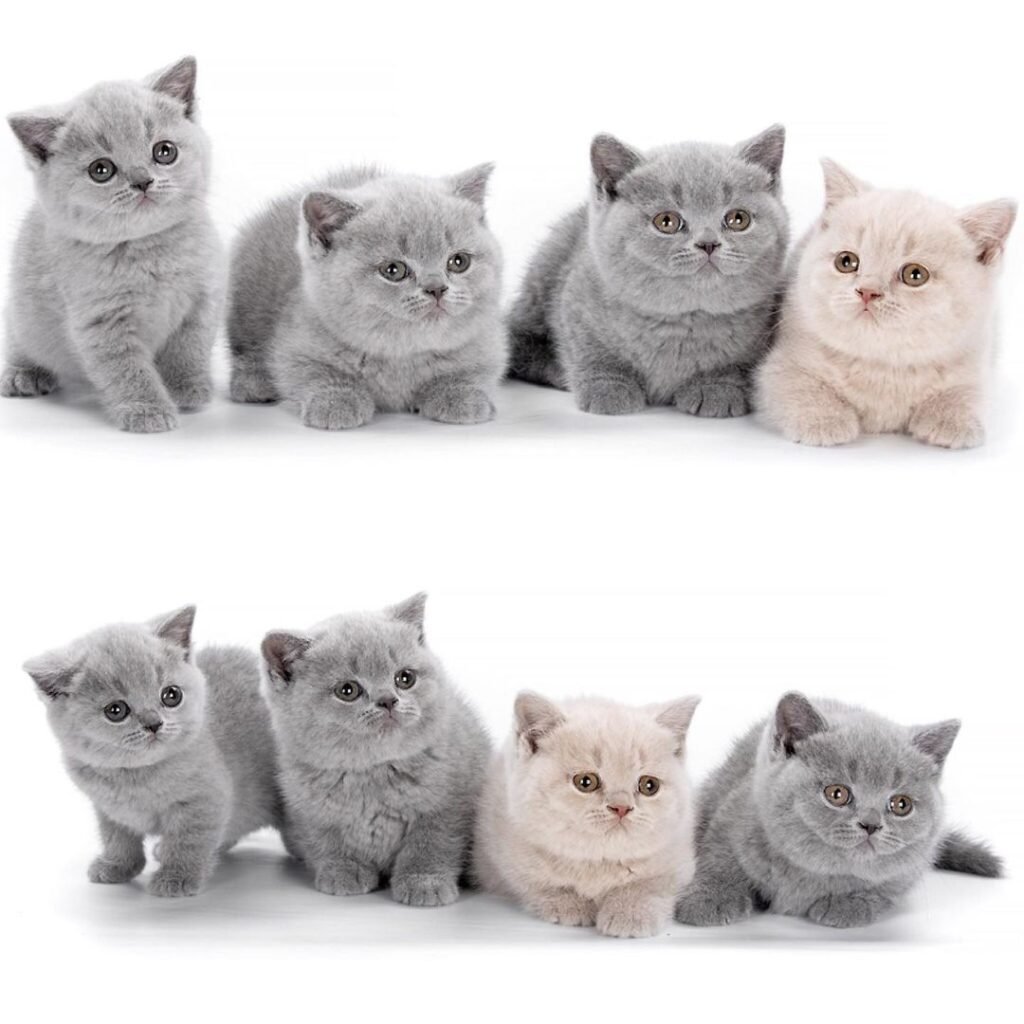
Finding the perfect British Shorthair kitten can be an exciting yet daunting experience for prospective pet owners in the UK. Known for their distinctive round faces, dense coats, and playful yet calm demeanor, British Shorthairs make wonderful companions. However, navigating the various options available and ensuring you choose a healthy, well-bred kitten requires careful consideration and research. In this guide, we’ll explore essential factors to consider, including breed characteristics, reputable breeders, health checks, and tips for preparing your home, all aimed at helping you make an informed decision and welcoming a new furry friend into your life.
Understanding the British Shorthair Breed
History and Origin
The British Shorthair cat is as British as tea and scones, with roots tracing back to the Roman invasion of Britain when cats were brought over to control the rodent population. Over the years, these charming felines evolved into the stocky, round-faced beauties we adore today. They became a favorite among Victorian cat enthusiasts and have held a special place in the hearts of cat lovers ever since.
Physical Characteristics
These cuddly companions are known for their dense, plush coats and round faces that could melt the coldest of hearts. A British Shorthair typically sports a sturdy build, with broad shoulders, a stocky neck, and a tail that’s just the right amount of fluffy. Their eyes are usually copper or gold, giving them an expressive look that’s equal parts cute and curious.
Common Health Issues
Like all breeds, British Shorthairs come with their own unique set of health concerns. They tend to face issues like hypertrophic cardiomyopathy (a fancy term for heart disease) and obesity due to their love of lounging around (who can blame them?). Regular check-ups and a balanced diet can help keep these health issues at bay, ensuring your kitty leads the life of luxury they deserve.
Key Characteristics to Look for in a Kitten
Coat Color and Patterns
British Shorthairs come in a dazzling array of colors and patterns, from the classic blue (that’s just grey in cat language) to stunning tortoiseshells and tabbies. While color is sometimes a matter of personal preference, keep in mind that the most desirable kittens often boast a solid color or a recognized pattern, which can elevate their show potential.
Size and Build
When selecting a kitten, consider their size and overall build. A healthy British Shorthair should have a muscular frame and should feel solid when you pick them up, not like a featherweight champion. Look for kittens that have strong legs and a broad chest—these are indicators of a robust little furball ready to take on the world (or at least your living room).
Behavioral Traits
Personality is key when bringing home a new feline friend. British Shorthairs are known for their calm and easy-going nature; they’re not the hyperactive type that will have you wondering where all your breakables have gone. Look for a playful yet relaxed demeanor in the kitten—if it rolls over for a belly rub, you’ve likely found a winner!
Researching Reputable Breeders
Identifying Responsible Breeders
Finding a reputable breeder is like searching for hidden treasure—definitely rewarding, but it requires a little digging. Responsible breeders will prioritize the health and welfare of their cats, and they should be able to provide evidence of proper breeding practices. Look for breeders who are members of recognized cat associations and who genuinely care about their cats’ well-being.
Questions to Ask Breeders
When you meet your potential kitten’s breeder, don’t forget to put on your detective hat! Ask about the kitten’s health history, vaccination schedule, and socialization practices. Questions like “What are the parents like?” and “How do you raise your kittens?” can help you gauge if this breeder is the real deal or just someone trying to cash in on your love for fluff balls.
Online Reviews and References
Before making any commitments, do your homework by checking out online reviews and asking for references. A quick search can reveal other owners’ experiences. If other cat parents rave about their kittens (or happily provide testimonials about not having to sacrifice their furniture), you’re likely dealing with a reputable source.
The Importance of Health Checks and Vaccinations
Essential Vaccinations
Your kitten needs the superhero treatment to fend off diseases! Essential vaccinations include those for feline viral rhinotracheitis, calicivirus, and panleukopenia—definitely not something you want them to catch. Be sure your breeder has started the vaccination process before you bring your little one home; it’s the first step to a long, healthy life.
Health Screening Tests
Aside from the usual vaccinations, it’s best to ask about health screening tests that check for common hereditary conditions, like hypertrophic cardiomyopathy and feline leukemia. A responsible breeder should readily provide this information because knowledge is power—and you want your cat to be as well-armed as possible against health issues.
Documentation to Request
When adopting your new furry friend, always request documentation of vaccinations, health screenings, and pedigree. This paperwork will give you peace of mind and serve as a roadmap for your kitten’s health journey. Plus, it’s always nice to know your cat comes from a long line of distinguished feline ancestors—talk about a royal family!
Assessing the Kitten’s Temperament
Observing Behavior with Siblings
When scouting for your future feline friend, don’t just look for the cutest face—observe how those tiny paws interact with their siblings. A confident kitten may be the one leading the pack in playtime, while a more reserved counterpart might be the quiet observer. Look for playful engagement and gentle wrestling; those traits often translate to a friendly disposition in adulthood.
Interaction with Humans
A kitten that eagerly approaches humans is more likely to be a social butterfly once settled in. Try to engage with them during your visit. Is the kitten curious and willing to explore, or are they hiding behind a sibling? Those who confidently pounce toward you or nuzzle at your hands might just be the perfect pocket companion for cuddles later on.
Signs of a Healthy Temperament
Keep an eye out for signs of a well-adjusted kitty. A healthy temperament often includes playful behavior, curiosity, and a willingness to explore their surroundings. Look for a kitten that’s both playful and calm enough to handle being picked up and cuddled. If they purr while you’re petting them, you’re in serious luck—they’ve probably just signed a social contract with you!
Preparing Your Home for a New Kitten
Essential Supplies and Equipment
Before you welcome your new furball, ensure you’ve stocked up on the essentials. This includes food and water bowls, a cozy bed, litter box, cat litter, scratching posts, and an array of toys. Don’t forget the all-important scratching post—the last thing you want is a set of shredded curtains as a welcome gift!
Creating a Safe Space
Kittens are curious (and slightly chaotic) creatures, so create a safe space where they can explore without too many hazards. This could be a quiet room with their supplies set up—think a cozy corner just for them. Remove any fragile items, toxic plants, and electrical cords—unless you want to turn your home into a cat-themed obstacle course.
Introducing the Kitten to Your Home
When it’s finally time to introduce your fur baby to their new digs, take it slow. Allow them to explore one area at a time, and try not to overwhelm them with too much excitement at once. Let them find their bearings, and soon they’ll be confidently strutting around as if they own the place (spoiler alert: they will!).
Pricing and Budget Considerations
Average Cost of British Shorthair Kittens
When it comes to bringing home one of these majestic chonks, prepare your wallet. The average cost for a British Shorthair kitten in the UK typically ranges from £800 to £2,000, depending on factors like pedigree, breeder reputation, and even the kitten’s colouring. It’s an investment in future snuggles!
Ongoing Expenses to Consider
Owning a kitten isn’t just about the initial price tag. Factor in ongoing expenses like food, litter, vaccinations, vet check-ups, and possibly pet insurance. It can easily add up to around £70-£100 per month. Yes, your wallet will feel lighter, but think of all the purring goodness you’re getting!
Potential Hidden Costs
Don’t forget the hidden costs that can sneak up on you. Things like emergency vet visits, grooming sessions (especially if you adopt one with a fluffy coat), and even pet sitters when you go on holiday. It’s wise to have a little financial cushion set aside for those “just in case” moments—because life with a kitten is full of surprises!
Tips for a Successful Adoption Process
Finalizing the Adoption
Once you’ve found your future feline overlord, it’s time to finalize the adoption. Make sure to ask the breeder or shelter about the kitten’s health history, vaccination records, and any other important documents. Paperwork may not be as thrilling as cuddling a kitten, but it will help ensure you’re ready for your new adventure.
First Days with Your New Kitten
The first few days with your new furry companion can be a whirlwind. Expect some hiding, suspicious glances, and maybe even a few dramatic leaps into the unknown. Be patient and give your kitten time to explore and adjust. A quiet space with familiar items will help ease their anxiety.
Building a Bond with Your Kitten
To win your kitten’s heart, invest time in play and gentle interactions. Use feather toys, laser pointers, or even just a cardboard box to stimulate their playful side. Talk to them in soothing tones and offer treats to build that trust. Remember, the key to a charming relationship is not just in the treats, but also in the little moments of connection! In conclusion, finding the perfect British Shorthair kitten involves a thoughtful approach that encompasses research, preparation, and an understanding of the breed. By considering the tips and guidelines outlined in this article, you can ensure that you choose a healthy and well-adjusted kitten that will bring joy and companionship to your home. Remember, the journey of bringing a new pet into your life is not just about finding a kitten; it’s about forming a lasting bond that will enrich both your lives for years to come.
Frequently Asked Questions
What is the average cost of a British Shorthair kitten in the UK?
The average cost of a British Shorthair kitten typically ranges from £800 to £1,500, depending on factors such as the breeder’s reputation, the kitten’s lineage, and location.
How can I tell if a breeder is reputable?
A reputable breeder should provide health documentation, allow you to visit their facilities, and be willing to answer questions about the kitten’s lineage and health. Look for breeders who are registered with recognized cat breeding associations.
What should I ask a breeder before purchasing a kitten?
You should ask about the kitten’s health history, vaccinations, socialization practices, and what kind of support they offer after adoption. Inquiring about the kitten’s parents and their temperaments can also provide valuable insights.
How can I help my new kitten adjust to their new home?
To help your new kitten adjust, create a quiet and safe space for them, provide familiar items such as toys or blankets, and give them time to explore their surroundings at their own pace. Gradually introduce them to different areas of your home and family members.