
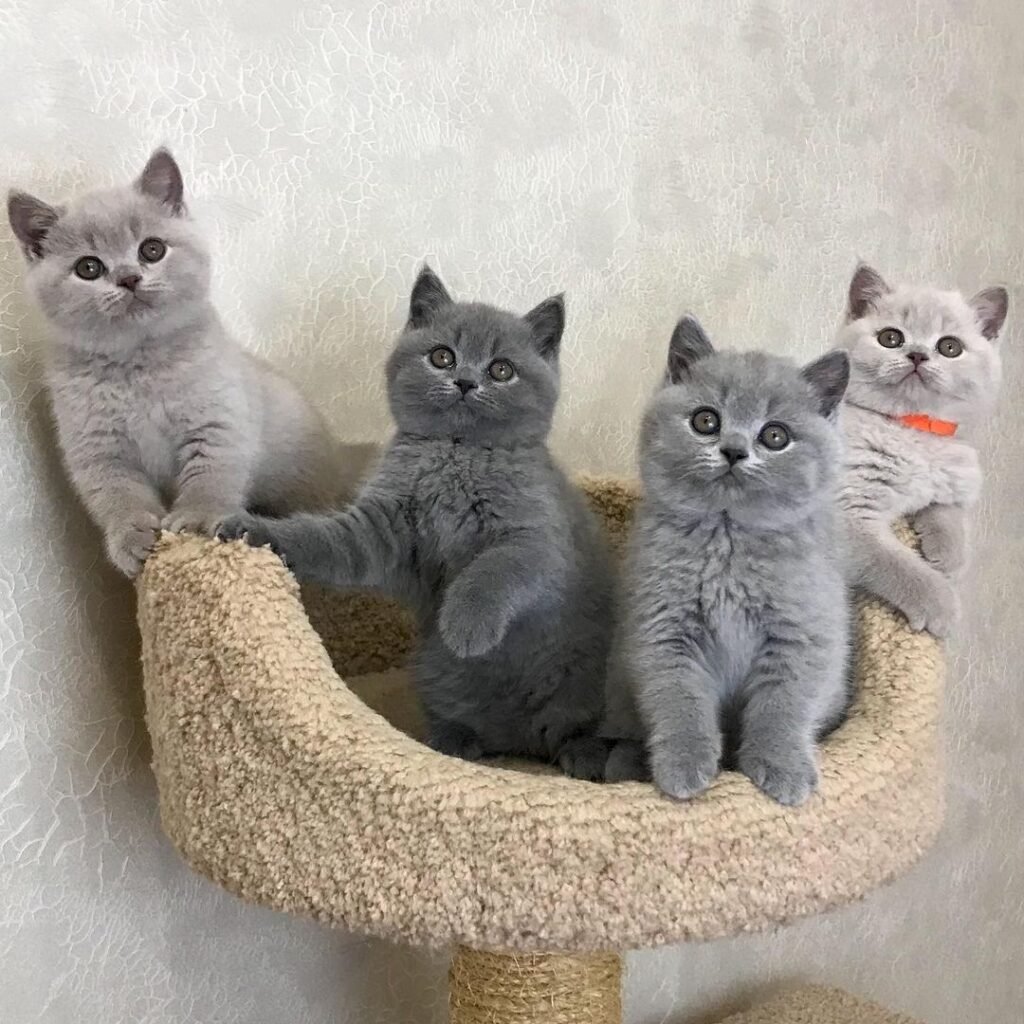
Bringing a British Shorthair kitten into your home can be an incredibly rewarding experience. Known for their charming personalities and distinctive looks, these cats are a beloved choice for many pet enthusiasts. However, ensuring a successful purchase and smooth transition into your household requires careful planning and consideration. From understanding the breed’s unique traits to securing a reputable breeder, there are several key factors to keep in mind. This article provides essential tips to guide you through the entire process, helping you create a loving environment for your new furry friend while making informed decisions along the way.
Understanding the British Shorthair Breed
Characteristics and Temperament
British Shorthairs are the cool cats of the feline world—literally! Known for their plush, dense coats and round faces, these kittens have a charmingly stocky build that could make a teddy bear jealous. Their personalities are as delightful as their looks; they tend to be calm, affectionate, and easygoing, making them perfect companions for families and singles alike. These kitties are not the lap cats you might expect; rather, they enjoy a good cuddle but will maintain their independence. Plus, their playful yet dignified mannerisms will have you swooning.
Common Health Issues
Like any breed, British Shorthairs come with their own set of health quirks. While they’re generally a sturdy breed, they can be prone to hypertrophic cardiomyopathy (HCM), a fancy term for heart disease that can be a real concern. Other potential issues include obesity—yes, those adorable chubby cheeks can tempt them to snack a bit too much—and dental problems due to their unique jaw structure. Regular vet check-ups and a balanced diet can ensure your fluffball stays healthy and happy!
Finding a Reputable Breeder
Researching Breeders
Finding the right breeder is like a scavenger hunt—but one with cuter prizes! Start by digging into local breeds clubs and associations, where you can often find a list of reputable breeders. Online research is a goldmine; check out reviews, social media pages, and even forums where previous kitten owners share their experiences. A little detective work goes a long way in ensuring your future feline is coming from a loving, responsible home.
Questions to Ask Potential Breeders
When you finally connect with a breeder, don’t be afraid to flex your inner interrogator—nicely, of course. Ask about their breeding practices, health screenings, and how they socialize their kittens. Don’t forget to inquire about the kitten’s parents; knowing their health history can give you insight into potential future issues. And yes, “Can I meet the kittens?” should definitely be included in your list of questions—eye candy is essential!
Health Considerations and Genetic Testing
Importance of Health Screenings
Health screenings are your kitten’s VIP pass to a long and prosperous life. Breeders should conduct screenings for common genetic conditions, like HCM, so you can start off on the right paw. This proactive measure not only protects your little furry friend but also provides peace of mind for you. After all, nothing says “welcome home” like knowing your kitten is in top-notch health!
Understanding Breed-Specific Health Risks
As you dive into the world of genetic testing, familiarize yourself with breed-specific health risks associated with British Shorthairs. In addition to HCM, these charmers can be susceptible to obesity, which can lead to various complications. Keeping track of their growth and maintaining a healthy diet can help keep those extra pounds at bay. Consider consulting your veterinarian about nutrition and exercise tailored specifically for your cuddly companion.
Preparing Your Home for a New Kitten
Creating a Safe Space
Before your new British Shorthair arrives, it’s essential to create a cozy and safe environment that says, “Welcome home!” Set up a designated area with a soft bed, food and water stations, and a litter box. Cats are like royalty—they love their own space. By providing a quiet corner where they can retreat, you’re allowing your kitten to adjust comfortably to their new kingdom.
Kitten-Proofing Your Environment
Now that you’ve set the stage for your feline drama, it’s time to kitten-proof! Make sure to stash away anything that could be dangerous or simply cat-tempting—think electrical cords, toxic plants, and those mysterious items lying around that could be mistaken for toys (goodbye, paperclips!). Secure loose items and remove fragile decor, because just like toddlers, kittens have a knack for turning normal homes into chaotic playgrounds. Better safe than sorry!
The Importance of Socialization and Training
Early Socialization Techniques
Getting your British Shorthair kitten out and about is crucial for raising a well-rounded cat. Start early by introducing your kitten to various sounds, environments, and experiences. This could mean gently exposing them to the vacuum cleaner (who doesn’t love a good horror story?), letting them mingle with different people, and even introducing them to other pets when they are ready. Make it a game! Use toys and treats to create positive associations. Remember, a well-socialized kitten is less likely to develop behavioral issues later on—meaning fewer “mysterious” scratches on your furniture.
Basic Training for British Shorthairs
Let’s face it; no one wants a furry dictator ruling their home. Basic training for British Shorthairs focuses on teaching them to use the litter box and respond to commands. Start with simple commands like “sit” or “come.” Use treats as motivation (you’re basically bribing them), and keep the sessions short and fun—think of it as a little cat boot camp without the sweat! Consistency is key; your kitten will catch on faster than you can say “purring machine” if you keep at it.
Essential Supplies for Your British Shorthair
Must-Have Items for New Kittens
Before your kitten arrives, prepare a kitty paradise! You’ll need a litter box (the more private, the better), a scratching post (to save your furniture), and a cozy bed that screams “nap time.” Don’t forget toys! A variety of them can help keep your little troublemaker entertained—think feather wands, balls, and the classic catnip mouse. And of course, a sturdy carrier for vet trips (or the occasional “show and tell” with friends) is a must. After all, who wouldn’t want to travel in style?
Choosing the Right Food and Nutrition
When it comes to food, your British Shorthair deserves only the best. Look for high-quality kitten food that lists meat as the first ingredient—because let’s be honest, no cat wants to chow down on a mystery meat mash. Consult your vet for specific dietary recommendations, but generally, a mix of wet and dry food can provide balanced nutrition. And be mindful of portion sizes; you don’t want a kitten that thinks it’s a sumo wrestler in the making. Healthy food leads to a healthy, happy feline companion!
Cost Factors and Budgeting for Your Kitten
Initial Purchase Price
The initial investment in a British Shorthair kitten can vary widely, usually ranging from several hundred to a few thousand dollars, depending on pedigree and breeder reputation. Remember, you’re not just buying a kitten; you’re investing in a lifelong relationship. Consider this a down payment on a future filled with fuzzy cuddles and the occasional “insert foot in face” at 3 AM. Don’t forget to factor in microchipping and vaccinations, which can add to that initial price tag.
Ongoing Care and Maintenance Costs
Once your furry friend has moved in, the expenses don’t stop! Budget for ongoing costs such as food, litter, regular vet check-ups, vaccinations, grooming supplies, and unexpected health issues (because life loves to throw a curveball). On average, you might spend a few hundred dollars a year on veterinary care alone. And let’s not forget those toys—the ones that they’ll quietly ignore after five minutes. Being prepared financially ensures that both you and your kitten enjoy a stress-free, pampered life together.
Post-Purchase Care and Maintenance Tips
Routine Veterinary Care
Keeping up with veterinary visits is crucial for your British Shorthair’s health. Schedule routine check-ups to keep vaccinations up to date and to catch potential health issues while they’re still “kitten-sized.” Regular visits can help you spot any changes in weight or behavior before they become bigger problems. And don’t worry; your vet will likely have a stash of treats to win over your cat and make them feel like royalty—even if you have to drag them there against their will.
Grooming and Hygiene Practices
British Shorthairs are known for their plush, dense coats, which means they need a little grooming love now and then. Regular brushing (aim for at least once a week) helps reduce shedding and keeps their coat looking fabulous while preventing hairballs from being an uninvited guest during cuddle time. Also, don’t forget nail trimming and ear cleaning—think of it as spa day for your kitten. They may not appreciate it at the moment, but they’ll thank you later by simply being their adorable selves! In conclusion, welcoming a British Shorthair kitten into your home is a journey filled with joy and companionship. By following the tips outlined in this article, you can ensure a smooth purchasing experience and set the foundation for a happy and healthy life together. Remember to prioritize your kitten’s needs, invest in their well-being, and enjoy the countless moments of affection and fun that come with being a cat owner. With the right preparation and care, your British Shorthair will become a cherished member of your family for years to come.
Frequently Asked Questions
1. How much do British Shorthair kittens typically cost?
The price of British Shorthair kittens can vary significantly based on factors such as the breeder, lineage, and geographical location. On average, you can expect to pay between $1,000 to $2,500 for a healthy kitten from a reputable breeder.
2. What should I look for when selecting a breeder?
When selecting a breeder, look for those who are registered with cat associations, provide health guarantees, and are willing to show you the kitten’s parents. Ask about health testing, socialization practices, and request references from other buyers.
3. How can I help my new kitten adjust to their new home?
To help your new kitten adjust, create a quiet and safe space where they can explore at their own pace. Gradually introduce them to different areas of your home and spend quality time bonding through play and gentle interaction.
4. What are the essential supplies I need before bringing my kitten home?
Essential supplies include a litter box, high-quality kitten food, food and water dishes, a scratching post, toys, a comfortable bed, and a carrier for safe transportation. Having these items ready will help your kitten settle in quickly.