
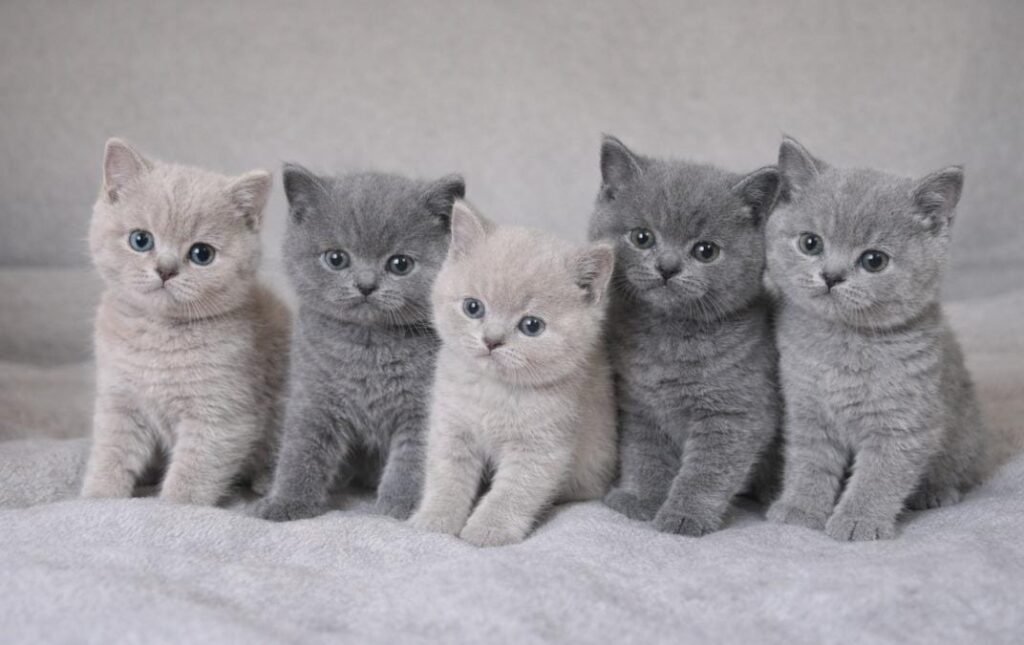
Welcome to the enchanting world of British Shorthair kittens, a breed renowned for their charming looks and delightful personalities. With their plush, dense coats and round faces, these feline royals have captured the hearts of cat lovers around the globe. Whether you’re a seasoned cat owner or a first-time pet parent, British Shorthairs offer a unique blend of affectionate companionship and independent spirit. In this article, we will explore the distinctive traits of these kittens, essential care tips, and how to seamlessly integrate them into your home. Join us as we guide you through everything you need to know about welcoming one of these adorable furballs into your life!
Introduction to British Shorthair Kittens
British Shorthair kittens are the epitome of feline royalty, with their plush coats and round faces that could make any cat lover swoon. These charming little furballs not only have looks that could launch a thousand likes on social media; they also possess a laid-back demeanor that makes them ideal companions. If you’re looking for a new addition to your family, these adorable kittens just might be your purr-fect match!
What Makes Them Special
What sets British Shorthair kittens apart from the usual crowd? For starters, it’s their distinctive round heads, chubby cheeks, and big, expressive eyes that seem to hold the secrets of the universe—or at least the location of the nearest sunbeam. Their calm and affectionate nature also makes them wonderful companions, whether you’re binge-watching your favorite series or hosting a fancy tea party. Plus, their low-maintenance grooming needs mean more time for cuddles and less time for cleaning up stray fur—win-win!
Brief History of the Breed
The British Shorthair has a history as rich as its plush coat. Originating in the UK during the Roman times, they were initially valued for their hunting skills, keeping homes free of pesky rodents. Over the centuries, they became beloved pets, known for their sturdy build and gentle personality. In the late 19th century, the British Shorthair breed was officially recognized, and they quickly became iconic, featured in literature and art, most notably in Lewis Carroll’s “Alice in Wonderland.” Who knew a kitty could be a cultural icon?
Unique Characteristics of British Shorthairs
Physical Appearance
When it comes to looks, British Shorthairs are the all-stars of the feline world. They sport a broad, muscular frame, and their compact build gives them a solid and sturdy presence. With round faces and large, round eyes, they look perpetually surprised, as if they’ve just spotted a full bowl of kibble. Their ears are small and rounded, perfectly complementing their adorable features. Just picture their squishy, lovable faces when you need a mood booster—instant joy!
Coat Colors and Patterns
British Shorthairs come in an impressive array of coat colors and patterns, making it almost impossible to choose just one. From classic blue (a fancy term for gray) to cream, chocolate, and even silver tabby, the variety is delightful. You might find them showcasing solid colors, bicolor, or even exquisite patterns like tortoiseshell and colorpoint. It’s like having your very own rainbow of fluff!
Size and Build
These kittens pack a punch when it comes to size! Adult British Shorthairs typically weigh between 9 to 18 pounds, depending on their gender and genetics. Their robust, muscular build gives them an endearing and slightly teddy bear-like appearance. It’s like having a furry companion who could moonlight as a cuddly weight-lifter. Just remember to give them plenty of love (and snacks) as they grow!
Health and Care Requirements
Common Health Issues
Like all breeds, British Shorthairs have their fair share of health quirks. While they are generally healthy cats, they may be prone to certain genetic issues, including heart disease (hypertrophic cardiomyopathy) and obesity due to their laid-back nature. Regular vet check-ups and keeping an eye on their waistlines will help ensure they stay in tip-top shape. After all, we don’t want them rolling around like fluffy little balls!
Diet and Nutrition
Keeping your British Shorthair healthy starts with a balanced diet. High-quality cat food rich in protein is essential to support their muscular physique. You might also want to consider a diet designed for indoor cats if they’re more couch potatoes than climbers. Just remember: even though those big eyes may beg for treats, moderation is key. No one wants a chubby kitty on the throne!
Grooming Needs
Fortunately, British Shorthair kittens have a low-maintenance grooming routine. Their dense, plush coats require brushing once a week to keep them looking regal and to reduce shedding. However, during shedding season, you might want to ramp it up a bit; those fluff clouds have a tendency to take over your home! Regular nail trimming and the occasional ear cleaning will also keep your royal companion feeling their best.
Personality Traits: What to Expect
Temperament Overview
British Shorthairs are known for their friendly and easygoing temperament. They’re the kind of cats that enjoy being with you but aren’t clingy—think of them as the perfect roommate who respects your personal space but is always down for a cuddle session. Their calm and gentle nature makes them great for families and individuals alike, so don’t be surprised if they quickly become the favorite family member!
Socialization and Interaction
Thanks to their sociable disposition, British Shorthairs typically get along well with other pets and children. They’re not overly demanding of attention but appreciate a good game of chase or a lap to curl up on. Just be sure to provide them with plenty of playtime and mental stimulation—after all, a bored kitty is a mischievous kitty, and you don’t want a feline revolution on your hands!
Playfulness and Activity Level
British Shorthairs are playful but at their own pace. They enjoy engaging toys, laser pointers, and the occasional pounce on a feather toy, but they also appreciate long naps in the sun. Their activity level strikes a happy balance; they won’t exhaust you with hyperactivity, but they’ll keep you entertained with their playful antics. Just be ready for sudden bursts of energy followed by a dramatic flop into a sleepy puddle of fluff!
Choosing the Right Kitten for You
Considerations for First-Time Owners
Owning a kitten is like adopting a tiny, furry tornado. Before you dive in, consider your lifestyle—do you work long hours, travel often, or binge-watch shows in your PJs? British Shorthairs are fairly adaptable but thrive in a loving, stable environment. Make sure you can commit to the cuddle sessions, playtime, and the occasional hairball clean-up (just saying).
Matching Personality to Lifestyle
British Shorthairs are known for their affectionate yet independent nature. If you prefer a snuggly companion who can also entertain themselves while you work from home, this breed might be your purr-fect match! For the busy pet parent, a calm and low-energy kitten could be ideal. Remember, personalities can vary, so don’t be shy about spending time with the kittens to find your soul meow-tch.
Evaluating Breeder Reputations
Not all breeders are created equal—some are more about the bling than the meow. When searching for a reputable breeder, ask about health checks, parent lineage, and their breeding practices. Look for reviews from previous adopters because let’s be honest, a kitten with a questionable background can lead to more drama than a reality TV show.
Preparing Your Home for a British Shorthair
Essential Supplies and Equipment
Before your new British Shorthair waltzes into your life, stock up on essentials: litter box, high-quality food, scratching posts, and chic toys (because style matters, right?). Don’t forget a cozy bed—kittens can spot comfort from a mile away. You want to create the ultimate kitty palace, so it’s time to channel your inner interior designer.
Creating a Safe Environment
Kittens are curious little explorers, which means your home should resemble a safe fortress, not an obstacle course. Secure loose wires, remove toxic plants, and ensure that any small objects are out of paws’ reach. The last thing you want is for your new fluffball to go on an adventure you didn’t plan for (yes, I’m talking about grand escapades involving the trash can).
Introducing Your New Kitten
When it’s finally time to bring your British Shorthair home, introduce them to their new kingdom carefully. Allow them to explore at their own pace, and create a designated “safe space” with their bed, litter box, and toys. Patience is key here; it may take a little time for them to go from shy little furball to the king or queen of the castle.
Adoption Process and Availability
Finding a Reputable Breeder
Start your search for a reputable breeder with a little online sleuthing. Look for local cat shows or consult feline organizations to get recommendations. Trustworthy breeders will openly discuss their practices and welcome you to see the kittens’ living conditions. If they try to dodge questions, it’s time to eye-roll your way out of there.
Cost and Financial Considerations
Adopting a British Shorthair is more than just an initial investment; it’s a lifelong commitment (and not just to a cute face). Expect to spend anywhere from $1,000 to $3,000, depending on lineage and breeder reputation, plus ongoing costs like food, vet check-ups, and maybe a few indulgent toys. Budget wisely, and remember: a happy cat means a happy owner.
What to Expect on Adoption Day
Adoption day is like a holiday for cat lovers! You’ll likely fill out some paperwork, make sure your new furball is healthy, and get some adorable pictures for Instagram. Be ready for a few heart-pounding moments as you drive home with your new furry friend—consider it your first bonding adventure. And don’t forget the treats; they definitely deserve some snazzy snacks to celebrate.
Testimonials from Happy Owners
Real-Life Experiences
Take it from those who’ve already been enchanted by their British Shorthair kittens! Many owners rave about how these adorable furballs have transformed their homes into cozy, laughter-filled abodes. From the sweet meows to those adorable, round faces, it’s clear these kitties know how to worm their way into hearts—and Instagram feeds.
Why They Love Their British Shorthairs
Owners appreciate the blend of companionship and independence that British Shorthairs possess. They’re not the clingy type; they’ll snuggle up when they want some love but are also content to lounge around while you sip your tea. Plus, their playful antics are enough to keep even the grumpiest of humans smiling.
Advice from Current Owners
“Don’t skimp on the scratching post!” and “Invest in a good vacuum!” are common themes from seasoned owners. They recommend patience during the first few weeks as your new kitten adjusts, and above all, cherish every pounce, chase, and adorable flop. After all, your new British Shorthair is about to become your fur-ever best friend!As you embark on the journey of welcoming a British Shorthair kitten into your home, remember that you’re not just adopting a pet; you’re gaining a loyal companion who will bring joy and warmth to your life. With their unique charm and loving nature, British Shorthairs are sure to become beloved members of your family. Take the time to prepare, educate yourself, and enjoy every moment with your new furry friend. Here’s to a delightful adventure with your feline royalty!
Frequently Asked Questions
1. Are British Shorthair kittens good for families with children or other pets?
Yes, British Shorthairs are typically known for their gentle and calm demeanor, making them suitable for families with children and other pets. They are generally sociable and enjoy companionship.
2. How much exercise do British Shorthair kittens need?
British Shorthairs are moderately active. They enjoy playtime and interactive toys but also appreciate their downtime. Regular play sessions help keep them physically fit and mentally stimulated.
3. What is the average lifespan of a British Shorthair?
The average lifespan of a British Shorthair is typically between 12 to 20 years, depending on their health, diet, and care. Regular veterinary check-ups can help ensure a long and healthy life.
4. How do I groom my British Shorthair kitten?
British Shorthairs have a dense coat that requires regular grooming. Weekly brushing helps reduce shedding and prevents matting, while occasional bathing can keep their coat clean and healthy.