
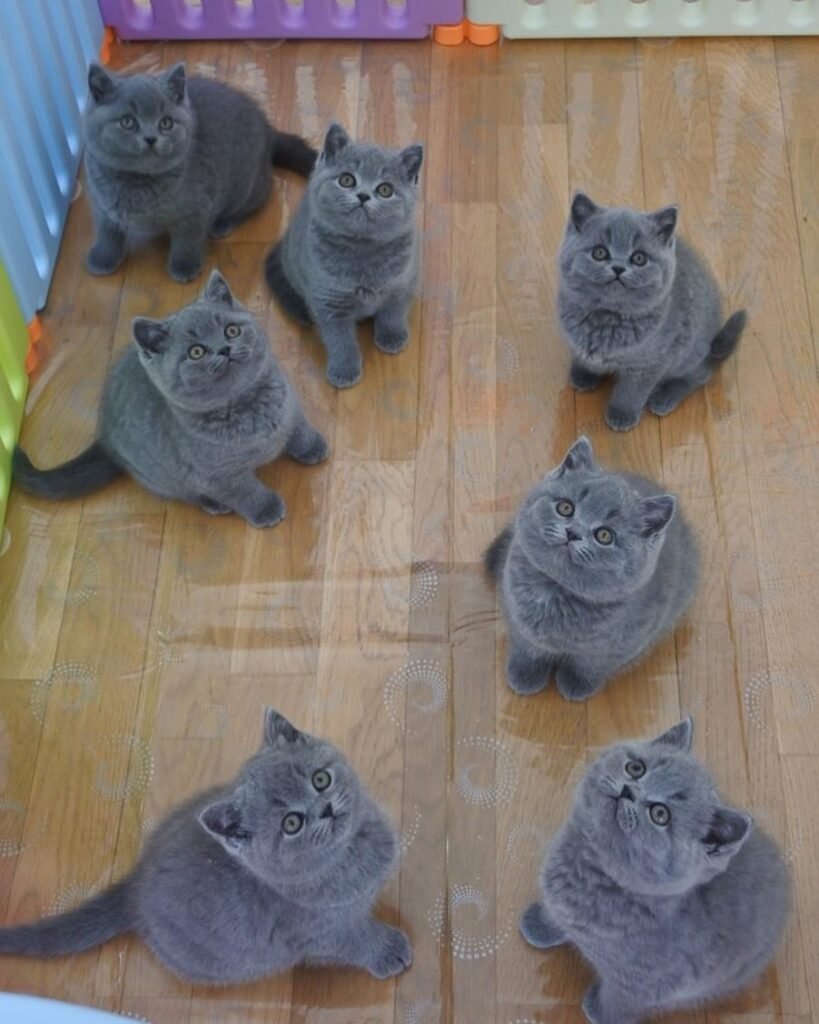
The British Shorthair is one of the most beloved cat breeds, renowned for its distinctive appearance and charming personality. With their round faces, dense coats, and robust build, these cats not only capture the hearts of pet lovers but also offer a plethora of benefits for families and individuals alike. From their gentle and affectionate nature to their adaptability in various living environments, adopting a British Shorthair can enrich your home and life. This article explores the numerous advantages of welcoming this delightful breed into your family, highlighting their unique characteristics, low-maintenance grooming needs, and joyful companionship.
Overview of the British Shorthair Breed
History and Origins
The British Shorthair is often described as the “blue-collar” cat of the feline world—practical, strong, and a little bit magical. Its history dates back to the Roman conquest of Britain, where these sturdy cats were admired for their hunting prowess. Over time, they became beloved companions, not just for their mouse-catching skills but also for their charming personalities. Fast forward to the late 19th century, and voilà! The British Shorthair was officially recognized as a breed, becoming a star at cat shows and cat lovers’ hearts alike.
Breed Standards and Varieties
British Shorthairs are known for their robust and rounded appearance, characterized by a dense coat, sturdy build, and large, round faces. The breed’s official standards highlight their stocky physique and short, plush coats. They come in a delightful array of colors and patterns, from the classic “British Blue” to tabbies, lilacs, creams, and more—essentially, they’re the fashionistas of the feline world, always ready to strut their stuff (preferably while napping).
Unique Physical Characteristics
Distinctive Appearance
One look at a British Shorthair, and you’ll know they mean business—or maybe just nap time. Their muscular bodies, round faces, and large, expressive eyes give them an air of confidence and a hint of mischief. With short legs that support a solid build, they’re like the linebackers of the kitty world, but their charm lies in those perfectly rounded features that make them almost cartoonish—think of a plush teddy bear with a penchant for mischief.
Color and Coat Variations
The British Shorthair boasts a coat that’s as varied as their personalities. While the classic blue-grey is the fan favorite, you might be surprised to find that they come in a kaleidoscope of colors, including cream, chocolate, silver, and even tortoiseshell. Their dense, plush fur requires minimal maintenance, making it as easy to care for as your favorite pair of sweatpants (and still looks adorable).
Gentle and Affectionate Temperament
Social Behavior with Humans
These cats are the gentle giants of the feline kingdom. British Shorthairs are known for their laid-back demeanor and affectionate nature. They’re not the type to demand attention like a needy toddler; rather, they prefer a calm approach, often choosing to sit beside you rather than on your lap. They’re quite social but also maintain an air of independence that makes them a perfect companion for both introverts and extroverts.
Interactions with Other Pets
When it comes to living with other pets, British Shorthairs are generally quite adaptable. They play nice with dogs, other cats, and even that pesky hamster, as long as everyone knows who the real boss is (spoiler: it’s usually the cat). Their easygoing nature means they’re more likely to watch the shenanigans unfold rather than jump into the fray, making your household a harmonious haven of furry friendship.
Low Maintenance Grooming Needs
Coat Care Requirements
Despite their plush appearance, British Shorthairs are the low-maintenance divas of the cat world. A weekly brush is usually all that’s needed to keep their coat looking its best. This is great news for those of us who may not want to spend our weekends in a cat grooming salon. Their coat doesn’t mat easily, meaning you can spend less time detangling and more time cuddling.
Bathing and Nail Trimming Tips
When it comes to baths, most British Shorthairs will give you a look of pure disdain, and honestly, who can blame them? Regular dry grooming and the occasional wipe down with a damp cloth should suffice. As for nail trimming, it’s best to start early. Make it a regular part of your bonding time—think of it as spa day, minus the cucumber slices and soothing music. With a little patience and some treats, you’ll have those claws looking spiffy in no time.
Health and Longevity Benefits
British Shorthairs are known for their sturdy build and robust health. With proper care, these adorable chubby-cheeked cats can enjoy a lifespan of 12 to 20 years! That’s plenty of time for them to turn your living room into a cat palace and your heart into a mushy cuddle zone.
Common Health Issues
While generally healthy, British Shorthairs can be prone to certain issues, such as hypertrophic cardiomyopathy (a fancy term for a heart condition) and obesity (thanks to their love for food!). Regular vet check-ups can help catch any potential problems early, ensuring your feline friend is always in tip-top shape.
Regular Veterinary Care
Keeping up with your British Shorthair’s vet appointments is essential. Routine check-ups and vaccinations can keep them healthy and thriving. Plus, their vet will love you for keeping their calendar full. Remember, a happy cat is a healthy cat!
Adaptability to Various Living Environments
Whether you live in a high-rise apartment or a cozy cottage, the British Shorthair can adapt like a pro. They don’t need a sprawling estate to be happy—just plenty of love, some snacks, and a sunny windowsill.
Suitable for Apartment Living
With their calm and easygoing nature, British Shorthairs are perfect for apartment dwellers. They’re not the type to scale curtains or knock over vases (too often), making them an excellent choice for those who prefer a low-key feline companion. Just provide some toys, and they’ll be content lounging around, contemplating the mysteries of the universe—or napping.
Adjusting to Different Family Dynamics
These cats are social butterflies at heart! They adjust well to various family situations, whether you have toddlers, teens, or even other pets. They thrive on companionship and can easily make themselves a beloved member of the family. Just remember, they might try to sit on your lap during a family movie night—consider it their way of bonding!
Companionship and Family-Friendly Nature
If you’re looking for a furry friend who loves to snuggle and play, the British Shorthair is your ideal companion. Known for their playful yet calm demeanor, they’re the perfect mix of fun and affectionate.
Great with Children
British Shorthairs are gentle giants, excelling in homes with kids. They’re patient, allowing children to pet them and engage in play without a hint of grumpiness. They even enjoy a good game of chase if it involves a feather toy—just make sure to supervise the fun!
Bonding with Owners
These cats aren’t just about the cuddles; they forge deep bonds with their humans. They’ll follow you from room to room, share your favorite chair, and even engage in some delightful conversations (well, as much as any cat can). Their loyalty and affection will leave you wondering how you ever lived without one!
Conclusion: Why Choose a British Shorthair?
In summary, adopting a British Shorthair offers a wealth of benefits from health and longevity to adaptability and companionship. They’re low-maintenance yet affectionate, making them an excellent choice for any cat lover.
Summary of Benefits
With their health-conscious traits, adaptability to living situations, and family-friendly nature, British Shorthairs stand out as remarkable pets. They bring joy, laughter, and a sprinkle of mischief to your life—all in the cutest package.
Final Thoughts on Adoption
So, if you’re considering adding a furry friend to your family, look no further than the charming British Shorthair. They’re ready to fill your home with warmth, companionship, and countless cuddles. Adoption might just be the best decision you ever make!In conclusion, the British Shorthair stands out as a fantastic choice for anyone looking to add a furry companion to their home. With their affectionate demeanor, low grooming requirements, and adaptability to different lifestyles, these cats make wonderful pets for families and individuals alike. If you’re considering adoption, a British Shorthair could be the perfect addition to your life, bringing joy, companionship, and a touch of elegance to your household.
Frequently Asked Questions
What is the average lifespan of a British Shorthair?
The average lifespan of a British Shorthair is typically between 12 to 20 years, depending on genetics, diet, and overall care.
Are British Shorthairs good with children and other pets?
Yes, British Shorthairs are known for their gentle and friendly nature, making them great companions for children and generally tolerant of other pets.
How much grooming do British Shorthairs require?
British Shorthairs have low grooming needs due to their short, dense coats. Regular brushing once a week is usually sufficient to keep their fur healthy and reduce shedding.
Do British Shorthairs have any common health issues?
While generally healthy, British Shorthairs can be prone to certain genetic conditions such as hypertrophic cardiomyopathy (HCM). Regular veterinary check-ups can help monitor and manage any potential health concerns.