
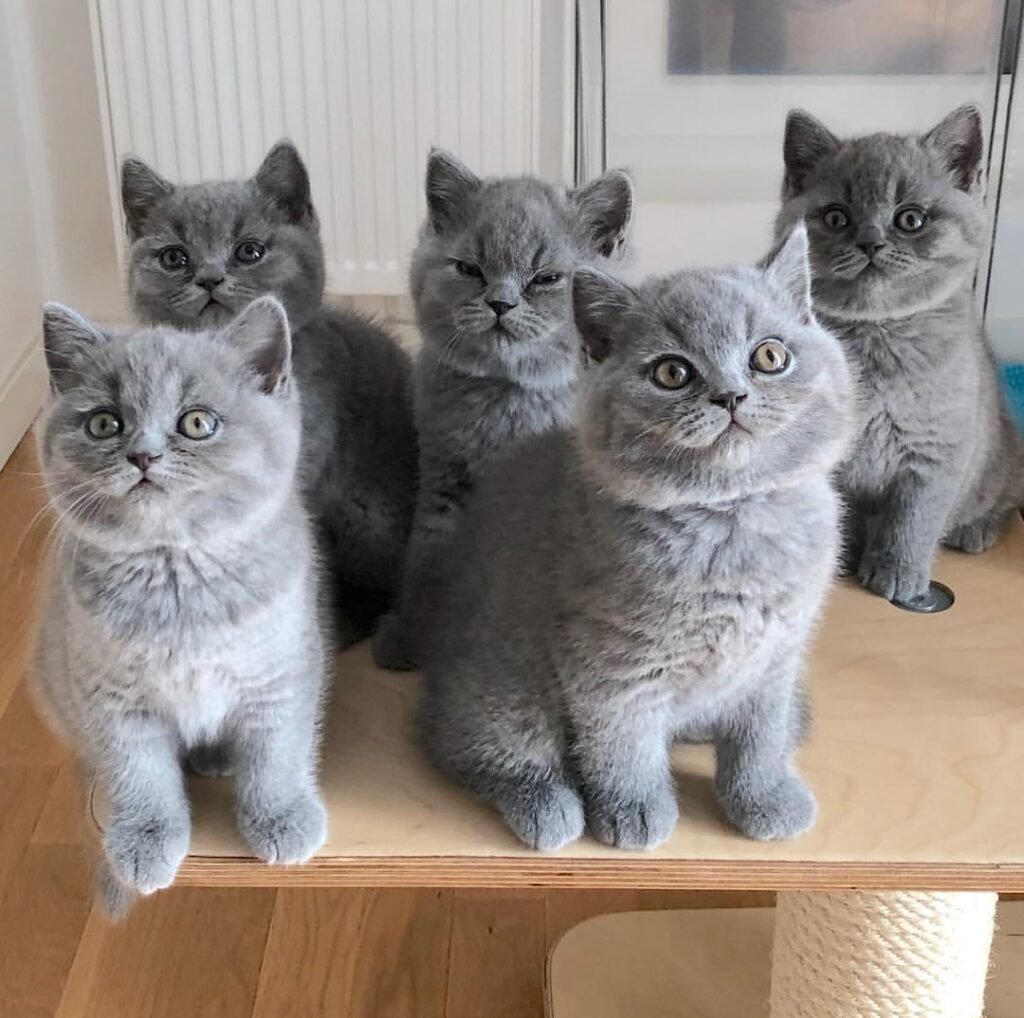
Bringing a British Shorthair kitten into your home is an exciting decision, but it comes with a range of financial considerations that prospective pet owners should fully understand. Known for their distinctive looks and charming personalities, these cats are increasingly popular, which can influence their price. In this article, we will explore the various costs associated with acquiring a grey British Shorthair kitten, from the initial purchase price and the impact of breeder reputation to ongoing care expenses and potential hidden costs. By understanding these factors, you can make a well-informed decision and ensure that you’re prepared for the long-term commitment of pet ownership.
Overview of the British Shorthair Breed
The British Shorthair is not just a cat; it’s a fluffy ball of charm wrapped in a plush coat. Known for its round face, dense fur, and chubby cheeks that could rival any baby’s, this breed’s adorable looks have made it a favorite among pet lovers. They come in a variety of colors, but the grey British Shorthair is especially sought after for its regal appearance.
Physical Characteristics
These stocky cats have a sturdy build with short legs and a broad chest, giving them an unmistakable presence. Their round, copper-colored eyes can melt even the iciest of hearts, and their plush, thick coat provides not only warmth but also an irresistible urge to pet them. And don’t forget that signature smile that seems to say, “I know I’m cute, let’s cuddle.”
Temperament and Behavior
British Shorthairs are the definition of chill. They’re laid-back, friendly, and quite sociable—but don’t expect them to be overly clingy. They appreciate their human’s company but are just as content lounging alone. With a playful side that can typify their kitten years, they often grow into dignified adults that balance playful antics with an air of sophistication. They’re the perfect companions for someone who enjoys a good mix of affection and independence.
Popularity and Demand
With their endearing qualities and classic good looks, it’s no wonder these cats have skyrocketed in popularity. They seem to have mastered the art of being both adorable and stately, which has made them a top pick in various countries. This demand, however, often translates to a higher price tag for prospective kitten parents. So, if you’re smitten, be prepared to join the race with many others vying for the fluffy love of a British Shorthair.
Factors Influencing the Cost of a Kitten
When it comes to acquiring a British Shorthair kitten, sticker shock can come swift and uninvited. Several factors play into how much you’ll end up shelling out, so let’s break down the major players in this financial feline fiesta.
Age and Gender
Typically, younger kittens come with a heftier price tag than older ones because they’re the pint-sized bundles of joy everyone wants. As for gender, female kittens tend to be more sought after for breeding, which can drive up their cost compared to their male counterparts. The laws of supply and demand are pawsitively at play here!
Pedigree and Lineage
The ancestry of a kitten can significantly impact its price. Purebred British Shorthairs with champion lineage can set you back considerably more than those without pedigree papers. It’s like the difference between a celebrity’s offspring and your neighbor’s cat—one has the lineage that could grace cat shows, while the other just has a penchant for hanging out in cardboard boxes.
Location and Market Trends
Where you live matters! Prices can fluctuate dramatically based on local demand and availability. Urban areas with limited breeders often see higher costs, while rural areas may offer more reasonable prices. However, don’t forget that transportation costs and logistics can add to the final bill, so be sure to factor those in!
Breeder Reputation and Its Impact on Pricing
When you’re parting with your hard-earned cash, the credibility of the breeder you choose can make all the difference—not just for your wallet, but for your kitten’s future.
Assessing Breeder Credentials
Before you sign the check, it’s essential to vet the breeder. Look for those who are registered with reputable feline organizations, and don’t be shy to ask for references or even visit in person. A good breeder will gladly share their credentials and demonstrate their commitment to ethical breeding practices.
Benefits of Choosing a Reputable Breeder
Opting for a reputable breeder often means your kitten will be healthier, better socialized, and free from inherited genetic issues. Plus, you’ll likely receive documentation regarding vaccinations and health screenings, ensuring you’re not just adopting a fluffball but a well-rounded companion. After all, a reputable breeder is like that trusted friend who always brings the best snacks to the party—you just know you’ll end up with something great!
Health Checks and Vaccinations: What to Expect
Knowing what health checks and vaccinations your new kitten needs is crucial for ensuring a long, healthy life together. Here’s what you can expect on this vital journey.
Initial Health Screenings
Before bringing home your furry friend, it’s essential that they undergo a thorough health check. A reputable breeder will typically provide initial health screenings to ensure your kitten is in tip-top shape. This includes assessments for common conditions like feline leukemia and feline immunodeficiency virus, so you can rest easy knowing you’re not adopting a future health problem.
Required Vaccinations
Your little grey companion will require a few vital vaccinations to kick start their immune system—think of it as their superhero serum! Core vaccines typically include those for feline distemper, calicivirus, and rhinotracheitis. Be sure to ask the breeder about what vaccinations your kitten has already received and what additional ones are needed once they join your home.
Genetic Testing for Inherited Conditions
Some breeds, including our beloved British Shorthairs, can be prone to certain inherited health issues. Reputable breeders often conduct genetic testing to rule out conditions like hypertrophic cardiomyopathy (HCM). This proactive approach not only protects your future furball from potential heartbreak but also gives you peace of mind as a responsible pet parent.
Initial Supplies and Setup Costs
Essential Kitten Supplies
When you bring home a grey British Shorthair kitten, it’s like opening a treasure chest of responsibilities. First on your shopping list should be the basics: a litter box, a scratching post, toys (lots of them—kittens have energy levels that could rival a toddler on sugar), and a cozy bed. Budget around $100 to $200 to cover these essentials and ensure your furry friend has everything they need to feel right at home.
Cost of Quality Food and Nutrition
Now that you’ve set up the home sweet home, it’s time to talk about what’s going into that adorable little tummy. High-quality cat food is crucial for your kitten’s growth, health, and happiness. Expect to spend about $30 to $60 a month on premium cat food. Cheaper options may save you a buck now, but your kitten will thank you later for that extra nutritious boost.
Creating a Safe Environment
Kittens are curious little creatures, and their exploration skills are top-notch. To keep your grey British Shorthair safe, you’ll want to tidy up any potential hazards. This means securing cords, stashing away breakables, and locking away any cleaning supplies that might cause harm. While it’s hard to put a price tag on peace of mind, consider budgeting around $50 to $100 for safety gear and supplies. It’s a small price for the joy of keeping your new friend safe!
Long-term Financial Commitment: Care and Maintenance
Routine Veterinary Care
Just like humans, kittens require regular check-ups to ensure they’re growing healthy and strong. Routine vet visits typically cost between $100 and $300 annually, depending on vaccinations and other preventive care. Think of it as a necessary investment; after all, you wouldn’t want your fur baby to miss out on a chance to strut their stuff at the vet, would you?
Grooming Needs
British Shorthairs have a luxurious coat but don’t let that fluff fool you—they require grooming too! While they aren’t as high-maintenance as some long-haired breeds, a brushing session once a week is ideal to prevent mats and keep their coat shiny. Expect to spend around $10 to $20 a month on grooming supplies like brushes, and don’t forget about occasional professional grooming, which can run up to $50 a session.
Food & Supplies on a Monthly Basis
Feeding your kitten isn’t just a one-time expense; it’s a monthly affair! Alongside food, you’ll need to stock up on litter, toys (because they’ll chew through these like candy), and other supplies like treats. Plan for about $50 to $100 per month to ensure your kitty gets the royal treatment they deserve. Remember, a happy kitty equals a happy human!
Potential Hidden Costs to Consider
Emergency Veterinary Expenses
Life is unpredictable, and emergencies can happen—like your kitten deciding that a house plant looks like a tasty snack (hint: it’s totally not). Setting aside an emergency fund of about $500 to $1,000 for unexpected vet visits is wise. Trust us, it’s much better to be prepared than to scramble for cash when little Whiskers needs an urgent trip to the vet.
Pet Insurance Options
While not a hidden cost per se, pet insurance is often overlooked. Rates vary, but many plans run between $20 to $50 a month. Investing in pet insurance can save you bundles in the case of accidents or medical issues, giving you that sweet peace of mind to enjoy your time with your new feline friend.
Travel and Boarding Costs
Planning a getaway? Don’t forget about your kitten’s accommodations! Boarding costs can range from $15 to $50 per day, depending on the facility and services provided. If a friend or family member isn’t available to cat-sit, this is something to factor into your travel budget. Because let’s face it, leaving your kitten behind is the hardest part of any vacation!
Conclusion: Making an Informed Decision
Evaluating Your Budget
Before you dash off to adopt that adorable grey British Shorthair kitten, take a moment to evaluate your budget. From initial setup costs to ongoing expenses and hidden costs, it’s crucial to be prepared. Create a spreadsheet if you must, but honestly, just make sure your finances align with your kitten dreams—because a financially strained owner won’t make for a happy home!
Assessing Your Commitment to Pet Ownership
Finally, ask yourself: are you ready for the long-term commitment of pet ownership? Kittens aren’t just cute faces; they’re little furry beings that require love, care, and a whole lot of attention for their entire lifespan. If you’re ready to bond with your new grey British Shorthair and can embrace the purrs and the expenses alike, welcome to the wonderfully chaotic world of kitty parenthood! In conclusion, buying a grey British Shorthair kitten involves more than just the initial purchase price; it requires careful consideration of various factors that contribute to the overall cost of pet ownership. By taking the time to evaluate your budget, understanding the expenses involved, and choosing a reputable breeder, you can ensure a smooth transition for both you and your new feline friend. Ultimately, being well-informed will help you provide a loving and stable home for your kitten, allowing you to enjoy the many rewards that come with having a British Shorthair in your life.
FAQ
1. What is the average cost of a grey British Shorthair kitten?
The average cost of a grey British Shorthair kitten can range from $1,200 to $3,000, depending on factors such as pedigree, breeder reputation, and geographic location.
2. Are there any ongoing costs associated with owning a British Shorthair?
Yes, ongoing costs can include routine veterinary care, high-quality food, grooming supplies, and pet insurance. It’s essential to budget for these expenses to ensure your kitten’s well-being.
3. How can I find a reputable breeder?
You can find a reputable breeder by researching online reviews, visiting breeder websites, and asking for recommendations from local veterinarians or cat clubs. Always meet the breeder in person and inspect the living conditions of the kittens.
4. What should I consider before bringing a British Shorthair kitten home?
Before bringing a kitten home, consider your budget, living situation, and lifestyle. Ensure you have the time and resources to provide proper care, socialization, and a safe environment for your new pet.