
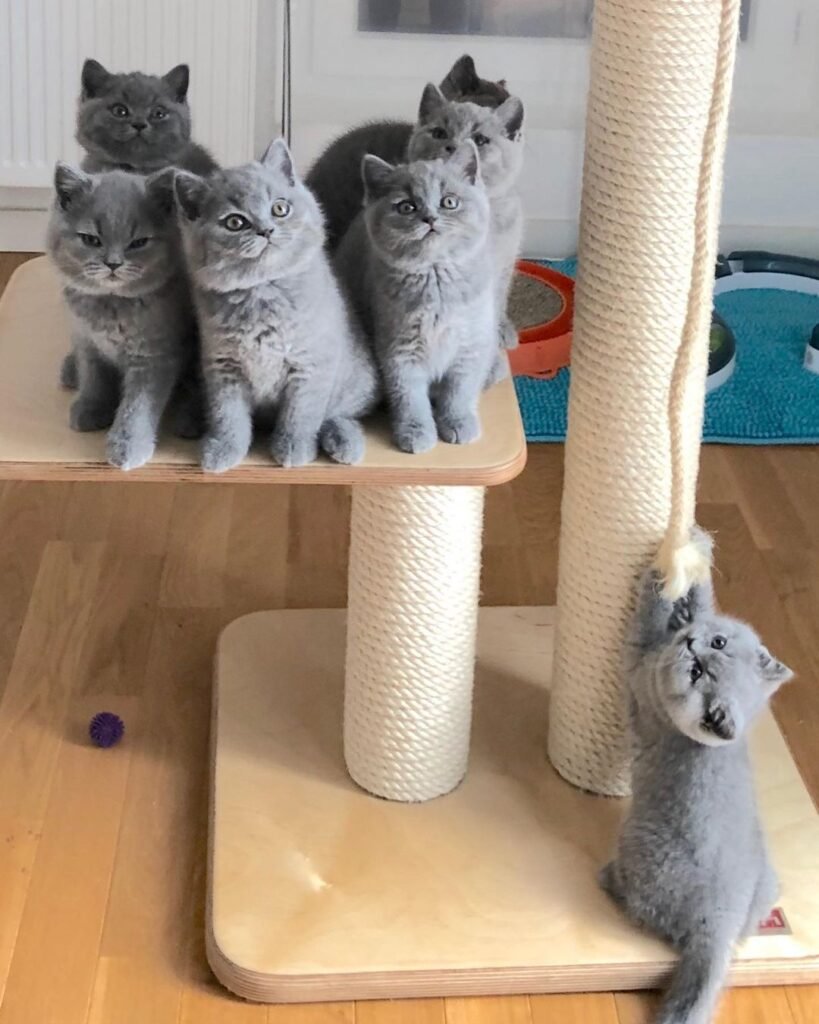
Grey British Shorthair kittens are renowned for their striking appearance, charming personalities, and affectionate nature, making them one of the most sought-after breeds among cat enthusiasts. With their plush, dense coats and round faces, these kittens are not only adorable but also possess a unique temperament that blends playfulness with independence. Whether you are a first-time pet owner or looking to expand your furry family, the Grey British Shorthair offers a perfect balance of companionship and low-maintenance care. In this article, we will explore the various qualities that make these delightful kittens exceptional pets, from their health and care requirements to their adaptability in different living environments.
Introduction to Grey British Shorthair Kittens
Overview of the Breed
The Grey British Shorthair is like the suave gentleman of the cat world, sporting a plush coat of alluring grey fur and a round face that could charm the socks off anyone. This breed is one of the oldest in the UK, boasting a rich history that dates back to the Roman Empire. With their stocky build and sturdy frame, they are the ultimate embodiment of ‘cuddly yet capable.’ Whether you’re looking for a lap warmer or a playful companion, these kittens are sure to deliver.
Characteristics of Grey British Shorthairs
One look at a Grey British Shorthair, and you’ll be captivated by those big, round copper or gold eyes that seem to hold all the wisdom in the world—or perhaps just the secrets to napping effectively. Their short, dense coat is not just a pretty facade; it provides warmth and comfort, making them the perfect cuddle buddy. Add in a broad head, chubby cheeks, and an overall teddy bear-like appearance, and you have a feline that’s as delightful to look at as they are to snuggle.
Temperament and Personality Traits
Affectionate and Loyal Nature
Grey British Shorthairs are like that dependable friend who always has your back. They thrive on companionship and are known for their loyalty. Don’t be surprised if your kitten follows you from room to room or greets you at the door like a long-lost buddy. Their love might not come in the form of loud purrs or frenzied headbutts, but a gentle nudge or a soft curl beside you speaks volumes.
Playful Yet Independent
These kittens have mastered the art of balancing playfulness with independence. One minute they’re frolicking around like a tiny whirlwind, and the next, they’re lounging in the sun, plotting their next move (or just dreaming about kibble). They are curious creatures who enjoy a good play session, but they also appreciate their alone time—because even kitties need to recharge their social batteries.
Adaptability to Family Life
If you’re looking for an easygoing family member, a Grey British Shorthair fits the bill. They adapt seamlessly to various living situations, whether that’s a bustling household filled with kids or a quieter apartment. Their calm demeanor makes them great companions, able to handle the chaos or tranquility with grace. Plus, they’re usually cool with sharing their territory—just as long as you don’t try to take their favorite sunspot!
Health and Care Requirements
Common Health Issues
While Grey British Shorthairs are typically robust, they can be prone to certain health issues like hypertrophic cardiomyopathy (HCM) and obesity. Regular monitoring and a watchful eye on their weight can help keep them sprightly. Keeping an eye on those big, beautiful eyes and ensuring they’re bright and healthy is also essential. A little pampering here and there goes a long way!
Nutrition and Diet
Feeding your Grey British Shorthair is no small feat—those fluffy appetites can be insatiable! A balanced diet with high-quality cat food, rich in protein, is crucial. Avoid the temptation to turn them into little chubby cuties (as adorable as that sounds) by sticking to portion control and avoiding excessive treats. Because let’s be honest, a healthy kitty is a happy kitty!
Regular Veterinary Check-ups
Just as you schedule your yearly doctor’s visit, don’t forget about your furry friend! Regular veterinary check-ups can help spot potential health issues before they become serious. Vaccinations, dental care, and routine exams are vital in keeping your Grey British Shorthair in tip-top shape. Plus, they might just win ‘Best Patient’ at the vet’s office with their charming demeanor.
Ideal Living Conditions
Space Requirements
Grey British Shorthairs don’t need an Olympic swimming pool to thrive, but they do appreciate a comfortable space to roam and stretch out. A cozy apartment or a house with a bit of room will do just fine. Providing scratching posts, climbing trees, and sunny spots will help keep them entertained and happy. Think of it as creating their very own feline resort!
Indoor vs. Outdoor Living
While some cats dream of frolicking in the great outdoors, Grey British Shorthairs tend to prefer the cushy life inside. They are well-suited for indoor living, where they can avoid all the outdoor dangers (like squirrels, cars, and that pesky rain). Outdoor time can be arranged—supervised, of course—so they can sniff the fresh air without going full explorer mode.
Creating a Safe Environment
Creating a safe haven for your Grey British Shorthair is crucial. Ensure windows and balconies are secure to prevent any daredevil escapes, and keep harmful plants and chemicals tucked away. Adding comfy beds, toys, and scratching posts helps establish a cozy lair where your feline friend can lounge, play, and plot world domination (or just nap). In short, a little human effort goes a long way in ensuring a purr-fect living space!
Training and Socialization Tips
Basic Commands and Behavior Training
Training your Grey British Shorthair kitten can be as simple as getting them to come when called—with a treat or two, of course! Start with basic commands like “sit” and “stay.” Use positive reinforcement; think of it as their version of a gourmet meal. Consistency is key, as is a sprinkle of patience. These little fluffballs may be a bit stubborn, but a few yummy snacks can make you their favorite human in no time!
Socialization with Other Pets
Introducing your Grey British Shorthair to other pets requires a delicate touch. Start slow—let the fur babies sniff each other out like they’re on a very important investigative mission. Supervise initial interactions to ensure there’s no feline drama. British Shorthairs tend to be calm and sociable, but they like to feel in control. By allowing everyone to meet on neutral ground, you’re setting the stage for a harmonious household—think less catfight, more kitty cuddle puddle.
Understanding Body Language
Cats are masters of subtlety, and your British Shorthair is no exception. Pay attention to those tiny signals; a twitching tail or flattened ears can speak volumes. An upright tail often means a happy kitty, while slow blinks can be their way of saying “I love you.” By learning to interpret these signs, you’ll not only improve communication but also strengthen your bond. Just remember, when they give you “the look,” they’re likely planning their next nap spot—not plotting world domination.
Bonding with Your Grey British Shorthair
Building Trust and Affection
Building trust with your Grey British Shorthair is like winning over a grumpy cat stuck in a rainy day: it takes time. Be patient, approach gently, and let them come to you on their terms. Use treats to forge that trust—think of it as bribery, but with delicious goodies. Over time, those cautious meows will turn into eager purrs as they snuggle up to you, wondering how they ever lived without your warm lap.
Engaging Activities and Playtime
While British Shorthairs can sometimes be couch potatoes, they do enjoy a good game of chase! Dangle a feather toy or roll a ball to get those playful instincts kicked in. Interactive toys can keep their brains sharp and their bodies entertained, turning your living room into a mini kitty playground. Just watch out for flying paws—you might find yourself as their unsuspecting target!
Cuddling and Comforting Techniques
When it comes to cuddling, British Shorthairs are like snuggly little clouds. Create a cozy environment with warm blankets and soft spots for them to curl up in. If they seem a bit skittish, try gently petting them in their favorite spots—typically around the chin or behind the ears. Always let them dictate how much affection they want; after all, they’re the ones in charge of the cuddle schedule, not you!
Common Misconceptions
Myths about Temperament
Ah, the myths surrounding British Shorthairs—varying from aloofness to being sassy little divas. In reality, they’re known for their gentle and affectionate nature. Sure, they might have a regal demeanor, but they’re also quite the charmers once they feel comfortable. They’re not kittens for drama; they prefer a cozy life filled with love and the occasional sunbeam to nap in.
Understanding Grooming Needs
Many people think British Shorthairs are high-maintenance when it comes to grooming. While their plush coats are certainly luxurious, they don’t require daily grooming sessions—cue the sigh of relief! A good brushing once a week usually does the trick to keep their fur looking fab and to minimize shedding. Their occasional need for pampering will pay off in fewer fur tumbleweeds roaming your home.
Misunderstanding Their Independence
People often assume that British Shorthairs are solitary creatures who prefer to be left alone. In truth, they cherish independence but also adore companionship. They’re the type of cats that will hang out with you while you cook, but they’re also okay with solo time when they want to recharge. It’s all about balance—like enjoying a cupcake while pretending it’s healthy!
Conclusion: The Perfect Pet for Any Household
Recap of Benefits
Grey British Shorthair kittens genuinely make fantastic pets. They’re playful, affectionate, and their charming personalities brighten up any room. With the right training and socialization, they can fit seamlessly into any household, bringing joy and maybe a few whisker scratches along the way.
Final Thoughts on Adoption
Adopting a British Shorthair means welcoming a fluffy bundle of joy into your life. So take a moment to consider adopting one instead of shopping—there are plenty of these delightful kittens waiting for their forever homes, just bursting with personality and ready to steal your heart (and your spot on the couch).
Encouraging Responsible Pet Ownership
Remember, bringing a kitten into your life is a long-term commitment. Ensure you’re prepared for all that cuddling, feeding, and, yes, even the occasional grooming. Being a responsible pet owner means giving your Grey British Shorthair a loving and stable environment where they can thrive and, of course, plot to take over your heart!In conclusion, Grey British Shorthair kittens truly embody the ideal pet for many households, thanks to their loving nature, manageable care needs, and delightful personalities. By understanding their requirements and fostering a strong bond, you can ensure a happy and fulfilling life together. Whether you’re welcoming one of these charming kittens into your home or considering adding to your family, their unique qualities will undoubtedly enrich your life with joy and companionship.
Frequently Asked Questions
1. How do I care for a Grey British Shorthair kitten?
Caring for a Grey British Shorthair kitten involves providing a balanced diet, regular veterinary check-ups, proper grooming, and plenty of socialization and playtime to help them develop well.
2. Are Grey British Shorthairs good with children and other pets?
Yes, Grey British Shorthairs are known for their friendly and adaptable nature, making them great companions for children and other pets, provided they are properly socialized from a young age.
3. Do Grey British Shorthairs require a lot of grooming?
While their dense coats may seem high-maintenance, Grey British Shorthairs only require regular brushing to manage shedding and keep their fur healthy, making them relatively low-maintenance in terms of grooming.
4. What is the typical lifespan of a Grey British Shorthair?
With proper care, a Grey British Shorthair can live between 12 to 20 years, showcasing their resilience and the importance of regular health check-ups to ensure a long, healthy life.