
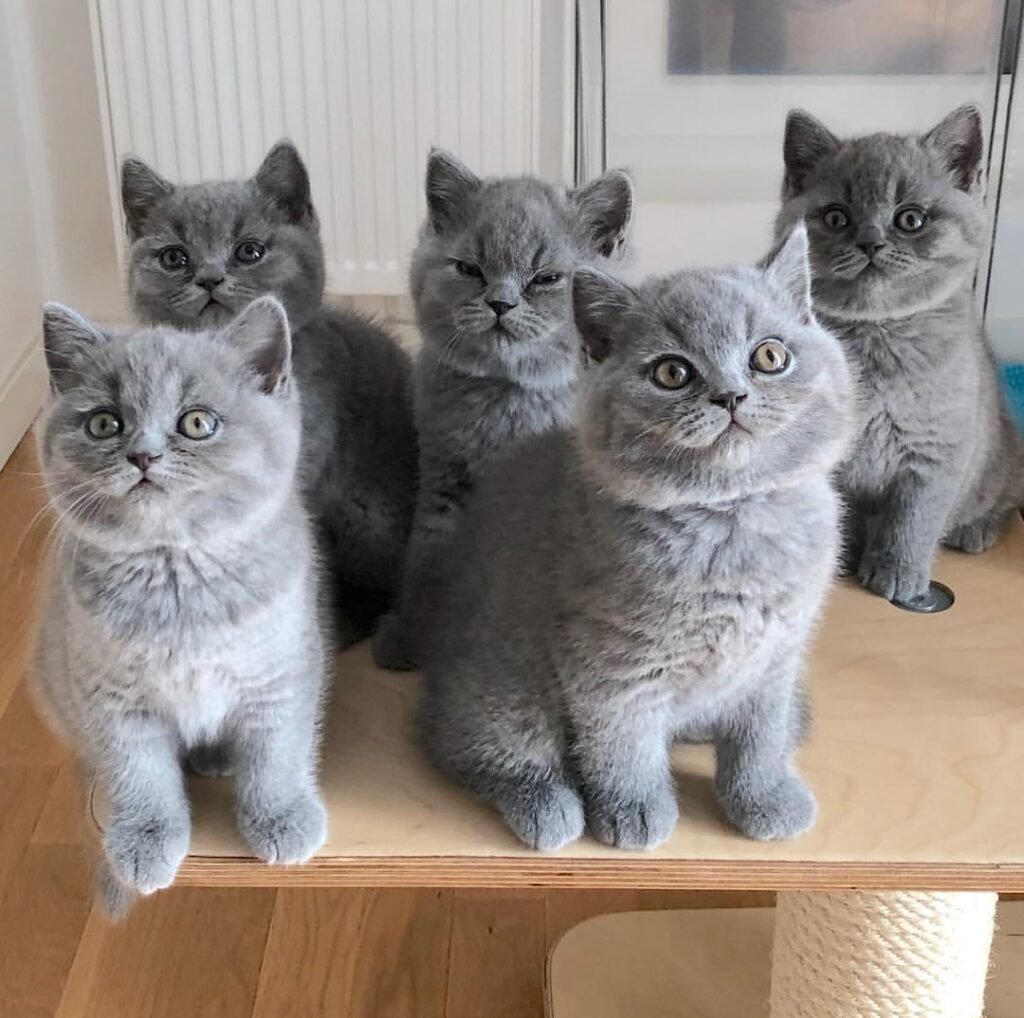
Choosing a healthy Grey British Shorthair kitten is a rewarding yet crucial decision for prospective cat owners. Known for their striking appearance, affectionate nature, and playful demeanor, Grey British Shorthairs are a beloved breed among feline enthusiasts. However, ensuring that you select a healthy kitten requires careful consideration of various factors, from understanding the breed’s unique characteristics and health indicators to evaluating breeder credentials and preparing your home. This guide will provide you with essential insights and practical advice to help you make an informed choice, ensuring that your new furry friend starts off on the right paw.
Understanding the Grey British Shorthair Breed
History and Characteristics
The Grey British Shorthair boasts a rich history dating back to the Roman era when these charming felines were brought to Britain to keep the rodent population in check. Over the centuries, they became beloved companions, known for their sturdy build, round faces, and plush coats. With a blend of ruggedness from their working cat roots and appealing aesthetics, these cats embody the perfect mix of beauty and brawn—like a furry superhero, but without the spandex.
Distinctive Features of the Grey Coat
When it comes to their coat, the Grey British Shorthair is a sight to behold! Their gray fur is usually plush, dense, and beautifully soft, giving off the appearance of a cozy cloud just waiting for you to snuggle in. The hue can vary from a light ash to a darker slate, and that iconic “blue” coat is often accompanied by striking copper or gold eyes. It’s a color combination that leaves you wondering if this kitty just stepped out of a fancy photoshoot.
Personality Traits and Temperament
If you’re looking for a charming companion, the Grey British Shorthair doesn’t disappoint. These felines are known for their calm, composed demeanor, often more “chill” than your average housemate. They enjoy a balance of independence and companionship, so while they won’t demand your attention 24/7, they’ll certainly appreciate a good cuddle when they’re in the mood. Expect a loyal friend with a sprinkle of mischief and a knack for judging your life choices from afar.
Key Health Indicators in Kittens
Physical Appearance and Condition
When eyeing potential new furry family members, paying attention to physical characteristics is key. Healthy Grey British Shorthair kittens should have a robust and well-proportioned body, with round faces and full cheeks. Their eyes should be bright and clear, not cloudy or watery, and their coats should be free from mats and excessive grease. Remember, no one wants a kitty that looks like they just rolled through a mud puddle.
Signs of Good Health
A healthy kitten is a happy kitten! Look for a playful and energetic demeanor—if they’re zooming around your living room like it’s the Indy 500, you’re off to a good start. Also, check for shiny fur, moist noses, and clean ears; these are all signs of a thriving little furball. And let’s not forget the all-important litter box check—peeking at their bathroom habits can reveal a lot about their health.
Common Health Issues in British Shorthairs
While the Grey British Shorthair is generally sturdy, they aren’t invincible. Keep an eye out for common health issues like hypertrophic cardiomyopathy (a fancy term for heart disease) and obesity. These cats love their food, so portion control is essential unless you want a fluffy couch potato! Regular vet check-ups will help in catching any potential problems early, keeping your kitty’s heart and waistline in check.
Evaluating Breeder Credentials
Finding Reputable Breeders
Finding a trustworthy breeder is like searching for a needle in a haystack, but once you find one, it’s totally worth it. Look for breeders who prioritize the health and temperament of their cats, preferably those registered with recognized cat associations. A good breeder will have a passion for the breed, be knowledgeable about genetics, and provide a clean, loving environment for their kittens—a true kitty palace!
Questions to Ask the Breeder
Don’t be shy! When you talk to a breeder, remember that this is a two-way street. Ask about the kitten’s health history, socialization practices, and any genetic testing done on the breeding pairs. Inquire about the parents’ temperament and health records. And yes, feel free to drop a sneaky question about their favorite snacks—who wouldn’t want to know what motivates their future fluffball?
Understanding Genetic Testing
Genetic testing might sound like something out of a sci-fi movie, but it’s crucial when it comes to ensuring a healthy kitten. This testing can reveal potential genetic predispositions to health issues within the breed. A responsible breeder will perform these tests to minimize risks and provide peace of mind. Just think of it as a little insurance policy for your new fuzzy friend—always a good idea!
Assessing Kitten Temperament and Behavior
Socialization with Humans and Other Pets
When choosing a kitten, it’s essential to observe how they interact with humans and other animals. A well-socialized Grey British Shorthair should be curious and friendly, not hiding in the corner like it’s auditioning for a horror film. Look for signs of confidence and playfulness; they should be comfortable exploring new environments and interacting with various people (and possibly a few well-behaved dogs).
Behavioral Red Flags to Watch For
While every kitty has their quirky moments, some behaviors can ring alarm bells. If a kitten displays excessive aggression, fearfulness, or a tendency to hide all the time, you might want to reconsider. These traits can indicate stress or poor socialization. It’s important to select a kitten whose personality aligns with your lifestyle—nobody wants a feline diva acting as a drama queen in the house!
Playfulness and Energy Levels
The Grey British Shorthair is known for being playful, so look for a kitten that engages in playtime! They should show interest in toys, pounce around, and generally embrace their inner goofball. However, every kitten has different energy levels, and finding one that matches yours is key. If you’re more of a couch potato while they’re a bundle of energy, it could lead to a not-so-fun game of “how many times can I bring you toys before you give up.” Balance is essential!
Nutrition and Diet Considerations
Choosing the Right Kitten Food
When it comes to selecting kitten food for your future feline overlord, think quality, not just quantity. Look for high-protein options that list real meat as the first ingredient. Remember, kittens are growing at a rapid pace—much like your to-do list when you promise yourself “just one more episode” on Netflix—so they need a diet rich in nutrients. Brands that offer balanced formulas tailored for kittens will provide the essential proteins, fats, and vitamins they require to grow into majestic furry companions.
Understanding Feeding Schedules
Kittens thrive on routine, much like we do when we watch the latest cat memes. For those tiny, energetic bundles of joy, feeding them 3-4 times a day will keep their energy and moods stable. A regular feeding schedule not only helps with digestion but also prevents those dramatic meowing sessions that can occur when they think they’re about to starve. As they grow and mature, you can gradually decrease to two meals a day, giving you more time for those Netflix binges.
Managing Weight and Growth
Ah, the delicate balance of kitten chub and healthy growth. Monitor your furry friend’s weight closely; it shouldn’t be a guessing game but rather a well-documented journey. Regular weigh-ins will help you determine if your kitten is growing too quickly (not ideal) or not enough (also not ideal). Adjust their food portion sizes accordingly, aiming for a healthy weight that keeps those adorable rolls intact while also ensuring they can fit through the cat door without a struggle.
Vaccination and Health Screening
Essential Vaccinations for Kittens
Kittens are like tiny sponges—soaking up love and cuddles but also needing a good dose of vaccinations to stay healthy. Vaccines protect against nasty diseases like feline viral rhinotracheitis and panleukopenia. Start your kitten’s vaccination schedule early, usually around 6-8 weeks, and keep up with follow-ups. Trust us, a tiny jab beats an unexpected visit to the vet for something far worse.
Regular Health Check-ups
Just like you wouldn’t skip your dentist appointment, your kitten deserves regular health check-ups too! Annual vet visits help ensure they stay healthy and happy. The vet can catch any health issues before they become problematic and will help you maintain that feline charm. Plus, nothing beats the feeling of knowing you’re doing everything possible to keep your fur baby in top shape.
Preventative Care and Worming
Let’s talk worms. (Yes, those little things that just love to crash the party uninvited.) Regular worming is key to keeping your kitten healthy. Your vet will recommend the right worming schedule based on your kitten’s age and lifestyle. Don’t skip this step; after all, we don’t want any unwanted guests at your kitten’s birthday party. Keeping up with preventative care—like flea control—will also ensure that they can frolic in the sun without the constant itchiness that makes them question life choices.
Preparing Your Home for a New Kitten
Creating a Safe Environment
Before introducing your furry friend into the wild terrain of your home, it’s crucial to create a safe environment. Clear away any dangerous items that your curious kitty might be tempted to investigate, including toxic plants, cords, and anything that might cause a “uh-oh” moment. Consider kitten-proofing rooms by blocking off small spaces where they might get stuck, and don’t forget to hide any snacks that they might mistake for a buffet!
Essential Supplies for Your Kitten
Your kitten might not have a credit card yet, but they still need their essentials! Stock up on the basics: a litter box (with unscented litter, please), scratching posts, food dishes, and cozy spots for napping. Don’t forget toys—kittens need stimulation, and you’ll need something to distract them from climbing your curtains. A comfy bed is also a must; after all, a well-rested kitten is a happy kitten (and a well-rested you is a happy human).
Introducing Your Kitten to the Household
When it’s finally time to welcome your furball home, take it slow. Allow them to explore their new surroundings without overwhelming them. Set up a quiet space with their bed and litter box away from the hustle and bustle of daily life. Give them time to acclimate—think of it as their vacation before they become the ruler of the house. Gradually introduce them to all family members, including any other pets (with careful supervision, of course) to ensure everyone gets along and no feline turf wars break out.
Long-term Care and Health Monitoring
Routine Veterinary Visits
Once your kitty is settled, maintaining a routine of veterinary visits is vital. These check-ups will ensure they stay healthy and catch any potential issues early—you wouldn’t want to miss out on a chance to catch something before it becomes a “drama queen” situation. Discuss any concerns you have with the vet during these visits; they’re your partner in keeping your feline friend thriving for years to come.
Signs of Illness to Monitor
Be on the lookout for any changes in your kitten’s behavior—like sudden lethargy, changes in appetite, or any unusual vocalizations (beyond their usual dramatic meows). If you notice anything out of the ordinary, don’t hesitate to consult your vet. After all, nobody likes a sick kitty, and it’s better to be cautious than to risk a mini feline crisis.
Maintaining a Healthy Lifestyle
To keep your British Shorthair thriving, ensure they get regular playtime and mental stimulation. Engage them with toys, climbing structures, and interactive games. An active kitten is a happy kitten! Also, be mindful of their diet as they transition into adulthood; adjust their food portions to suit their activity levels and monitor their weight. Remember, a healthy lifestyle for your kitten now will translate into a happy, long life together. Now go forth and conquer the world, one purr at a time!In conclusion, selecting a healthy Grey British Shorthair kitten involves thoughtful consideration and informed decisions. By understanding the breed’s characteristics, evaluating health indicators, and working with reputable breeders, you can ensure a happy and healthy start for your new companion. Remember to invest time in preparing your home and maintaining regular veterinary care to support your kitten’s well-being as they grow. With the right approach, your journey with your Grey British Shorthair will be filled with joy and companionship for years to come.
Frequently Asked Questions
What should I look for in a healthy Grey British Shorthair kitten?
Look for clear eyes, clean ears, a shiny coat, and an alert demeanor. Additionally, check for a healthy weight and no signs of respiratory distress or gastrointestinal issues.
How can I find a reputable breeder for a Grey British Shorthair?
Research breeders through cat associations, read reviews, and ask for recommendations from fellow cat owners. A reputable breeder will provide health clearances, be transparent about their breeding practices, and encourage you to meet the kitten’s parents.
What vaccinations do Grey British Shorthair kittens need?
Kittens typically require a series of vaccinations starting at around 6-8 weeks of age, including those for feline viral rhinotracheitis, calicivirus, panleukopenia, and rabies. Consult with your veterinarian for a vaccination schedule.
How can I help my new kitten adjust to their new home?
Create a quiet, safe space for your kitten with essential supplies like food, water, and a litter box. Allow them to explore at their own pace, and spend time interacting with them to build trust and comfort in their new environment.