
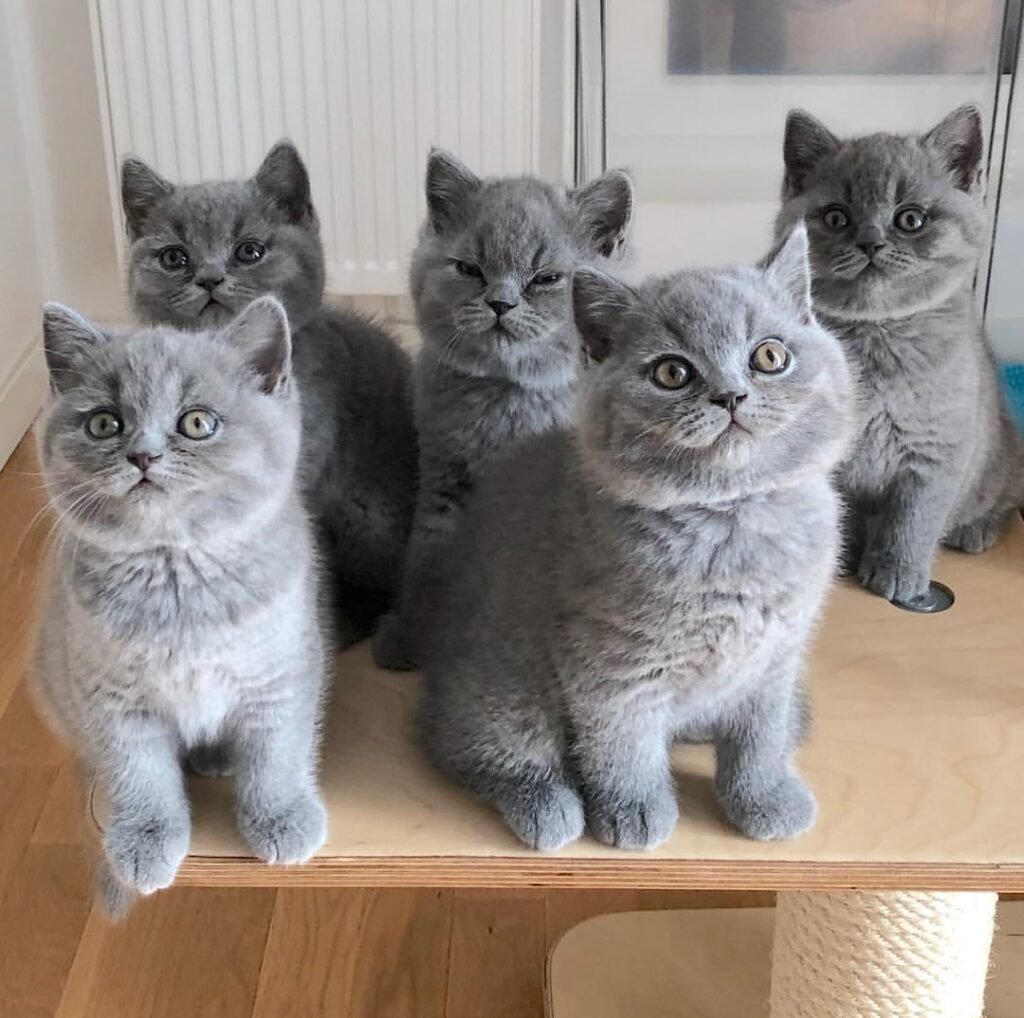
Welcoming a new grey British Shorthair kitten into your home is an exciting and rewarding experience. Known for their charming personalities and striking looks, these kittens quickly become beloved members of the family. However, ensuring that your new furry friend thrives involves more than just providing food and shelter. From understanding the unique traits of the breed to preparing your home and establishing a routine, proper care is essential for your kitten’s health and happiness. This guide will walk you through everything you need to know to give your new companion the best start in life.
Understanding the British Shorthair Breed
History and Origins
The British Shorthair has a history that’s as rich as a cup of Earl Grey. Believed to have descended from Roman cats brought to Britain around 43 AD, these felines have evolved through centuries to become the sturdy and charming companions we adore today. Initially, they were admired for their hunting prowess, but over time, they’ve snatched our hearts instead!
Temperament and Personality Traits
Expect a British Shorthair to be as laid-back as a Sunday afternoon. They’re generally easygoing, calm, and social – perfect for a cozy evening on the couch. While they enjoy the occasional playful romp, they’re not overly demanding of attention, making them excellent companions for busy folks who still want a furry friend by their side.
Common Physical Characteristics
With their plush coats and round, chubby cheeks, British Shorthairs are often likened to living teddy bears. Their dense, velvety fur comes in various colors, but let’s face it, that iconic grey is simply unforgettable. They tend to have a sturdy build, broad faces, and those signature big, round eyes that can melt even the toughest of hearts.
Preparing Your Home for a New Kitten
Creating a Safe Space
Every kitten needs its own sanctuary! Find a quiet corner in your home where your new grey buddy can relax and feel secure. A cozy bed, a few soft blankets, and some toys should do the trick. Just avoid any high-traffic areas where your adorable furball might end up as part of a mini traffic jam!
Designating a Play Area
Your kitten is going to need a designated playground – think of it as their personal amusement park (minus the cotton candy). Set up an area with plenty of toys, climbing structures, and even some cardboard boxes. They’ll have endless fun ~ and you’ll have endless laughs watching them go bonkers.
Kitten-proofing Your Home
Kitten-proofing is just like baby-proofing, but with a lot more pouncing. Ensure that dangerous items like electrical cords, toxic plants, and small objects are out of reach. Also, think of securing heavy furniture that could easily become a launching pad for aerial acrobatics. It’s a jungle out there, and your kitten will be the king or queen!
Essential Supplies for Your Grey British Shorthair
Food and Water Bowls
Opt for shallow, wide bowls to prevent whisker fatigue (yes, that’s a thing!). Stainless steel or ceramic is often best, as it’s durable and easy to clean. Plus, you’ll want something that matches your décor — because who said cat supplies can’t be stylish?
Cat Litter and Box
Choose a litter box that’s spacious enough for your future feline superstar. You might want to try clumping litter for easy cleanup. Litter box location is also key — it should be a quiet, private spot to ensure that your cat feels comfortable doing their business.
Toys and Enrichment Items
From feather wands to laser pointers, toys are essential for keeping your kitten engaged and entertained. Invest in a variety to stimulate their hunting instincts. Don’t forget puzzle toys that dispense treats; they can challenge your kitten’s cleverness while keeping them entertained for hours!
Comfort Items: Beds and Blankets
A cozy bed is non-negotiable! Look for soft, washable options that suit your kitten’s size. Cats love warmth, so don’t hesitate to throw in a few blankets or even a cat cave for those days when they want to burrow and hide away from the world (because sometimes, a cat just needs their alone time).
Feeding and Nutrition Guidelines
Choosing the Right Kitten Food
Not all cat food is created equal! Look for high-quality kitten food that lists meat as the first ingredient. Kittens need the right balance of protein, fats, and vitamins to support their growth and playful antics. Consult your vet for recommendations catered to your specific kitten’s needs.
Feeding Schedule and Portion Control
Establish a consistent feeding schedule, typically three to four times a day for young kittens. Use the guidelines on the food packaging, but also keep an eye on your kitten’s body condition – nobody wants a kitty that resembles a rolling ball of fluff!
Understanding Dietary Needs
As your kitten grows, their dietary needs will change. Pay attention to any signs of allergies or digestive issues, and don’t hesitate to consult your vet. Kittens require more calories than adult cats, so it’s crucial to ensure they’re getting the nutrients they need for their playful explorations!
Socialization and Training Tips
Introducing Your Kitten to New Environments
When you bring home your new grey British shorthair kitten, think of them as a tiny explorer setting out on a grand adventure. Start with small introductions to various rooms in your house, allowing them to sniff around and get their bearings. Keep things low-key—too much commotion can be overwhelming. Gradually expose them to different sounds, smells, and people, praising them for their bravery. After all, every little pawstep into new territory deserves a reward!
Basic Commands and Behavior Training
It’s never too early to start instilling some manners! Simple commands like “sit” and “come” can be taught using treats and a gentle tone. Keep training sessions short and sweet—unless you want your kitten to plot a rebellion. Consistency is key, so practice daily, and don’t forget to lavish them with praise when they nail a command. Remember, you’re building a partnership, not a dictatorship!
Handling and Comforting Your Kitten
Your grey British shorthair might be a majestic fluffball, but they can also be a bit shy. Handling them gently will help build trust and comfort. Approach them slowly and let them come to you. When they’re in your lap, use slow strokes and soft words to create a cozy vibe. If they squirm, don’t take it personally; kittens have their own set of social rules. Respect their space, and they’ll eventually be your purring cuddle buddy.
Health Care and Regular Vet Visits
Understanding Vaccination Needs
Vaccinations are a critical part of keeping your kitten healthy and helping them conquer the world with confidence. Your vet will guide you on a vaccination schedule tailored for your little furball, which typically includes the standard kitty shots. It might seem like a lot of poking, but it’s worth it for a lifetime of purring companionship!
Parasite Prevention and Control
No one wants a furry friend that also brings fleas, ticks, or worms to the party. Discuss with your vet about the best preventive measures for your kitten. Regular treatments can be a game-changer, allowing your grey British shorthair to frolic in peace without unwelcome guests. Remember: prevention is better than a flea infestation dance party!
Recognizing Signs of Illness
Your kitten can’t exactly text you when they’re feeling under the weather, so it’s essential to stay alert. Watch for changes in eating habits, energy levels, or litter box behavior. If your kitty suddenly decides that hiding in a box is their favorite activity, it may be time for a vet visit. Trust your instincts—if something feels off, don’t hesitate to get professional advice. Better safe than sorry!
Grooming and Coat Maintenance
Brushing Techniques for Short Hair
British shorthairs have that lovely plush coat that screams “pet me!” but even they need a little maintenance. A soft-bristle brush once a week is perfect to remove loose fur and keep their coat shiny. Brush in the direction of hair growth, and don’t forget to offer treats for their cooperation; it’s a win-win situation! Plus, regular brushing is a great way to bond.
Bathing Your British Shorthair
Bathing may not be a frequent necessity for your kitty, but if they get into something particularly grubby, a bath might be called for. Use lukewarm water and cat-friendly shampoo, and be gentle; no one wants a soggy drama queen on their hands! With some patience and lots of treats, you can turn bath time into a fun bonding experience—sort of like a spa day without the cucumber slices.
Nail Trimming and Ear Cleaning
Like a tiny ninja, your kitten’s claws need regular trimming to avoid a surprise manicure-removal session on your favorite couch. Start early, using a cat nail clipper, and trim just the tips. For ear cleaning, a damp cotton ball works wonders; just be gentle and avoid digging too deep. Regular grooming not only keeps them looking sharp but also helps avoid any unexpected “oops” moments in your home.
Creating a Safe Environment for Play and Exploration
Indoor vs. Outdoor Considerations
While the great outdoors can be tempting, keeping your grey British shorthair indoors is generally safer. Indoor kitties are less exposed to dangers like traffic, predators, and the occasional surprise rainshower. Create an enriching indoor environment by providing climbing trees, interactive toys, and cozy nooks. If you do decide on outdoor time, consider a harness or catio—think of it as their own little outdoor kingdom, minus the risks.
Safe Toys and Playtime Activities
Your kitten needs playtime to stay happy and healthy, but not all toys are created equal. Opt for safe, sturdy toys that encourage their natural hunting instincts, like feather wands or crinkle balls. Rotate toys to keep things fresh—today’s favorite can become tomorrow’s forgotten relic! And don’t forget to join in the fun; nothing beats a good game of chase (or a human-powered string dance).
Monitoring Playtime and Interaction with Other Pets
Supervising playtime is essential, especially if you have other pets. Ensure that everyone plays nicely and that no one feels threatened. Watch for signs of stress or aggression and be ready to intervene if necessary. Mixing a new kitten with existing pets is like a reality show waiting to happen—just be the loving and watchful producer ready to step in if drama ensues!Caring for your new grey British Shorthair kitten is a fulfilling journey that requires time, patience, and love. By following the guidelines outlined in this article, you can create a nurturing environment that supports your kitten’s growth and well-being. Remember, every kitten is unique, so pay attention to their individual needs and personality. With your commitment and care, you’ll build a strong bond that will last a lifetime, bringing joy and companionship to your home.
Frequently Asked Questions
What is the typical temperament of a British Shorthair kitten?
The British Shorthair is known for its calm and friendly nature. They are typically affectionate, good-natured, and enjoy being around people, making them great companions.
How often should I take my kitten to the vet?
Kittens should have their first vet visit within the first few weeks of bringing them home. After that, follow-up visits for vaccinations and check-ups are usually scheduled every few weeks until they are about four months old, and then annually thereafter.
What should I feed my British Shorthair kitten?
A high-quality kitten food that is rich in protein and essential nutrients is recommended. Look for options specifically formulated for kittens to support their growth and development. Always consult your vet for personalized dietary advice.
How can I help my kitten adjust to their new home?
To help your kitten adjust, create a safe and quiet space for them to explore. Gradually introduce them to new areas and family members, and spend time playing and interacting with them to build trust and comfort.