
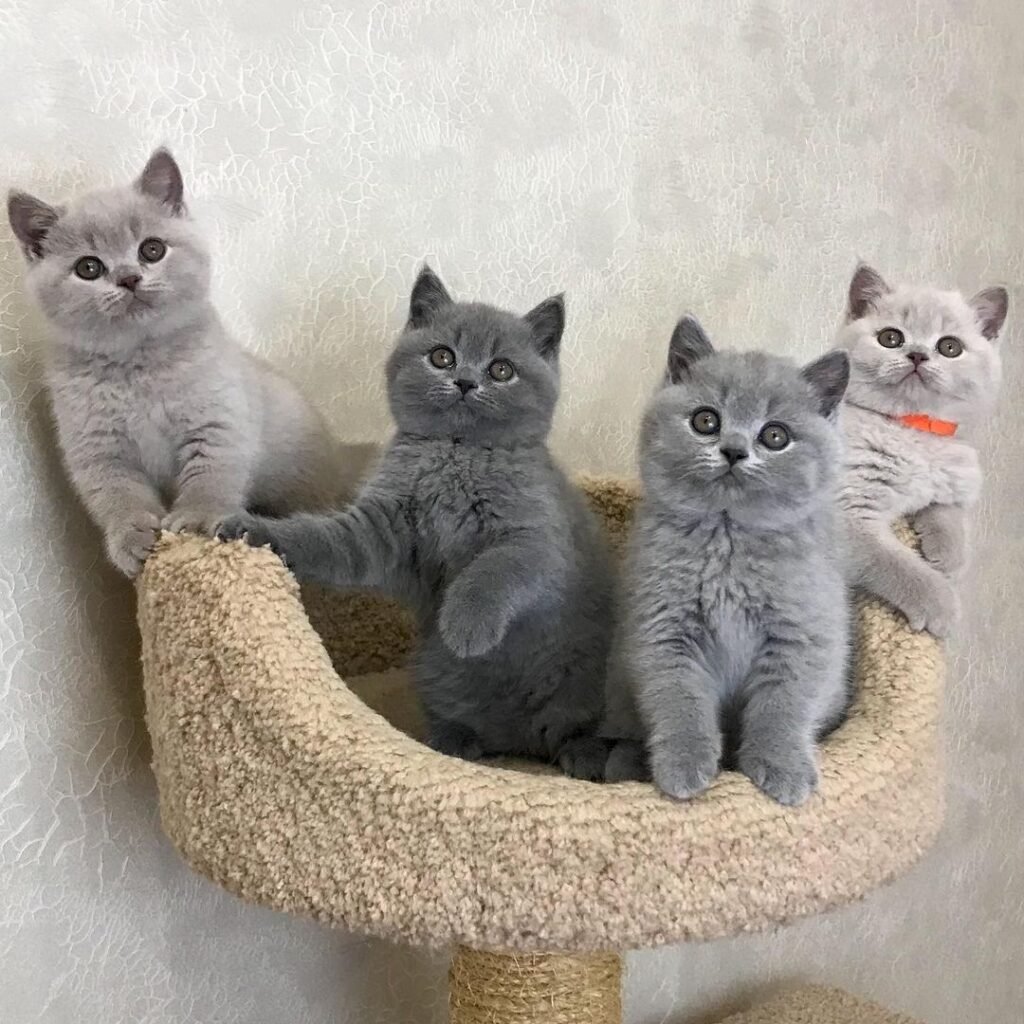
Bringing a British Shorthair kitten into your home can be an exciting and rewarding experience. Known for their distinctive round faces, plush coats, and charming personalities, these cats make wonderful companions for both families and individuals alike. However, potential owners should be well-informed before making this commitment. From understanding their unique breed characteristics and health considerations to selecting a reputable breeder and preparing your home, there are several important factors to consider. This guide will provide you with essential insights and tips to ensure you’re fully prepared for the joys and responsibilities of welcoming a British Shorthair kitten into your life.
Understanding the British Shorthair Breed Characteristics
Physical Appearance and Size
The British Shorthair is like the classic movie star of the cat world: undeniably charming and a little stocky. They boast a round face, chubby cheeks, and big, expressive eyes that could melt anyone’s heart. Adult males typically weigh between 9-17 pounds, while females are a tad lighter, ranging from 7-12 pounds. With their dense, plush coat, they look like the world’s cutest teddy bears. Just be prepared for the fact that a few extra pounds of cat means a few extra pounds of love—and maybe a little more cat hair on your favorite shirt!
Temperament and Personality Traits
These cats are the paradox of the feline world: they’re social but not clingy, affectionate but not needy. British Shorthairs are known for their calm demeanor and balanced temperament. They enjoy cuddling but won’t follow you around like a shadow. Think of them as your laid-back roommate who’s always down for a movie night but also respects your space when you need a moment alone. They’re friendly with kids and other pets, making them ideal for families—even if the family includes a dog that thinks it’s a cat.
Common Color Variations
British Shorthairs come dressed for success in a variety of colors and patterns. The popular blue (gray) coat is the star of the show, but these stylish cats can also flaunt colors like black, white, cream, and even tabby patterns. Their short, dense fur feels like a cloud and requires minimal grooming. They may not change outfits daily like a fashionista, but their stunning looks are always in vogue. So, whether you fancy a dusky blue gentleman or a glamorous cream diva, there’s a British Shorthair to fit your aesthetic!
Health Considerations and Genetic Factors
Common Health Issues in British Shorthairs
Like any breed, British Shorthairs have their own set of genetic quirks. They can be prone to certain health issues, including hypertrophic cardiomyopathy (a fancy term for heart disease), obesity (because they love food, just like we do!), and dental problems. It’s like owning a car—regular maintenance can prevent the big issues, but you’ll still want to be prepared for an unexpected oil change now and then.
Importance of Health Screenings
Taking your British Shorthair for regular checkups is crucial. Just like humans, cats need their annual physicals to catch any health hiccups early. A responsible breeder should conduct health screenings and provide documentation. This way, you can spot potential problems before they become full-blown dramas—after all, no one wants to deal with a cat crisis when they’re just trying to enjoy a quiet night in.
Vaccination and Preventive Care
Vaccinations are essential in keeping your furry friend happy and healthy. British Shorthairs need their standard kitten shots and annual boosters to fend off pesky diseases. Regularly scheduled flea and tick preventatives are also a must; they don’t want to be bothered by uninvited guests! Think of vaccinations as your cat’s superhero cape—keeping them safe from the villains of the animal kingdom.
Choosing a Reputable Breeder
What to Look for in a Breeder
When it comes to finding a reputable breeder, think of it like dating. You want someone who is responsible, honest, and genuinely cares about their cats. Look for breeders who are members of feline organizations, offer health guarantees, and provide a clean, safe environment for their kittens. If a breeder is reluctant to let you visit or answer questions, it’s a red flag—like when your date takes a call from an “emergency” halfway through dinner.
Questions to Ask Potential Breeders
Don’t be shy; ask away! Inquire about the kitten’s parents, health screenings, socialization practices, and any lineage details that showcase the cat’s pedigree. Asking about their socialization practices can give you insight into how the kitten might behave when it becomes part of your family. Remember, you’re not just adopting a cat; you’re investing in a lifelong furry companion.
Understanding Breeding Practices and Ethics
Ethical breeders prioritize the health and well-being of their cats over profits. They don’t overbreed and keep their breeding cats healthy and happy. Ensure that the breeder treats their animals with love and respect, and that they’re knowledgeable about potential health issues. Remember, adopting from a backyard breeder or a kitten mill is like signing up for a subscription service with hidden fees—better to play it safe and find a gem of a breeder who values their cats more than a quick payday.
Initial Costs and Ongoing Expenses
Purchase Price of a British Shorthair Kitten
The initial price tag for a British Shorthair kitten can range from $1,500 to $3,000, depending on factors like breeder reputation, bloodline, and location. You’ll want to set aside that cash with the same enthusiasm you save for concert tickets—this is a cat that deserves the best! And remember, this price is just the beginning of your financial journey together.
Estimated Monthly Care Costs
Once you bring your new furry friend home, it’s time to get serious about budgeting. Monthly expenses may include food (high-quality cat food is a must), litter, and routine vet visits, ringing up to about $100-$200. Add in toys, treats, and, because let’s face it, they’ll probably want a cozy bed or two, and you might find your budgeting skills getting a workout!
Unexpected Expenses to Consider
Life is full of surprises, and your British Shorthair may throw a few your way. Whether it’s an unexpected vet visit, a new scratching post to keep those claws in check, or the sudden need for a luxurious cat bed (because who doesn’t want to be pampered?), being financially prepared will make your journey smoother. Keep a little emergency fund handy; your cat will thank you by curling up next to you and purring like a well-oiled machine.
Preparing Your Home for a New Kitten
Essential Supplies and Equipment
Before your British Shorthair kitten takes over your heart (and your living room), make sure you have the right supplies. Essential items include a litter box (no, your new feline friend won’t appreciate a corner of the room), high-quality kitten food, food and water bowls, a scratching post (for their sanity and your furniture’s), and cozy bedding. Don’t forget toys! A variety of feather wands, balls, and laser pointers can keep your kitten entertained and help burn off that boundless energy.
Creating a Safe Space for Your Kitten
Kittens are curious little adventurers, so it’s crucial to create a safe space where they can explore without getting into trouble. Designate a single room, preferably one that’s quiet and away from the hustle and bustle, to introduce them to their new home. Remove hazards like toxic plants, small items they could swallow, and any electrical cords that look like fun chew toys. Remember, the safe zone should also include comfy spots and hideaways for those “I need a nap” moments.
Introducing Your Kitten to Other Pets
So you’ve already got pets, and you’re wondering how to introduce the newest family member? Great question! It’s all about slow, supervised introductions. Start by allowing your current pets to sniff around the kitten’s dedicated space without direct contact. You can even swap bedding between animals to familiarize them with each other’s scents. Patiently let everyone get to know each other in stages, and don’t rush things—because nothing says “future feline feud” like an overzealous greeting!
Socialization and Training Tips
Importance of Early Socialization
British Shorthairs are known for their calm demeanor, but early socialization is key to bringing out the best in them. Expose your kitten to various people, pets, and environments during their critical learning phase (usually up to 16 weeks). This helps them become well-rounded adults who won’t hide under the bed at the sight of a vacuum cleaner or a friendly neighbor. The more experiences you provide, the more confident they’ll be.
Basic Training Techniques
Training your fluffy friend doesn’t have to be a Herculean task. Start with the basics: litter box training is usually straightforward since they have a natural instinct for it. Use positive reinforcement—think treats, petting, and praise—to encourage desired behaviors like scratching the scratching post instead of your couch. Remember, patience is key; if they don’t get it right away, give them the time they need. And maybe have a little laugh at their adorable attempts.
Handling Behavioral Issues
Every kitten has their quirks, but if those quirks become problems, it’s time to step in. Common issues like excessive meowing or scratching can often be redirected with positive reinforcement or distraction techniques. For example, if your new friend is practicing their opera skills at 3 a.m., consider interactive toys or playtime before bed. If a behavior persists, consult with a veterinarian or a professional trainer to help find a solution that suits your little diva.
Nutrition and Lifelong Care
Choosing the Right Diet for Your Kitten
Selecting the right food for your British Shorthair is crucial—after all, they deserve the best! Look for high-quality kitten food with balanced nutrition, including proteins and fats to support their growth and energy levels. Opt for wet food for hydration and variety, but always check with your vet for recommendations tailored to your kitten’s specific needs. Because let’s face it, you wouldn’t want to be accused of serving junk food to your royal feline!
Feeding Schedule and Portion Control
Kittens typically need to eat several small meals throughout the day. Establishing a feeding schedule helps manage their energy and ensures they don’t gobble up their food like they’re preparing for a buffet. Stick to recommended portion sizes on the food packaging or ask your vet for guidance. And remember, no table scraps! You don’t want your kitten thinking they can share your pizza on movie nights.
Regular Vet Visits and Health Monitoring
Lastly, keeping up with regular vet visits is vital for your kitten’s long-term health. Schedule their initial vaccinations, routine check-ups, and spay/neuter appointments early on. Monitor their weight and behavior at home; sudden changes can be a sign that something’s amiss. Just like you wouldn’t skip your own doctor’s appointments (hopefully), you don’t want your furry friend to miss out on their essential health care!
Common Behavioral Traits and Personality Insights
Playfulness and Activity Levels
British Shorthairs have a reputation for being relatively laid-back while still enjoying playtime. These kittens can go from a playful romp to a cozy nap in the blink of an eye. Expect them to engage in short bursts of energy, often chasing after feather toys or pouncing on unsuspecting socks. Just remember, their playfulness is a sign of a healthy and happy kitten—so embrace it (and maybe invest in some indestructible toys).
Affection and Bonding with Owners
Prepare for cuddles! British Shorthairs are known for their affectionate nature, often forming strong bonds with their humans. They may follow you from room to room, sit on your lap, or even gaze lovingly from across the room. They’re not the type to demand attention constantly, but they will come looking for love on their terms, which is basically the gold standard of cat behavior. Just remember, every scratch behind the ears or chin rub is a step closer to your new best friend!
Understanding Vocalizations and Communication
Kittens are like tiny, fuzzy philosophers with a lot to say! British Shorthairs tend to be relatively quiet, but they’ll still communicate through a range of vocalizations and body language. A soft meow might mean they’re asking for food or attention, while a deep purr is usually a sign of contentment. Pay attention to their tails, ears, and whiskers—they’re giving you hints about how they feel. Being in tune with your kitten’s communication style can enhance your bond and make living together feel like a well-rehearsed duet! In conclusion, welcoming a British Shorthair kitten into your home is a delightful journey filled with companionship and joy. By understanding the breed’s characteristics, preparing for their needs, and committing to their care, you can ensure a happy and fulfilling relationship with your new furry friend. Take the time to educate yourself and make informed decisions, and you’ll be rewarded with the love and loyalty that these charming cats are known for. Enjoy the adventure of being a British Shorthair owner!
Frequently Asked Questions
How much should I expect to pay for a British Shorthair kitten?
The price of a British Shorthair kitten can vary widely based on factors such as the breeder’s reputation, the kitten’s lineage, and location. Generally, you can expect to pay anywhere from $1,000 to $2,500 or more.
What type of diet is best for a British Shorthair kitten?
A high-quality, balanced diet that is specifically formulated for kittens is ideal. Look for cat food that lists meat as the first ingredient and contains essential nutrients like protein, vitamins, and minerals for healthy growth.
Do British Shorthairs require special grooming?
While British Shorthairs have plush coats, they are relatively low-maintenance in terms of grooming. Weekly brushing is usually sufficient to keep their fur healthy and reduce shedding, but during shedding seasons, more frequent brushing may be beneficial.
Are British Shorthair cats good with children and other pets?
Yes, British Shorthairs are generally known for their calm and tolerant demeanor, making them good companions for children and other pets. Early socialization can further enhance their adaptability in multi-pet households.