
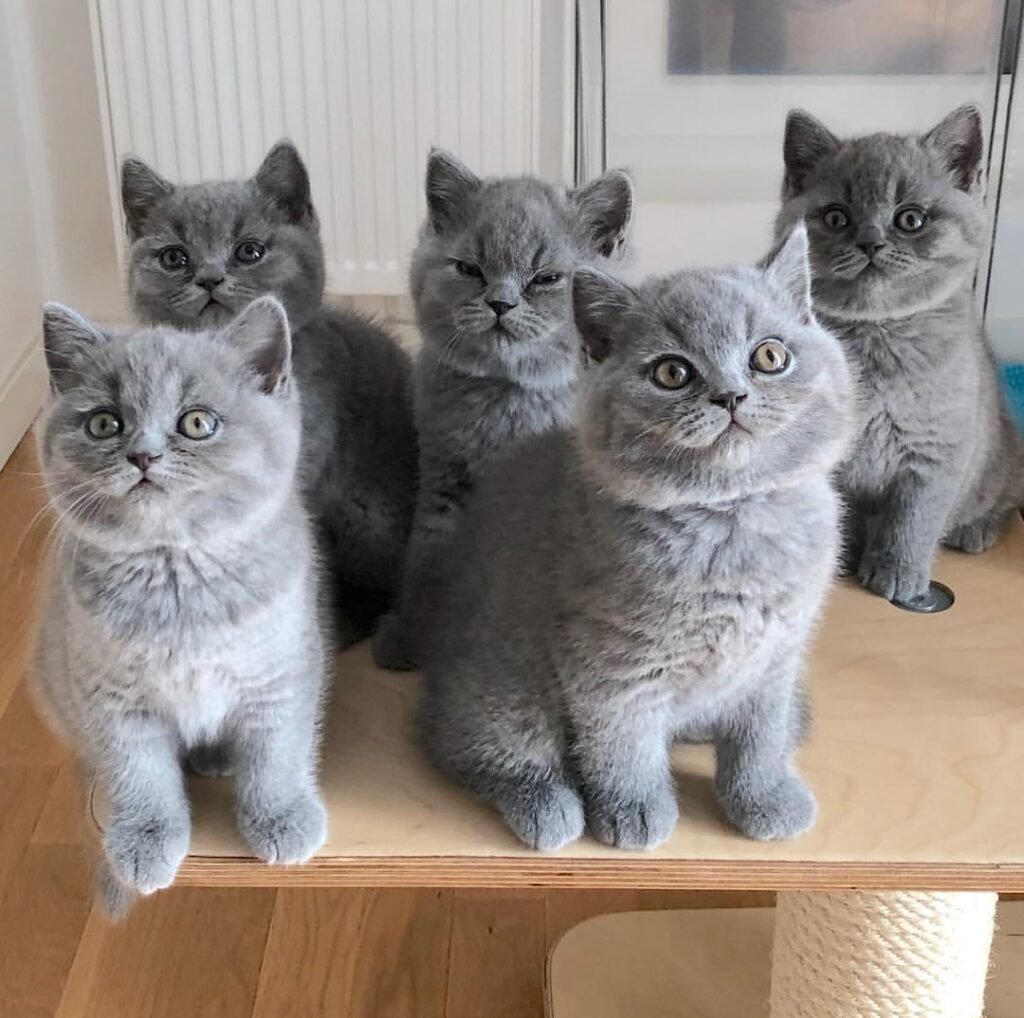
If you’re considering bringing a Grey British Shorthair into your home, you’re in for a treat. Known for their striking appearance and affectionate nature, these cats make wonderful companions. However, finding the right place to purchase or adopt one can be a challenge. This article will guide you through the top five places in the U.S. to buy a Grey British Shorthair, while also providing essential information on the breed, factors to consider when choosing a cat, and tips for ensuring a smooth transition into your home. Whether you’re looking for a reputable breeder or considering adoption, we’ve got you covered.
Understanding the Grey British Shorthair Breed
History and Origin
The Grey British Shorthair boasts a history as rich as its luxurious coat. This breed dates back to ancient Rome, where they were employed as vermin control in homes and barns, proving their worth as both adorable companions and fearless hunters. Over the years, they’ve evolved into a beloved pet around the world, bringing a touch of British charm wherever they go.
Physical Characteristics
These cats are the supermodels of the feline world. With their distinctive dense, plush coat, round faces, and copper or gold eyes, Grey British Shorthairs are hard to resist. They have a robust build, sturdy legs, and a broad chest, making them look like mini-tanks of cuteness. So be prepared; their adorableness may cause spontaneous heart flutters!
Temperament and Personality Traits
Grey British Shorthairs are the calm, collected thinkers of the cat world. Known for their easygoing and affectionate nature, they’re like the couch potatoes of cats—loving to lounge around but also delighted to engage in playtime. They’re not overly needy, making them perfect companions for both busy professionals and homebodies alike.
Factors to Consider When Buying a Cat
Age of the Cat
When adopting a furry friend, consider their age like a fine wine—do you want something fresh and bubbly or a mature classic? Kittens are cute chaotic bundles of energy, requiring lots of attention, while adult cats are more likely to show settled personalities. Plus, they can save you from a few sleepless nights!
Health and Vaccination Records
Before you whisker your way into a new relationship with a cat, check their health records! An ideal Grey British Shorthair should come with a clean bill of health, complete with up-to-date vaccinations and a vet’s seal of approval. Think of this as their version of a health insurance plan—necessary for peace of mind.
Compatibility with Your Lifestyle
Cats, just like humans, have unique personalities. Consider if you’re a laid-back Netflix person, an adventurous explorer, or a social butterfly. The Grey British Shorthair is generally easygoing, but it’s essential to match your cat’s vibe with your lifestyle. No one wants a party cat when you’re a hermit at heart!
Top Locations for Purchasing Grey British Shorthairs
Geographic Hotspots for Breeders
Certain areas in the U.S. are known for their top-notch Grey British Shorthair breeders. Urban centers like New York City, Los Angeles, and Chicago often have a variety of breeders to choose from, making them perfect hunting grounds for your new furry best friend. Just remember, starving yourself of cat cuteness because you don’t live nearby is not an option!
Online Resources and Listings
In today’s digital age, why not shop for your future feline overlord online? Websites like Petfinder, Adoptapet, and even breed-specific forums are great places to scout for Grey British Shorthairs looking for a cozy home. Happy hunting—just make sure your computer mouse isn’t mistaken for a toy mouse!
Visiting Pet Expos and Shows
Pet expos and cat shows are like Disneyland for cat lovers! You can meet breeders, see different cats in person, and chat with other cat aficionados. It’s a fantastic opportunity to see those gorgeous Grey British Shorthairs up close and personal. Bring your best cat eyes and prepare to be charmed!
Reputable Breeders and Catteries
How to Identify a Responsible Breeder
Finding a reputable breeder is like searching for hidden treasure. Look for breeders who are registered with recognized organizations, provide health guarantees, and seem genuinely invested in the wellbeing of their cats. If they invite you into their home and introduce you to their cats, that’s a major win!
Questions to Ask the Breeder
Don’t be shy—this is your chance to play detective! Ask the breeder about the cat’s lineage, health history, and temperament. Inquire about feeding routines and socialization practices. A good breeder will appreciate your curiosity and happily provide answers. Think of it as a first date; you want to know if you’re compatible!
Reviews and Testimonials
Before sealing the deal, turn to the wise words of fellow cat owners. Check online reviews and testimonials about the breeder or cattery you’re eyeing. This will give you insights into others’ experiences, helping you decide if they’re the purrfect match for you. Remember, happy cats make for happy humans!
Adoption Options for Grey British Shorthairs
Local Shelters and Rescue Organizations
If you’re on a quest for a grey British Shorthair, your first stop could be local shelters and rescue organizations. Many furry friend savers enthusiastically work to find homes for purebreds, so check out their websites or visit them in person. You might just find the purring companion you never knew you needed. Plus, adopting means you’re saving a life, and that’s pretty heroic—cape not required!
Benefits of Adopting vs. Buying
While purchasing a cat may seem like the “easier” option, adopting has a plethora of perks. Besides the warm fuzzy feeling of giving a kitty a second chance, adoption fees are usually lower than the price tag from breeders. Plus, many rescue organizations take care of initial vet visits and vaccinations, meaning you’ll have one less thing on your to-do list. Saving cash while saving a life? Now that’s a win-win!
What to Expect During the Adoption Process
Adopting a furry friend typically involves an application process where you’ll answer questions about your lifestyle and cat preferences, all while trying to sound super responsible (no pressure!). After that, an interview or home visit may follow. Just be yourself! Once approved, you’ll be one step closer to snuggling your new feline friend—just remember to bring a cozy blanket for the car ride home!
Pricing and Budgeting for a British Shorthair
Initial Purchase Costs
Thinking about welcoming a British Shorthair into your home? Hold onto your wallet! These classy cats can set you back anywhere from $1,500 to $3,000 depending on the breeder, lineage, and geographical location. Factor in a healthy budget for essential vaccinations and spaying/neutering. Remember, it’s not just a cat; it’s a lifestyle decision, much like adopting a new hobby or that expensive coffee habit!
Ongoing Expenses (Food, Vet, Supplies)
Once your new fluffball is home, it’s time for the fun (and sometimes pricey) part! High-quality cat food is non-negotiable, while regular vet check-ups keep your cat healthy and happy—count on an annual expense of around $300 to $500. Don’t forget about litter, toys, and cozy beds. The cost of feline companionship can add up, but it’s still cheaper than a therapist (and way cuter!).
Financial Considerations for Long-term Care
Investing in a British Shorthair is a long-term commitment, so prepare for ongoing expenses over the years. Plan for food, litter, grooming, and unexpected vet visits, which can range from $100 to $1,000 depending on your cat’s health. Setting up a pet fund can be a lifesaver whenever an unexpected expense pops up. It’s like having an emergency fund but way furrier!
Preparing Your Home for a New Cat
Creating a Safe and Comfortable Space
Before your British Shorthair arrives, make sure your home is cat-proofed. Imagine your feline Sherlock Holmes embarking on a mission to investigate every nook and cranny! Keep dangerous items out of reach, secure loose wires, and remove any toxic plants. Set up a cozy spot with a bed and some blankets to help your new buddy feel right at home. A little preparation goes a long way in avoiding chaos (and potential damage)!
Essential Supplies for Your New Cat
Every new cat owner should stock up on essential supplies before the big day! A litter box, scratching post, food and water dishes, and—of course—lots of toys are a must. Don’t forget some high-quality cat food that meets their nutritional needs. And if you really want to spoil your grey British Shorthair, a few catnip-infused goodies can go a long way in establishing you as the “cool” human on the block.
Introducing the Cat to Your Home
Once your new feline arrives, it’s time for the big introduction! Start by allowing them a designated space to explore, ideally equipped with their litter box and cozy bed. Give them time to adjust—rushing it can lead to a confused kitty who thinks they’ve landed in a foreign land. Allow your new friend to wander, sniff, and claim their territory (your sofa will never see it coming). With patience, they’ll soon feel like the ruler of your home.
Care and Maintenance of Grey British Shorthairs
Feeding and Nutritional Needs
Grey British Shorthairs are known for their stocky build, so providing a balanced diet is essential to keep them healthy and happy. Opt for high-quality cat food specifically formulated for their age and lifestyle—because, like us, they have their own dietary preferences! Monitor their weight regularly, as these cuties can be prone to obesity if left unchecked. Remember, more treats do not mean more love (but it’s tempting, isn’t it?).
Grooming and Coat Care
Those plush, stunning coats of theirs don’t just come naturally! Regular brushing is a must to keep their fur in optimal condition and reduce shedding. Aim for weekly grooming sessions to maintain their fabulous look. And don’t forget the occasional bath—though they might protest like it’s the end of the world! Regular maintenance keeps their coat shiny and healthy, and helps reinforce that beautiful relationship you’re building.
Health Monitoring and Regular Vet Visits
Staying on top of your grey British Shorthair’s health is crucial. Schedule regular vet check-ups to catch any issues early—nobody wants to play hide-and-seek with a potential health problem. Be on the lookout for changes in behavior, appetite, or litter box habits. Your feline friend relies on you to sniff out any issues before they escalate, so be their vigilant guardian! In conclusion, finding the perfect Grey British Shorthair is an exciting journey that requires careful consideration and research. Whether you choose to adopt from a shelter or buy from a reputable breeder, taking the time to understand the breed and your own needs will ensure a rewarding experience. By following the insights and recommendations outlined in this article, you’ll be well-prepared to welcome a loving feline companion into your home. Enjoy the companionship and joy that a Grey British Shorthair can bring to your life!
FAQ
What is the average price of a Grey British Shorthair?
The price of a Grey British Shorthair can vary widely depending on factors like the breeder’s reputation, the cat’s lineage, and location. Generally, you can expect to pay anywhere from $1,000 to $2,500 for a kitten from a reputable breeder.
Are Grey British Shorthairs good with children and other pets?
Yes, Grey British Shorthairs are known for their calm and friendly temperament, making them great companions for children and other pets. However, early socialization and proper introductions are key to ensuring a harmonious household.
How much grooming do Grey British Shorthairs require?
Grey British Shorthairs have a dense and plush coat that requires regular grooming to prevent matting and reduce shedding. A weekly brushing is usually sufficient to keep their coat in good condition.
Do Grey British Shorthairs have any specific health concerns?
While generally healthy, Grey British Shorthairs can be prone to certain genetic conditions, such as hypertrophic cardiomyopathy (HCM) and obesity. Regular vet check-ups and a balanced diet are essential for maintaining their health.