
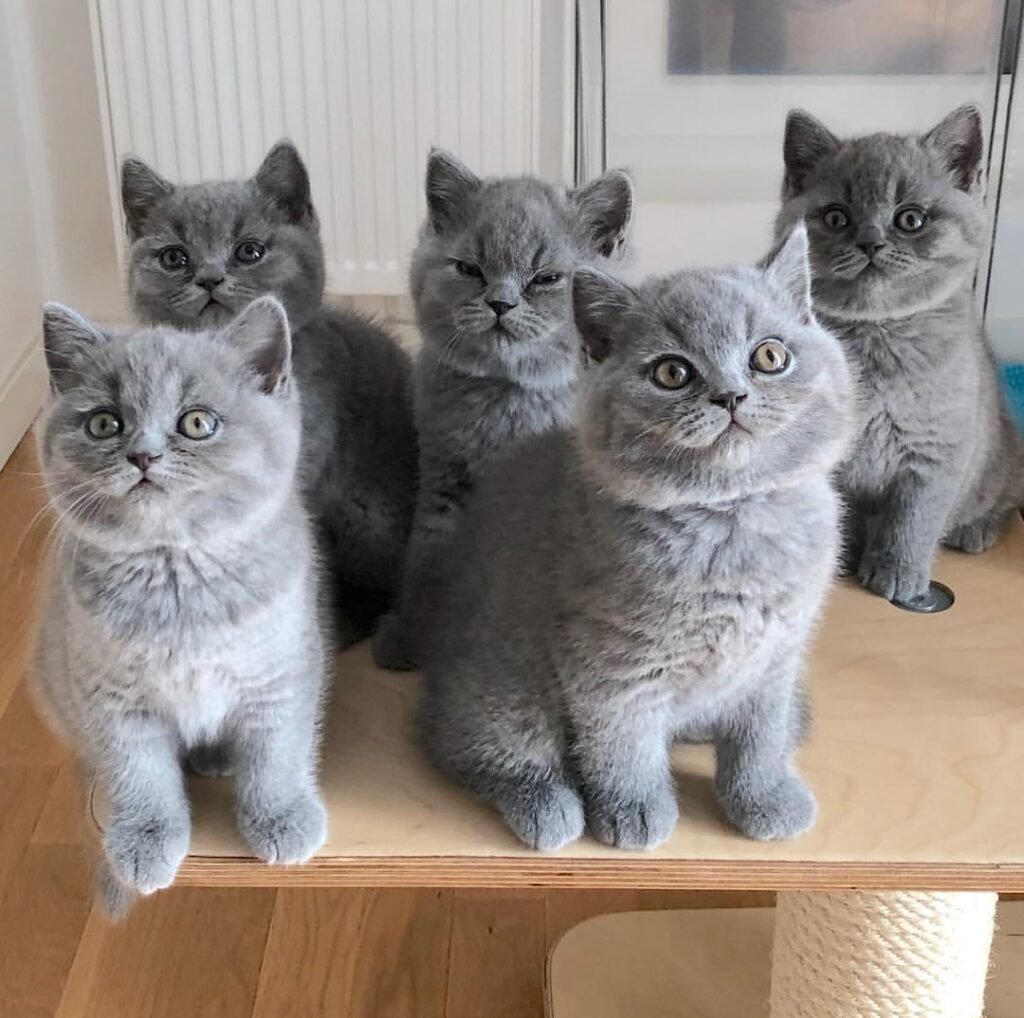
If you’re considering adding a furry companion to your family, a Grey British Shorthair kitten might be the perfect choice. Renowned for their charming personalities, robust build, and striking appearance, these kittens are not only adorable but also make excellent pets. With their plush, dense coats and round faces, Grey British Shorthairs have captured the hearts of cat enthusiasts worldwide. In this article, we will explore essential information about these delightful kittens, from their unique characteristics and health considerations to where you can find one for sale and how to care for your new feline friend. Whether you’re a first-time pet owner or a seasoned cat lover, our guide will help you make an informed decision about welcoming a Grey British Shorthair into your home.
Overview of the British Shorthair Breed
History and Origin
The British Shorthair is not just a pretty face; it boasts a rich history that dates back to Roman times when they were believed to have been brought to Britain to control pests. Over the centuries, they’ve evolved into the fluffy, round-faced companions we adore today. Their robust and resilient nature has made them a favorite in British homes—think of them as the royalty of the feline world, complete with a knack for lounging in the sun and plotting world domination…or just your lap.
Physical Traits
These kittens are the epitome of cozy cuteness. With their broad, round heads, chubby cheeks, and large, expressive eyes, they could easily win a contest for “Most Likely to Melt Your Heart.” Their short, dense coats are plush to the touch and come in a variety of colors, with grey being the standout. A stocky build and strong legs make them seem just a tad more dignified than your average cat—though they certainly have moments of complete silliness!
Temperament and Personality
If you’re looking for a buddy who isn’t overly needy but still enjoys the occasional head scratch, the British Shorthair is your purr-fect match. They are known for their easy-going nature, making them great for families or singles alike. While they can be independent, they also appreciate companionship—so don’t be surprised if your little grey furball decides to follow you around for some impromptu quality time. They strike the perfect balance between being affectionate and maintaining their own space.
Characteristics of Grey British Shorthair Kittens
Color Variations and Patterns
While grey, or “blue” as the breed fancy calls it, is the most recognized color of the British Shorthair, don’t be fooled into thinking that’s all they come in! You can also find them in other shades like black, cream, and even tabby patterns. The richness of the grey color, combined with their plush fur, gives them an irresistible allure. It’s like owning a tiny piece of stormy skies, cuddly and captivating!
Size and Growth Expectations
Grey British Shorthair kittens may start off as tiny bundles of fluff, but don’t let their small size fool you! They’ll grow into sturdy cats, weighing anywhere from 9 to 18 pounds once fully grown. They tend to have a slower growth rate, reaching their full size around 3 to 5 years. So, if you’re ready for a long-term cuddly commitment, these kittens are worth the wait!
Distinctive Features
Apart from their stunning grey coats, British Shorthairs have some unique physical characteristics. Their round faces are accented by chubby cheeks and a broad snout, while their large, round eyes can be copper, gold, or even blue—perfect for locking eyes with you when they want a treat. Their powerful build and short, thick tail add an extra layer of adorableness to their overall silhouette. Who knew round could be so charming?
Where to Find Grey British Shorthair Kittens for Sale
Reputable Breeders
If you’re on the hunt for a grey British Shorthair kitten, starting with a reputable breeder is key. Look for breeders who prioritize health and temperament over, well, just making a sale. A good breeder will provide health guarantees and allow you to meet the kitten’s parents—yes, it’s as important as meeting the in-laws! Check for certifications and ask about their breeding practices; it’s vital for ensuring your future kitty is healthy and happy.
Adoption and Rescue Options
Not every kitten comes from a breeder; lots of lovable grey British Shorthairs find themselves in shelters and rescues. Check local shelters or rescue groups dedicated to the breed. Remember, adopting a pet is like rescuing a tiny ball of fluff and giving them a second chance at life. Plus, you’ll score major karma points for being a superhero!
Online Marketplaces and Platforms
If the traditional route isn’t doing it for you, various online platforms can help you in your search for a grey British Shorthair kitten. Websites like Petfinder or Adopt-a-Pet can be treasure troves of fluffy goodness. Just ensure you take the time to research and verify the sellers to avoid any, let’s say, “catfishing.” Nobody wants to end up with a kitten in a box marked “mystery breed”!
Health Considerations for British Shorthair Kittens
Common Health Issues
Like any breed, British Shorthairs come with their own set of potential health concerns. Be on the lookout for hypertrophic cardiomyopathy (a fancy term for heart issues), obesity, and dental problems. Regular vet check-ups are essential for catching any issues before they turn into real troubles. After all, a healthy kitten is a happy kitten—and that’s the goal, right?
Vaccination and Preventive Care
Don’t let the vet bill scare you! Vaccinations are essential for keeping your grey British Shorthair kitten healthy as they grow. Standard vaccinations include those for feline distemper, calicivirus, and rhinotracheitis. Regular check-ups and preventive care (think flea treatments and dental check-ups) are your allies in ensuring your furry friend lives their best nine lives!
Diet and Nutrition Essentials
A well-balanced diet is crucial for your growing grey British Shorthair. Look for high-quality cat food that meets their specific dietary needs, focusing on protein and minimizing fillers. Kittens have different nutritional requirements than adult cats, so keep an eye on their growth (and their eyes—seriously, those things can be distracting!). Remember, a well-fed kitty is a happy (and perhaps slightly chubbier) kitty!
Caring for Your Grey British Shorthair Kitten
Creating a Safe Environment
To ensure your little furball feels at home, start by kitten–proofing your space. Think of it as fortifying your castle! Hide hazardous items, secure electrical cords, and remove poisonous plants. Provide cozy spots with soft bedding and keep litter boxes accessible but not too close to their food. Safety first, and then let the adorable chaos begin!
Grooming Needs
Grey British Shorthairs have plush coats that will have you swooning, but they also need regular grooming to stay fabulous. Brush them at least once a week to minimize shedding and prevent matting. Bathing isn’t usually necessary—unless they take an impromptu dive into the nearest mud puddle! A little nail trimming every few weeks will help keep them groomed and your furniture intact.
Understanding Behavior and Body Language
Your kitten may be small, but they come with a big personality—and a unique way of communicating! Pay attention to their body language: an arched back means they’re feeling bold, while tail flicks can signal annoyance. Try to decipher their meows; some are just chatty, while others might be demanding dinner (again). Understanding these signals helps you strengthen your bond and minimize misunderstandings—like that time they thought your shoelaces were a toy.
Training and Socialization Tips
Basic Commands and Training Techniques
Training a kitten is like teaching a toddler with eight legs: it’s a mix of fun, chaos, and a sprinkle of stubbornness. Start with simple commands like “sit” or “come” using a light, cheerful tone. Keep training sessions short (because, let’s be honest, their attention span resembles that of a goldfish). Use treats to reward good behavior, and soon, you’ll have a kitten that follows commands like a pro—or at least offers you a bemused glance.
Socialization with Other Pets
Introducing your kitten to other pets is like hosting a family reunion—there’s bound to be a bit of drama! Start slowly and supervise their interactions. Make sure your kitten has a safe space to retreat to if they feel overwhelmed. Over time, they’ll learn to coexist, but don’t be surprised if they still eye each other suspiciously while planning their next move!
Positive Reinforcement Strategies
Forget about the old-school “no treats until they’re good” philosophy; we’re in the age of positive reinforcement! Use treats, praise, or playtime to encourage desired behaviors. Each time your kitten uses the litter box or scratches the scratching post instead of your sofa, throw a mini celebration (they might even try to join in). This approach not only builds trust but makes you the coolest cat parent on the block.
Cost and Budgeting for a Grey British Shorthair Kitten
Initial Purchase Price
Bringing a Grey British Shorthair kitten into your life is an investment—financially and emotionally. Depending on the breeder, you can expect to pay anywhere from $1,000 to $3,000. Remember, this isn’t just a kitten; it’s your new furry roommate who will inevitably steal your heart (and your snacks).
Ongoing Expenses (Food, Vet, Supplies)
Once you’ve brought your kitten home, prepare for a steady stream of expenses. Quality cat food, routine veterinary visits, litter, toys, and scratching posts can add up. Budget around $50 to $100 monthly for food and supplies, along with vet visits every six months for check-ups and vaccinations. It’s like having a tiny celebrity who demands regular grooming and pampering!
Long-term Financial Considerations
Think of your Grey British Shorthair as a long-term investment. Over their lifetime (which can be 15 years or more), you might spend anywhere from $10,000 to $15,000 on their care. This includes food, vet bills, grooming, and any unexpected medical expenses. So, keep those kitty piggy banks full and your heart (and wallet) ready for the adventure ahead!
Frequently Asked Questions about Grey British Shorthair Kittens
What should I know before adopting?
Before adopting a Grey British Shorthair, consider their independent nature. They are gentle and affectionate but don’t always seek constant attention. Make sure your lifestyle can accommodate their needs, whether that’s playtime, a cozy nap spot, or just a little bit of peace and quiet.
How do I choose the right kitten?
Choosing the right kitten should feel like finding your perfect match on a dating app, but with more fur. Visit breeders or shelters, observe their personalities, and consider health history. Look for a playful spirit, healthy appearance, and a temperament that matches your lifestyle. And remember: all kittens are cute, but this one needs to steal your heart!
What are the best practices for first-time owners?
For first-time owners, patience is key! Take time to understand your kitten’s behavior and needs. Create a safe space with necessary supplies, and establish a routine. Spend quality time playing, cuddling, and training to build trust. And don’t forget to enjoy the little quirks that come with owning a kitten—they’re like tiny furry comedians, always ready to entertain! In conclusion, a Grey British Shorthair kitten can bring joy, companionship, and charm to your life. By understanding their unique characteristics and needs, you can ensure a happy and healthy environment for your new pet. Whether you’re seeking a playful addition to your family or a loyal companion, these kittens have much to offer. With the right care and attention, your Grey British Shorthair will thrive and become a cherished member of your household for years to come.
Frequently Asked Questions
What should I know before adopting a Grey British Shorthair kitten?
It’s important to research the breed’s characteristics, temperament, and care requirements. Additionally, ensure you have the time, resources, and commitment necessary to provide a loving and stable environment for your new kitten.
How do I choose the right Grey British Shorthair kitten?
Look for reputable breeders or rescue organizations, and consider factors such as the kitten’s health, socialization, and temperament. Spend time interacting with the kitten to assess its personality and compatibility with your household.
What are the common health issues associated with Grey British Shorthairs?
While generally healthy, British Shorthairs can be prone to certain health issues, including hypertrophic cardiomyopathy (HCM) and obesity. Regular veterinary check-ups and a balanced diet can help manage these risks.
How can I properly care for my Grey British Shorthair kitten?
Provide a balanced diet, regular veterinary care, and a stimulating environment. Engage in daily playtime and offer opportunities for socialization to ensure your kitten grows into a well-adjusted adult cat.