
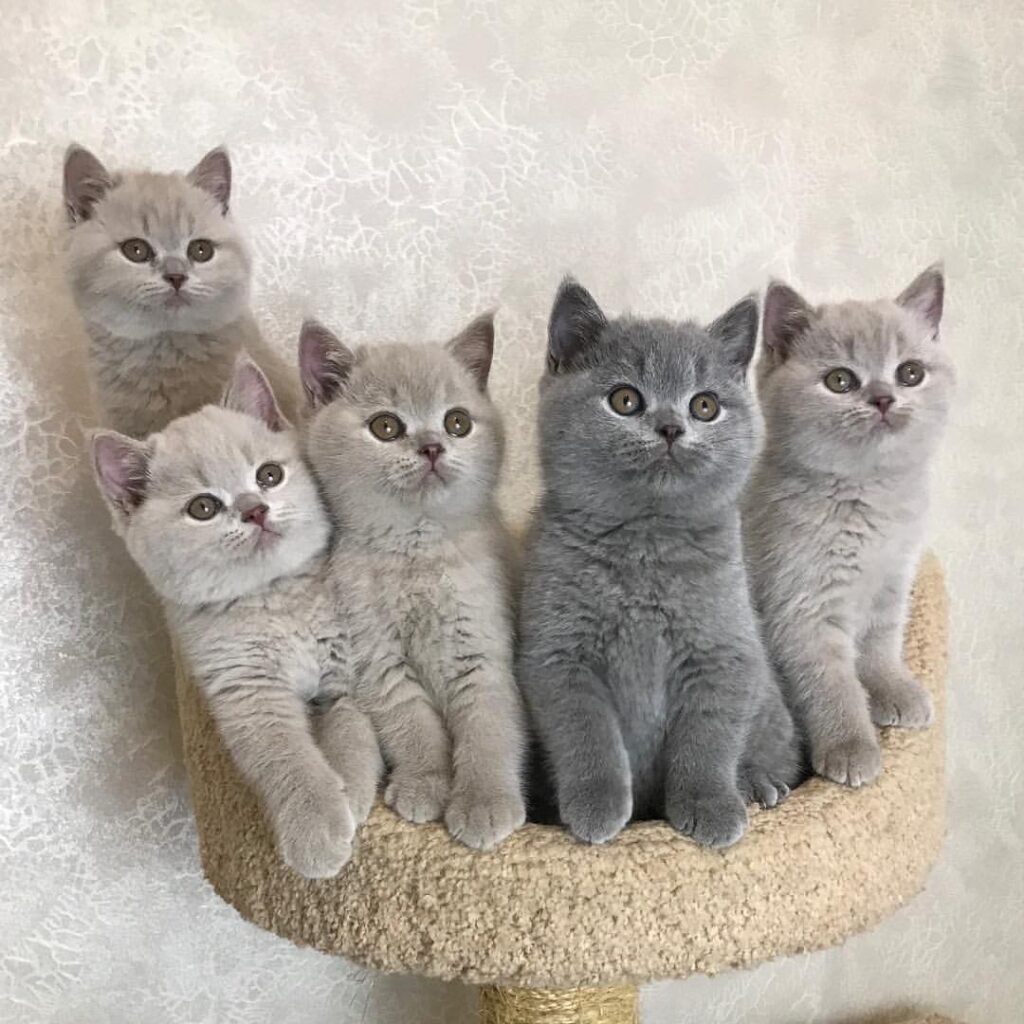
Choosing a healthy British Shorthair kitten is a rewarding journey that requires careful consideration and knowledge about the breed. Known for their charming personalities and distinctive appearance, British Shorthairs are among the most beloved cat breeds. However, like any pet, they come with their own set of health needs and temperament traits. This article will guide you through the essential factors to consider, from understanding the breed’s characteristics and evaluating potential breeders to recognizing health indicators and preparing your home for a new furry family member. By following these guidelines, you can ensure that you bring home a healthy kitten that will thrive in your care.
Understanding the British Shorthair Breed Characteristics
Physical Traits and Appearance
The British Shorthair is a chunky little potato in the cat world, with a round face and plush coat that looks as if it’s constantly boasting about its latest spa day. They have dense fur, strong legs, and a broad chest, giving them a sturdy, robust look. With big, round eyes that seem to hold ancient wisdom (or maybe just the promise of treats), they embody a look that’s both regal and adorably cuddly.
Common Personality Traits
These felines are typically laid-back and friendly, striking a balance between playful and couch-potato. They enjoy socializing—yes, even with those uninvited guests you call friends—and are often described as easygoing and affectionate. However, don’t mistake their calm demeanor for a lack of personality; they can be quite the jokesters, often surprising you with their quirky antics.
Variations in Coat Colors and Patterns
The British Shorthair is not just a pretty face; they come in a dazzling array of colors and patterns! From classic blue (which is basically grey but sounds a lot fancier) to cream, black, white, and even tabby patterns, there’s a British Shorthair to suit every aesthetic. Each coat pattern tells its own story, so choose one that resonates with your inner cat whisperer!
Key Health Indicators to Look for in a Kitten
Assessing Physical Health
When scoping out your future feline friend, check for clear eyes, clean ears, and a shiny coat—basically, the feline equivalent of a glowing Instagram filter. They should also be a healthy weight (not too skinny, not too chubby) and have a playful energy. A quick check of their teeth can also reveal a lot; healthy gums equal a happy kitty!
Behavioral Signs of Health
Observe their sprightly antics; a healthy kitten is usually inquisitive and full of energy, ready to leap onto the tallest of furniture (and knock over the most valuable items in the process). Look for playful interactions, whether it’s chasing imaginary prey or delighting in a feather toy. A lethargic kitten might need a visit to the vet (or a pep talk).
Understanding Vaccination and Health Records
Before you whisk away your new kitten, ensure you’re getting a health passport of sorts: vaccination records! Kittens should be vaccinated against common feline diseases, so ask for these documents. These records are crucial, not just for your peace of mind but also for keeping them safe and healthy in their new adventure with you.
Evaluating Breeders: Questions to Ask
Researching Breeder Reputation
Not all breeders are created equal, and it’s vital to do your homework. Ask around, check online reviews, and join cat forums (they exist, I promise!). A reputable breeder will have a solid track record and will be more than willing to share their knowledge and experiences, just like that friend who won’t stop talking about their new diet plan.
Questions About Health Testing
Don’t be shy; ask about health testing! A good breeder should conduct health screenings for common genetic issues like hypertrophic cardiomyopathy (HCM). If they answer your questions with confidence and transparency, hang on to them like they’re the last donut in the box—because they might just be your dream breeder!
Understanding Breeder Practices and Environment
Visit the breeder’s environment if possible. It should be clean, safe, and welcoming, with other healthy animals around. If it feels more like a scene from a horror film than a cozy kitten haven, consider it a red flag. A good breeder should be proud to show off their cats and their setup, not lurking in the shadows like a shady character from an action movie.
The Importance of Socialization and Temperament
Early Socialization Techniques
Socialization is key for a well-adjusted kitten. A good breeder will have exposed their kittens to various sounds, sights, and even people, preparing them for life in your home. Techniques like handling them gently, playing with toys, and introducing new experiences (like that mysterious vacuum cleaner) can help shape a confident kitten.
Assessing Kitten’s Interaction with Humans and Other Pets
Observe how the kitten interacts with humans and other pets. A friendly and curious demeanor is a good sign that the kitten has been socialized properly. If they seem shy or overly aggressive, it might be worth considering a different furball. Kittens should be just as interested in you as you are in them—think of it as a tiny furry job interview.
Understanding Temperament Variability
Remember, every kitten is unique! While British Shorthairs typically have calm and affectionate personalities, temperament can vary. Some may be couch potatoes, while others embrace their inner acrobat. Take the time to find one that matches your lifestyle—after all, you want a companion who will fit into your home like a perfectly shaped puzzle piece, not one that comes with extra edges!
Nutrition and Care Requirements for Kittens
Choosing the Right Diet for Your Kitten
When it comes to your British Shorthair kitten’s diet, think of it as choosing the gourmet menu at a fancy restaurant—you’re setting them up for a lifetime of health! A high-quality kitten food, rich in protein and essential nutrients, is key. Look for options specifically formulated for kittens, as they contain the right balance of vitamins, minerals, and, let’s be honest, flavor that your tiny furball deserves. Avoid those generic brands that could be more “cardboard” than “chicken.”
Feeding Schedule and Portion Control
Kittens are like tiny, furry vacuum cleaners—they’ll eat anything at any time if given the chance! To avoid an unintentional fluffball of a cat, establish a feeding schedule. Typically, three to four meals a day are ideal. Monitor portions based on the feeding guidelines on the food packaging, but keep an eye on your kitten’s belly—if it starts to resemble a basketball, it might be time to trim back a bit!
Grooming and Maintenance Needs
British Shorthairs have a dense, plush coat that’s as soft as marshmallows, but that also means they need a little TLC. Regular brushing—at least once a week—will help reduce shedding and prevent those dreaded hairballs. Plus, it’s a purr-fect bonding time! Don’t forget to check their ears and teeth too; it’s vital for their overall health and cleanliness. Think of it as the maintenance your kitten never knew they needed!
Recognizing Common Health Issues in British Shorthairs
Genetic Predispositions to Certain Conditions
British Shorthairs are generally sturdy cats, but they do have a few genetic quirks. They’re prone to certain conditions like hypertrophic cardiomyopathy (HCM) and hip dysplasia. It’s like having a family recipe that comes with a few sour notes! Being aware of these predispositions means you can be proactive about their health and ensure your kitten lives a long, happy life.
Signs of Common Health Issues
Ever seen a kitten that looks a bit off? Maybe they’re a little too lethargic or seem to be skipping meals like a moody teenager. Keep an eye on any changes in behavior, appetite, or litter box habits. Watching for signs such as excessive grooming, coughing, or sneezing can also clue you into potential health issues. Remember, happy kittens are bouncy kittens!
Regular Health Monitoring Practices
To keep your British Shorthair in tip-top shape, regular vet visits are crucial. Schedule check-ups at least once a year—twice is even better for those mischievous kittens! Keep a log of their weight, appetite, and any behavior changes; you’ll feel like a proud parent taking notes at a school play! Regular monitoring will help catch any issues before they turn into a cat-astrophe.
Preparing Your Home for a New Kitten
Creating a Safe and Stimulating Environment
Your home is about to become a playground for your kitten, so safety is key! Start by kitten-proofing—remove any dangling cords, small items, or houseplants that could be harmful. Create cozy napping spots and fun spaces to climb and explore. Cat trees, scratching posts, and a few engaging toys will make sure they’re entertained and happy, keeping them busy when you’re not around!
Essential Supplies for Kitten Care
Before your little fluffball moves in, stock up on supplies! You’ll need food and water dishes, a litter box (with litter, of course!), a comfy bed, toys, and a grooming brush. Don’t forget a scratching post to save your furniture from an untimely demise. A good carrier is also a must for those vet trips—think of it as your kitten’s travel chariot!
Introducing the Kitten to Your Home
When your new kitten arrives, the key is to take it slow—think of it as a first date, not a whirlwind romance! Allow your kitten to explore their new digs at their own pace. Set up a quiet, cozy space where they can retreat if it gets overwhelming. Gradually introduce them to other family members and pets, ensuring everyone feels comfortable. Remember: patience is a virtue, especially when it comes to cats!
Post-Adoption Health Check and Ongoing Care
Scheduling Veterinary Visits
As soon as you adopt your British Shorthair kitten, get that vet visit on the calendar! A thorough health check should happen within the first week. Regular visits for vaccinations, spaying/neutering, and health screenings will be essential in keeping your kitten healthy and happy for years to come. It’s like a wellness retreat but with less yoga and more treats!
Establishing a Routine for Care
Cats thrive on routine—they’re creatures of habit (not unlike your uncle who watches the same show every night). Establish a daily schedule for feeding, playtime, and grooming to help your kitten feel secure. This predictability will not only make your cat happier but will also make your life a whole lot easier!
Tracking Growth and Development
Keep an eye on your kitten’s growth and milestones. This new little fluffer will go from a tiny fuzzball to a majestic feline in no time! Tracking their weight, size, and even quirky behaviors will help you gauge their development. Plus, it gives you an excuse to whip out the camera for all those adorable ‘before and after’ photos! Don’t forget to revel in the cuteness while you can—they grow up faster than you think! In conclusion, selecting a healthy British Shorthair kitten involves thorough research and thoughtful preparation. By understanding the breed’s characteristics, asking the right questions to breeders, and being aware of health indicators, you can make an informed decision that leads to a happy and fulfilling companionship. Remember that the journey doesn’t end with adoption; ongoing care, regular veterinary check-ups, and a loving environment are crucial for your kitten’s well-being. With the right approach, you can enjoy many joyful years with your new feline friend.
Frequently Asked Questions
What should I look for in a reputable breeder?
A reputable breeder should be transparent about their breeding practices, provide health testing records, and allow you to visit their facility. They should also be knowledgeable about the breed and willing to answer any questions you may have.
What are common health issues in British Shorthairs?
British Shorthairs can be prone to certain genetic conditions, including hypertrophic cardiomyopathy (HCM), obesity, and dental issues. Regular veterinary check-ups and a healthy diet can help manage these risks.
How can I tell if a kitten is healthy?
A healthy kitten should have clear eyes, a clean coat, and an energetic demeanor. Look for signs of good health, such as a playful attitude and a healthy appetite, and ensure they have been properly vaccinated.
What is the best diet for a British Shorthair kitten?
A high-quality, balanced diet specifically formulated for kittens is ideal for British Shorthairs. Look for options that include essential nutrients and proteins to support their growth and development, and consult your veterinarian for personalized recommendations.