
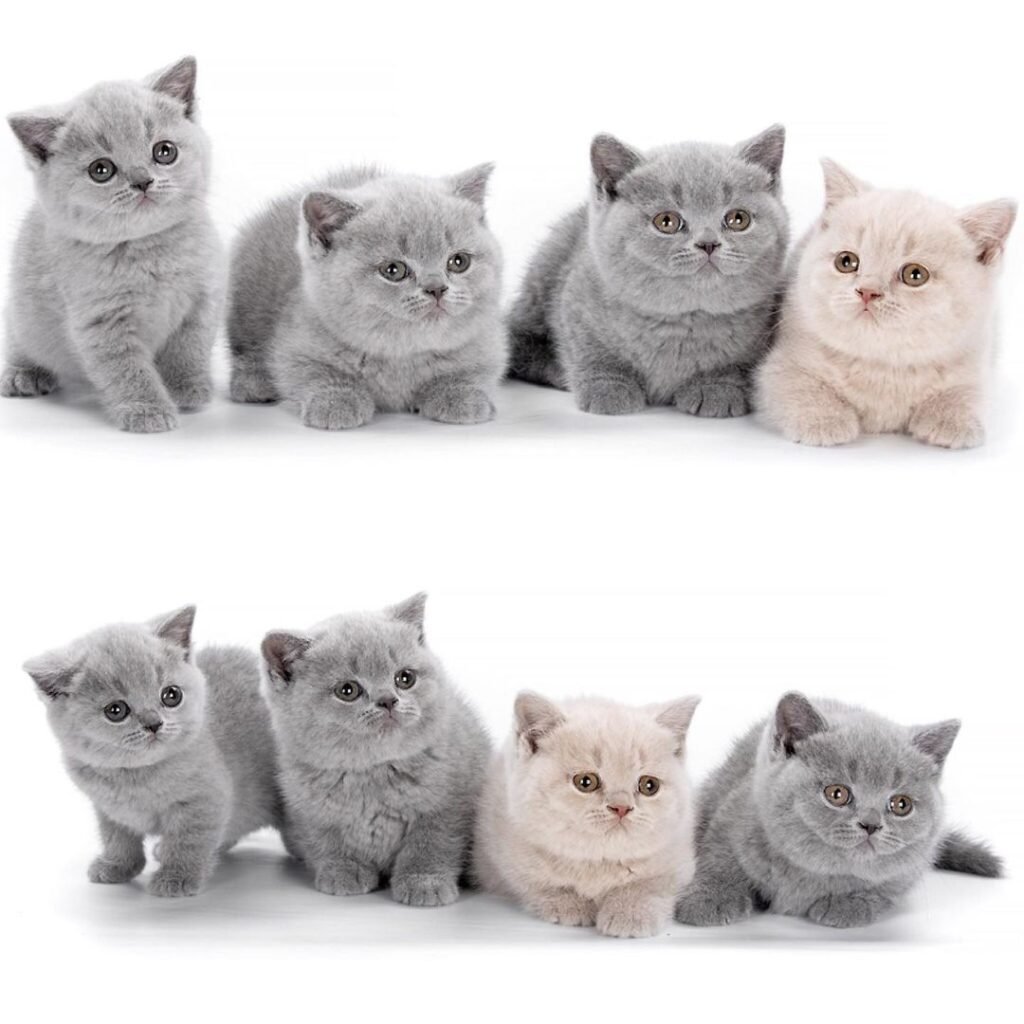
The Blue British Shorthair has captured the hearts of cat lovers around the world, and its rising popularity in America is no surprise. Known for their striking blue-gray fur, round faces, and captivating amber eyes, these cats are not only visually stunning but also possess a temperament that makes them ideal companions. With their gentle demeanor, adaptability to various living situations, and low grooming needs, Blue British Shorthairs are perfectly suited for American families and individuals alike. In this article, we will explore the reasons why this breed stands out as a perfect pet choice, highlighting their unique characteristics, health considerations, and the joy they bring to homes across the nation.
The Unique Charisma of Blue British Shorthairs
Distinctive Appearance: The Iconic Blue Coat
Blue British Shorthairs are like the cool kids in the cat world, known for their stunning plush coat that’s usually a soft, smoky gray—often called “blue.” Their round faces, big copper or gold eyes, and strong, stocky bodies make them look like they just stepped off a catwalk (though they might prefer a cozy couch). This striking appearance isn’t just eye candy; it’s a hallmark of their breed that captivates cat lovers everywhere.
Personality Traits: Uniquely Charming
If charm were a cat, it would be a Blue British Shorthair. With their calm demeanor and easygoing nature, they exude an air of quiet confidence. They’re not the kind of cats who will knock over your favorite vase to assert their dominance; instead, they prefer leisurely snoozes followed by gentle head nudges. This unique personality makes them a delight to have around, forming bonds that are both affectionate and surprisingly fun.
Temperament Traits: Gentle and Affectionate Companions
Loyalty and Bonding with Owners
Once a Blue British Shorthair chooses you, it’s a lifelong commitment—think of them as your furry soulmate. Their loyalty is unwavering, and they often follow their humans from room to room, hoping for a little attention or a cozy lap to curl up on. They thrive on companionship, forming strong attachments with their owners, which brings a comforting presence to any home.
Social Interaction with Family Members
These cats are social butterflies—well, if butterflies were fluffy and loved napping on the sofa. Blue British Shorthairs tend to get along well with everyone in the household, including children and other pets. Their gentle nature makes them perfect companions for family members of all ages, and they’ll happily engage in playtime or simply lounge by your side during movie night, blending seamlessly into your family dynamic.
Adaptability: Thriving in American Homes
Adjusting to Different Living Environments
Whether you live in a high-rise apartment or a spacious house, Blue British Shorthairs adapt like pros. They are not overly demanding and can find comfort in various environments. As long as they have a cozy spot to curl up and some fun toys to play with, they can turn any nook into their kingdom. Plus, they don’t mind a little hustle and bustle in the background, making them perfect for busy households.
Ideal for Various Lifestyles: Urban vs. Rural
Urban dwellers, rejoice! Blue British Shorthairs are just as content scaling city skyscrapers (in their mind) as they are roaming the great outdoors of rural America. They thrive in both settings, enjoying the action of city life or the calm of country living. Their adaptable nature means they can easily fit into your lifestyle, whether you’re out and about or cozying up at home.
Low Maintenance Grooming for Busy Lifestyles
Grooming Needs: Simple and Straightforward
Got a busy schedule? No problem! Blue British Shorthairs require very minimal grooming, thanks to their short, dense fur that doesn’t mat easily. A weekly brush to remove loose hairs and dander is usually all you need to keep their coat looking fabulous. Their self-cleaning habits also mean they’ll hardly require frequent baths—unless they decide to take a dive into your spaghetti sauce, of course.
Shedding and Allergies: What to Expect
If you’re worried about shedding, worry not! While no cat is a zero-shedding machine, Blue British Shorthairs tend to shed less than many other breeds. Their dense coat does lose some hair, but it’s usually manageable. For allergy sufferers, these kitties are often a good choice, as they produce less of the allergenic proteins found in cat saliva. So, settle in with your new furry friend and breathe easy—your allergy symptoms might just take a backseat!
Health and Longevity: A Breed Overview
https://perfectbritishshorthairs.com/available-british-shorthair-kittens/Blue British Shorthairs are not just a pretty face; they are known for their robust health and longevity. On average, you can expect these feline companions to live anywhere from 12 to 20 years—plenty of time to steal your heart and hog the couch. Their dense coat and stocky build give them a sturdy appearance, but it’s crucial to keep an eye on their wellbeing as they age. Regular vet check-ups and loving attention can ensure they live their best life (and possibly have you wrapped around their little paw for just as long!).
Common Health Issues in Blue British Shorthairs
While generally healthy, Blue British Shorthairs are prone to a few health issues that you should keep in mind. Hypertrophic cardiomyopathy (HCM) is the most notable condition, which affects the heart, and can be hereditary. Obesity is another common concern, often a byproduct of those pleading eyes and a knack for harmless mischief. Keeping your kitty at a healthy weight with proper diet and exercise can go a long way in preventing problems down the road.
Promoting a Healthy Lifestyle
To keep your Blue British Shorthair purring happily into their golden years, focus on a balanced diet tailored to their age, weight, and activity level. Interactive toys and regular playtime can help stave off the dreaded “chubby tabby” syndrome. Regular vet appointments for check-ups and vaccinations are also essential. Don’t forget mental stimulation—because even your cat deserves a PhD in being fabulous!
Family-Friendly: Great with Kids and Other Pets
If you’re looking for a feline companion that seamlessly integrates into family life, the Blue British Shorthair is like the Swiss Army knife of pets. They are known for their calm demeanor, making them ideal for households with kids who need a furry friend that can handle a little (or a lot of) commotion.
Building Relationships with Children
Blue British Shorthairs have a knack for patience, especially with children. They tend to be gentle and affectionate, and most importantly, they don’t usually mind a bit of roughhousing—within reason, of course. Teaching kids to respect boundaries can foster a special bond, and watching them play together can be hilariously entertaining. Just remember, if the cat tries to escape the “excitement,” give them some safe spaces to retreat to.
Coexistence with Other Animals
When it comes to sharing the limelight with other pets, Blue British Shorthairs usually do just fine. They are known to get along well with dogs, particularly those that are calm and non-aggressive. A proper introduction and some time to sniff each other out can help build a lasting friendship. Just be aware that while they can adapt to life with other pets, they won’t shy away from asserting their “cat-archy” if needed!
Finding the Right Breeder: What to Look For
Finding a reputable breeder is like trying to find the perfect pizza topping; it requires some research and the right preferences. When looking for someone to trust with bringing your new furry family member into the world, you’ll want to ensure they’ve got a solid track record.
Questions to Ask Potential Breeders
When meeting a breeder, be prepared with questions that will help you gauge their knowledge and ethics. Ask about health screenings for common genetic issues, the living conditions for their cats, and how they socialize their kittens. A good breeder should have no problem showing you around their facility and discussing their breeding practices—if they can’t explain their methods, it’s a red flag!
Recognizing Ethical Breeding Practices
An ethical breeder prioritizes the health and temperament of their cats over profit. Look for breeders who are involved in feline health organizations and are open about their breeding goals. They should provide health clearances and be willing to keep in touch even after you’ve taken your kitten home. Remember, good breeders don’t just sell cats; they build relationships!
Conclusion: The Joy of Owning a Blue British Shorthair
Bringing a Blue British Shorthair into your home means more than just adding a pet—it’s like inviting a furry, affectionate little roommate who happens to be very good at napping. Their charm, coupled with their loving disposition, makes them a delightful addition to any family.
Summarizing the Benefits of This Breed
In summary, Blue British Shorthairs combine beauty, health, and a temperament that is tough to beat. They thrive in family settings, adapt well to various living situations, and, let’s face it, their adorable faces can make even the toughest day a little brighter.
Encouragement for Potential Owners
So, if you’re considering welcoming a Blue British Shorthair into your heart and home, go for it! They may just become your new best friend, cuddle buddy, and personal therapist all rolled into one. Prepare for the joy and love that comes with owning one of these remarkable cats—you won’t regret it!In conclusion, Blue British Shorthairs offer a remarkable combination of charm, adaptability, and low-maintenance care that makes them an ideal choice for pet owners in America. Their affectionate nature and gentle demeanor can enrich any household, providing companionship and joy for years to come. Whether you’re a first-time cat owner or looking to expand your furry family, welcoming a Blue British Shorthair into your home can be a rewarding experience that enhances your life. Embrace the unique personality of this breed, and you’ll find a faithful companion that truly fits your lifestyle.
FAQ
1. Are Blue British Shorthairs good with children?
Yes, Blue British Shorthairs are known for their gentle and friendly temperament, making them great companions for children. They are patient and tolerant, which helps them build positive relationships with kids.
2. How much grooming do Blue British Shorthairs require?
Blue British Shorthairs have a dense coat that requires minimal grooming. Regular brushing once a week is usually sufficient to keep their fur healthy and reduce shedding.
3. What is the typical lifespan of a Blue British Shorthair?
On average, Blue British Shorthairs live between 12 to 15 years, with proper care and a healthy lifestyle potentially extending their lifespan.
4. Do Blue British Shorthairs have any common health issues?
Like all breeds, Blue British Shorthairs can be prone to certain health issues, including heart diseases such as hypertrophic cardiomyopathy. Regular veterinary check-ups can help detect and manage any potential health concerns.