
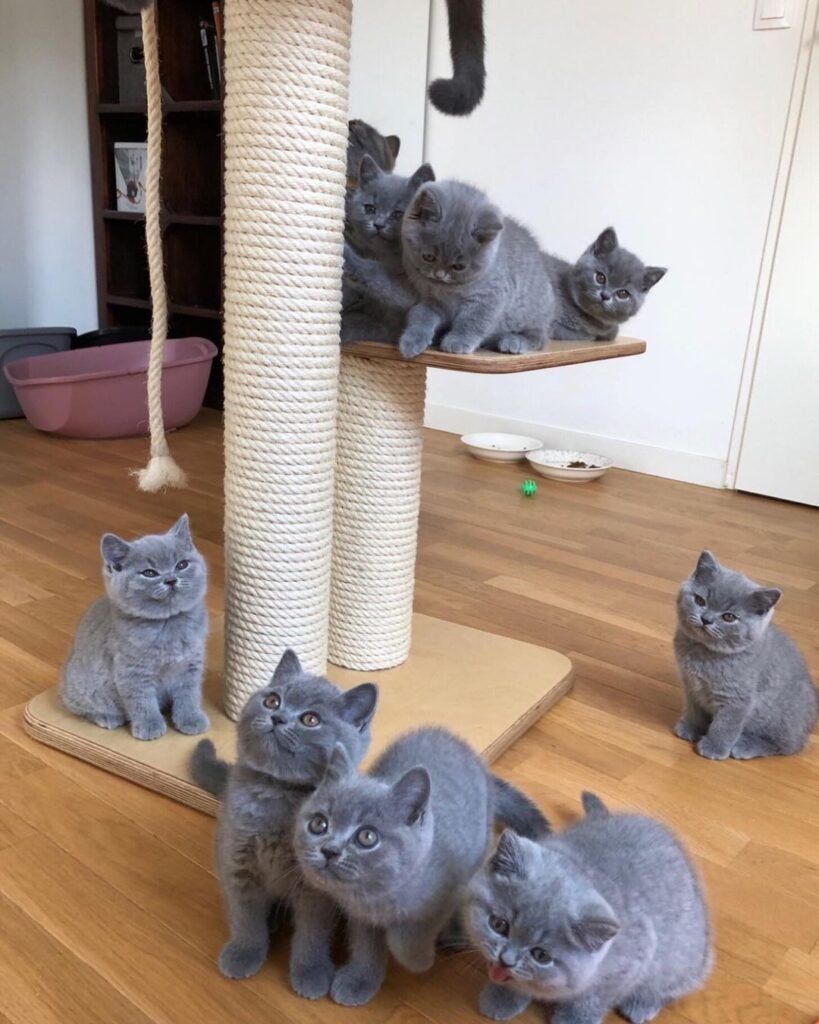
Finding a reputable breeder for a Blue British Shorthair can be a rewarding yet challenging journey. These charming cats are known for their striking blue coats, round faces, and affectionate personalities, making them a popular choice among cat lovers. However, not all breeders are created equal, and selecting the right one is crucial to ensuring the health and well-being of your future feline companion. In this article, we will guide you through the essential steps to locate trustworthy breeders in your area, helping you make an informed decision that will lead to a happy and healthy addition to your family.
Understanding the Blue British Shorthair Breed
Characteristics and Traits
The Blue British Shorthair is not just a pretty face; it’s the whole feline package! With its dense, plush coat reminiscent of a teddy bear and those signature copper or gold eyes that could melt anyone’s heart, this breed is a showstopper. Their stocky build and round face give them a look of dignified charm, while their short, broad muzzle adds a touch of ruggedness. Typically, they have a calm and easy-going demeanor, making them ideal companions for both busy families and quiet singles.
Common Health Issues
Like any breed, Blue British Shorthairs have their own set of quirks, including some potential health issues. Be on the lookout for hypertrophic cardiomyopathy (HCM), a heart condition that’s unfortunately common among many cats. Other concerns can include obesity (those plush bodies do love a snack), joint problems, and dental issues. Regular check-ups and a balanced diet can help keep your furry friend in tip-top shape, so invest in that vet more than that trendy cat tower!
Personality and Temperament
These cats are the epitome of cool, calm, and collected. Blue British Shorthairs are known for their gentle and easygoing nature. They’re affectionate but not overly demanding—think of them as the perfect roommate who respects your space but is always down for a cuddle session. They can be playful, yet they’re also content with lounging around and keeping an eye on the world, possibly plotting their takeover (or just napping). They typically get along well with children and other pets, making them the ultimate family-friendly feline.
Importance of Choosing a Reputable Breeder
Impact on Kitten Health and Behavior
Buying a kitten from a reputable breeder can mean the difference between a healthy, happy furball and a stressed-out, sneezy shadow of a cat. Good breeders focus on genetics and environment, ensuring that their kittens are not only physically healthy but also well-socialized. This way, you can rest easy knowing that your new kitty is as robust as they are adorable, ready to embark on their grand adventure (which probably involves chasing a laser pointer).
Ethical Considerations
Choosing a reputable breeder isn’t just about getting a cute kitten; it’s about making responsible choices in pet ownership. Ethical breeders prioritize the well-being of their cats over making a quick buck. They comply with legislation, breed responsibly, and provide a nurturing environment for both parents and kittens. By choosing wisely, you’re supporting humane breeding practices and helping ensure that the breed remains healthy and vibrant for generations to come!
Researching Local Breeders: Where to Start
Online Directories and Databases
The internet is a treasure trove of information, and when it comes to finding reputable Blue British Shorthair breeders, online directories and databases are your best friends. Websites like The International Cat Association (TICA) and the Cat Fanciers’ Association (CFA) feature breeder listings, complete with reviews and contact information. A few clicks here could lead you to your future furry friend’s abode!
Local Cat Shows and Events
When life gives you cat shows, go! Local cat shows are not just great places to check out adorable kitties; they’re also a fantastic way to meet breeders in person. You can chat, ask questions, and often see the cats in action. Plus, it’s like a feline fashion show, complete with all the fluff and none of the drama. Who wouldn’t want to witness that?
Recommendations from Veterinarians
Your vet isn’t just there to poke your cat with a needle; they’re also a goldmine of information! Ask your veterinarian for recommendations on reputable breeders. They often have firsthand experience with the local cat community and can point you towards the best options. After all, they’re the ones ensuring your future feline’s health, so they’ll likely know who operates with ethics and excellence.
Key Qualities of a Responsible Breeder
Breeding Practices and Standards
A responsible breeder treats their cats like royalty. They implement rigorous breeding practices that focus on health and temperament, rather than just chasing trends. Look for breeders who test their breeding stock for common health issues and adhere to breed standards. If they’re knowledgeable, they’ll happily share their practices and be transparent about their breeding choices—no smoke and mirrors here!
Transparency and Communication
A good breeder will keep the lines of communication wide open. If they’re unwilling to answer your questions or brush off your concerns, that’s a red flag. You want someone who’s eager to share information about the kittens’ upbringing, potential genetic issues, and life after adoption. If they’re dodging your inquiries, it may be time to search for someone else—after all, you want a partner in kitty parenthood, not a secretive cat-mystery.
Commitment to Lifelong Support
A responsible breeder doesn’t just sell you a kitten and then disappear into the night like a cat burglar; they’re committed to being there for you and your new addition long after the sale. This includes offering guidance on care, training, and any health issues that may arise. If your breeder offers a lifetime support guarantee, consider that a purr-fect bonus! It means they’re in it for the long haul and genuinely care about the well-being of their kittens.
Questions to Ask Potential Breeders
Health Testing and Certifications
When speaking with potential breeders, it’s crucial to inquire about health testing. Ask if their cats have been screened for common genetic disorders, such as Hypertrophic Cardiomyopathy (HCM) and other breed-specific issues. A reputable breeder will proudly present relevant health certifications and discuss their breeding practices. If they seem evasive about this, consider it a red flag—after all, your future feline friend’s health is no laughing matter!
Socialization and Early Development
A good breeder understands the importance of socialization and early development for kittens. Ask how they expose their kittens to various environments, people, and experiences. Kittens that are well-socialized tend to grow into confident and well-adjusted cats. If a breeder emphasizes creating a nurturing atmosphere, you’re likely on the right track. If they mention a dark basement and haven’t left the kittens’ little bubble, you might want to rethink that option!
Return Policy and Guarantees
Inquire about the breeder’s return policy and any health guarantees they offer. A responsible breeder will have a clear policy outlining what happens if you encounter issues down the road. They should be committed to ensuring their kittens find loving homes, and a fair return policy is an extension of that responsibility. If their guarantees are as vague as your high school math teacher’s explanations, steer clear!
Visiting Breeders: What to Look For
Living Conditions of the Cats
When you visit a breeder, take a good look around. The living conditions should be clean, spacious, and comfortable, with plenty of room for the cats to roam. The absence of strong odors and the presence of proper hygiene are good signs. Remember, if you walk into a cat kingdom that looks more like a horror movie set, it’s time to run for the hills!
Breeder’s Knowledge and Experience
Engage the breeder in conversation about the breed, their practices, and their experience. A knowledgeable breeder will have plenty to share about Blue British Shorthairs, their personality quirks, and any breed-specific care tips. If they start talking about “fluffy unicorns” instead, you might want to take that as a cue to exit stage left!
Interaction with Kittens and Parents
Observe how the breeder interacts with their kittens and adult cats. A reputable breeder should handle the kittens gently and positively, showcasing their affection and care. Additionally, seeing the parents can give you insight into the temperament and health of your potential future companion. If the parents seem like they just walked out of a horror flick themselves, it might be best to walk away!
Online Resources and Communities for Finding Breeders
Social Media Groups and Forums
Social media is a treasure trove for cat enthusiasts! Look for breed-specific groups where members share experiences and recommendations for reputable breeders. Engaging with fellow Blue British Shorthair fans can lead you to hidden gems in the breeding world, and you might even pick up some cute kitten memes along the way. Just remember to vet the recommendations—unfortunately, not everyone on the internet is a wise cat sage!
Breed-Specific Organizations
Check out breed-specific organizations and registries. These groups often maintain lists of reputable breeders who adhere to ethical breeding standards. They can provide valuable resources, including health guidelines and breeding best practices. If you find a breeder affiliated with a recognized organization, you can breathe a little easier knowing they’ve met certain standards—because let’s face it, not every cat lover has the same level of commitment to proper breeding!
Red Flags to Avoid in Breeder Selection
Lack of Transparency
A reputable breeder will be open about their practices, health testing, and breeding history. If a breeder is evasive or unwilling to answer questions, that’s a major red flag. Transparency is key—if they won’t share their methods and results, they might be hiding something. Remember, a healthy kitten is a happy kitten (and a happy you)!
Unwillingness to Provide References
If a breeder hesitates to provide references from previous buyers or other breeders, consider it a warning sign. A good breeder will proudly showcase testimonials and encourage you to speak with other customers about their experiences. If they’re dodging references like it’s dodgeball day in P.E., you might want to take your business elsewhere!
Overly Low Prices or Unusual Offers
While everyone loves a good bargain, if the price seems too good to be true, it probably is! Be wary of breeders who offer kittens at shockingly low prices or throw in “special offers.” Quality breeding comes with costs—medical care, proper nutrition, and lots of love. If you’re looking at a price tag that smells fishier than a tuna can, it’s time to put your wallet away! In conclusion, finding a reputable Blue British Shorthair breeder is essential for ensuring a healthy and happy pet. By taking the time to research, ask the right questions, and recognize the qualities of responsible breeders, you can make an informed choice that benefits both you and your future feline friend. Remember, a little effort in the beginning can lead to a lifelong companionship filled with joy and love. Happy searching!
Frequently Asked Questions
What should I expect in terms of cost when purchasing a Blue British Shorthair?
The cost of a Blue British Shorthair can vary significantly depending on the breeder, location, and pedigree. On average, you can expect to pay between $1,500 and $3,000. It’s important to be wary of prices that seem too low, as they may indicate unethical breeding practices.
How can I verify if a breeder is reputable?
You can verify a breeder’s reputation by checking for reviews, asking for references from previous customers, and ensuring they are members of recognized breed organizations. Additionally, visiting the breeder’s facility and observing the living conditions of the cats can provide valuable insight.
What health tests should a reputable breeder perform on their cats?
A responsible breeder should conduct health tests for common genetic conditions such as hypertrophic cardiomyopathy (HCM) and other breed-specific issues. They should be able to provide documentation of these tests and any health clearances for the breeding cats.
Is it better to adopt a Blue British Shorthair from a shelter rather than buying from a breeder?
Adopting from a shelter is a wonderful option to consider, as it gives a cat in need a loving home. While Blue British Shorthairs may be less common in shelters, it’s worth checking local rescues. If you prefer specific traits or lineage that a breeder can provide, ensure you choose a reputable one.