
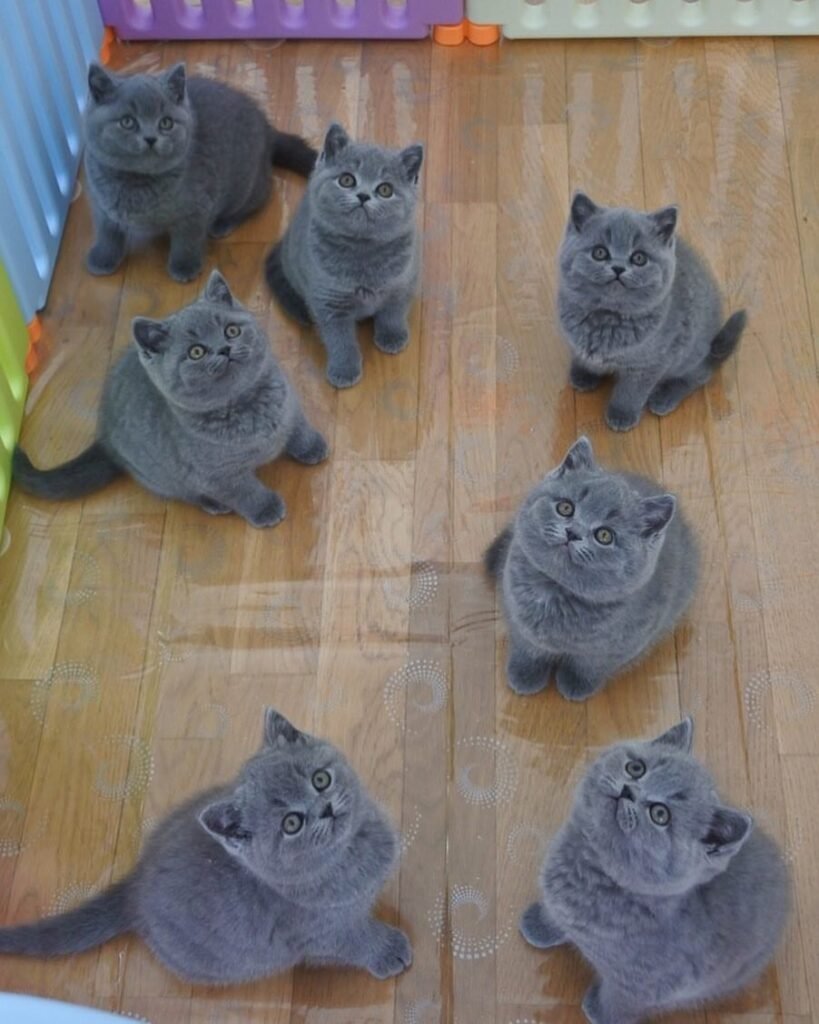
Bringing a new kitten into your home is a delightful experience, and few breeds capture hearts quite like the Blue British Shorthair. Known for their striking blue-gray coats, round faces, and charming personalities, these kittens make the perfect addition to any family. Their laid-back demeanor and affectionate nature make them not only great companions but also suitable for various living situations. In this article, we will explore the unique characteristics of Blue British Shorthair kittens, the benefits of adopting one, and essential tips for care, training, and finding a reputable source for your new feline friend. Whether you’re a first-time pet owner or a seasoned cat lover, the Blue British Shorthair is sure to bring joy and warmth into your home.
Overview of the Blue British Shorthair Breed
History and Origin
The Blue British Shorthair has a history as captivating as a cat video binge on a rainy day. Originating in Britain (who would’ve guessed?), these adorable felines date back to the Roman times when they were brought over to keep homes and ships free of vermin. They eventually became popular in cat shows and were recognized for their unique charm, solidifying their status as one of the UK’s national treasures—right up there with tea and crumpets!
Physical Appearance
With plush, round faces and stocky bodies, Blue British Shorthairs are essentially the teddy bears of the cat world—if teddy bears had charming purrs and the ability to plot world domination (but in a cute way). Their short, dense coat is a stunning powder-blue hue, which is as irresistible as that last slice of pizza you promised yourself you wouldn’t eat. Their large, copper eyes only add to their endearing look, making it impossible to resist giving them a good scratch behind the ears!
Temperament and Personality
These kittens are like the quintessential couch potato buddy—always there for snuggles but never overbearing. Blue British Shorthairs are known for their calm and laid-back demeanor, which makes them perfect companions for anyone from busy professionals to families. They have a gentle disposition and a bit of a regal air, as if they secretly think they’re royalty. Despite their dignified nature, they are also playful and love to engage in a good game of chase (preferably involving a feather toy or laser pointer).
Unique Characteristics of Blue British Shorthair Kittens
Color and Coat Texture
Their signature blue color isn’t just a coincidence; it’s a status symbol in the feline world! The thick, plush coat of a Blue British Shorthair feels as luxurious as it looks. Think of it as wearing a cashmere sweater—snug and warm! Their coats are surprisingly low-shedding, which is a win for anyone who believes in the “less fur, more fun” philosophy.
Size and Growth Patterns
Blue British Shorthair kittens are like those kids in school who hit their growth spurt early—they start off small and cute but quickly become robust, muscular cats. By the time they reach maturity, they can weigh anywhere from 9 to 17 pounds, depending on their genetics and whether they’ve given into the temptation of too many treats. Watch out, as they grow, they’ll become your fluffy little shadows, following you around like your most loyal companion.
Distinctive Features
One look at a Blue British Shorthair, and you’ll notice they have a few distinctive features that set them apart from the rest. Their chubby cheeks and broad, rounded faces could easily win any cuteness contest, while their short, stout legs support their solid build perfectly. Add in those big, expressive eyes, and it’s easy to see why they capture hearts (and Instagram followers) everywhere.
Benefits of Owning a Blue British Shorthair
Companionship and Affection
These little furballs are like living pillows, offering warmth and companionship that can make even the dreariest days brighter. They might not be lap cats in the traditional sense, but when they do decide to snuggle up, it feels like a royal blessing. Their affectionate nature means you’ll always have someone to share your snacks with (or at least to look longing at you while you eat them).
Adaptability to Home Environments
Whether you live in a cozy studio apartment or a sprawling mansion, Blue British Shorthairs are adaptable little companions. They’re just as comfortable lounging on the windowsill watching the world go by as they are embarking on their daily exploration of every nook and cranny of their kingdom (your home). Need a cat that can handle both quiet evenings in and the occasional raucous gathering? Look no further!
Low Maintenance Grooming Needs
If you’re the type who prefers spending time petting your cat rather than grooming them, you’re in luck! Blue British Shorthairs have wonderfully low grooming needs. A good brush every couple of weeks will keep their coat looking fabulous, and they usually handle their own tidying up like pros. That means more playtime and less time spent tangled in cat hair—win-win!
Preparing Your Home for a New Kitten
Creating a Safe Space
Before your new furry friend arrives, it’s essential to set up a safe space that feels welcoming, cozy, and utterly cat-like. This could be a quiet corner with a soft blanket and a few toys—like their own personal cat palace. By giving them a little sanctuary, you allow them to acclimate to their new home at their own pace, which is crucial for avoiding sudden Feline Parkour sessions during their first few days.
Essential Supplies and Gear
Stocking up on essential supplies is the next step in your cat-parent journey. You’ll need the basics—food and water dishes, a litter box with litter, a scratching post (because furniture is not an option), and plenty of toys to keep those little paws and minds busy. Don’t forget a cozy bed for those long, luxurious naps. Your home may end up looking like a feline boutique, but hey, it’s worth it!
Kitten-Proofing Your Home
Think of kitten-proofing as preparing for a tiny, furry tornado. Secure loose wires, hide away hazardous materials, and stash away anything breakable. Snacks that are too delicious should also be kept out of reach (because have you seen those eyes?). By ensuring your environment is safe, you’ll save yourself a lot of stress—and maybe a few broken trinkets—when your little explorer gets the urge to investigate everything!
Essential Care and Maintenance for Blue British Shorthairs
Nutrition and Diet Requirements
To keep your Blue British Shorthair healthy, a balanced diet is key! Look for high-quality cat food that lists meat as the first ingredient and is specifically formulated for their age. Kittens need more calories and nutrients for growth, while adults benefit from a diet that helps maintain a healthy weight. Think of their food as gourmet fuel—because who doesn’t want a well-fed feline? Just remember, treats should be earned, not a daily snack—unless you want them to roll around like a furry bowling ball!
Regular Grooming Practices
Blue British Shorthairs have that luxurious plush coat that begs for attention (and a good brush!). Aim for a weekly grooming session to remove loose fur and reduce shedding. Bonus: It’s a fantastic way to bond. Plus, who doesn’t enjoy an excuse to pet their cat for an extended period? Just be sure to check their ears and trim their nails while you’re at it. You’ll keep your kitty looking sharp and feeling like royalty!
Exercise and Playtime Needs
These charming furballs are playful critters that need regular exercise to channel their inner Cheetah—well, sort of. Engage them in interactive play with feather toys, laser pointers, or the ever-popular cardboard box. Aim for at least 15-30 minutes of playtime daily to keep their minds and bodies agile. Think of it as their feline version of a gym membership, but without the monthly fees (or the treadmill).
Training and Socialization Tips
Basic Commands and Litter Training
Training your Blue British Shorthair is easier than you think! Start with basic commands like “come” and “sit,” using treats as motivation (they are your best friends, remember?). As for litter training, these kitties usually take to it naturally, but make sure to keep their litter box clean—no one likes a dirty bathroom! A little patience and a sprinkle of positive reinforcement can turn your kitten into the well-mannered superstar of the house.
Socializing with Other Pets
Introducing your new kitten to other pets? Take it slow! Start with short, supervised interactions, and gradually increase the time they spend together. Giving your current pets the chance to sniff and get used to the new arrival’s scent beforehand can make all the difference. Think of it as a meet-and-greet, but with a lot more fur flying around. Socialization is key to avoiding drama, so aim for friendships over feline feuds.
Building a Strong Bond with Your Kitten
Bonding with your Blue British Shorthair is as simple as spending quality time together. Engage in play, gentle petting, and even a little vocal chatter (they love to hear you talk!). Treat them to some lap time or brush their fur while chatting about your day. It’s all about creating trust and connection. Before you know it, you’ll be inseparable—your pint-sized partner in crime will be following you around like a shadow!
Health Considerations and Veterinary Care
Common Health Issues in British Shorthairs
While Blue British Shorthairs are generally robust, they can be prone to certain health issues such as hypertrophic cardiomyopathy (a fancy term for heart disease) and obesity. Regular check-ups with your vet will help catch any problems early on; after all, the earlier the intervention, the better! Keep an eye on their weight and behavior—if they’re suddenly less playful or eating less, it’s time to schedule that vet visit.
Routine Veterinary Visits
Routine visits to the vet are like a spa day for your kitty… without the aromatherapy, sadly. Aim for at least once a year for a check-up when they’re healthy, and more frequently if they’re older or have health concerns. These appointments can help ensure your Blue British Shorthair remains fit and fabulous for years to come—a happy kitty equals a happy human!
Vaccination and Preventative Care
Vaccinations are your kitten’s first line of defense! Talk to your vet about a vaccination schedule to protect against common diseases. Preventative care is equally important—flea and tick treatments, along with regular deworming, can keep your Blue British Shorthair healthy and happy. Think of it as their little shield against the outside world; after all, nobody wants a superhero without their cape!
Finding a Reputable Breeder or Adoption Option
What to Look for in a Responsible Breeder
When searching for a breeder, look for one that prioritizes the well-being of their cats over everything else. A responsible breeder will be transparent about health clearances and genetic testing and will allow you to meet the kitten’s parents. Also, don’t forget to ask about their socialization practices—kittens need love and interaction before heading off to their forever homes. Remember, you want a kitten from someone who treats their cats like family, not just a business!
Adoption vs. Buying from a Breeder
Adopting a kitten can be a rewarding experience, while buying from a breeder may give you a specific lineage and health assurance. Both avenues have their perks! Adopting gives a second chance to a lovely furball in need of a home, while a reputable breeder can provide a purebred kitten with known genetics. Whichever route you choose, make sure it fits your lifestyle and that you’re ready for the commitment that comes with adding a little fluff to your life.
Questions to Ask Before Bringing Home a Kitten
Questions are your best friend! Before bringing home your future fuzzy overlord, ask about their health history, socialization, and personality traits. Get to know their vaccine status and any potential dietary needs. You can also inquire about what kind of environment they have been raised in—this can affect their behavior and adaptability. Remember, the more you know, the better you can prepare for your new addition. After all, there’s nothing like a well-informed kitten parent!In conclusion, Blue British Shorthair kittens are a wonderful choice for anyone looking to add a loving and loyal companion to their home. With their unique charm, easygoing temperament, and minimal grooming needs, they fit seamlessly into various lifestyles. By understanding their care requirements and taking the time to socialize and train them, you can ensure a happy and fulfilling relationship for years to come. Whether you choose to adopt or purchase from a reputable breeder, welcoming a Blue British Shorthair into your life is sure to be a rewarding experience.
Frequently Asked Questions
1. How much do Blue British Shorthair kittens typically cost?
The cost of Blue British Shorthair kittens can vary significantly based on factors such as breeder reputation, lineage, and location. On average, you can expect to pay anywhere from $1,000 to $2,500.
2. Are Blue British Shorthairs good with children and other pets?
Yes, Blue British Shorthairs are known for their gentle and friendly nature, making them great companions for children and other pets. Early socialization is key to ensuring they get along well with everyone in the household.
3. What is the lifespan of a Blue British Shorthair?
With proper care, Blue British Shorthairs typically have a lifespan of 12 to 20 years. Regular veterinary check-ups, a balanced diet, and a healthy lifestyle can contribute to a longer, happier life.
4. Do Blue British Shorthairs require special grooming?
No, Blue British Shorthairs have a dense, plush coat that does not require excessive grooming. Regular brushing once a week is usually sufficient to keep their coat healthy and free of mats.