
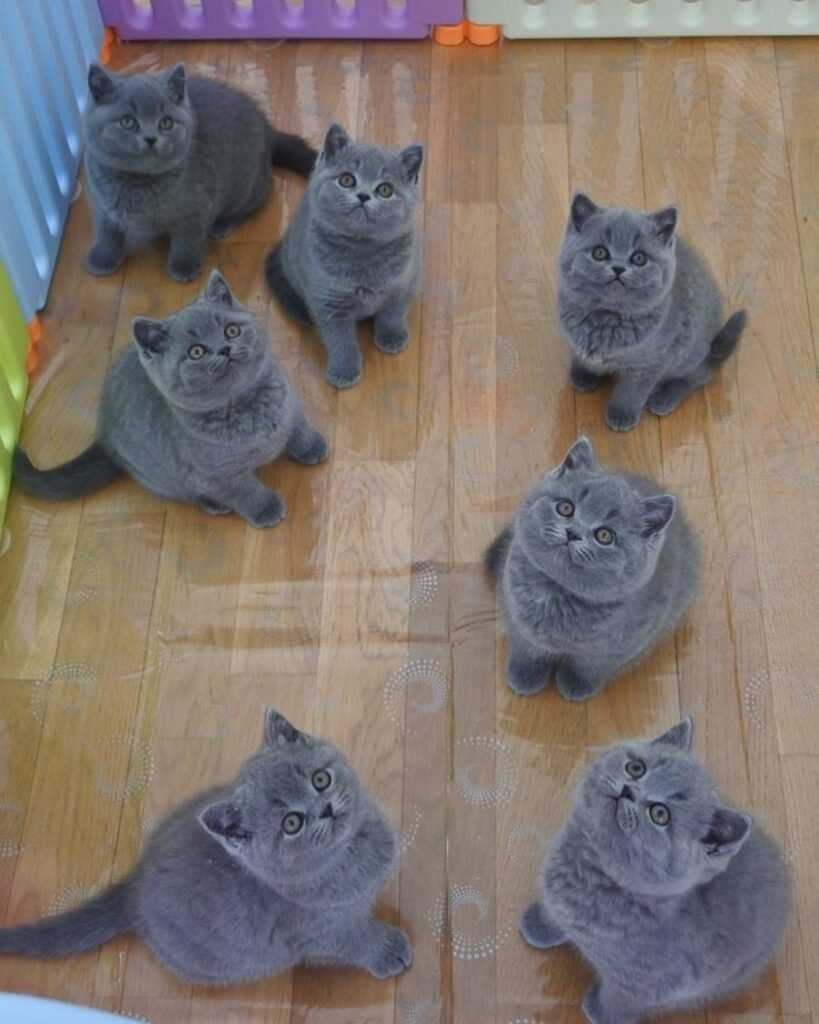
The Blue British Shorthair K is a captivating breed known for its striking appearance and charming personality. As potential owners consider bringing one of these affectionate cats into their homes, understanding the associated costs becomes essential. From initial purchase prices to ongoing care expenses, prospective pet parents must be well-informed to ensure they can provide a loving environment for their new furry companion. This article explores the various factors influencing the cost of Blue British Shorthair K cats, helping you make an informed decision about this delightful breed.
Overview of the Blue British Shorthair K
History and Origin
The Blue British Shorthair K’s history is as rich as its plush fur. This breed hails from the United Kingdom and dates back to the Roman times, when these charming cats were prized for their hunting skills and companionship. The Blue variant, with its striking gray coat, became particularly popular in the late 19th century, eventually winning hearts— and cat shows— across the globe. Imagine a regal feline, lounging on a Victorian chaise, and you’ll get the vibe!
Physical Characteristics
A Blue British Shorthair K boasts a round face, dense coat, and big, expressive eyes that seem to hold all the secrets of the universe (or at least the best sun spots in your living room). Their stocky, muscular build makes them look like little beefy teddy bears, while their short, plush coat comes in a delightful shade of blue-gray. These cats are the definition of “cuddle-worthy” and come with a side of “I look great in any Instagram filter.”
Temperament and Behavior
When it comes to personality, Blue British Shorthair Ks are the laid-back philosophers of the cat world. They’re known for their calm demeanor, making them wonderful companions for families, singles, and everyone in-between. They enjoy a good lounge but will happily engage in playtime when the mood strikes. While they aren’t overly demanding, they appreciate the occasional chin scratch and will reward your affection with a gentle nudge or a slow blink— that’s cat code for “I love you.”
Factors Influencing the Cost
Breeder Reputation
As with any trend, not all breeders are created equal. A reputable breeder who prioritizes health and temperament over profit will generally charge more for their kittens. This premium goes towards ensuring your future feline is well-bred and socialized. Think of it as investing in a lifetime of companionship versus a questionable deal from a cat in a random alley (trust us, that’s a gamble you don’t want to take).
Genetic Lineage
A Blue British Shorthair K with a lineage boasting show-winning ancestors will cost more than those with a “just your average cat” family tree. Purebred cats with impressive genetic backgrounds not only come with a price tag but also a potential for fewer health issues. After all, wouldn’t you want a cat that comes from a line of genetically blessed kitties?
Geographic Location
Where you live can seriously impact the price of a Blue British Shorthair K. For instance, if you’re in a major city with a high demand for pets, prices are likely to skyrocket. Conversely, in more rural areas, you may find a better deal (or at least save on your morning coffee while you kitten shop). Just remember, if you’re traveling to get the cat of your dreams, factor in those travel costs!
Average Price Range for Blue British Shorthair K
Pet Quality vs. Show Quality
On average, a Blue British Shorthair K can range from $1,500 to $3,000. Pet quality (aka “the fuzzy couch companion”) tends to be on the lower end of the scale, while show quality (the future cat mom/dad of grand champions) comes with a heftier price. If you’re aiming for a feline superstar, be prepared to shell out a little more cash, but remember, their cuteness is priceless.
Variations in Pricing by Region
Pricing can vary wildly depending on where you’re buying from. In places like New York or Los Angeles, expect prices to be spicier due to higher demand. Meanwhile, in a small town, you might snag a deal that leaves your wallet feeling a little heavier. Keep in mind that the market can shift like a sneaky cat—so it pays to do your homework and compare prices before making any commitments.
Initial Expenses and Setup Costs
Adoption Fees vs. Purchase Costs
Whether you’re adopting or buying, each route comes with its own set of expenses. Adoption fees from shelters usually range from $50 to $200, which often includes vaccinations and spaying/neutering. Purchasing from a breeder can set you back $1,500 or more, but you’re also getting a kitten with a pedigree (and possibly a fancy birth certificate). Ultimately, your choice hinges on your preferences and how much you want to spoil your new feline overlord.
Essential Supplies and Equipment
Before you bring home your new furball, prepare for some initial setup costs. Think litter boxes, scratching posts, cozy beds, and toys that will eventually end up under your couch. Budget anywhere from $200 to $500 for the essentials. It’s like outfitting a tiny furry apartment—only way cuter. Don’t forget a good food and water dish (because hydration is key, even for kitties), and maybe a cat tree to witness your furry friend ruling their kingdom from the highest perch!
Ongoing Care and Maintenance Costs
Food and Nutrition
Feeding your Blue British Shorthair K isn’t just a matter of tossing some kibble in a bowl and calling it a day. These fluffy dynamos require a high-quality diet to keep their fur looking fabulous and their hearts happier than a cat in a sunbeam. Expect to spend around $30-$60 per month on premium cat food, keeping in mind that the better the diet, the less you’ll spend on vet bills later. And don’t forget those delicious treats – they can easily add another $10-$20 to your monthly budget!
Regular Veterinary Care
Vet visits are the adulting part of pet ownership we all dread (right up there with taxes). For your Blue British Shorthair, budget about $200-$300 a year for routine check-ups, vaccinations, and preventative care. This includes the occasional splurge on flea treatments and dental care – because let’s face it, no one wants a toothless kitty! Spaying or neutering will add an upfront cost, typically around $100-$200, but consider it an investment in both your cat’s health and your sanity.
Grooming Needs
While Blue British Shorthairs are famous for their plush, velvety coats, they’re not quite the high-maintenance divas you might expect. They do require regular brushing to avoid matting and hairballs, especially during shedding seasons. A good brush is about $15-$30, and if you decide to employ professional grooming services, budget $40-$80 per session. If you’re feeling adventurous, group your grooming sessions with your cat’s favorite movie for a fun DIY experience.
Additional Costs: Health, Grooming, and Insurance
Common Health Issues
These charming cats aren’t just a pretty face; they can come with some health quirks. British Shorthairs are prone to certain conditions like hypertrophic cardiomyopathy (fancy words for heart problems) and obesity (thanks to those irresistible treat-filled eyes). Regular vet check-ups and a controlled diet can help keep these issues at bay, but budget for potential health-related expenses which could range from $100 to $1,000 per year depending on the severity of issues.
Pet Insurance Options
Pet insurance is like that safety net you hope you’ll never need, but it’s nice to have… just in case your furball decides to channel their inner acrobat and lands in a heap of trouble. Depending on the coverage you choose, expect to pay between $25-$50 a month. Look for plans that cover accidents, illnesses, and maybe even those pesky dental cleanings. It’s worth reading the fine print—it’s not all catnip and sunshine!
Grooming Services and DIY Options
Whether you prefer to splash out at a fancy pet spa or host your own grooming party, your cat’s grooming can fit any budget. Professional grooming may set you back around $40-$80 each time, but if you’re all about that DIY life, you can keep costs low with regular brushing at home and the occasional trim with safety scissors. Just remember, the first rule of DIY grooming is never try to turn your cat into a lion – it rarely ends well for anyone involved.
Budgeting for a Blue British Shorthair K
Creating a Monthly Budget
Creating a budget for your new feline overlord can be as simple as dividing your expenses into bite-sized pieces. Start with the essentials: food, litter, grooming, and vet care. Don’t forget to sprinkle in some fun stuff, like toys and treats – after all, happy cats lead to happy humans! Using a spreadsheet or an app can help you stay on track and avoid those late-night impulse treat purchases.
Emergency Fund for Unexpected Expenses
Cats are notorious for their unpredictable antics, so having an emergency fund is like having a superhero cape in your back pocket. Aim to set aside at least $200-$500 for unexpected vet visits or any surprise cat-related drama (like when they decide the neighbor’s garden is the perfect bathroom). With a little financial cushion, you can breathe easier knowing you’re prepared for whatever mischief your Blue British Shorthair might get into.
Conclusion: Evaluating the Investment
Long-Term Commitment
Owning a Blue British Shorthair K isn’t just a fleeting adventure; it’s more like a long-term relationship where you can expect to share your heart (and lap) for about 12-20 years. This commitment involves ongoing love, snuggles, and a bit of cash. But with that furry companion by your side, the reward is truly priceless.
Emotional and Financial Rewards
Let’s be honest: the financial investment in a Blue British Shorthair K often pales in comparison to the emotional ROI (return on investment). Those cuddle sessions, comforting purrs, and quirky antics are worth every penny. Plus, you’ll gain a fabulous companion ready to liven up your home and keep you entertained for years to come. So, while the costs may add up, remember that love is what truly counts—and that’s the best kind of currency!In conclusion, owning a Blue British Shorthair K can be a rewarding experience, but it’s important to be fully aware of the financial commitments involved. By understanding the costs associated with purchasing, caring for, and maintaining this breed, you can better prepare for the responsibilities of pet ownership. With careful planning and budgeting, you can ensure a happy and fulfilling life for both you and your new feline friend.
FAQs
1. What is the average price of a Blue British Shorthair K?
The average price for a Blue British Shorthair K typically ranges from $1,500 to $3,000, depending on factors such as lineage, breeder reputation, and location.
2. Are there any ongoing costs associated with owning a Blue British Shorthair K?
Yes, ongoing costs include food, regular veterinary care, grooming, and pet insurance, which can add up over time.
3. How can I find a reputable breeder for a Blue British Shorthair K?
Research local breeders, read reviews, and ask for recommendations from veterinarians or pet owners to ensure you choose a responsible and reputable breeder.
4. Do Blue British Shorthair K cats have any specific health issues I should be aware of?
While generally healthy, Blue British Shorthair K cats can be prone to certain genetic conditions, such as hypertrophic cardiomyopathy (HCM). Regular veterinary check-ups can help monitor their health.