
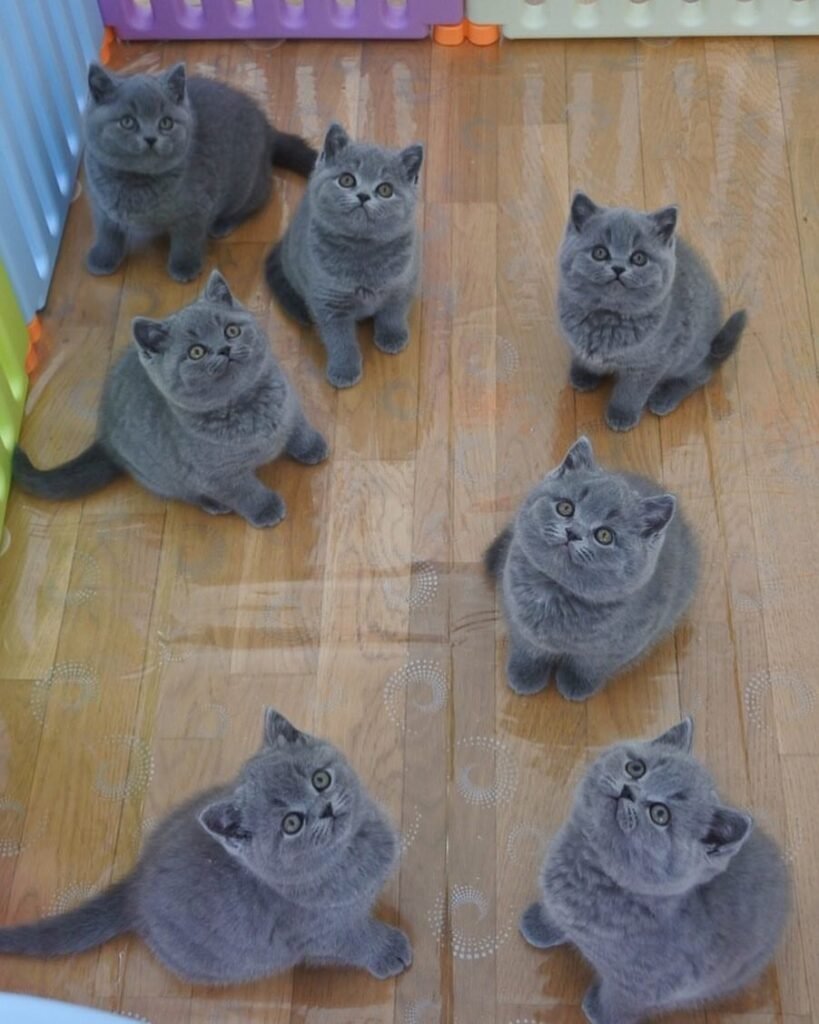
The Blue British Shorthair is a charming and affectionate breed, known for its striking appearance and laid-back personality. With their plush, dense coat and round, expressive faces, these kittens have captured the hearts of cat lovers around the world. As you consider welcoming a Blue British Shorthair into your home, it’s essential to understand their unique characteristics, health considerations, and the responsibilities that come with cat ownership. This article will guide you through everything you need to know about finding the perfect Blue British Shorthair kitten for sale, from selecting a reputable breeder to preparing your home for a new feline friend.
Overview of Blue British Shorthair Kittens
History of the Breed
The British Shorthair, a true English gentleman, has a history that dates back to Roman times. These kittens were bred from domestic cats brought to Britain by Roman invaders to control the rodent population. Over the centuries, the breed evolved, gaining charm and a robust physique, before officially being recognized in the late 19th century. While their origins are humble, these felines have become one of the most beloved breeds, with the blue variant catching the eye of cat lovers everywhere.
Distinctive Features
Blue British Shorthair kittens are known for their plush, dense coats that resemble a soft, cuddly cloud—seriously, it’s like hugging a marshmallow! Their fur is a stunning shade of blue-gray, which can make even the grumpiest of cats look regal. They have round faces, copper or gold eyes that twinkle with mischief, and their stocky bodies make them the perfect lap warmers. And let’s not forget those chubby cheeks; they’re the feline equivalent of a permanent childhood chubby phase!
Characteristics and Temperament
Physical Traits
These kittens are compact and muscular, with a weight range of about 4 to 9 pounds by adulthood, although some might be a bit heftier—thanks, in part, to those adorable treat-filled eyes! Their legs are sturdy, and their paws are rounded, giving them a solid appearance. The short, plush coat requires minimal grooming, which is great news for anyone who wants a stylish cat without breaking a sweat.
Personality and Behavior
Blue British Shorthairs are often described as easygoing and adaptable. They have a calm demeanor, making them the zen masters of the feline world. While they’re not as demanding as some other breeds, they enjoy human companionship and will often follow you around—think of them as your fluffy shadow. They’re playful and enjoy engaging in games, but they are equally content lounging on the sofa watching Netflix with you (they’re particularly fond of documentaries about fish).
Compatibility with Families and Other Pets
These kittens are typically great with families, making them suitable for homes with children. They are also known to get along well with other pets, including dogs, as long as everyone is introduced properly. Their easygoing nature means they won’t hold a grudge if a puppy gets a little too rambunctious during playtime. Essentially, they’re the social butterflies of the cat world!
Health Considerations
Common Health Issues
While Blue British Shorthairs are generally healthy, they can be prone to certain conditions like hypertrophic cardiomyopathy (HCM) and obesity. Regular check-ups and being mindful of their diet can help mitigate these risks. Keeping an eye on their weight is like keeping tabs on that one friend who can’t resist a dessert buffet!
Vaccination and Regular Check-ups
Routine vaccinations are essential to protect your kitten against common feline diseases. Regular vet visits should also be part of your kitten’s life plan—think of it as their version of an annual check-up, just like you have. Staying on top of their health will help ensure they live a long, happy life, filled with chin scratches and sunbeam lounging.
Nutrition and Diet Recommendations
Feeding your Blue British Shorthair a balanced diet is crucial. High-quality cat food, whether dry or wet, should be the base of their meals. Make sure to follow the feeding guidelines based on their age and weight, as those extra treats can quickly add up. And no, a piece of your pizza does not count as a treat. (Trust me, they’ll try to convince you otherwise.)
Finding a Reputable Breeder
What to Look for in a Breeder
A good breeder should be knowledgeable about the breed and show a genuine passion for their kittens. Look for someone who prioritizes health and temperament, and who provides a clean, safe environment for their cats. This person should also be able to offer socialization and early training—a must for raising a well-adjusted kitten.
Questions to Ask Potential Breeders
When meeting with potential breeders, don’t be shy! Ask about the kitten’s lineage, how they handle socialization, and what health testing has been done. Inquire about the kitten’s environment and whether they have been exposed to different sounds and experiences. A reputable breeder will appreciate your curiosity and will be happy to share all the adorable details.
Red Flags to Watch Out For
Beware of breeders who are only interested in making a sale. If they seem indifferent to your questions or can’t provide proper documentation, that’s a major red flag. Also, if the environment feels cramped or unhealthy, it’s best to walk away. Remember, you’re not just looking for a kitten; you’re seeking a future furry family member!
Price Range and Cost Factors
Average Price of Blue British Shorthair Kittens
If you’re head over heels for a blue British Shorthair kitten, be prepared to fork over some serious cash. On average, these charming furballs can set you back anywhere from $1,500 to $3,000. Yes, that’s right—your new cuddly companion might cost as much as a small used car! Prices can vary significantly based on factors like the breeder’s reputation, pedigree, and location.
Factors Influencing Price
Several factors contribute to the price tag of your soon-to-be best friend. Breeder reputation is key; esteemed breeders often charge more for their kittens because they ensure proper health checks and socialization. Additionally, kittens with champion bloodlines or those who flaunt particularly stunning features (like those mesmerizing copper eyes) might carry a heftier price. Location also plays a role; urban areas may see higher prices due to demand.
Additional Costs to Consider
Don’t forget about the hidden costs lurking in the shadows! Aside from the initial purchase price, factor in routine expenses like vaccinations, spaying or neutering, quality food, litter, toys, and, of course, that stylish scratching post they absolutely need. Expect to spend an additional $500 to $1,000 annually on ongoing care—because your fuzzy overlord deserves the best!
Preparing Your Home for a Kitten
Essential Supplies and Gear
Before your fluffy friend arrives, you’ll want to assemble a ‘kitten starter pack’ worthy of royalty. Essential supplies include a cozy bed, litter box, scratching post, food and water bowls, high-quality kitten food, and a few toys to keep them entertained. Don’t skimp on the cat tree; little fluffballs love to scale heights and survey their kingdom!
Creating a Safe Environment
Kittens are curious little explorers—think of them as fluffy ninjas! To keep your home safe, kitten-proof your space by hiding electrical cords, securing loose items, and removing plants that could be harmful if chewed. Create a cozy, safe nook for your kitten to retreat to when they need a break from their relentless adventures.
Introducing Your Kitten to Their New Home
When it comes to the big introduction, let your new furry friend take the lead. Give them a quiet room with their essentials, and allow them to explore at their own pace. Be patient and let them sniff out their new digs. Offer treats and gentle pets to help them feel at home, and soon enough, they’ll be treating you like their loyal subject.
Care and Maintenance Tips
Grooming Requirements
The blue British Shorthair’s plush coat is like a cuddle magnet, but it does require some TLC. Plan on brushing your kitten at least once a week to prevent mats and keep their fur looking fabulous. Regular grooming helps reduce shedding and gives you an excuse to bond over some quality snuggle time.
Training and Socialization
Early training and socialization are crucial for a well-adjusted kitty. Start with basic commands like “sit” and “come” using positive reinforcement—think treats and praise rather than stern glares (cats don’t understand disappointment). Introduce them to different people, pets, and environments to help them grow into confident explorers.
Play and Exercise Needs
Kittens are bundles of energy, and they need plenty of playtime to stay happy and healthy. A variety of toys, from feather wands to laser pointers, will keep them entertained and stimulated. Schedule daily play sessions to keep your furry friend active, and don’t be surprised if they turn your toes into their next target!
Frequently Asked Questions
How to Choose the Right Kitten
Selecting the perfect kitten can feel like a dating game—there’s chemistry, cuteness, and sometimes unexpected quirks! Look for a kitten that seems outgoing and playful, but also observe their interactions with littermates. Ask the breeder about temperament and health history to ensure you’re making a solid match.
What to Expect in the First Few Weeks
The first few weeks with your new kitten will be a whirlwind of paw-some moments and a few surprises. They might be a bit shy initially, but given time, they’re likely to take over your heart and home—along with every piece of furniture. Expect playful antics, a variety of adorable sounds, and possibly the odd ‘knock-all-the-things-off-the-shelf’ incident.
Long-term Commitment and Responsibilities
Bringing a blue British Shorthair into your life means signing up for a long-term commitment, usually around 15 years or more. This means monthly expenses, regular vet visits, and a lot of love and attention. But in return, you’ll get an unwavering companion that will brighten even your gloomiest days—because who can resist that adorable squishy face?In conclusion, bringing a Blue British Shorthair kitten into your home can be a rewarding experience filled with companionship and joy. By understanding their needs, finding a reputable breeder, and preparing your environment, you can ensure a smooth transition for your new furry friend. Remember that responsible ownership involves ongoing care, love, and attention, which will strengthen the bond between you and your kitten for years to come. Embrace the journey, and enjoy all the delightful moments that come with having a Blue British Shorthair in your life.
Frequently Asked Questions
How do I choose the right Blue British Shorthair kitten for me?
When selecting a kitten, consider factors such as personality, energy level, and compatibility with your lifestyle. Spend time interacting with the kittens to see which one you connect with the most.
What should I feed my Blue British Shorthair kitten?
A balanced diet of high-quality kitten food is essential for their growth and development. Look for options that are rich in protein and formulated specifically for kittens, and consult your veterinarian for personalized recommendations.
How often should I groom my Blue British Shorthair?
Blue British Shorthairs have a thick, plush coat that benefits from regular grooming. Aim to brush your kitten at least once a week to prevent matting and reduce shedding, especially during seasonal changes.
Are Blue British Shorthairs good with children and other pets?
Yes, Blue British Shorthairs are generally known for their gentle and adaptable nature, making them suitable companions for families with children and other pets. Early socialization can help ensure they are well-adjusted and comfortable in various environments.