
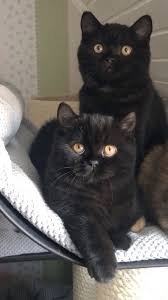
Adopting a British Shorthair kitten is a delightful decision for any cat lover, but when it comes to the rare black variety, the charm reaches new heights. Known for their plush coats, round faces, and affectionate personalities, British Shorthairs have long captured the hearts of pet enthusiasts around the world. This article delves into the unique traits of the rare black British Shorthair, providing essential insights into their care, training, and health considerations. Whether you’re a first-time pet owner or a seasoned feline enthusiast, discovering the joys of welcoming a black beauty into your home will surely enhance your life and create unforgettable memories.
The Allure of the British Shorthair Breed
History and Origin
The British Shorthair’s royal lineage dates back to the ancient Romans who brought their feline companions to Britain. These sturdy cats were beloved for their hunting prowess, keeping a keen eye on rodents while lounging around the palaces. Over the years, they’ve evolved into the charming, stocky cats we adore today. Legend has it they were also the inspiration for Lewis Carroll’s Cheshire Cat—talk about a legacy!
Distinctive Features and Traits
With a face that could melt the iciest of hearts, British Shorthairs boast round cheeks, a broad skull, and those iconic big, expressive eyes. Their dense, plush coats come in a rainbow of colors, but our focus here is on the rare black beauties—sleek, shiny, and utterly captivating. Equipped with a sturdy body and short legs, these cats can easily pass for little furry tanks, ready to roll into your heart (and lap).
Characteristics of the Rare Black British Shorthair
Appearance and Coat Quality
The rare black British Shorthair is a sight to behold! Their coat is a rich, deep black that glistens in the light, making them look like a walking shadow with attitude. The texture is dense, allowing for a cozy snuggle session. Who could resist that velvety softness? Plus, their round faces and stocky builds all contribute to an undeniable charm that’s hard to ignore.
Temperament and Personality
Black British Shorthairs are often described as the “gentle giants” of the feline world. They tend to have a calm demeanor and are incredibly affectionate without being overly clingy—like that friend who respects your personal space but is always up for a movie night. They are intelligent, curious, and quite playful, meaning they’ll entertain you with their antics while maintaining a regal air, as if they were born to rule your home.
Essential Care Tips for Your New Kitten
Nutrition and Diet
Feeding your black beauty the right food is crucial. Look for high-quality cat food that meets all their dietary needs—after all, they can’t survive on just royal treats alone! Balanced nutrition will help your kitten grow strong and healthy, but don’t be surprised if they develop a penchant for gourmet meals. Spoiling them once in a while won’t hurt, right?
Grooming Needs
Although British Shorthairs have short coats, regular brushing is still necessary to keep their fur looking fabulous. A good brushing once a week should do the trick, helping to minimize shedding and those occasional hairballs. Plus, it’s a great bonding opportunity—just think of it as a spa day for your kitten, where they can feel like a pampered celebrity.
Regular Veterinary Care
Keeping your kitten’s health in check is non-negotiable. Schedule those vet visits for vaccinations, check-ups, and preventive care. Besides, your vet will have plenty of tips on keeping your furry friend sprightly and healthy. And let’s be honest, they’re going to need to show off their cuteness to the world, so no skipping those important appointments!
Socialization and Training for British Shorthairs
Early Socialization Techniques
Starting with socialization early is key to raising a well-adjusted British Shorthair. Introduce your kitten to various sounds, people, and other pets gradually. Playdates with friendly animals can work wonders too! Think of it as preparing them for their eventual reign as the neighborhood’s most beloved feline.
Basic Training Commands
Training your British Shorthair needn’t be a battle; it can be fun! Start with basic commands like “sit” and “come,” using treats as incentives. Keep sessions short and engaging—unless you want your kitten to give you that “do I look like I care?” look. Patience is your best friend here; after all, they may be adorable, but they have their own agendas!
Health Considerations for Your Black Beauty
Common Health Issues
British Shorthairs are generally healthy, but like any breed, they have their quirks. Be on the lookout for conditions like hypertrophic cardiomyopathy (a fancy term for heart disease), hip dysplasia (because who knew cats could have hip problems?), and obesity (because they can’t resist a good treat). Regular vet check-ups are your ticket to keeping your feline friend in tip-top shape!
Preventative Measures and Vaccinations
Prevention is key! Ensure your kitten gets essential vaccinations to keep nasty viruses at bay (no one wants a kitty with the sniffles). Regular flea treatments, a good diet, and lots of playtime can help prevent obesity. Early spaying or neutering is also a must—who needs kittens when you have the cutest Black Beauty right at home?
Finding a Reputable Breeder
What to Look for in a Breeder
Not all breeders are created equal! Look for someone who loves cats as much as you do—check their reviews and see if they’re willing to show you their breeding environment. A good breeder should have a clean, safe, and loving space. They should also be health screening and provide paperwork to prove it. If the kittens are living in a room filled with toys and sunshine, and not just locked away in a cupboard, you’re on the right path!
Questions to Ask Before Adopting
Don’t be shy! Get your detective hat on and ask your potential breeder some key questions. Inquire about the kitten’s health history, any vaccinations they’ve had, and the kitten’s temperament—because you want a playful ball of fluff, not a drama queen. And remember, a good breeder will be happy to answer all your burning questions and ensure their kittens go to loving homes!
Preparing Your Home for a Kitten
Creating a Safe Environment
Kittens are curious little explorers, so it’s time to kitten-proof your castle! Make sure to remove any toxic plants (they will go for them like it’s a buffet), secure cords, and stash away anything breakable. Create a cozy space with a warm bed and some toys to keep those tiny paws busy. Also, double-check that your window screens are secure—because free-falling isn’t on the kitten’s bucket list!
Essential Supplies and Equipment
Before your new fluffy overlord arrives, stock up on essential supplies: litter box (with litter—trust us, it makes a difference), food and water dishes (because they must be fed in style), scratching posts (to protect your furniture from their lethal claws), and, of course, a plethora of toys to ensure they never look bored. Bonus points for treats—they’re the key to a kitten’s heart!
The Joys of Owning a British Shorthair
Building a Bond with Your Kitten
Building a bond takes time but trust us, it’s worth it! Spend quality time together: play, cuddle, and let your Black Beauty know they’re the center of your universe. Cats are like tiny, furry ninjas that often need a little coaxing to come out of their shells. Patience is key—and remember, treats work wonders!
Unique Behaviors and Quirks
Get ready for some adorable antics! British Shorthairs are known for their charmingly quirky behaviors—like that time they thought the cardboard box was their throne or when they decided your lap is the perfect napping spot. They’re affectionately known for their “smile” and laid-back demeanor, so expect lots of lazy cat days and occasional bursts of playfulness that will leave you giggling! In conclusion, adopting a rare black British Shorthair kitten brings not only a beautiful companion into your home but also a source of joy and affection that will enrich your life. By understanding their unique characteristics and providing the right care, training, and socialization, you can ensure a happy and healthy environment for your new furry friend. Embrace the adventure of pet ownership and enjoy the delightful moments that come with having a black beauty by your side.
FAQs
What makes the black British Shorthair so rare?
The black British Shorthair is considered rare due to the unique genetics required to produce the solid black coat, making them less common than other color variations within the breed.
How do I socialize my British Shorthair kitten?
Socializing your British Shorthair involves exposing them to various people, environments, and sounds early on. Use positive reinforcement techniques, such as treats and praise, to help them feel comfortable and confident.
What should I feed my British Shorthair kitten?
A high-quality, balanced diet specifically formulated for kittens is essential for their growth and development. Look for foods rich in protein and essential nutrients, and consult your veterinarian for tailored recommendations.
How much grooming does a black British Shorthair require?
Black British Shorthairs have dense, plush coats that require regular brushing, ideally once a week, to minimize shedding and prevent matting. Additionally, regular grooming helps maintain their coat’s health and shine.