
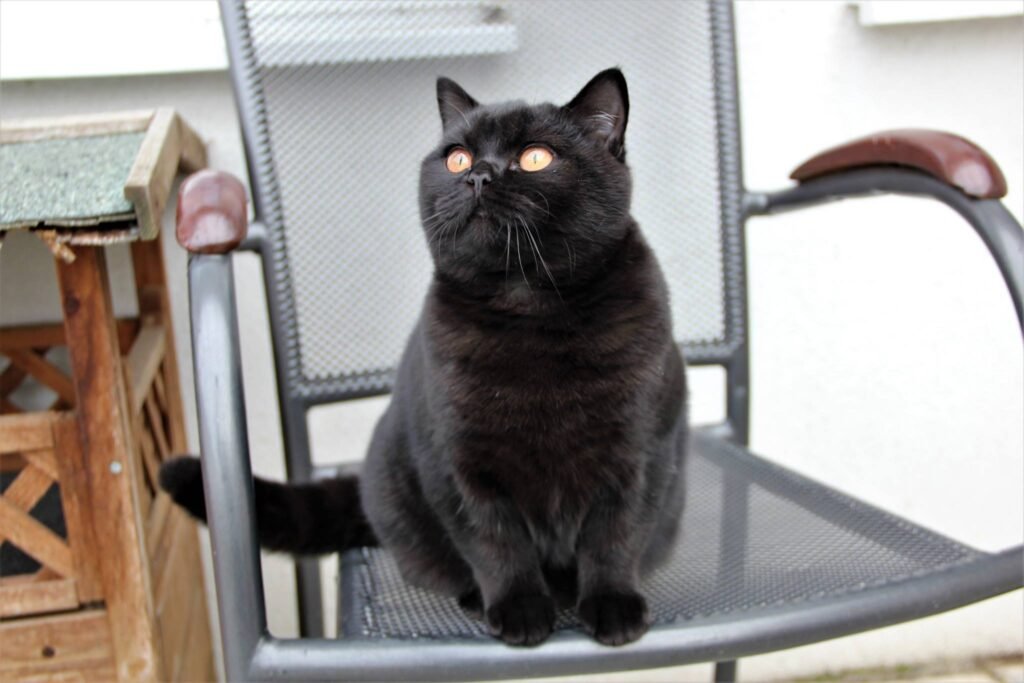
Bringing a Black British Shorthair kitten into your home can be an exciting and fulfilling experience. Known for their charming personalities and distinctive appearance, these kittens require thoughtful consideration before you make a purchase. To ensure that you choose the right companion for your lifestyle, it’s essential to ask the right questions. This article will guide you through the most important inquiries to make regarding breed characteristics, health considerations, breeder credibility, and care requirements, helping you to make an informed decision and provide a loving environment for your new furry friend.
Understanding the Breed: Characteristics of Black British Shorthair Kittens
Physical Traits and Appearance
Black British Shorthair kittens are the epitome of feline charm, sporting a plush, dense coat that resembles a luxurious velvet throw. Their striking copper or gold eyes can melt the coldest heart, while their broad, rounded heads and chubby cheeks bestow a look of wisdom (or possibly, mischief). With a sturdy build and muscular frame, they come equipped for both lounging and playful antics—because let’s be honest, life is all about balance!
Personality and Behavior
These kittens are not just a pretty face; they possess a delightful mix of playfulness and calm. Expect a loving nature that doesn’t scream for attention 24/7 but will definitely alert you when it’s time for snacks (the universal language of cats). They are moderately active, making them great companions for both quiet evenings and spontaneous bouts of zoomies. Their affectionate yet independent spirit means they’ll happily curl up on your lap while simultaneously contemplating the mysteries of the universe (or, you know, that one dust bunny under the couch).
Life Expectancy and Health Considerations
With proper care, these fluffy companions typically live between 12 to 20 years. Yes, you heard right—just when you think you’ve found the ultimate lap warmer, they could be around long enough to finish that Netflix series you keep meaning to start. Be aware of common health issues, like heart conditions and obesity; it’s important to prioritize regular veterinary check-ups. Because let’s face it, your kitten might have their heart set on 20 years of pampering, and who can deny them that?
Health and Wellness: Key Questions About Genetic Testing
Common Genetic Disorders in British Shorthairs
Like a secret club, some health issues lurk behind the cute faces of British Shorthairs. Common genetic disorders include Hypertrophic Cardiomyopathy (HCM), which affects heart function, and certain eye disorders. Familiarizing yourself with these conditions can be as important as knowing your kitten’s favorite toy—because nobody wants a surprise when you’re expecting cuddles.
Importance of Health Screenings
Health screenings are the equivalent of a cat’s annual check-up, and no, you can’t just bribe them with treats to avoid it. Regular vet visits help catch any potential health concerns early on, allowing you to address them before they become serious. Think of it as preventative maintenance—like changing the oil in your car, but cuter and decidedly less greasy.
Vaccination and Preventative Care
Vaccination is like the superhero cape for your kitten, providing essential protection against diseases. Make sure your little friend is up-to-date on their shots and flea treatments because, let’s face it, nobody wants to be that cat owner who unknowingly adopts an army of tiny invaders alongside their new furry roommate. Regular check-ups and a good diet are crucial for ensuring a long and healthy life filled with cozy naps and sunbeam lounging.
Breeder Credentials: How to Identify a Reputable Source
Researching Breeder Reputation
Before you dive headfirst into kitten ownership, take a moment to put on your detective hat. Research breeders thoroughly—look for reviews, testimonials, and maybe even a behind-the-scenes YouTube tour of their cattery. A reputable breeder will be proud to share their knowledge and experiences, because they know their kittens are the real stars of the show.
Questions to Ask Your Breeder
When you finally reach out, have a list of questions handy. Inquire about the kitten’s lineage, health screenings, and socialization practices. A responsible breeder will be more than happy to share these details, possibly even while showing off photos of their other adorable furballs. Remember, you want to ensure that your future feline friend comes from a loving, healthy environment—after all, they’re about to become your new partner in crime!
The Importance of Visiting the Breeder
If possible, schedule a visit to the breeder. This is like auditioning for a feline reality show: you’ll want to see how the kittens behave in their natural habitat. Observe how they treat their cats and how the kittens interact with humans. If the breeder insists on meeting you in a secret location, raise an eyebrow and maybe consider a different choice. Transparency is key!
Socialization and Temperament: What to Expect from Your Kitten
Early Socialization Practices
Early socialization is pivotal because it shapes your kitten’s future interactions. Reputable breeders will often begin this process, introducing the kittens to various sights, sounds, and experiences. This helps prepare them for life outside the breeding den, turning them from wide-eyed fluff balls into confident, social cats ready to take on the world—or at least your living room.
Interaction with Other Pets and Children
If you have other pets or kiddos, consider how your kitten will fit into the family dynamic. British Shorthairs tend to have a great temperament, but some introductions could require a bit of finesse. Gradually exposing your new furry friend to their new entourage will ensure everyone plays nice and sings “Kumbaya” together in harmony.
Understanding Behavioral Traits
Finally, get ready to decode the adorable quirks of your kitten’s personality. While they typically display a calm demeanor, each kitty is a unique bundle of surprises. Some might love to perch on your shoulder like a furry parrot, while others may prefer the quiet life of a sunbather. The key is to embrace their individualism and nurture it—after all, every great story needs a colorful cast of characters!
Care Requirements: Diet, Grooming, and Exercise Needs
Recommended Diet for Optimal Health
Feeding your Black British Shorthair kitten the right diet is crucial for their growth and overall health. Look for high-quality kitten food that lists meat as the first ingredient—because, let’s face it, kittens are little carnivores. A mix of dry and wet food can be a delightful feast for their taste buds. And don’t skimp on the water! Hydration is key, especially if they’re on a dry food diet. Just steer clear of cheap fillers; you want your fur baby to thrive, not just survive.
Grooming Tips for Black British Shorthairs
Despite their luscious, dense coat, Black British Shorthairs don’t require excessive grooming—lucky you! A weekly brushing will help remove loose hairs and keep their coat looking sleek and shiny. Use a soft-bristle brush to avoid any kitty drama, and keep an eye on those adorable ears; a gentle wipe with a damp cloth can keep them clean. Regular nail trimming is also essential to avoid transforming your furniture into a scratching post!
Exercise Routines and Playtime Activities
These playful purrballs have energy to burn! Daily playtime—think feather toys, laser pointers, and those irresistible crinkly balls—is essential for their physical and mental well-being. Aim for at least 20-30 minutes of interactive play each day. And don’t forget about climbing! Invest in a cat tree or shelves to satisfy their inner mountaineers. Who needs a gym membership when you have a kitten?
Financial Considerations: Initial Costs and Long-Term Expenses
Purchase Price of Kittens
The cost of a Black British Shorthair kitten can vary like a cat’s mood. Expect to dish out anywhere from $1,500 to $3,000, depending on the breeder, location, and whether the kitten has any fancy pedigree. Remember, investing in a reputable breeder is worth every penny for a healthy, well-socialized kitty that will keep you entertained with their antics for years to come.
Ongoing Healthcare and Veterinary Costs
Your budget should also include the not-so-fun but essential veterinary visits. Routine check-ups, vaccinations, and spaying/neutering can quickly add up, averaging about $300 to $500 annually. Plus, emergency vet visits can lead to some serious financial surprises that could rival a surprise cat tree purchase. Keeping your furry friend healthy is priceless, but planning for it is wise!
Additional Expenses: Food, Supplies, and Insurance
Once the initial purchase is behind you, the fun doesn’t end! Factor in food, litter, toys, and grooming supplies—which can amount to $50 to $100 per month. And consider pet insurance. It’s like a safety net for your wallet in case of unexpected health issues—typically running around $20 to $50 a month. Remember, a happy kitten means a happy wallet… eventually!
Preparing Your Home: Creating a Safe Environment for Your Kitten
Essential Supplies for New Kittens
Before your new furry friend arrives, stock up on the essentials: a comfy bed (because naps are serious business), food and water bowls, a litter box, and plenty of toys—think more toys than you’ll ever need. Also, grab some scratching posts to protect your furniture and a good brush for grooming. Spoiling your kitten? Mandatory (but try not to go too overboard… for your wallet’s sake).
Safe Spaces and Hiding Spots
Kittens are natural explorers but can also be timid little creatures. Create cozy hiding spots where they can retreat when the world feels a little too overwhelming. Think blankets draped over furniture or a lovely little kitty cave. Safety is key, so remove any hazardous items (like cords or beloved houseplants) that might tempt a curious little paw.
Introducing Your Kitten to Your Home
The big introduction day is here! Start by keeping your kitten confined to one room with their supplies, allowing them to acclimatize slowly. Gradually introduce them to the rest of the house at their pace. Be patient; some kittens take their time to come out of their shells. And remember, treats go a long way in winning their little hearts!
Ongoing Support: Resources for New Kitten Owners
Online Communities and Support Groups
Welcome to the kitty parent club! Online communities are a treasure trove of shared experiences and advice. Platforms like Facebook, Reddit, or specific forums for cat lovers are perfect spots to seek guidance, share cute photos, or commiserate over the latest cat mischief your little one has caused. Remember: you’re not alone in this adventure!
Books and Guides for New Owners
Flush with excitement but feeling a bit overwhelmed? Good news! There are countless books and guides tailored for new kitten owners. Topics can range from food and health to behavior and training tips. Find a few that appeal to you and keep them handy for those inevitable late-night “What am I doing?” moments.
When to Seek Professional Help
Sometimes, the best resources are professionals. If your kitten shows signs of health issues, abnormal behavior, or even if you just need training advice, don’t hesitate to seek help from a vet or a cat behaviorist. Trust your instincts! A little professional guidance can save you from future headaches and help you raise a confident, happy cat. In conclusion, taking the time to ask the right questions before purchasing a Black British Shorthair kitten is crucial for ensuring a happy and healthy addition to your family. By understanding the breed, checking health and breeder credentials, and preparing your home, you can create a nurturing environment for your new companion. With proper care and attention, your kitten will thrive and bring joy to your life for years to come. Remember, informed decisions lead to rewarding experiences, so don’t hesitate to reach out for support and resources as you embark on this exciting journey.
FAQ
What should I look for in a reputable breeder for a Black British Shorthair kitten?
A reputable breeder should provide health clearances for the kitten’s parents, have a clean and safe environment, and be willing to answer your questions about the breed, health history, and care requirements. Visiting the breeder in person and meeting the kittens and their parents is also important.
How do I know if a Black British Shorthair kitten is healthy?
A healthy kitten should be active, curious, and have clear eyes, a clean coat, and no signs of nasal or eye discharge. It’s also essential to request a health report and vaccination records to ensure the kitten has been properly cared for.
What are the typical costs associated with owning a Black British Shorthair kitten?
The initial cost of purchasing a Black British Shorthair kitten can vary widely, typically ranging from a few hundred to several thousand dollars, depending on the breeder and lineage. Additionally, you should budget for food, veterinary care, grooming, and other supplies, which can add up over time.
How can I help my Black British Shorthair kitten adjust to their new home?
To help your kitten adjust, create a quiet and safe space with comfortable bedding, provide essentials like food and water, and allow them to explore at their own pace. Gradually introduce them to different areas of your home and interact with them gently to build trust and comfort.