
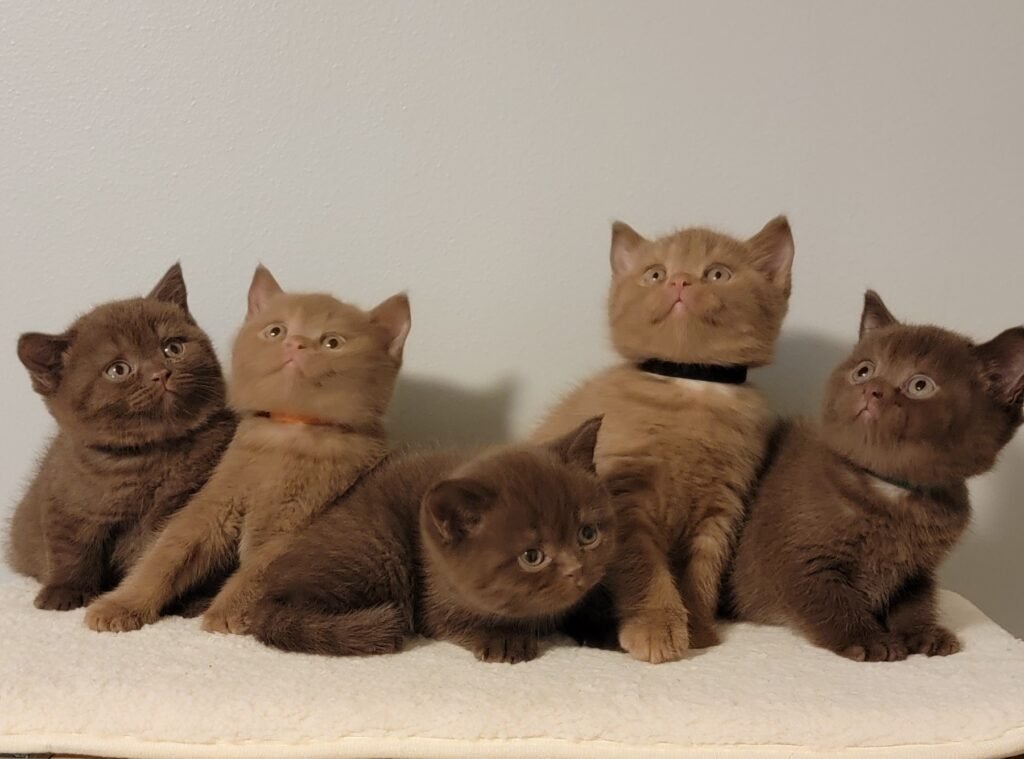
Welcoming a new Brown British Shorthair kitten into your home is an exciting and joyful experience. Known for their charming personality, plush coat, and distinctive round features, these kittens quickly become beloved members of the family. However, ensuring that your new furry companion thrives requires understanding their unique needs and preferences. From creating a safe and stimulating environment to providing proper nutrition and health care, this guide will walk you through essential steps to help you care for your Brown British Shorthair kitten and set the foundation for a happy, healthy life together.
Understanding the Brown British Shorthair Breed
Characteristics and Temperament
The Brown British Shorthair is not just a pretty face; it’s a bundle of charm wrapped in a plush, short coat. With their round faces, chubby cheeks, and big, expressive eyes, they could easily land a modeling gig for a cat food brand. Known for their laid-back demeanor, these cats are often described as calm and affectionate. They love their humans but are also perfectly content to take a catnap in a sunbeam. Think of them as the couch potatoes of the feline world—while they may not be the most adventurous, they’ll definitely keep you company through all those Netflix marathons.
Common Health Issues
Like any breed, the Brown British Shorthair has its share of potential health issues. They can be prone to obesity, so keeping an eye on their food intake is crucial—no, those extra treats won’t magically turn into muscles! Additionally, they may be susceptible to specific genetic conditions such as hypertrophic cardiomyopathy (a fancy term for heart issues) and certain eye problems. Regular vet check-ups are key to ensuring your kitten stays healthy and avoids any surprise drama.
Preparing Your Home for Your New Kitten
Kitten-Proofing Your Space
Before you welcome your new furry friend, it’s time to play the role of the “Kitten Safety Inspector.” Secure electrical cords, hide away toxic plants, and make sure those tempting little items like string and rubber bands are out of paw’s reach. Think of it as preparing for a tiny tornado with a penchant for mischief. It won’t be long before your British Shorthair discovers that the world is their oyster (or at least their playground), so better to be safe than sorry!
Designating a Safe Area
Every cat needs their own sanctuary, and your Brown British Shorthair is no exception. Choose a quiet, cozy corner of your home where they can feel safe while they adjust to their new surroundings. A comfy bed, some toys, and maybe a bit of their favorite catnip will help create a little paradise. This space will act as their “safe zone”—think of it as their personal spa retreat, away from the hustle and bustle of daily life.
Essential Supplies for Your Brown British Shorthair
Food and Water Bowls
Start with the basics: food and water bowls. Look for shallow dishes to accommodate their adorable flat faces (those cheeks need space!). Stainless steel or ceramic options are great choices because they’re durable and easy to clean. After all, who wants to deal with a stubborn stain while trying to savor the cuteness of their new pet? Remember to change the water daily—hydration is key, and a scruffy water bowl is just not chic.
Litter Box and Accessories
When it comes to litter boxes, size matters! Ensure you get a spacious box that allows your kitten to dig and scratch to their heart’s content. Clumping, unscented litter is generally a crowd-pleaser among felines. Set up the box in a quiet area and avoid placing it near food and water—your little one will appreciate having their bathroom as far away from their dining area as possible. Trust us, they have standards!
Scratching Posts and Toys
A scratching post is the best investment you can make for your Brown British Shorthair—think of it as a gym membership for your kitty! They love to scratch, so having a tall, sturdy post will keep them from treating your furniture like their personal scratching canvas. Don’t forget to stock up on a variety of toys to keep them entertained, too. Wand toys, balls, and even those feather things can provide hours of amusement—and help you get some exercise too when your kitten decides it’s playtime, 2 a.m. edition.
Nutrition and Feeding Guidelines
Choosing the Right Food
Not all cat food is created equal, so choosing the right meal for your Brown British Shorthair is vital for their growth and health. Look for high-quality, protein-rich food specially formulated for kittens, as they need that extra boost to thrive. Avoid anything with too many fillers and mystery ingredients (seriously, what even is “meat meal”?). Consulting your vet can help steer you in the right direction and ensure your kitten gets the nutrients they need without any cat food drama.
Feeding Schedule
Establishing a consistent feeding schedule will help your new kitten develop healthy eating habits. Typically, you’ll want to feed them three to four small meals a day until they are about six months old, at which point you can transition to twice a day. This will keep their energy levels up and those adorable chubby cheeks filled out just right. Keep an eye on portion sizes—because while those eyes might beg for more, too many treats can lead to a plump little British Shorthair!
Health Care and Veterinary Visits
Vaccinations and Preventative Care
Keeping your brown British Shorthair kitten healthy is top priority, and that starts with vaccinations. Your little furball will need a series of vaccinations to protect against common feline diseases such as feline herpes, calicivirus, and panleukopenia. It’s like building their very own superhero shield! Schedule a visit to your vet when you bring your kitten home, and make a plan for routine check-ups. Don’t forget to discuss flea and tick prevention—it’s like sending your kitten off to battle with the best armor available!
Spaying/Neutering Considerations
Spaying or neutering your kitten is an important decision that will help prevent unwanted litters and can also bring health benefits. A spayed female is less prone to certain cancers, while neutering your boy can curb those “I need to mark my territory!” instincts. The procedure is usually done around six months of age, but check with your vet as they’ll know what’s best for your little companion. Plus, it gives you an excuse to spoil them with extra cuddles while they recover!
Training and Socializing Your Kitten
Basic Commands and Litter Training
You may think cats are just fluffy little divas, but they can learn basic commands! Start with simple commands like “come” or “sit” using treats as positive reinforcement. Litter training is usually a breeze since kittens have a natural instinct to dig and bury. Just place them in the litter box after meals or naps, and soon enough, they’ll be doing their business like a pro. Consider it their first step towards a life of sophistication (and cleanliness)!
Encouraging Positive Behavior
Positive reinforcement is your best buddy when it comes to shaping your kitten’s behavior. Instead of scolding, reward good behavior with treats, praise, or playtime. If they scratch the couch, redirect them to a scratching post and shower them with affection when they use it. A little patience goes a long way, and soon you’ll be marveling at your well-mannered miniature feline!
Grooming and Maintenance Tips
Bathing and Brushing
Brown British Shorthairs have a dense, plush coat that looks and feels luxurious—like the kitten version of a cozy blanket! Brush your kitten weekly to reduce shedding and prevent hairballs; bonus points if you can get them to enjoy it! Bathing isn’t usually necessary, but if your kitten decides to make friends with a particularly stinky substance, a gentle kitty shampoo will do the trick. Remember, too much bathing can strip their natural oils, so keep it to a minimum!
Nail Trimming and Ear Cleaning
Nail trimming can feel like a mini wrestling match, but it’s super important to keep those claws in check! Start getting your kitten accustomed to the clippers early on. Aim for every couple of weeks, and don’t forget to reward them afterward—treats and snuggles are key! As for ear cleaning, use a vet-recommended solution and a cotton ball to keep those ears squeaky clean. Just remember: cats tend to think ear cleaning is for crazy humans, so proceed with diplomacy!
Creating a Safe and Stimulating Environment
Interactive Play and Exercise
Brown British Shorthairs are known for their playful nature, so keep them entertained with interactive toys and games. Wand toys, laser pointers, and even a simple cardboard box can provide hours of fun. Schedule daily play sessions to help them burn off energy and strengthen your bond. After all, a tired kitten is a happy kitten, and a happy kitten is less likely to stage nighttime zoomies!
Providing Safe Outdoor Experiences
While you might dream of watching your kitten frolic outside, safety comes first! Consider using a harness and leash for supervised outdoor adventures, or create a catio where they can enjoy fresh air without the risks of roaming free. Always keep an eye on them, as brown British Shorthairs can be curious explorers! This way, they get the thrill of the outdoors without the dangers lurking around the corner.Caring for your Brown British Shorthair kitten is a rewarding journey filled with love and companionship. By following the tips outlined in this article, you can ensure that your new pet grows up healthy, happy, and well-adjusted. Remember that patience and consistency are key as you build a strong bond with your kitten. Enjoy every moment of this delightful experience, and cherish the wonderful memories you will create together.
Frequently Asked Questions
How often should I feed my Brown British Shorthair kitten?
It’s recommended to feed your kitten three to four small meals a day, gradually transitioning to two meals as they reach adulthood. Always consult your veterinarian for specific dietary needs.
What is the typical lifespan of a Brown British Shorthair?
Brown British Shorthairs generally have a lifespan of 12 to 20 years, depending on genetics, healthcare, and living conditions.
Do Brown British Shorthairs require a lot of grooming?
While their short, dense coat requires less grooming than long-haired breeds, regular brushing a few times a week is beneficial to reduce shedding and prevent matting.
Are Brown British Shorthairs good with children and other pets?
Yes, Brown British Shorthairs are typically known for their gentle and friendly nature, making them great companions for children and other pets when properly socialized.