
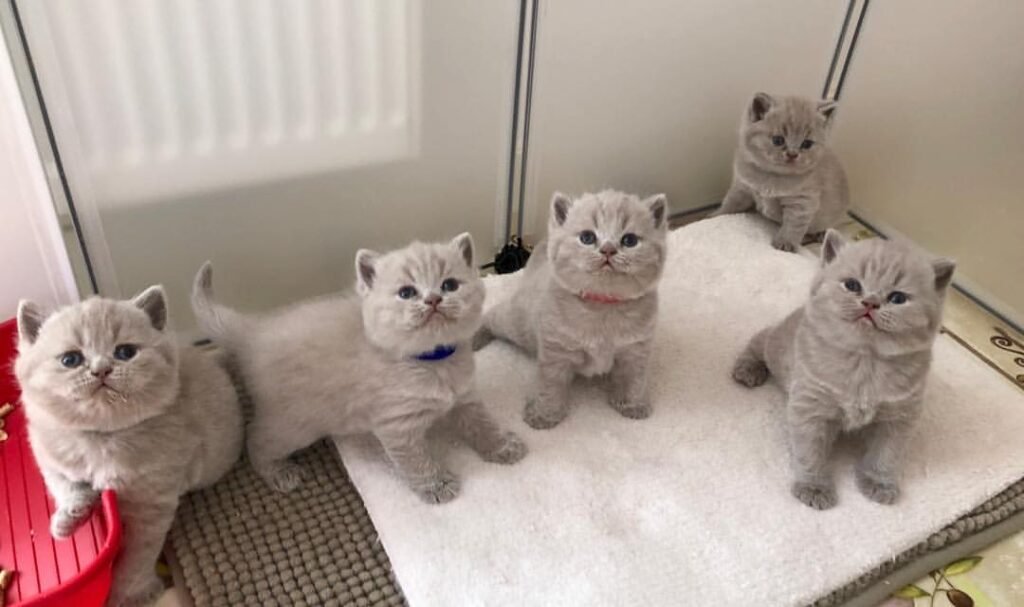
Bringing a lilac British Shorthair kitten into your home can be an exciting and rewarding experience, but it’s essential to be well-informed before making this commitment. Known for their charming personalities, striking appearance, and affectionate nature, lilac British Shorthairs are a delightful addition to any family. However, potential owners should consider various factors, from understanding the breed’s characteristics and health considerations to finding a reputable breeder and preparing their home for a new pet. This guide will provide you with all the crucial information you need to ensure a smooth transition for both you and your new feline companion.
Understanding the British Shorthair Breed
History and Origin
The British Shorthair has a backstory that’s as rich as a fine English tea. Originating from the United Kingdom, this breed is one of the oldest, with roots tracing back to Roman times when cats were brought in to control the rat population. Think of them as the original feline pest control! Over the years, they’ve become beloved companions, known for their cuddly looks and regal demeanor.
Temperament and Behavior
British Shorthairs have a reputation for being the calm, cool, and collected type. They’re not the hyperactive kittens that bounce off the walls; rather, they take pride in their laid-back approach to life. They tend to be friendly, affectionate, and surprisingly adaptable, making them perfect for families and single dwellers alike. However, they can also showcase a stubborn streak—think of them as the feline equivalent of a sassy teenager!
Common Traits of the Breed
When you think of a British Shorthair, imagine plush, round faces and thick, dense coats. These cats often have large, round eyes that look like they’ve just stepped out of a cartoon! They are sturdy and muscular, with a solid build that makes them look like miniature teddy bears. In short, they’re the perfect mix of plush and personality, making them as delightful to cuddle as they are to admire.
Characteristics of Lilac British Shorthairs
Appearance and Coat Color
Lilac British Shorthairs are the fashionable members of the breed, sporting a lovely soft lavender coat that’s sure to turn heads. Their fur is dense and plush, like the softest blanket you never knew you needed. This specific color variation is characterized by a pale, muted shade with a subtle, silvery sheen, making them look like tiny clouds of cuteness wandering through your home.
Size and Build
These little fluff balls are not just about looks; they come with some impressive size as well. Typically, a Lilac British Shorthair will weigh between 9 to 15 pounds, with males usually tipping the scales a bit higher than their female counterparts. They have a sturdy, rounded body with a broad chest, strong legs, and a chunky little tail that adds to their overall adorableness.
Personality Traits
Personality-wise, the Lilac British Shorthair mirrors its breed’s temperament: calm, affectionate, and slightly quirky. They enjoy spending time with their humans but are also independent enough to entertain themselves when necessary. You might catch them chasing after a rogue dust bunny or observing you with that “I’m the king/queen of this castle” look. They’re gentle souls who would much rather curl up next to you than cause chaos.
Health Considerations and Genetic Issues
Common Health Problems
Like any breed, British Shorthairs can be prone to certain health issues. Common concerns include obesity (yes, they love their food), heart conditions like hypertrophic cardiomyopathy, and dental problems. It’s like they have a penchant for living the good life, but it’s essential to keep an eye on their diet and exercise regime to ensure they stay fit and fabulous.
Genetic Testing and Screening
Before bringing home your lilac bundle of joy, it’s wise to consider genetic testing. Responsible breeders will conduct tests to rule out common genetic disorders, giving you peace of mind that your kitty will grow up healthy and happy. After all, you want your new friend to be more “purr-fect” than problematic!
Regular Veterinary Care
Routine veterinary checkups are non-negotiable if you want your future companion to thrive. Regular visits to the vet can help catch any potential issues early on. Plus, they keep you stocked up on essential vaccinations and preventive care. Think of it as making sure your lilac kitty is armed and ready to take on the world—one nap at a time.
Finding a Reputable Breeder
What to Look for in a Breeder
Finding the right breeder for your lilac British Shorthair is crucial. Look for someone who prioritizes the health and well-being of their cats above all else. A reputable breeder should be knowledgeable about the breed, maintain clean and humane living conditions for their cats, and be open to questions. They should also be genuinely interested in placing their kittens in loving homes—no sales pitches, just sincerity!
Questions to Ask a Potential Breeder
When you meet a breeder, come prepared with questions that reveal their level of commitment to the breed. Ask about health screenings, socialization efforts, and any other concerns regarding the kitten’s lineage. A good breeder will provide documentation of health tests and won’t flinch at your inquiries. And don’t forget to ask about their experience—after all, you want someone who knows their stuff!
Signs of a Responsible Breeder
A responsible breeder will offer a welcoming environment for their kittens and encourage you to meet the kitten’s parents. If the breeder provides healthy, well-socialized kittens and is willing to stay in touch even after the sale, you’ve likely found a goldmine. Look for those who offer a contract that includes a health guarantee and support for your new feline friend. Because let’s face it, a little guidance from an expert is worth its weight in catnip!
Preparing Your Home for a Kitten
Kitten-Proofing Your Space
Before your lilac British Shorthair kitten bounds into your life like a fluffy, adorable tornado, it’s crucial to kitten-proof your home. Look for anything that resembles a toy and could end up in your kitten’s mouth—cables, small items, and houseplants are at the top of the naughty list. Secure loose wires, hide away medications and cleaning supplies, and banish those tempting dangling curtain cords. If you wouldn’t let a toddler have it, chances are your kitten shouldn’t either.
Safe Spaces for Your New Kitten
Kittens need safe havens to retreat to when the world feels a bit too overwhelming (or simply too noisy when the vacuum comes out). Set up a cozy corner with a soft bed and some toys where your new furry friend can chill out. You might also consider getting a scratching post—trust us, your furniture will thank you. A designated litter box area is also a must; just keep it quiet and easy to access, and your little fluffball will feel right at home.
Introducing Your Kitten to Other Pets
If you have other pets, introducing them to your new lilac British Shorthair kitten requires a bit of finesse. Start slow—let them sniff each other under a door or through a baby gate before the face-to-face meeting. Supervised playtime is key; you want to make sure everyone is playing nice and not turning into a mini WWE wrestling match. Give your resident pets plenty of attention during this period to prevent any jealousy, and soon enough, you’ll have a harmonious furry family.
Essential Supplies and Equipment
Basic Supplies Needed
Before you bring your new kitten home, stock up on some essential supplies. You’ll need a litter box (and litter, of course), food and water bowls, a cozy bed, and plenty of toys to keep your little troublemaker entertained. Don’t forget the all-important scratching post—your furniture will thank you later. A collar and ID tag are also wise investments; you never know when curiosity might lead them on an impromptu adventure.
Grooming Tools for British Shorthairs
British Shorthairs have that luxurious plush coat that begs to be maintained. A good quality slicker brush and a wide-toothed comb will work wonders to keep their fur looking fabulous and to minimize shedding (and to save your furniture from becoming a fur haven). Nail clippers specifically designed for cats are essential for keeping those claws at bay. A gentle cat cleanser is also handy to address any unexpected messes—because let’s face it, kittens are just little fur-covered chaos artists.
Recommended Food and Nutrition
Feeding your lilac British Shorthair the right nutrition is crucial for their growth and overall health. Look for high-quality kitten food that contains plenty of protein, as kittens are basically little furry powerhouses that need good fuel. Always check with your vet for specific dietary recommendations based on your kitten’s age, weight, and activity level. And remember: kittens eat more often than adults, so don’t be surprised if you find them meowing for snacks like they’re auditioning for a feline version of “MasterChef.”
Cost and Financial Commitment
Initial Purchase Price
Bringing home a lilac British Shorthair kitten isn’t just an investment in cuteness; it’s also a financial commitment! Depending on the breeder and the kitten’s pedigree, you could be looking at a price tag ranging anywhere from a couple of hundred to several thousand dollars. Be wary of ‘too-good-to-be-true’ prices—quality breeders ensure their kittens are healthy and socialized, giving you a great start on your life together.
Ongoing Expenses
Once your kitten is home, the expenses don’t stop at the initial purchase price. Brace yourself for ongoing costs that include food, litter, regular vet check-ups, vaccinations, and preventive care. Add in things like toys, grooming supplies, and the occasional accidental decor-breaking incident (sorry couch, you’ll be missed), and you’ll want to prepare your budget accordingly. It’s best to treat your new fluffball as the little diva they are—your wallet will thank you!
Budgeting for Unexpected Costs
Kittens have a knack for getting into sticky situations—literally and figuratively. Whether it’s an unexpected vet visit or an emergency supply run for their beloved brand of catnip, being financially prepared for these surprises is essential. Setting up a “kitten emergency fund” (think of it as your kitty’s secret stash) can save you from potential heartache and budget strain. A good rule of thumb is to budget an extra 10-20% each month for those surprise expenses, so you can deal with whatever chaos your little furball throws your way.
Long-term Care and Maintenance Tips
Feeding and Nutrition Guidelines
As your lilac British Shorthair grows, their dietary needs will change, so it’s important to adjust their food accordingly. Stick with high-quality commercial cat food, ideally formulated for their life stage—kitten food now, adult food later. Always keep an eye on their weight; British Shorthairs can be prone to obesity, so portion control is key. And of course, fresh water should always be in their bowl—you know, hydration is important, even in the feline world!
Grooming and Care Routines
To keep that glorious coat looking fabulous, establish a regular grooming routine. Aim for at least once a week for brushing to prevent matting and manage shedding. Nail trims should happen every few weeks (don’t worry, they’ll forgive you eventually). And while your British Shorthair may not love bath time, keeping up with hygiene will help reduce any kitty odor. Just remember: treat time afterward makes everything better!
Creating a Happy Environment for Your Kitten
To keep your little one happy and healthy, make your home a kitten paradise! Provide a mix of climbing structures, cozy spots for napping, and plenty of toys that stimulate their curious minds. Regular playtime is essential—not just for your kitty, but for your peace of mind as well. A happy kitten leads to a happy home, so throw in some cuddles and chin scratches, and you’ll both be blissfully content together. Plus, how else are you going to get those adorable Instagram photos?In conclusion, bringing a lilac British Shorthair kitten into your life can be a fulfilling journey filled with joy and companionship. By taking the time to understand the breed, preparing your home, and ensuring you have the necessary resources, you will set the stage for a happy and healthy relationship with your new pet. Remember that responsible ownership involves ongoing care and commitment, so be ready to embrace the delightful challenges and rewards that come with having a furry friend by your side.
Frequently Asked Questions
What is the typical lifespan of a British Shorthair cat?
The average lifespan of a British Shorthair cat is typically between 12 to 20 years, depending on genetics, diet, and overall care.
Are lilac British Shorthairs prone to any specific health issues?
Yes, like all breeds, lilac British Shorthairs can be prone to certain health issues, including hypertrophic cardiomyopathy (HCM) and obesity. Regular veterinary check-ups and a proper diet are essential for their health.
How much should I expect to pay for a lilac British Shorthair kitten?
The price for a lilac British Shorthair kitten can vary significantly based on the breeder, location, and lineage, typically ranging from $1,500 to $3,000 or more.
What kind of temperament can I expect from a lilac British Shorthair?
Lilac British Shorthairs are known for their calm, friendly, and affectionate temperament. They are generally good with children and other pets, making them a great choice for families.