
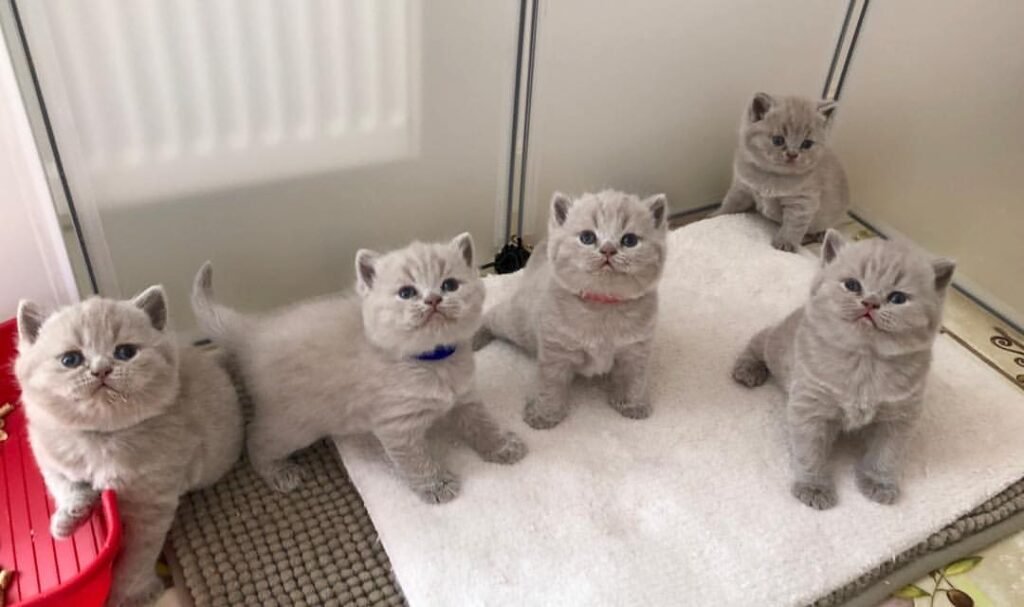
Bringing a lilac British Shorthair kitten into your home is an exciting decision that comes with a unique set of responsibilities and considerations. Known for their plush, dense coats and charming personalities, these kittens require thoughtful preparation and care to ensure a smooth transition into their new environment. From understanding the breed’s specific traits and health needs to selecting a reputable breeder and preparing your home, having a comprehensive checklist can make all the difference in providing a loving and nurturing home for your new furry friend. This article aims to guide you through the essential steps to take before welcoming a lilac British Shorthair kitten into your life.
Understanding the British Shorthair Breed
History and Origin
The British Shorthair has a long and storied past, dating back to ancient Rome when these feline marvels were used to keep rodents at bay. They’ve since evolved into the charming companions we adore today. With their roots in the UK, they became a beloved breed after being showcased in cat shows during the Victorian era. Talk about a glow-up!
Temperament and Personality Traits
British Shorthairs are the couch potatoes of the cat world, equally happy to nap all day or engage in occasional playtime. They’re known for their easygoing nature, which makes them ideal companions for families and individuals alike. Don’t let their aloof demeanor fool you; they have a playful side and enjoy a good cuddle session when the mood strikes.
Common Health Issues
While British Shorthairs are generally robust, they aren’t immune to a few pesky issues. Common health concerns include hypertrophic cardiomyopathy (a fancy term for heart problems) and obesity, especially if they’ve discovered the joys of too many snacks. Regular vet check-ups can help keep these fluff balls in tip-top shape!
Key Traits of Lilac British Shorthairs
Coat Color and Texture
The lilac British Shorthair is a vision in soft, muted tones, showcasing a lovely pastel hue that almost resembles a sweet dessert. Their plush coat has a dense, velvety texture that makes you want to run your fingers through it all day long. Seriously, it’s like petting a cloud—who wouldn’t want that?
Eye Color and Facial Features
With their captivating copper or gold eyes, lilac British Shorthairs have a gaze that can melt hearts faster than you can say “treats.” Their round faces and chubby cheeks give them a charming, teddy bear-like appearance, making them impossible to resist. Just try and keep a straight face when they cock their head at you!
Size and Physical Characteristics
These cats are the bodybuilders of the feline world, boasting a solid, muscular build. Adult lilac British Shorthairs typically weigh between 9 to 16 pounds, but don’t let that intimidate you; they carry their weight like royalty. Their sturdy legs and broad chests add to their regal appearance, making them a striking presence in any room.
Evaluating Reputable Breeders
What to Look for in a Breeder
When searching for a breeder, look for one who is knowledgeable, passionate, and transparent. They should prioritize the health and well-being of their cats over profit, ensuring they provide a nurturing environment for the kittens. A good breeder won’t mind answering your questions, sharing health records, or even showing you their breeding cats in action.
Questions to Ask the Breeder
Before you say “yes” to your new kitten, pop these questions to your breeder: “What health screenings do you perform?” “Can you provide references?” and “What socialization efforts are made with the kittens?” These inquiries will help you gauge their commitment to breeding healthy, well-adjusted cats. And, of course, ask about their favorite snacks—because priorities!
Signs of a Responsible Breeder
A responsible breeder will welcome you into their home, show you their facilities, and let you meet the kittens and their parents. They’ll also provide a written contract and health guarantees. If they seem evasive or reluctant to share information, it’s a red flag. Remember, you’re looking for a cat buddy for life, so finding a reputable breeder is key!
Health Considerations and Veterinary Checks
Initial Health Screenings
Your new lilac British Shorthair kitten should undergo initial health screenings by a vet to catch any potential issues early. This includes checking for congenital conditions and ensuring their overall health is on point. Think of it as a spa day—everyone deserves a little pampering before joining their new family!
Vaccination Schedule
Staying updated on your kitten’s vaccination schedule is vital for keeping them protected against common feline diseases. Ensure your breeder provides a vaccination record and understands which shots are necessary. After all, no one wants their new furry friend to miss out on playdates due to an avoidable illness!
Genetic Testing and History
Genetic testing can provide valuable insights into your kitten’s lineage, helping to identify any hereditary health issues. Request documentation from your breeder regarding any tests that have been conducted on the parents, which is a great way to stay informed and proactive about your new feline’s health future. Plus, it shows you’re a responsible pet parent right from the start!
Preparing Your Home for a New Kitten
Creating a Safe Space
Welcome your new lilac British Shorthair with open paws! Start by creating a cozy, secure space just for them. Select a quiet room with minimal foot traffic, fill it with a comfy bed, cozy blankets, and some toys that won’t fit down the vacuum cleaner. Make sure to hide any cables, chewable houseplants, and anything that you’d rather not be a part of your kitten’s new chew toy collection. After all, we want the only thing they scratch to be their scratching post!
Introducing Other Pets
If you have other furry friends, now’s the time for a gentle introduction. Start by allowing them to sniff each other’s bedding to get familiar with scents. When introducing them face-to-face, keep things calm—ideally, do this in neutral territory with your current pets on a leash or in a carrier. Supervise their meetings until everyone is comfortable, and remember that patience is key: not all feline friendships blossom overnight.
Setting Up a Play Area
Kittens are like tiny furry tornadoes, and they need a space to let loose! Dedicate an area in your home where your little fluffball can climb, pounce, and generally wreak delightful havoc. Consider a cat tree, tunnels, and a bunch of interactive toys. Don’t forget to sprinkle in some safe items like paper bags or cardboard boxes—because what kitten can resist a good box? As long as it’s safe, let their creativity shine!
Essential Supplies and Kitten-Proofing
Must-Have Supplies for Your Kitten
Grab your shopping list and prepare for a splurge! Essential supplies include a litter box (and litter), food and water dishes, a scratching post, a comfy bed, toys (the more the merrier!), and a carrier for vet visits. Don’t forget essentials like grooming tools, a collar with an ID tag, and a cozy blanket. Your little diva deserves only the best, after all.
Kitten-Proofing Your Home
Think of your kitten as a tiny, furry demolition expert. Secure loose wires, remove breakables, and stash away anything sharp or toxic. Close off any rooms that could lead to trouble, and make sure windows and balconies are secure. If you want to avoid a game of “what did I just knock over?” kitten-proofing is not just a suggestion—it’s a necessity!
Choosing the Right Food and Nutrition
Feeding your lilac British Shorthair the right diet is crucial for their growth and health. Look for high-quality kitten food that lists meat as the first ingredient. A balanced meal should provide the right nutrients for their boundless energy. Consult your vet to determine the best feeding schedule and portion sizes—because giving them too much food is like giving a toddler unlimited candy. Spoiler: It doesn’t end well.
Initial Training and Socialization Tips
Basic Training Commands
Training your kitten is like teaching a toddler to tie their shoes—lots of patience and maybe a few treats along the way. Start with basic commands like “sit,” “come,” and even “no” for when they’re plotting mischief. Use treats as rewards and keep sessions short and fun! Remember, kittens have short attention spans and are highly adept at playing it cute when they don’t want to cooperate.
Socializing Your Kitten with People and Pets
Your lilac British Shorthair will thrive best in a variety of social environments. Get them used to different people, sounds, and other animals early on. Introduce them gradually to new experiences, and reward them with treats. Positive experiences will help them feel secure and confident. Just remember, the goal is to get your kitten to be a social butterfly, not a wallflower!
Handling Scratching and Play Behavior
Kittens love to scratch and play—it’s like their version of a workout! Provide a variety of scratching posts and engage them with toys that mimic prey-like movements. If they start turning your arm into a scratching post, redirect their energy to appropriate toys. Gentle but firm “no” commands can help, along with distraction. Remember, they’re not being naughty; they’re just channeling their inner little lion!
Long-Term Care and Commitment Responsibilities
Regular Veterinary Visits
Your little furball will require regular vet visits for vaccinations and check-ups. Start off on the right paw by scheduling their first appointment as soon as you bring them home. These visits are crucial for monitoring their health and catching any issues early. Plus, your vet will be a great source of knowledge—think of them as your feline’s personal trainer!
Grooming and Maintenance Needs
Despite their plush coats, lilac British Shorthairs require grooming to keep their fur looking fabulous. Regular brushing helps reduce shedding and keeps their coat shiny and healthy. Don’t forget about dental care too! Regularly brushing their teeth (or providing dental treats) will help fend off any toothy trouble down the line. Grooming should feel like a spa day—relaxed and enjoyable.
Understanding Lifespan and Adoption Commitment
Adopting a lilac British Shorthair is a long-term commitment, as these cats can live anywhere from 12 to 20 years! Make sure you’re ready for the adventure ahead, from kittenhood mischief to senior cat snuggles. This is not just a whimsical decision; it’s a lifelong promise to love and care for your furry friend as part of your family. It’s the kind of commitment that rivals a good sitcom—full of laughter, warmth, and a few plot twists!In conclusion, bringing a lilac British Shorthair kitten into your home is a rewarding experience that requires careful planning and commitment. By following the ultimate checklist outlined in this article, you can ensure that you are well-prepared to provide a safe, loving, and nurturing environment for your new companion. Remember, investing time and effort into their care and upbringing will lead to a happy and fulfilling relationship for both you and your kitten. Embrace the journey ahead, and enjoy the joy that a lilac British Shorthair can bring to your life.
Frequently Asked Questions
What should I look for when choosing a breeder for a lilac British Shorthair?
It’s essential to find a reputable breeder who prioritizes the health and well-being of their kittens. Look for breeders who are transparent about health testing, provide a clean and safe environment, and are willing to answer your questions. Visiting the breeder’s facility can also give you insight into their practices.
How can I prepare my home for a new kitten?
To prepare your home, create a designated safe space for your kitten with a cozy bed, litter box, and food and water dishes. Remove potential hazards such as toxic plants, small objects, and open windows. Additionally, consider setting up a play area with toys to keep your kitten engaged and happy.
What are the common health issues associated with British Shorthairs?
British Shorthairs are generally healthy, but they can be prone to certain genetic conditions, including hypertrophic cardiomyopathy (HCM) and obesity. Regular veterinary check-ups and a balanced diet are crucial in monitoring their health and preventing these issues.
How much time should I dedicate to training and socializing my new kitten?
Dedicate at least a few minutes each day to training and socialization. Consistent, positive reinforcement techniques can help your kitten learn basic commands and become comfortable around people and other pets. Early socialization is key to ensuring they grow up to be well-adjusted adults.