
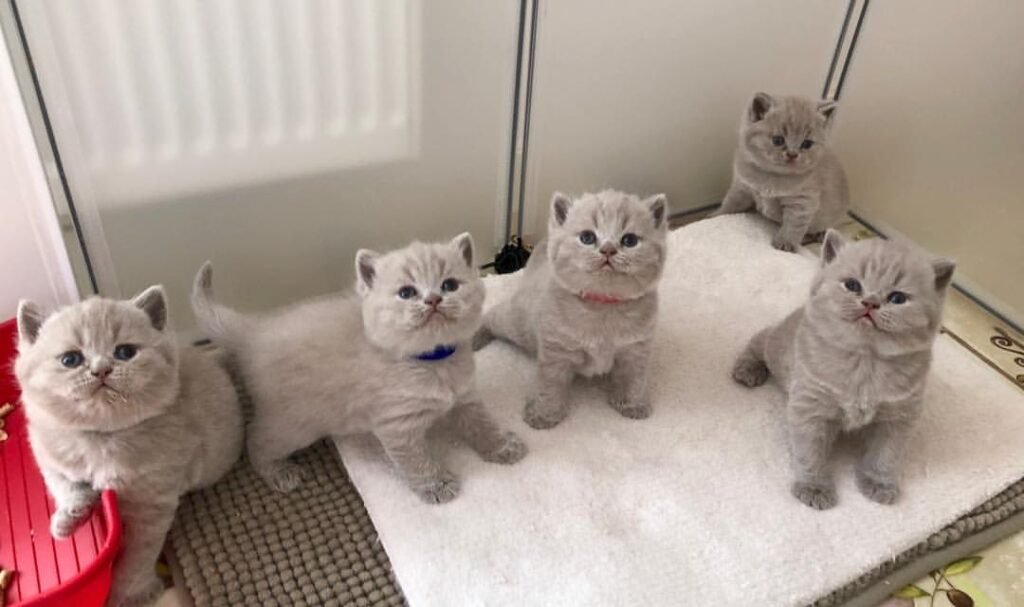
Welcoming a new lilac British Shorthair kitten into your home is an exciting and rewarding experience. Known for their charming personalities and distinctive plush coats, these kittens quickly become beloved members of the family. However, proper care is essential to ensure your new feline friend grows up healthy, happy, and well-adjusted. From understanding the unique traits of the British Shorthair breed to preparing your home and providing the right nutrition, this guide offers valuable insights and practical tips for caring for your new lilac kitten. Whether you’re a first-time cat owner or looking to expand your feline family, following these guidelines will help you create a nurturing environment for your furry companion.
Understanding the British Shorthair Breed
History and Origins
The British Shorthair (BSH) has a history as rich as a triple chocolate cake! Originating from the Roman era, these cats were bred for their mousing skills, making them the original “purr-tectors” of grain stores. Fast forward a couple of centuries (or more), and they found their way into the hearts of fancy folk during the Victorian era. Nowadays, they are beloved not just for their history and charm, but also for their rounded faces and plush coats—perfect for snuggling!
Characteristics of the Lilac Color
The lilac British Shorthair is like a delicate cloud of sweetness. This unique color isn’t just a fancy name; it refers to a soft, muted gray with a hint of lavender, giving them an ethereal, almost magical appearance. If unicorns were cats, they’d be lilac British Shorthairs! Their coat is even more velvety than the softest pillow, making every cuddle session feel like a hug from the universe.
Temperament and Personality Traits
Lilac British Shorthairs are the laid-back roommates everyone dreams of having. They balance a cool, calm demeanor with just a pinch of playfulness. Social but not overly needy, these cats are experts at lounging in sunbeams and occasionally pouncing on unsuspecting feet. Don’t be surprised if your lilac fluffball develops a strong sense of personal space—after all, they are the royalty of the cat world, and they know it!
Preparing Your Home for a New Kitten
Choosing the Right Space
When it comes to your new lilac kitten, location is key—just like in real estate! Choose a cozy corner where they can peacefully observe the household, preferably near a window. This will fulfill their inner nature-lover as they keep an eye on birds and squirrels. Just make sure it’s away from any busy foot traffic, because kittens need their beauty sleep too!
Kitten-Proofing Your Home
Think of kitten-proofing as prepping for a small, fluffy tornado. Hide away any cords, fragile knick-knacks, or anything deemed “most breakable.” Secure cabinets and remove toxic plants (sorry, fern enthusiasts). And remember, if it’s shiny, dangling, or remotely interesting, your curious little monster will want to investigate. Trust us—no one needs a kitten-induced trip to the vet!
Designating a Safe Area
Create a safe haven for your new furry friend where they can retreat when the world (or your vacuum cleaner) feels overwhelming. This could be a quiet room with their bed, litter box, and a few toys. Think of it as their personal retreat—a sacred space that says, “Come back when you’ve got treats!” This will help them acclimate and feel secure in their new domain.
Essential Supplies for Your Lilac Kitten
Food and Water Bowls
Invest in sturdy food and water bowls that won’t go flying across the room during playtime. Look for ones that are shallow enough for your kitten’s tiny whiskers but deep enough to avoid constant spills. Bonus points if they come in cute colors or designs—because who says cat essentials can’t be stylish?
Cat Bed and Blankets
Your lilac kitten deserves a throne plushier than a cloud! A cozy cat bed will become their favorite snoozing spot. Choose one that’s washable (because kittens can be messy) and place it in their designated safe area. Throw in a soft blanket for extra snuggle power, and just watch as they turn into the cutest little burrito.
Litter Box and Supplies
Pick a litter box that’s the Goldilocks of sizes—not too big, not too small, but just right for your growing kitten. Use unscented litter to avoid any feline nose wrinkling. Place the box in a quiet space, ensuring it’s accessible but not too close to their food. Just like us, lilac kittens appreciate a little privacy when it comes to their business.
Toys and Enrichment Activities
Kittens are bundles of energy, so invest in a variety of toys to keep them entertained (and your fingers safe!). Think feather wands, crinkly toys, and laser pointers. Engaging them in play is essential, not just for exercise, but for bonding too. Because let’s face it, you’ll want them to save their hunting instincts for toy mice, not your favorite pair of shoes!
Nutrition and Feeding Guidelines
Selecting High-Quality Kitten Food
Your lilac British Shorthair needs the very best fuel as they embark on their quest to rule your heart (and home). Look for premium kitten food that lists real meat as the first ingredient—because a happy kitten is a well-fed kitten! Avoid foods with questionable fillers; just like us, they deserve the good stuff.
Feeding Schedule and Portions
Establishing a regular feeding schedule will help your kitten thrive. Aim to feed them several small meals throughout the day, rather than one big feast. That way, they can maintain their energy levels and avoid any suspicious post-meal zoomies. Consult your vet for portion sizes, as each kitten is unique—just like their taste in nap spots!
Understanding Nutritional Needs
As your lilac kitten grows, so do their nutritional needs. Kittens require a balanced diet rich in protein, fats, and essential vitamins and minerals to support their development. Keep an eye on their weight and adjust their food accordingly—because nobody wants a fluffy cat who can’t chase their toys (or their tail). Regular vet visits will also help you navigate their dietary journey like a pro!
Health Care and Veterinary Visits
Initial Vet Check-Up
As soon as you bring your little fluffball home, it’s time to book that all-important vet check-up. This visit ensures your kitten is in tip-top shape and helps you get familiar with your veterinary practice. Your vet will give your kitten a thorough examination to check for any health concerns and might even suggest spaying or neutering if it’s appropriate. Plus, you’ll be able to ask all those burning questions—like why does your kitten seem to zoom around the house at 3 AM?
Vaccination Schedule
Kittens are like tiny superheroes, but even superheroes need vaccines to protect them from scary diseases. Your vet will lay out a vaccination schedule that typically starts around six to eight weeks of age. Core vaccines usually include FVRCP (feline viral rhinotracheitis, calicivirus, and panleukopenia) and rabies. Don’t forget to mark your calendar for those booster shots! Because, let’s be honest, no one wants an unvaccinated sidekick.
Parasite Control
Those pesky parasites can be the ultimate party crashers, so it’s crucial to keep them at bay. Your vet will recommend parasite control measures, which may include deworming and flea treatments. Regularly check your kitten for any signs of unwanted guests—whether that be fleas, ticks, or the occasional worm. Remember, a happy kitten is a parasite-free kitten!
Socialization and Training Tips
Introducing Your Kitten to Family Members
When it comes to bringing home a new kitten, introductions should be smooth and gentle. Allow your family members to approach the new addition slowly and give your kitten the space it needs. Encourage everyone to use calm voices and gentle movements. A treat or two can go a long way in winning over a wary little heart. Just remember, the goal is to avoid overwhelming your new friend—no need to create a “Family Cat Awakening” drama!
Basic Commands and Training Techniques
It’s time to whip your kitten into shape! Or at least teach it the basics. Start with simple commands like “sit” or “come.” Use treats as motivation and keep training sessions short, fun, and engaging. Remember, patience is key—your kitten might not grasp “stay” the first time (or the fifth). Think of it as a bonding experience rather than a strict boot camp. After all, you’re not training a secret agent; you’re raising a loving little companion.
Encouraging Positive Behavior
When your kitten does something right (like using the scratching post instead of your precious couch), give it a treat and lots of praise! Reinforcing good behavior helps your kitten learn what’s acceptable. Conversely, avoid punishment—it’s a feline myth that scare tactics work. Instead, redirect naughty behavior with toys or treats. Remember, teaching your kitten is about building a loving and respectful relationship, not about establishing who’s the boss.
Grooming and Maintenance Needs
Brushing and Coat Care
Your lilac British Shorthair is not just a pretty face; their plush coat deserves some TLC, too! Brush your kitten once a week to remove loose hair and prevent matting. Kittens usually enjoy a good grooming session, and if you’re lucky, you may even turn it into a bonding activity. Consider it a spa day, complete with light strokes and some gentle petting—your kitten will appreciate it!
Nail Trimming and Dental Hygiene
Nail trimming might sound like a daunting task, but with a little patience and the right tools, it can be a breeze. Start early in your kitten’s life to get it accustomed to having its paws handled. Just a little clip will do the trick! And don’t forget dental hygiene; brushing your kitten’s teeth will keep their breath fresh enough for all the cuddles. You may even want to invest in some kitty dental treats. Because let’s face it, nobody wants a breath that could knock a buzzard off a garbage truck!
Regular Check-ups
Even after those initial visits, keep the vet on speed dial! Regular check-ups (at least once a year) are essential for monitoring your kitty’s health, vaccinations, and overall well-being. Think of the vet as a wellness coach for your cat, helping to keep everything in check. Plus, it’s an excellent excuse to show off your adorable kitty to the staff—because who doesn’t love some kitty cuteness?
Creating a Safe and Stimulating Environment
Indoor vs. Outdoor Living
Deciding whether your kitten will be an indoor or outdoor cat is like choosing between a cozy blanket or a thrilling adventure—both have their pros and cons. Indoor cats are generally safer, living longer and healthier lives with fewer dangers like cars or wild animals. Outdoor cats, on the other hand, get a taste of the wild. If you decide on outdoor access, consider a supervised outing or a catio (a cat patio). Ultimately, choose what best fits your kitty’s personality and your peace of mind.
Providing Vertical Space and Scratching Posts
Every kitty dreams of a kingdom they can rule from penthouse heights! Investing in tall cat trees and shelves will satisfy your kitten’s climbing instincts and provide ample exercise. Scratching posts are essential too; they keep your furniture intact while giving your kitten a place to stretch and scratch. So go ahead, build a mini cat skyscraper and let your kitten reign supreme!
Engaging Playtime and Activities
Kittens are little bundles of energy and need regular playtime to help them develop physically and mentally. Interactive toys, feather wands, and laser pointers are all fantastic ways to engage your kitten in active play. Set aside a few minutes each day for dedicated play sessions—your kitten will thank you by curling up on your lap for a well-deserved nap afterward. Just remember, a tired kitten is a happy kitten!Caring for your new lilac British Shorthair kitten can be a fulfilling journey filled with love and companionship. By following the tips outlined in this article, you can ensure your kitten grows into a healthy, well-adjusted adult cat. Remember that patience, attention, and a little bit of effort go a long way in building a strong bond with your furry friend. Enjoy every moment with your new companion, and cherish the joy they bring to your life.
Frequently Asked Questions
What type of food should I feed my lilac British Shorthair kitten?
It’s best to provide high-quality kitten food that is specifically formulated to meet their nutritional needs. Look for brands that list meat as the primary ingredient and avoid fillers like corn and soy. Always consult your veterinarian for specific dietary recommendations.
How can I socialize my new kitten?
Socialization starts early; introduce your kitten to various people, environments, and other pets gradually. Use positive reinforcement, such as treats and praise, to encourage confidence and familiarity in new situations.
How often should I take my kitten to the vet?
Schedule an initial vet visit shortly after bringing your kitten home. Regular check-ups are recommended every few months during their first year for vaccinations and general health assessments.
Do British Shorthair kittens require a lot of grooming?
While British Shorthairs have dense coats, they are relatively low-maintenance. Regular brushing a few times a week can help reduce shedding and keep their coats healthy, especially during seasonal changes.