
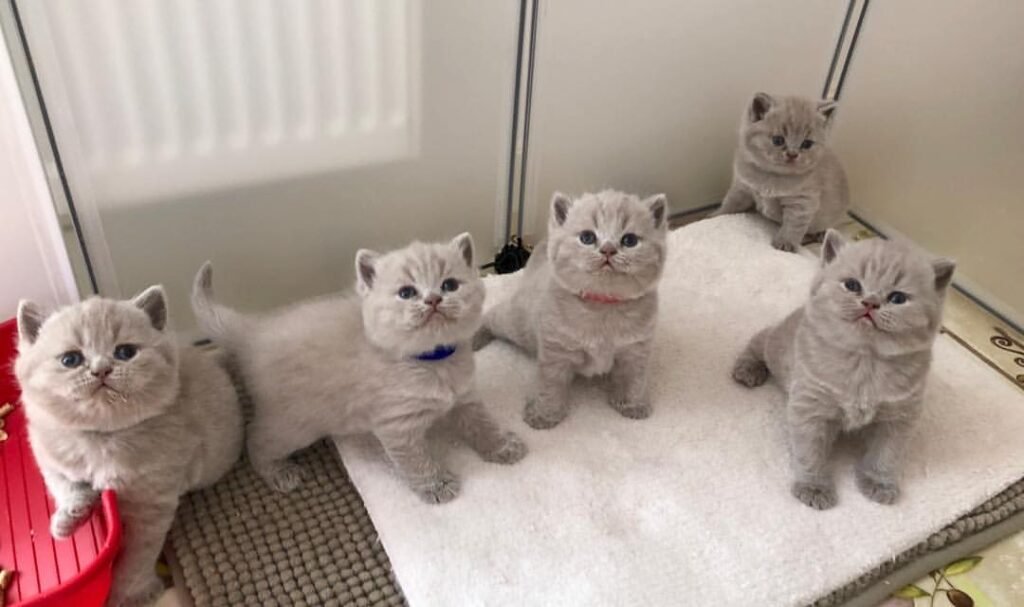
Bringing a lilac British Shorthair kitten into your home can be an incredibly rewarding experience, filled with joy and companionship. Known for their striking coat color and charming personalities, these kittens require special attention to ensure they thrive in their new environment. From understanding their unique needs to preparing your home and establishing a strong bond, there are several key considerations to keep in mind. In this article, we’ll explore the top five tips for adopting a lilac British Shorthair kitten, helping you create a loving and nurturing space for your new furry friend.
Understanding the Lilac British Shorthair Breed
Characteristics and Temperament
The Lilac British Shorthair is the epitome of feline elegance with its plush, velvet-like coat in a soft, smoky lavender hue. These cats are stocky, with round faces that seem to permanently wear a look of gentle curiosity mixed with a touch of aloofness—perfect for Instagram! Their calm, affectionate nature makes them excellent companions; they are social but not overly needy, often choosing to observe rather than participate in family chaos. Expect a kitten who enjoys a good cuddle but also relishes its alone time, plotting world domination (or just napping).
Common Health Concerns
Like any breed, the Lilac British Shorthair can be prone to certain health issues. Keep an eye out for genetic conditions, such as hypertrophic cardiomyopathy (HCM), which can affect heart health. Additionally, obesity can be a concern, so maintaining a healthy diet and encouraging play is key to keeping your fluffball fit. Regular vet check-ups are essential to catch any potential problems early. Remember, a healthy kitten is a happy kitten—and a happy kitten brings more joy (and less chaos) to your life!
Preparing Your Home for a New Kitten
Kitten-Proofing Your Space
Before your lilac bundle of joy arrives, channel your inner detective and survey your home for potential kitten hazards. Hide those electrical cords, secure loose wires, and tuck away any fragile items that could be swatted off shelves. Plants can be sneaky, too—some are toxic to cats, so do a quick plant audit. Don’t forget to stash away small items that can become choking hazards, like paperclips and rubber bands. Creating a safe haven allows your new kitten to explore with a sense of security—while ensuring you avoid a heart attack every time they leap.
Designating a Safe Area
When your kitten first arrives, it’s vital to set up a cozy, designated space where they can feel at ease—think of it as their little sanctuary. Choose a quiet room with minimal traffic, and fill it with essentials like a bed, litter box, and food/water stations. This area will help your kitten adjust to their new surroundings without getting overwhelmed. Over time, as they gain confidence and explore, they’ll expand their territory (and probably take over your entire house).
Choosing the Right Food and Supplies
Essential Supplies Checklist
Here’s a handy checklist of must-have supplies for your Lilac British Shorthair’s arrival:
– Litter box and litter (because nature calls!)
– Food and water bowls (preferably not the ones you’re using for your cereal)
– High-quality kitten food (the kind that doesn’t taste like cardboard)
– Scratching post (to save your furniture from certain doom)
– A variety of toys (to keep them entertained and away from your shoelaces)
– A cozy bed (ensuring they know they’re the royalty of the house)
Stock up on these items before they arrive, and you’ll be ready to welcome your new little overlord home!
Nutrition Needs of a Growing Kitten
Kittens are like tiny vacuum cleaners with limitless energy, so providing the right nutrition is crucial for their growth and development. Look for high-quality kitten food that lists meat as the first ingredient—after all, they need that protein to fuel their antics. Lilac British Shorthairs are typically adventurous eaters, but don’t be tempted to hand over all your leftovers; they need a balanced diet formulated for their specific age and size. Don’t forget to provide fresh water daily, as hydration is key to keeping those shiny coats looking fabulous!
Socialization and Training Techniques
Introducing Your Kitten to Family and Pets
When it comes to introducing your new kitten to the family—and any existing pets—patience is key. Start slow! Let your kitten explore their new territory while keeping them safe in their designated area. Gradually allow family members to meet the little one, maintaining a calm environment to avoid overwhelming them. If you have other pets, consider scent swapping first by exchanging blankets or toys. This way, they can get used to each other’s smells without the initial face-off. Supervise their interactions, offering treats and praise for positive behavior. Before you know it, they’ll be plotting their take-over as a team!
Basic Commands and Litter Training
Training your Lilac British Shorthair can be both fun and rewarding. Start with basic commands like “come” or “sit”—yes, they can learn if you’ve got treats and a bit of patience! Use positive reinforcement, including treats and praise, to encourage good behavior. As for litter training, most kittens instinctively know what to do, but it’s helpful to place them in the litter box after meals or naps. A little patience here goes a long way; soon, you’ll have a litter-trained kitty ready to conquer the world (or at least your living room).
Health Care Essentials for Your Kitten
Vaccination Schedule
Vaccinations are like little superhero capes for your kitten—they help protect them from serious diseases. Your lilac British Shorthair will need core vaccinations such as those for feline calicivirus, feline herpesvirus, and feline panleukopenia. Typically, the first round happens around 8 weeks, with boosters following every 3-4 weeks until they’re about 16 weeks old. Make sure to consult your vet for a tailored schedule—after all, every hero needs a personalized plan!
Choosing a Veterinarian
Selecting the right veterinarian is vital; think of them as your kitten’s trusted sidekick in health adventures. Look for a vet with experience in cats, particularly those who understand the unique quirks of British Shorthairs. Read reviews, ask for recommendations, and don’t hesitate to schedule a meet-and-greet to ensure both you and your kitten feel comfy. A good vet will not only keep your furry friend healthy but also help you navigate the wacky world of kitten care.
Ensuring a Safe and Enriching Environment
Providing Toys and Enrichment Activities
Kittens are bundles of energy wrapped in fur—so prepare for playtime! Invest in a variety of toys, from feather wands to jingly balls, to keep your lilac British Shorthair entertained. Rotate their toys every few weeks to keep things fresh and exciting. Scratching posts and climbing trees can also add an extra dimension to their space, providing a luxurious feline playground that would make even the grumpiest of cats smile.
Safe Outdoor Exploration
If you want to let your kitten experience the great outdoors—without the risk of them becoming a snack for the neighborhood fox—it’s time to consider a leash-and-harness training regimen. Lilac British Shorthairs are curious critters, and a supervised outdoor adventure can satisfy their desire to explore while keeping them safe. Just remember to gradually introduce them to the harness and outdoor sights, and ensure the area is secure and free from hazards.
Building a Bond with Your New Companion
Interactive Playtime Activities
Bonding with your lilac British Shorthair is a cinch when you have playtime in your arsenal. Try engaging activities like feather-chasing, laser pointer games, or even teaching them simple tricks with treats. Interactive toys that require them to think can also strengthen your connection, as they’ll associate fun with your presence. And who knows? You might just find yourself laughing at their adorable antics more than you anticipated!
Understanding Your Kitten’s Body Language
Communication is key in any relationship, and your kitten is no exception. Pay attention to their body language—ears back, twitching tails, and wide eyes can all be indicators of their mood. A little purring means they’re happy, but hissing? Time to give them some space. Learning their signals will not only deepen your bond but also help you navigate the multitude of moods that kittens are famous for!
Regular Check-ups and Grooming Tips
Establishing a Grooming Routine
Grooming isn’t just a fancy spa day for your lilac British Shorthair; it’s essential for their health and well-being. Start grooming early to get them used to it. Use a soft brush to keep their fluffy coat in tip-top shape and to reduce shedding around your home. Regular brushing can also help you bond with your kitten—who knew that a simple grooming session could double as cuddle time?
Signs of Health Issues to Watch For
Being aware of potential health issues is part of being a responsible pet parent. Monitor your kitten for any unusual behaviors—like changes in appetite, litter box habits, or energy levels. If they seem off, don’t hesitate to consult your vet. Early detection can make all the difference. Remember, your lilac British Shorthair relies on you to advocate for their health, so keep an eye out for those telltale signs! Adopting a lilac British Shorthair kitten is a journey filled with love, laughter, and learning. By following these tips, you can ensure that your new companion enjoys a happy, healthy life in your home. Remember that patience, care, and attention are key to building a strong bond with your kitten. Enjoy the wonderful moments that come with pet ownership and cherish every step of this exciting adventure together.
Frequently Asked Questions
What should I look for when choosing a lilac British Shorthair kitten?
When choosing a lilac British Shorthair kitten, look for signs of good health, such as bright eyes, a clean coat, and an active demeanor. It’s also important to choose a reputable breeder who can provide health records and information about the kitten’s lineage.
How do I socialize my lilac British Shorthair kitten?
Socializing your kitten involves gradually introducing them to new experiences, people, and pets in a controlled environment. Use positive reinforcement, such as treats and praise, to encourage friendly behavior and help them feel comfortable.
What type of food is best for a lilac British Shorthair kitten?
A high-quality, nutritionally balanced kitten food is essential for your lilac British Shorthair’s growth and development. Look for foods specifically formulated for kittens, which contain the right balance of protein, fat, and essential nutrients.
How often should I take my kitten to the vet?
Kittens should have their first veterinary check-up shortly after adoption, followed by vaccinations and routine health checks at least once a year. It’s important to consult with your veterinarian to establish a vaccination schedule and ensure your kitten receives proper care as they grow.