
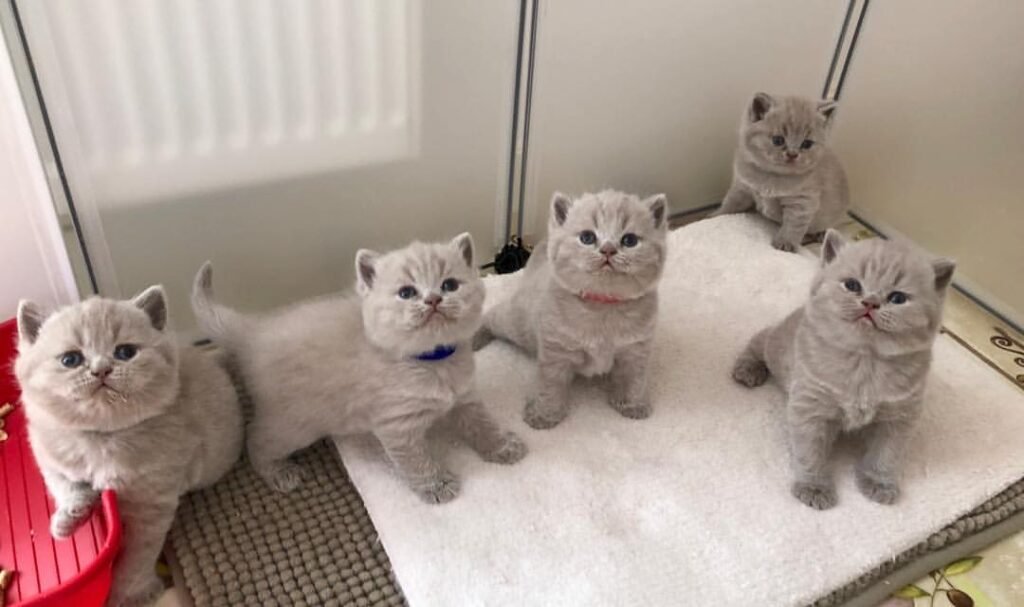
The Lilac British Shorthair is a captivating breed known for its stunning appearance and delightful personality, making it a perfect companion for families and individuals alike. With their plush, lilac-colored coats and round, expressive faces, these cats are not only visually appealing but also possess a gentle and affectionate nature. As a breed, they have garnered a reputation for being adaptable, easygoing, and loyal, making them an excellent choice for a variety of living situations. In this article, we will explore the unique characteristics, care requirements, and social behaviors of the Lilac British Shorthair, helping you determine if this delightful feline friend is the right addition to your home.
Introduction to the Lilac British Shorthair
The Lilac British Shorthair is essentially a plush, pint-sized cloud with a dash of royalty. Known for their charming appearance and laid-back demeanor, these cats have captured the hearts of many feline aficionados around the world. Their lilac-colored coats make them a standout choice for anyone looking for a companion that’s as lovely as a lavender field in bloom.
Brief History of the Breed
The British Shorthair breed, including the enchanting lilac variety, can trace its roots back to the Roman conquest of Britain. These robust cats were bred to be hardy and practical, helping to control pests in homes and barns. As time went on, they became a symbol of British culture and character, ultimately finding their way into the hearts of cat lovers everywhere. The lilac hue wasn’t always in vogue, but breeders worked diligently to establish it as a standard, and voilà—here they are, gracing our homes with elegance and charm!
Physical Appearance and Distinctive Traits
When you first lay eyes on a Lilac British Shorthair, the first word that might come to mind is “adorable.” With their round faces, chubby cheeks, and large copper or gold eyes, it’s hard not to smile. Their plush, thick coat has a soft, velvety texture, and the lilac color is a beautiful dusty mauve that looks almost edible—cue the cupcake cravings! These cats sport a sturdy build, with a strong neck, broad shoulders, and a bushy tail, giving them an appearance that screams “I’m in charge here!”
Unique Characteristics of the Lilac British Shorthair
Color and Coat Description
The lilac coat of these British Shorthairs is a true delight. It’s not just any grey; it’s a soft, muted tone with a hint of lilac that can seem to change depending on the lighting. Their coat is dense and plush, requiring a bit of love and attention to keep it looking its best. The color is most striking against their captivating eyes, which can range from gold to copper, adding another layer of charm to their already enchanting appearance.
Size and Build
Lilac British Shorthairs are like little bulldogs in cat form—solid and stocky with a muscular build. Males typically weigh between 12-16 pounds, while females hover around 9-14 pounds. Their body is compact yet powerful, giving them a surprisingly hefty presence for such cuddly creatures. With their broad chest and sturdy bones, they exude a sense of strength, perfect for tackling both playtime and afternoon naps.
Temperament and Behavior: What to Expect
Personality Traits
These felines are the cool cats of the pet world—confident but not cocky, affectionate but not clingy. Lilac British Shorthairs tend to be calm, easygoing, and a bit quirky, making them perfect companions for families or individuals who appreciate a feline with character. They’re known to be quite intelligent and curious, often getting into mischief when they think no one is looking. With a playful yet laid-back nature, these cats can keep you entertained while also reminding you that lounging is an art form.
Interaction with Children and Other Pets
If you’re worried that your lilac buddy will be offended by the pitter-patter of little feet, worry not! These cats are generally great with children, often enjoying the extra attention and playtime. They tend to be patient, but it’s essential to teach kids to be gentle—after all, even the most laid-back kitty has a limit! Similarly, they often coexist peacefully with other pets, adapting to a multi-pet household like a pro. Just remember to introduce them slowly and let them assert their place as royalty in your home.
Care and Maintenance: Grooming and Health Needs
Diet and Nutrition
Feeding your Lilac British Shorthair a balanced diet is key to keeping them as healthy as they are fluffy. Quality cat food—preferably high in protein and low in fillers—is the way to go. Cats are obligate carnivores, which means they thrive on meat, so check the ingredient list before choosing a kibble. Remember to monitor their weight; these cuddly kitties can pack on the pounds if given the chance. A balanced diet will also keep their coats shiny, and who doesn’t want a shiny cat?
Grooming Routine
Grooming is essential for any cat, but for Lilac British Shorthairs, it’s a breeze! Their plush coats only require brushing once a week to keep them looking fabulous and free of mats. This delightful routine also minimizes shedding, which is a bonus for your furniture. They can be prone to hairballs, so you might want to consider a specialized cat food to help keep those at bay. Plus, grooming time is an excellent opportunity for bonding with your furry friend—who can resist petting that velvety coat?
Common Health Concerns
While generally healthy, like any breed, Lilac British Shorthairs can be susceptible to certain health issues, including heart disease and obesity if they’re not careful. Regular vet check-ups, a balanced diet, and plenty of playtime can help knock on wood and keep those problems at bay. Keep an eye out for any changes in behavior or appetite, and make sure they stay active—after all, a well-exercised cat is a happy cat!
Ideal Living Conditions for Your Lilac British Shorthair
Space Requirements
Lilac British Shorthairs are like the cool kids at school: they don’t need a mansion to be happy, but they do appreciate having a cozy space to call their own. A moderate-sized apartment or house with plenty of soft spots for lounging will do just fine. Ensure there are vertical spaces, like cat trees or shelves, where they can survey their kingdom (and the occasional passing squirrel). Just remember, they’re not particularly fond of cramped quarters, so avoid turning your lovely abode into a feline sardine can.
Indoor vs. Outdoor Living
While the outside world might seem enticing, it’s best to keep your lilac companion indoors. These cats are known for their playful yet laid-back nature, and the great indoors offers a safe playground without the perils of traffic, predators, or that sneaky neighbor’s aggressive dog. If you want to grant them a taste of the wild, consider leash training or a secure catio. It’s like a cat version of a tropical vacation—sunshine and fresh air without the risk of them getting lost or stuck in a tree!
Socialization and Interaction with Family Members
Building Bonds with Your Cat
Bonding with your lilac British Shorthair is a bit like convincing a catnip-averse cat to love catnip: it takes time, patience, and maybe a few treats. These felines are known for their affectionate and friendly demeanor, so don’t be surprised if they become your new shadow. Spend quality time petting, grooming, and simply talking to your kitty. Before long, you’ll be the proud owner of a feline best friend who might even greet you at the door like a fluffy welcome committee.
Playtime and Activities
Engaging your lilac British Shorthair in playtime is essential for their happiness and health. Interactive toys, feather wands, and puzzle feeders are great tools to stimulate their curious minds. However, remember their royal nature: they enjoy a good game but prefer to do it on their own terms. A few rounds of chasing a laser pointer can be exhilarating, but don’t be surprised if they take a break mid-chase for a leisurely nap. After all, being regal is hard work!
Pros and Cons of Owning a Lilac British Shorthair
Advantages of Having a Lilac British Shorthair
Adopting a lilac British Shorthair comes with a treasure trove of perks. These cats are known for their calm and easygoing temperament, making them excellent companions for families and singles alike. Their striking plush coats, with that soft lilac hue, are Instagram-ready and always a hit during Zoom calls. Plus, their intelligence and trainability mean you can teach them some neat tricks—like how to open a bag of treats (just kidding, that’s a secret you’ll want to keep hidden!).
Challenges and Considerations
Of course, every rose has its thorn—or in this case, every cat has its quirks. Laziness can be a little too alluring for the lilac British Shorthair, leading to potential weight gain if playtime is neglected. They can also develop strong attachments to their humans, which might lead to a bit of separation anxiety if you have to leave them alone for extended periods. As with any pet, it’s essential to weigh these considerations to ensure you can meet their needs before bringing one of these charming furballs home.
Conclusion: Is a Lilac British Shorthair Right for You?
Final Thoughts on Ownership
Lilac British Shorthairs are undeniably delightful companions, combining elegance with a playful yet relaxed demeanor. If you’re someone who enjoys a little fluff in your life and appreciates a cat with personality, they could be your perfect match. Just make sure you’re prepared for those adorable yet irresistible moments of attention-seeking behavior—because who can resist a cat that demands snuggles?
Making the Decision
Before you rush off to adopt one of these beauties, take a moment to reflect on your lifestyle. Consider your space, the time you can dedicate to interaction, and whether you can handle the occasional cat-induced chaos. If you think you can provide a loving home filled with endless chin scratches and cozy cuddle sessions, then go ahead—welcome a lilac British Shorthair into your heart and home! In conclusion, the Lilac British Shorthair is a wonderful companion that brings both beauty and affection into any home. Their charming personalities and manageable care requirements make them suitable for a wide range of lifestyles. Whether you’re a first-time cat owner or a seasoned feline enthusiast, this breed can offer the love and companionship you seek.
Frequently Asked Questions
What is the lifespan of a Lilac British Shorthair?
The average lifespan of a Lilac British Shorthair is typically between 12 to 15 years, although with proper care, some may live even longer.
Are Lilac British Shorthairs hypoallergenic?
No, Lilac British Shorthairs are not considered hypoallergenic. While no cat is completely hypoallergenic, this breed does produce dander and saliva, which can trigger allergies in sensitive individuals.
Do Lilac British Shorthairs require a lot of grooming?
Lilac British Shorthairs have a dense coat that requires regular grooming, typically once a week, to minimize shedding and keep their fur healthy.
Are Lilac British Shorthairs good with children and other pets?
Yes, Lilac British Shorthairs are generally known for their friendly and sociable nature, making them a good fit for homes with children and other pets, provided they are properly socialized from a young age.