
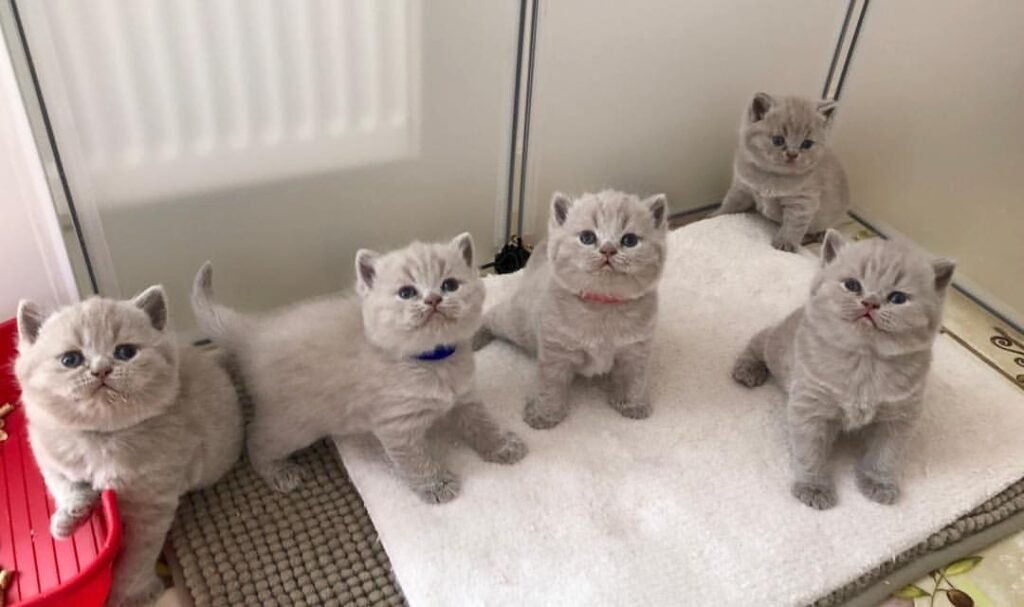
Choosing a pet is a significant decision, and for many cat lovers, the British Shorthair is a top contender. Among the various color variations, the lilac British Shorthair stands out not only for its unique and captivating appearance but also for its delightful personality and adaptability. With their plush coats, endearing temperaments, and minimal grooming needs, lilac British Shorthairs make excellent companions for individuals and families alike. In this article, we explore ten compelling reasons to consider welcoming a lilac British Shorthair kitten into your home, showcasing what makes this breed an exceptional choice for pet owners.
The Charming Appearance of Lilac British Shorthairs
Distinctive Coat Color and Pattern
If you’ve ever thought about what it’d be like to own a living piece of lavender ice cream, a lilac British Shorthair is your answer. Their plush, silvery-gray coats have subtle lilac undertones that make them the cat equivalent of a cozy cashmere sweater—soft and ready to snuggle! Plus, their coat has a lovely, uniform pattern that screams elegance without trying too hard.
Eye Color and Facial Structure
Those big, round eyes are like two mesmerizing gemstones, often a vibrant copper or deep orange that contrasts beautifully with their pastel fur. Their facial structure is equally charming, with a round head, short nose, and chubby cheeks that make them look perpetually surprised, as if they’ve just heard the punchline to the best cat joke ever.
Physical Build and Size
Lilac British Shorthairs boast a sturdy and muscular build, giving them a sense of robustness that’s both comforting and sturdy. They have a medium to large size, which means there’s plenty of them to love! Think of them as your personal furry water bottle—solid and reliable with a touch of elegance.
Temperament and Personality Traits
Affectionate and Loyal Companions
These fluffy sweethearts are known for their affectionate nature. They’re not just cats; they’re your furry best friends! They thrive on companionship and will happily curl up next to you, earning them the title of “cuddle champions.” Whether you’re watching TV or reading a book, you’ll always have a warm companion at your side.
Playfulness and Energy Levels
While they might look like the epitome of feline sophistication, lilac British Shorthairs have a playful side that keeps them young at heart. They can go from napping on your lap to chasing a feather toy with the enthusiasm of a kitten on catnip. Their energy levels are moderate, making them perfect partners for leisurely games or spontaneous bouts of silliness.
Intelligence and Trainability
These clever cats don’t just sit pretty; they’re also quite intelligent. Lilac British Shorthairs can learn tricks and even fetch (yes, really!). They thrive on mental stimulation and enjoy interactive play, so you can entertain them while enhancing their brains. So, if you’ve ever wanted a cat that can do more than just nap, this breed is the way to go!
Low Maintenance Grooming Needs
Coat Care and Shedding
One of the glories of the lilac British Shorthair is their low-maintenance coat. With their thick, plush fur, they only require regular brushing to keep things looking pristine and to minimize shedding. It’s like cleaning your couch once a week rather than daily—the fur will forgive you, and you’ll enjoy fewer dander surprises all over your favorite black outfit.
Regular Health Check-ups
Routine vet visits are crucial for keeping your lilac buddy in tip-top shape. Like any good family member, they need a little TLC in the form of periodic health checks to ensure they stay healthy and happy. Trust us, regular vet trips are less of a chore and more of an opportunity to flaunt your fabulously adorable pet!
Bathing and Nail Trimming
You might think bathing a cat is like wrestling with a slippery fish, but not with a lilac British Shorthair! These cats generally don’t require frequent baths; just occasional splashes when they roll in something questionable (which is rare). Nail trimming, on the other hand, is a breeze! Their calm disposition makes them easier to handle, so you can check that off your grooming list without a wild chase.
Health and Longevity Considerations
Common Health Issues in British Shorthairs
Like all breeds, lilac British Shorthairs can be prone to certain health issues, such as hypertrophic cardiomyopathy (HCM) and obesity. However, being proactive with their diet and care can help minimize these concerns. Think of it as a way to keep your little lump of joy around for the long haul!
Life Expectancy and Quality of Life
These adorable kitties can live anywhere from 12 to 20 years, depending on care, genetics, and how well they avoid those pesky laser pointers. Their life expectancy rivals that of some dog breeds, so you can expect many years of laughter, love, and the occasional ‘grumpy cat’ face.
Importance of Regular Veterinary Visits
Frequent visits to the vet are essential to ensure your lilac British Shorthair maintains excellent health and longevity. Regular check-ups can help detect potential issues early, keeping them feeling their best. Plus, who wouldn’t want an excuse for a little quality time with your favorite furball at their happy place—the vet?
Adaptability to Various Living Environments
Suitable for Apartment Living
Lilac British Shorthair kittens have a charmingly chill demeanor that makes them perfect for apartment dwellers. They don’t require vast amounts of space to stretch their legs and are equally content napping on the windowsill or chasing a stray piece of string. As long as they have a cozy corner to call their own, your little feline can thrive amidst the hustle and bustle of urban life.
Adjustment to Families with Children
These fluffy balls of fur are known for their easygoing nature, which often translates well into family dynamics. Lilac British Shorthairs are patient and gentle, making them an ideal companion for children. They’ll happily join in on playtime, but they also have a knack for seeking out quiet moments when the kiddos have run out of steam. Just be sure to supervise any wild wrestling matches—those tiny claws can be surprisingly sharp!
Coexistence with Other Pets
If you already have furry friends at home, fear not! Lilac British Shorthairs are generally sociable and can adapt to living with other pets. They approach new companions with curiosity rather than aggression, which helps to foster a peaceful household. They may even form lasting friendships with your other pets, creating a harmonious feline-fido family dynamic. Just remember to introduce them slowly to avoid any initial awkwardness—like a first date, but furrier!
Social and Family-Friendly Nature
Interaction with Family Members
Lilac British Shorthairs are renowned for their friendly disposition. They love to be part of family activities, whether it’s lounging on the couch during movie night or casually supervising dinner prep from a comfy perch. Their sweet, affectionate nature means they’ll often seek out cuddles and attention without being overly clingy. They’ve mastered the fine art of being present without being pushy—an impressive skill, indeed!
Building Bonds with Children
These kittens thrive in homes with children, as they are patient and playful. Their tolerant attitude makes them ideal for little ones who are still learning how to interact with pets. A lilac British Shorthair will happily partake in gentle games of catch or just enjoy being petted by tiny hands. Soon enough, they’ll become not just a pet, but a beloved member of the family who shares in all the giggles and shenanigans.
Welcoming and Friendly Towards Guests
When friends and family come over, don’t be surprised if your lilac British Shorthair steals the spotlight! These felines are sociable and often take a keen interest in visitors. They might greet guests with a polite rub against their legs or a curious head tilt. Their friendly nature means they’re less likely to hide at the sound of strangers and more likely to charm your guests into showering them with affection. Who could resist that adorable face?
Unique Color Genetics and Heritage
Origins of the British Shorthair Breed
The British Shorthair breed boasts a rich history that dates back to the Roman times. Originally bred for their excellent mouse-hunting skills, these cats have transformed from practical companions to beloved family pets. They embody a robust and sturdy physique, enhanced by their striking appearance, which can include the gorgeous lilac color that cat enthusiasts adore today. Who knew history could be so cute?
Genetic Factors Behind the Lilac Color
The captivating lilac color of these British Shorthairs is the result of a genetic dilution of the chocolate coat gene. This means that instead of a deep brown, you get a soft, muted grayish-lilac hue that’s almost irresistible. It’s also a rare color, adding a touch of uniqueness to your pet that you won’t find in the typical tabby cat. Raise your hand if you want a cat that turns heads wherever it goes!
Significance of Color in Cat Shows
In the world of cat shows, colors can make or break a contestant’s chances. The lilac British Shorthair is like the dazzling peacock of the feline world, often earning high marks for its rare shade and overall appearance. Judges look for consistency in color and coat texture, so owning one of these beauties means you’re not just a cat lover—you’re also a connoisseur of feline elegance!
Availability and Cost Factors
Where to Find Lilac British Shorthair Kittens
If you’re ready to welcome a lilac British Shorthair into your home, you’ll want to start your search at reputable breeders. Look for those who prioritize the health and well-being of their cats above all else. You can also find these adorable kittens at shelters and rescue organizations, where you might even score a delightful surprise in terms of personality and charm. Happy hunting!
Factors Influencing Price
The price tag on a lilac British Shorthair can vary widely, influenced by factors such as the breeder’s reputation, location, and even the kitten’s lineage. You might find prices ranging from a couple hundred to several thousand dollars. Remember, you’re not just purchasing a pet; you’re investing in years of companionship, purring, and the occasional mischief that only a cat can provide.
Adoption vs. Breeder Purchase
Choosing between adoption and purchasing from a breeder is a personal decision, and both options come with their own merits. Adoption is a fantastic way to give a cat a second chance at a happy home—plus, you might save a little money in the process! On the other hand, if you have your heart set on a lilac British Shorthair and want a specific pedigree, a breeder is the way to go. Whichever route you choose, ensure that you’re ready for the joy and responsibility that comes with cat parenthood! In conclusion, the lilac British Shorthair kitten is not just a beautiful addition to any home, but also a loving companion that brings joy and comfort. From their charming appearance and friendly temperament to their low maintenance needs, these kittens offer a delightful experience for pet owners. Whether you’re a seasoned cat lover or new to pet ownership, choosing a lilac British Shorthair can enrich your life in countless ways. As you consider your options, remember the unique qualities that make this breed a perfect fit for your family.
Frequently Asked Questions
1. How much does a lilac British Shorthair kitten typically cost?
The price of a lilac British Shorthair kitten can vary widely based on factors like breeder reputation, lineage, and location. On average, you can expect to pay between $1,500 and $2,500.
2. Are lilac British Shorthairs good with children and other pets?
Yes, lilac British Shorthairs are known for their friendly and social nature, making them great companions for children and other pets. They typically adapt well to family environments.
3. What kind of diet is best for a lilac British Shorthair?
A balanced diet that includes high-quality cat food, appropriate for their age and activity level, is best for lilac British Shorthairs. It’s important to consult with your veterinarian for specific dietary recommendations.
4. How often should I groom my lilac British Shorthair?
Lilac British Shorthairs have a dense coat that requires regular grooming, ideally once a week, to reduce shedding and prevent matting. They are relatively low-maintenance compared to some other breeds, but routine grooming is still important.