
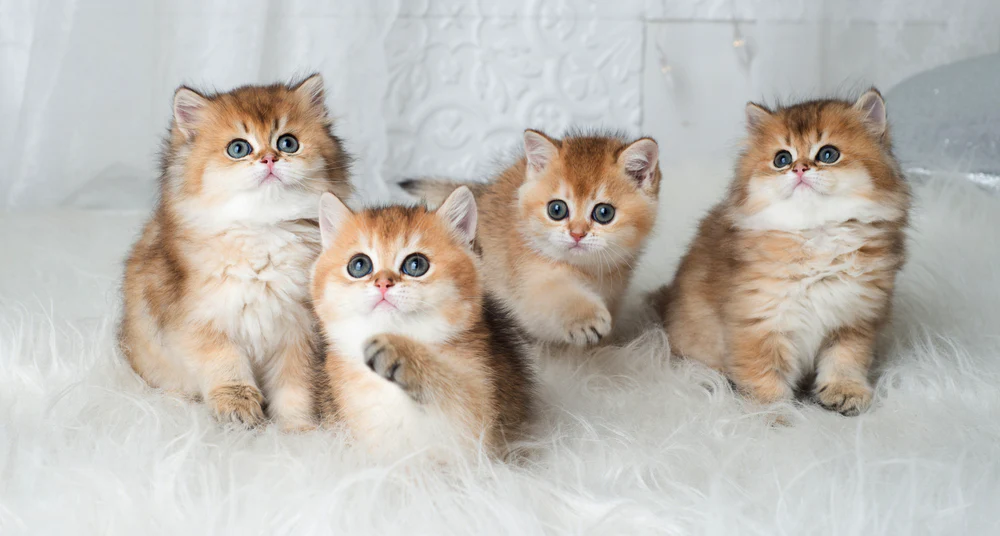
Bringing a new Golden British Shorthair kitten into your home is an exciting and rewarding experience. Known for their striking appearance, affectionate nature, and playful personality, these kittens quickly become cherished members of the family. However, preparing for their arrival involves careful planning and consideration to ensure a smooth transition and a happy, healthy life. This ultimate checklist will guide you through the essential steps for creating a welcoming environment, selecting necessary supplies, understanding their nutritional needs, and addressing their health and grooming requirements, all while fostering a loving bond between you and your new furry friend.
Preparing Your Home for a Golden British Shorthair Kitten
Assessing Your Living Space
Before your new furry friend arrives, take a moment to play the role of a real estate agent—just without the fancy suit. Assess your living space for potential hazards and cozy spots that could be perfect for kitten antics. Make sure there’s a warm, quiet area for your kitten to snuggle up in. Also, consider whether your home is too cluttered; that stack of unread magazines might just be a feline jungle gym waiting to happen!
Kitten-Proofing Your Home
Kitten-proofing is basically like baby-proofing, but with way more fur and a penchant for chaos. Tuck away any cords, toxic plants, and small objects that curious paws might find irresistible. Ensure that windows are securely screened, as your little explorer will surely want to take in the great outdoors—safely, of course! Remember, if it can be batted, chewed, or climbed, it’s on the kitten’s radar.
Designating a Safe Area
Create a designated safe zone for your Golden British Shorthair—a cozy corner with everything your kitten needs. This should include food and water, a litter box, and a comfy bed. Think of it as your kitten’s “me-time” retreat where they can escape from the big, scary world (or, you know, just take a nap). Add a few toys, and you’ve got the ultimate kitten chill zone.
Essential Supplies and Equipment
Food and Water Bowls
Invest in sturdy, non-slip food and water bowls that can withstand enthusiastic kitten antics. Stainless steel or ceramic bowls are ideal because they’re easy to clean, ensuring your little gourmet always has the freshest dining experience. Plus, they’re less likely to be knocked over during your kitten’s mealtime celebrations!
Quality Cat Food
When it comes to cat food, it’s not just about filling the bowl—it’s about filling it with the good stuff! High-quality kitten food is essential for your little one’s growth and energy levels. Look for options that list meat as the first ingredient and are specially formulated for kittens. After all, you wouldn’t feed a gourmet meal to a Michelin-star chef and then serve them instant noodles, right?
Litter Box and Supplies
Every kitten needs their throne, and that’s where the litter box comes in. Choose a spacious litter box with low sides for easy entry and exit, coupled with an unscented, clumping litter. Place it in a quiet area away from food, because kittens believe in keeping their dining and restroom experiences distinctly separate—no one wants to mix those vibes!
Scratching Posts and Toys
Let’s face it: your couch does not want to be a scratching post. Provide multiple scratching posts and a variety of toys to keep your kitten entertained and engaged. From furry mice to laser pointers, a well-rounded toy collection will help channel their natural hunting instincts into fun, rather than destruction. Remember, a tired kitten is a happy (and less destructive) kitten!
Comfortable Bedding
A cozy bed is a must-have for your new companion. Look for a soft, supportive bed that your Golden British Shorthair can curl up in after a hard day of napping and playing. Bonus points if it’s machine washable—because let’s be honest, no one wants to deal with mystery stains from epic snuggle sessions!
Nutrition and Feeding Guidelines
Understanding Dietary Needs
Kittens are like little caffeine-fueled tornadoes, and they need the right fuel to keep up their energy! Their dietary needs differ from adult cats, primarily because they’re still growing and need a diet rich in protein and fat. A well-balanced diet not only supports their physical growth but also their playful personality (and let’s be real, that sass needs some serious nourishment!).
Choosing the Right Food
When picking kitten food, don’t be lured by catchy labels or cartoons on the packaging. Go for brands that prioritize high-quality ingredients—ideally, ones that are specifically formulated for kittens. Consult with your vet if you’re unsure; they can help you navigate the cat food jungle like seasoned pros. Just think of them as your kitty nutritionist!
Feeding Schedule Recommendations
Kittens thrive on routine, so establish a consistent feeding schedule. Generally, aim for three to four meals a day for your little ball of energy. As they grow, you can transition to two meals. Just remember, moderation is key—no all-you-can-eat buffets here! Keep an eye on your kitten’s weight to ensure they’re growing healthily, not turning into a fluffy little ball of mischief.
Health and Veterinary Care
First Veterinary Visit
Schedule your first veterinary visit as soon as you bring your kitten home. This initial check-up is not just a meet-and-greet; it’s essential for ensuring your little one is healthy and up to date on vaccines. Plus, it’s a great opportunity to ask all those burning questions you have—like why they seem to have an affinity for your shoelaces!
Vaccination Schedule
Kittens typically need a series of vaccinations to protect them from various diseases. Your vet will provide a vaccination schedule, usually starting as early as six to eight weeks. Make sure to stick to it like you would a Netflix binge—you wouldn’t skip episodes, right? Regular vaccinations are key to keeping your kitten healthy and happy.
Parasite Control
Parasites are the unwanted guests no one wants to entertain, and kittens are especially susceptible. Discuss parasite prevention with your vet and consider implementing a routine for flea, tick, and worm protection. Trust us, no one wants to find an unwelcome party crasher joining your otherwise adorable kitten.
Microchipping and Identification
Microchipping is a smart move to ensure your kitten can always find their way home, especially if they’re the adventurous type. It’s a quick procedure done at the vet and provides lifelong protection. Additionally, invest in a breakaway collar with an ID tag—after all, you never know when a curious kitty will decide to explore the great outdoors (or simply the next room).
Socialization and Training Tips
Introducing Your Kitten to Family Members
Start by letting your kitten explore their new home at their own pace. Encourage family members to sit quietly and let the kitten approach them. A gentle voice and a few treats can work wonders! Remember, it’s a meet-and-greet, not a family reunion – no crowding or sudden movements. Kids should be reminded to be calm and gentle, because a playful swipe can turn into a wrestling match faster than you can say “catnip.”
Basic Commands and Training Techniques
Kittens can learn simple commands (yes, they are trainable little furballs!). Start with “sit” and “come” using treats and positive reinforcement. Use a clicker or a cheerful “good kitty!” to reward their efforts. Keep training sessions short and sweet – think of it as a cat version of speed dating rather than a marathon! Consistency is key, so practice daily to keep things fun and engaging.
Encouraging Positive Behavior
Reward good behavior with treats, praise, or extra chin scratches! If your kitten scratches the furniture instead of the scratching post, redirect their attention using toys or catnip. Make sure to remove temptations (like that expensive couch) if you can. Positive reinforcement works wonders, so when you see them using the scratching post, throw a mini celebration. Bonus points if you join in the celebration – kittens love a good party!
Creating a Safe and Stimulating Environment
Indoor vs. Outdoor Considerations
While it might be tempting to let your golden British Shorthair roam free outside, consider the dangers: traffic, other animals, and the occasional curious child with a stick. Indoor cats can live long, happy lives, especially with proper stimulation! If you do venture outside, consider a harness and leash, or create a secure outdoor enclosure where your kitten can safely bask in the sun without the risk of becoming a feline pancake.
Interactive Playtime Ideas
Your kitten is practically a tiny athlete in training, so embrace that energy! Use toys like feather wands, laser pointers, or even a simple ball of yarn (under supervision, of course) to engage them in play. Rotate toys every few days to keep things fresh and exciting. Set aside some dedicated playtime each day, and you’ll build a fun routine that keeps both you and your kitten entertained. Who knew exercise could be this cute?
Providing Enrichment Opportunities
Enrichment is crucial for your kitten’s mental health. Create a cozy nook with a scratching post, cat trees, and cozy hiding spots where they can feel secure. You can also hide treats around the house for a little treasure hunt – it’s like an episode of “Survivor” but with less drama and more purring. Puzzles and interactive toys are great, too, keeping those clever minds active and entertained!
Grooming and Maintenance Needs
Coat Care and Brushing Techniques
Golden British Shorthairs have a plush coat that deserves some pampering! Regular brushing (at least once a week) not only keeps their fur looking fabulous, but it also reduces shedding and hairballs – a win-win! Use a soft brush and gently work through any tangles, chatting with them as you go. Remember, grooming time is bonding time, even if your kitten’s opinion about that may differ.
Nail Trimming and Ear Care
Nail trimming is a must to prevent those little claws from turning your skin into Swiss cheese. Aim for every couple of weeks, and look for signs they need a trim (like claw daggers that can’t be hidden). Use cat-specific nail clippers and go slowly. As for ear care, check them regularly for wax build-up or dirt. A cotton ball dampened with a vet-approved solution can be used to clean gently. Just remember, no body wrestling during this process!
Bathing Your Kitten
Bathing a kitten can be like trying to convince a toddler that vegetables are delicious – it’s tricky! Generally, kittens don’t need regular baths unless they get into something particularly messy. When a bath is necessary, use warm water and a gentle cat shampoo. Have treats at the ready for positive reinforcement. And always towel dry them afterwards, ideally while playing some dramatic music for effect – because everything’s more fun with a soundtrack!
Common Behavioral Traits and Solutions
Understanding Kitten Behavior
Kittens are curious explorers, often turning your living room into a jungle gym. They love to play, pounce, and sometimes, plot world domination (just kidding… sort of). Understanding their body language and vocalizations can help you decode their moods. Watch for twitching tails, slow blinks, and content purring – these are all signs of a happy kitty. Learning their quirks will only strengthen your bond!
Addressing Common Issues
Is your kitten launching themselves off the furniture like a furry rocket? Or perhaps they have a penchant for attacking your toes? It’s all part of their charm! Redirect inappropriate behaviors with toys or playtime and provide plenty of stimulation to curb excess energy. If litter box issues arise, check for cleanliness and location – no one enjoys a stinky bathroom!
Building a Strong Bond with Your Kitten
Building a strong bond with your golden British Shorthair is all about quality time. Play with them, cuddle when they permit (which is often on their terms), and speak soft, soothing words. These small acts of love will teach them that you’re their favorite human. And trust us, earning that “best friend” title is worth every purr, head bump, and sometimes the random loopy zoomies in the middle of the night!In conclusion, welcoming a Golden British Shorthair kitten into your home is a joyful journey filled with love and companionship. By following this ultimate checklist, you can ensure that your new kitten thrives in a safe and nurturing environment. Remember, patience and consistency are key as you build a strong bond with your furry friend. With proper care, attention, and understanding, your Golden British Shorthair will grow into a healthy, happy, and well-adjusted member of your family. Enjoy every moment of this exciting adventure!
Frequently Asked Questions
What should I feed my Golden British Shorthair kitten?
It’s essential to provide high-quality kitten food that meets their nutritional needs. Look for a balanced diet that includes protein, fats, and essential vitamins. Consult your veterinarian for specific recommendations based on your kitten’s age and health.
How often should I take my kitten to the vet?
Kittens should have their first veterinary visit as soon as possible, typically within the first few weeks after adoption. After that, regular check-ups are recommended every 3-4 weeks until they are about four months old, followed by annual visits for vaccinations and health assessments.
How can I help my kitten adjust to a new home?
To help your kitten adjust, create a safe and quiet space for them with familiar items, such as bedding and toys. Gradually introduce them to different areas of your home and spend quality time playing and bonding with them to build trust.
What are common behavioral issues with Golden British Shorthair kittens?
Common behavioral issues may include scratching furniture, litter box problems, or excessive meowing. To address these concerns, provide proper outlets for their energy, such as scratching posts and interactive toys, and ensure consistent training and socialization.