
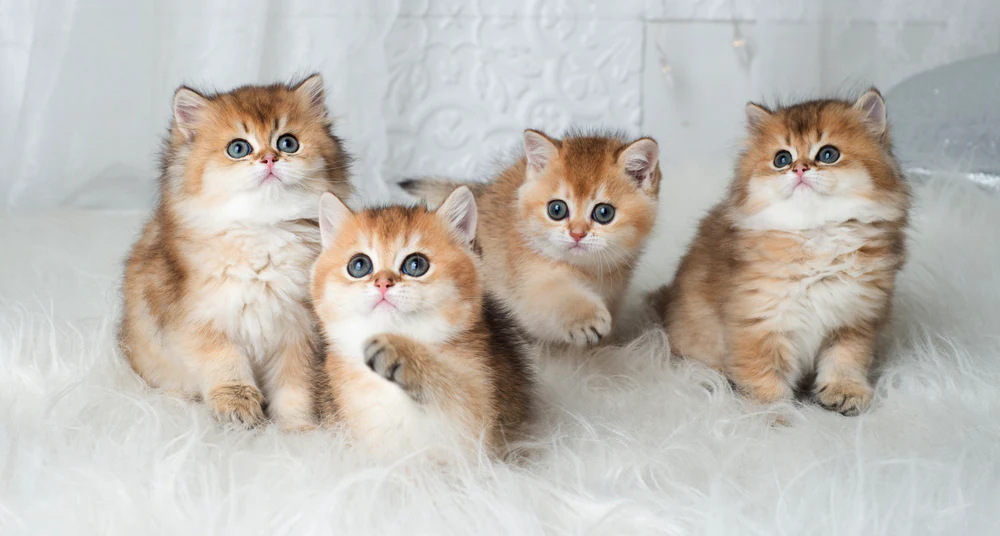
Bringing a Golden British Shorthair kitten into your home can be an incredibly rewarding experience, filled with companionship and joy. Known for their striking golden coats, round faces, and playful yet affectionate personalities, these kittens have become increasingly popular among cat enthusiasts. However, for first-time buyers, navigating the process of selecting, caring for, and integrating a new kitten can be daunting. This buyer’s guide aims to provide you with essential information about the breed, tips on finding a reputable breeder, and insights into the care and maintenance needed to ensure your Golden British Shorthair thrives in your home. Whether you’re preparing your space or learning about health considerations, this guide will help you make informed decisions as you embark on this exciting journey.
Understanding the Golden British Shorthair Breed
Historical Background and Origin
The Golden British Shorthair has an aristocratic lineage that traces back to the Romans who brought cats to Britain. Fast forward a few centuries, and these felines have become the stars of cat shows, winning hearts with their plush coats and charming personalities. Though they share ancestry with the traditional British Shorthair, the golden variant stands out as an eye-catching beauty, thanks to selective breeding that emphasizes that gorgeous golden hue. Think of them as the royal jewels of the cat world, fit for a queen (or a very lucky cat parent).
Distinctive Features of the Golden Coat
The golden coat of these kitties isn’t just a shade—it’s practically a work of art! It boasts a rich, warm color that can range from a soft honey to a deep amber. Their dense, plush fur is reminiscent of a cozy blanket, making them perfect lap companions. And let’s not forget about the copper-colored eyes that seem to hold the secrets of the universe (or at least the location of the snacks). Whether they’re sunbathing or lounging in your lap, their gleaming fur will send you into a state of blissful admiration.
Temperament and Behavior
Golden British Shorthairs are the perfect blend of affectionate yet independent—think of them as the introverted friend who loves to cuddle but also appreciates a good solo Netflix binge. They tend to be calm, gentle, and adaptable, which makes them great companions for both families and individuals. While they won’t follow you around like an overly eager puppy, they certainly enjoy being part of the action. Just be prepared for some quirky antics and a few demanding meows when it’s time to refill their food bowl!
Key Characteristics and Traits to Look For
Physical Appearance
When scouting for a Golden British Shorthair kitten, look for a round face with those adorable chubby cheeks and a sturdy, stocky body. Their legs should be short and powerful, perfect for pouncing on imaginary prey (or your unsuspecting toes). A soft, dense coat that’s evenly golden is key, along with those captivating copper eyes that can melt even the hardest of hearts. Remember, a healthy kitten should also have a shiny coat and active movements, as they should be ready to conquer your living room kingdom.
Personality Traits
These little felines are known for their easygoing nature. They’re generally friendly and sociable, making them great companions for new cat owners. While they can be quite playful, they also appreciate their alone time—perfect for when you need a moment to recharge. Golden British Shorthairs are also intelligent and curious, often getting into the mischief of their own design. Just make sure to have a few toys on hand; otherwise, you might find your favorite pair of shoes reimagined as a scratching post!
Common Health Issues
Like all breeds, Golden British Shorthairs can be prone to specific health issues. One common concern is hypertrophic cardiomyopathy (HCM), a heart condition that can lead to serious complications. They may also face obesity-related issues if not kept active and monitored. Regular vet check-ups and a balanced diet are essential for keeping your kitty in tip-top shape. Don’t forget to shower them with love and attention—after all, a happy cat is a healthy cat!
Preparing Your Home for a Golden British Shorthair
Creating a Safe Space
Before bringing your new furry friend home, it’s crucial to create a safe and comfortable environment. Designate a cozy corner with a soft bed, scratching post, and toys to keep them entertained. Make sure to cat-proof your space by removing any hazards, such as toxic plants or dangling cords that might turn into a cat’s plaything. Remember, a safe kitty is a happy kitty, and happy kitties come with lots of cuddles.
Essential Supplies and Equipment
To keep your Golden British Shorthair looking and feeling fabulous, stock up on essential supplies. This includes a high-quality litter box, premium cat food tailored to their dietary needs, a scratching post (because your furniture deserves a break), and toys to satisfy their playful nature. Don’t forget a stylish collar with an ID tag; we all want our feline friends to look chic while being responsible! Pro tip: a comfy cat carrier is also vital for trips to the vet or impromptu adventures.
Introducing Other Pets
If you already have other pets, introducing them to your new kitten can be a delicate dance. Begin by keeping the newcomer in a separate room for a few days, allowing both your existing pets and the kitten to get used to each other’s scents. Gradually introduce them under supervision and let them get acquainted at their own pace. With a little patience, your Golden British Shorthair will become the beloved addition to your furry family—after all, every great royal court needs its jester!
Finding a Reputable Breeder
What to Look for in a Breeder
Finding a reputable breeder is crucial for ensuring you bring home a healthy Golden British Shorthair. Look for breeders who are registered with recognized cat associations and are open to sharing their breeding practices. Avoid any backyard breeders or pet stores that prioritize profit over the well-being of the animals. A responsible breeder will prioritize health testing and provide a nurturing environment for the kittens before they’re ready to join your family.
Questions to Ask Potential Breeders
When talking to breeders, don’t be shy—ask them everything! Inquire about the kitten’s health history, vaccinations, and any genetic testing done on the parents. Make sure to ask about the socialization practices of the kittens and how they’ve been raised. A good breeder will be more than happy to answer your questions and provide you with a wealth of information about their kittens and their breeding philosophy. After all, it’s a big decision, and you deserve to feel confident in your choice!
Signs of a Responsible Breeding Environment
A responsible breeding environment should look like a cozy sanctuary rather than a factory. Observe how clean and well-maintained the space is, and check that the kittens have plenty of room to play and explore. The breeder should encourage you to meet the kitten’s parents, as this can give you insights into the temperament and health of your future feline. If the kittens are well-socialized, curious, and affectionate, you’re likely looking at a breeder who truly cares about their cats. Now that’s what we call a win-win!
Health Considerations and Initial Vet Visits
Essential Vaccinations and Preventative Care
When you bring home your golden bundle of fluff, the first order of business is a vet visit. Your kitten will need essential vaccinations to keep those pesky diseases at bay. Core vaccines typically include FVRCP (feline viral rhinotracheitis, calicivirus, and panleukopenia) and rabies. Don’t forget about preventative care like flea and tick treatments, and spaying or neutering if you’re not planning on starting a cat dynasty. Regular vet visits will set the foundation for a healthy life, so don’t skip out on those!
Understanding Genetic Testing
Genetic testing might sound like something out of a sci-fi movie, but it’s actually quite useful for ensuring your kitten’s long-term health. Some breeds, including our lovely British Shorthairs, can be predisposed to specific genetic conditions. A quick DNA test can reveal potential health risks, allowing you to be proactive instead of reactive. Think of it as a health insurance policy for your kitty—better safe than sorry!
Establishing a Health Routine
Creating a health routine early on is key to your kitten’s well-being. Regular check-ups, a balanced diet, and a consistent vaccination schedule form the holy trinity of feline health. Make a calendar to track vet visits, vaccinations, and treatments. It’s a fun way to show your kitten that you care—bonus points for a squeaky toy reward after every successful appointment!
Nutrition and Diet for Your New Kitten
Choosing the Right Food
Feeding your golden British Shorthair the right food is like choosing the best fuel for a sports car—essential for peak performance! Look for high-quality kitten food that lists meat as the first ingredient, packed with all the nutrients a growing kitty needs. Avoid fillers like corn and soy; these are more suitable for a car tire than a cat’s dinner. Consult your vet for personalized recommendations based on your kitten’s unique needs.
Feeding Schedule and Portions
Kittens have a bottomless pit for a stomach, but that doesn’t mean you should let them go wild with free feeding! Establish a feeding schedule with three to four small meals a day. Follow the recommendations on the food packaging, but keep an eye on your kitten’s weight. Adjust portions as needed—if they start resembling a furry beach ball, it might be time to reconsider the portion sizes!
Common Dietary Concerns
As your golden furball grows, keeping an eye on their diet is crucial to avoid common dietary concerns like obesity, allergies, or picky eating habits. Monitor their reaction to new foods—if they suddenly play hard to get with their kibble, they might have sensitivities or allergies. If all else fails, consult your vet for troubleshooting tips. After all, your kitten’s diet should be more appetizing to them than your leftovers!
Socialization and Training Tips
Importance of Early Socialization
Socializing your kitten is as important as feeding them—after all, you want a well-adjusted cat, not a hermit! Expose your golden British Shorthair to different people, environments, and even other pets right from the start. The more experiences they have as a kitten, the less likely they’ll be to hide under the couch at the sight of a new friend. Remember, first impressions matter—even for cats!
Basic Training Commands
Contrary to popular belief, cats can be trained! Teach your new kitty basic commands like “sit” and “come” using positive reinforcement—a sprinkle of treats goes a long way. Consistency is key; practice in short sessions so as not to tire out your tiny furball. With a little patience, you’ll be amazed at what your golden British Shorthair can learn. Just don’t expect them to fetch your slippers anytime soon!
Playtime and Mental Stimulation
A bored kitten is a mischievous kitten, so ensure your little furball has plenty of playtime and mental stimulation. Interactive toys, puzzle feeders, and climbing structures will keep their minds sharp and their bodies active. Schedule daily play sessions to bond and give them a chance to burn off that seemingly endless energy. After all, a tired cat is a happy cat—and a happy cat means a happy human.
Long-Term Care and Maintenance of Your Golden British Shorthair
Grooming and Coat Care
Golden British Shorthairs have stunning coats, but that beauty comes with responsibility! Regular grooming helps prevent mats and keeps their luxurious fur looking fabulous. Brush them at least once a week to remove loose hairs and dander. And while they might not enjoy it initially, they’ll learn to appreciate the pampering—and you’ll enjoy the reduced fur tumbleweeds rolling around your home!
Regular Health Check-Ups
Like a car needs regular oil changes, your kitty needs regular health checks to stay in tip-top condition. Make yearly vet appointments to keep tabs on your golden British Shorthair’s health. These visits can catch problems early and ensure your kitten remains a happy, energetic companion. Plus, it’s a great excuse for some extra cuddles when they’re back home!
Understanding Aging in Cats
As your golden fluffball transforms into a regal feline, it’s vital to understand the aging process. Senior cats may require special diets, more frequent vet visits, and adjustments in their lifestyle. Watch for changes in behavior, activity level, and eating habits; these can signal health issues. Embrace their golden years—after all, they’ve earned a cozy spot on your lap!In conclusion, welcoming a Golden British Shorthair kitten into your life is a delightful journey that brings immense joy and companionship. By understanding their unique characteristics, preparing your home, and committing to their care and well-being, you can create a loving environment where your new feline friend can flourish. Remember, the key to a happy and healthy relationship with your kitten lies in patience, love, and ongoing education. With the right preparation and knowledge, you’ll be well-equipped to enjoy many wonderful years with your Golden British Shorthair.
FAQ
What is the average lifespan of a Golden British Shorthair?
The average lifespan of a Golden British Shorthair is typically between 12 to 15 years, although some can live longer with proper care and a healthy lifestyle.
Are Golden British Shorthairs good with children and other pets?
Yes, Golden British Shorthairs are generally known for their gentle and friendly temperament, making them a good choice for families with children and other pets when properly socialized.
How much exercise do Golden British Shorthairs need?
While they are not overly active, Golden British Shorthairs do benefit from regular playtime and mental stimulation to keep them healthy and happy. Short daily play sessions are usually sufficient.
What type of diet is best for a Golden British Shorthair kitten?
A high-quality, balanced diet specifically formulated for kittens is ideal, as it provides the necessary nutrients for growth and development. Consult your veterinarian for specific recommendations tailored to your kitten’s needs.