
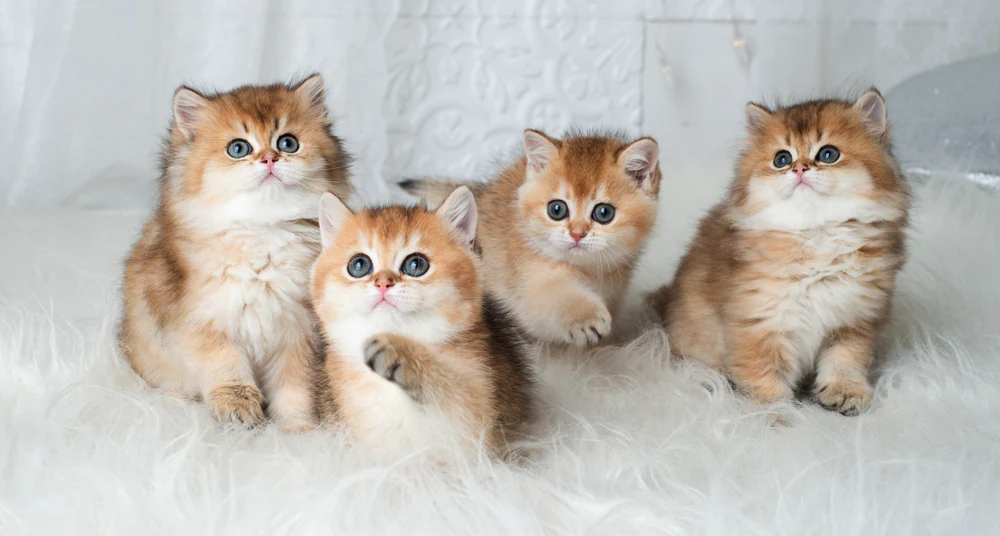
The Golden British Shorthair is a striking breed that captivates cat lovers with its luxurious golden coat and charming personality. Known for their robust build and round features, these cats combine beauty with a gentle temperament, making them a popular choice among families and individuals alike. With a rich history that dates back to the Roman era, the British Shorthair has evolved into a beloved companion, and the golden variety adds a unique flair to this already fascinating breed. In this article, we will explore what makes the Golden British Shorthair so special, from their distinctive appearance and playful nature to essential care considerations and tips for finding the right breeder.
Introduction to the Golden British Shorthair
Overview of the Breed
The Golden British Shorthair is like the George Clooney of the feline world—handsome, charming, and a little bit mysterious. Known for their plush coats and round faces, these cats are a variant of the traditional British Shorthair, boasting a striking golden hue that catches the eye like a sunbeam on a lazy afternoon. With a laid-back attitude and a penchant for snuggles, they’re perfect companions for those who appreciate a cat with both beauty and brains.
Popularity and Demand
In the world of fluffy companions, the Golden British Shorthair is quickly becoming the new “it” cat. Their desire for companionship and superior good looks have made them a hot commodity among cat lovers. Social media hasn’t hurt, either, with countless Instagram accounts dedicated to showing off their golden glory. Who wouldn’t want to be friends with a cat that looks like it just stepped out of a cozy, oversized sweater ad?
Distinctive Features and Appearance
Coat Color and Patterns
Golden British Shorthairs flaunt a stunning coat color that resembles liquid gold—think of a purring, furry nugget. Their fur can range from a soft, pale gold to a richer, deeper hue, often with a subtle shading that adds depth and dimension. Some may even sport a mesmerizing pattern, like spots or stripes, but let’s be real, it’s the color that steals the spotlight. These cats leave a golden trail of envy wherever they go.
Body Structure and Size
These kitties come with an impressive build—stocky, muscular, and oh-so-cuddly. With a broad face and sturdy legs, they can easily be mistaken for tiny, furry tanks. Males typically weigh between 12-15 pounds, while females are a bit lighter, showing that these cats don’t skip leg day at the gym. Their solid structure makes them both durable and perfect for those moments when you need a living heating pad.
Facial Features and Expression
The Golden British Shorthair has a face that could launch a thousand heartbeats. Their round cheeks and large, expressive eyes give them a perpetually adorable expression—like they just discovered their favorite toy (or the last piece of tuna). This combination of features not only makes them irresistible but also allows them to communicate effectively; those big eyes can say, “Feed me!” or “Let’s cuddle!” with just one look.
Personality Traits and Temperament
Social Behavior with Humans
These cats are social butterflies, often seen lounging on your lap or following you from room to room. They thrive on human interaction and enjoy being part of the family. While they may not be the type to greet guests at the door like a golden retriever, they will warm up to visitors in their own time, making unexpected appearances to charm and delight.
Interaction with Other Pets
Golden British Shorthairs typically get along well with other pets, especially if they are socialized from a young age. Think of them as the easy-going peacemaker of your household, skilled at diffusing tensions between feuding pets. Their tolerant and relaxed demeanor makes them a great fit for multi-pet households, as they don’t mind sharing the spotlight (as long as they get their fair share of treats).
Playfulness and Activity Level
When it comes to playtime, the Golden British Shorthair strikes a perfect balance between lazy lounging and spontaneous bursts of energy. They enjoy interactive play but aren’t overly demanding, so you won’t find yourself feeling like a cat toy assembly line. A few rounds of laser tag or a good old-fashioned game of feather wand are just enough to keep them entertained, followed by some well-deserved nap time in the sun.
Health Considerations and Care
Common Health Issues
Like all breeds, Golden British Shorthairs can be prone to certain health issues, including hypertrophic cardiomyopathy (HCM) and obesity. Regular vet check-ups and being mindful of their weight can help ensure they live long, healthy lives. These cats are not just gorgeous; they deserve to feel their best too!
Nutrition and Diet Needs
Proper nutrition is essential to keep your golden nugget in tip-top shape. A balanced diet rich in high-quality protein is key, as these kitties require nutrients to support their muscular builds. Since they have a tendency to gain weight, portion control is crucial—no one wants a cat that can’t squeeze through the cat door!
Grooming and Maintenance
With their short, dense coats, Golden British Shorthairs require minimal grooming—thank goodness, because who has time for cat salons? A bi-weekly brushing will help keep their fur shiny and healthy, while also reducing shedding. Plus, it’s the perfect excuse for some quality “you and me” time on the couch. Add a regular nail trim into the mix, and you’ll have a purring companion that’s both gorgeous and well-groomed!
The History of the British Shorthair Breed
Origins and Development
The British Shorthair breed has roots that trace back to ancient Roman times, around the 1st century AD, when cats were brought to Britain to help control the rodent population. These early felines thrived in the British Isles, adapting to the local environment. With time, they developed into robust, sturdy cats with a distinctive appearance—think of them as the original British tough guys! The breed gained popularity in the late 19th century, especially after being featured in cat shows. They quickly went from street fighters to show-stoppers, becoming a beloved companion and a symbol of British cat culture.
Evolution of the Breed Standards
As British Shorthairs strutted their stuff in cat shows, breed standards began to evolve. In the early days, the focus was on physical traits such as round faces, dense fur, and stocky bodies. The 20th century brought a significant shift, especially after World War II, when the breed faced near extinction due to wartime hardships. Dedicated breeders worked tirelessly to revitalize the breed, refining the standards to emphasize health and temperament without compromising their unique charm. Today’s standards celebrate the beautiful balance of strength and cuddly plushness that makes them such delightful furry friends.
Golden Coat: Genetics and Color Variations
The Science Behind the Golden Coat
The golden coat of the British Shorthair is nothing short of a genetic masterpiece. This stunning shade derives from a unique combination of genes that produce a warm, glowing hue. The presence of the “golden” gene, which is a mutation of the classic tabby pattern, allows for various shades of gold—from a buttery hue to a deeper amber. It’s like the feline version of having a permanent tan, minus the sunburns and beach trips. Thanks to selective breeding, these cats have become iconic for their standout coats, often captivating cat lovers around the world.
Other Color Variants in the British Shorthair
While the golden coat certainly shines, British Shorthairs come in a delightful spectrum of colors. From the classic blue (think “British Blue”—it’s practically a brand!) to cream, black, and various tabby patterns, there’s a hue for everyone! The breed also boasts patterns like bicolor, van, and even colorpoint, satisfying all tastes and preferences. So, whether you’re a fan of a dapper gray gentleman or a strikingly unique tortie, the British Shorthair has you covered, literally!
Choosing the Right Breeder
What to Look for in a Responsible Breeder
Finding the right breeder is akin to dating—there are plenty out there, but you want to find “the one” who really gets you. A responsible breeder prioritizes the health and well-being of their cats over profit. Look for someone who is knowledgeable about the breed, provides health clearances, and raises their kittens in a loving environment. They should be open to questions and willing to share their breeding practices. Basically, if they seem more interested in selling you a cat than in discussing its lineage and health, run for the hills!
Questions to Ask Before Adopting
Before committing to a furry friend, don’t hesitate to play the detective! Ask the breeder about the kitten’s lineage, health history, and socialization efforts. Inquire about any potential genetic issues associated with the breed, and request to see health clearances for the parents. Don’t forget to ask about the kitten’s personality; you want to make sure you’re bringing home a match that fits your lifestyle. Essentially, be the Sherlock Holmes of cat adoption—your future feline will thank you!
Conclusion: Why They Make Exceptional Pets
Recap of Key Attributes
The British Shorthair, especially in its golden glory, is a masterpiece of feline charm. With a rich history, stunning golden coat, and variety of colors, these cats boast not just good looks but also delightful temperaments. They are known for their calm demeanor, affectionate nature, and intelligent personalities. Plus, their low grooming needs and sturdy build make them perfect companions who won’t need a runway to strut their stuff!
Final Thoughts on Ownership
Bringing a British Shorthair into your home is like adopting a small, furry piece of British history—complete with a personality that can charm the socks off anyone. They are adaptable, loving, and always up for a good cuddle session, making them perfect pets for families and individuals alike. So, whether you’re a seasoned cat parent or a first-time adopter, a British Shorthair will undoubtedly leave paw prints on your heart!In conclusion, the Golden British Shorthair stands out not only for its stunning appearance but also for its affectionate and easy-going nature. Whether you are captivated by their beautiful coat or their charming personality, these cats make wonderful companions for any household. By understanding their unique needs and characteristics, you can ensure a fulfilling and loving relationship with your Golden British Shorthair for years to come.
FAQs
What is the typical lifespan of a Golden British Shorthair?
The typical lifespan of a Golden British Shorthair is around 12 to 15 years, although with proper care and a healthy lifestyle, some can live even longer.
Are Golden British Shorthairs good with children and other pets?
Yes, Golden British Shorthairs are generally known for their friendly and gentle temperament, making them great companions for children and other pets.
How much grooming do Golden British Shorthairs require?
Golden British Shorthairs have a dense coat that requires regular grooming, ideally once a week, to reduce shedding and maintain coat health.
What should I feed my Golden British Shorthair?
A balanced diet that includes high-quality cat food, tailored for their age and activity level, is essential for the health of a Golden British Shorthair. It’s advisable to consult with a veterinarian for specific dietary recommendations.