
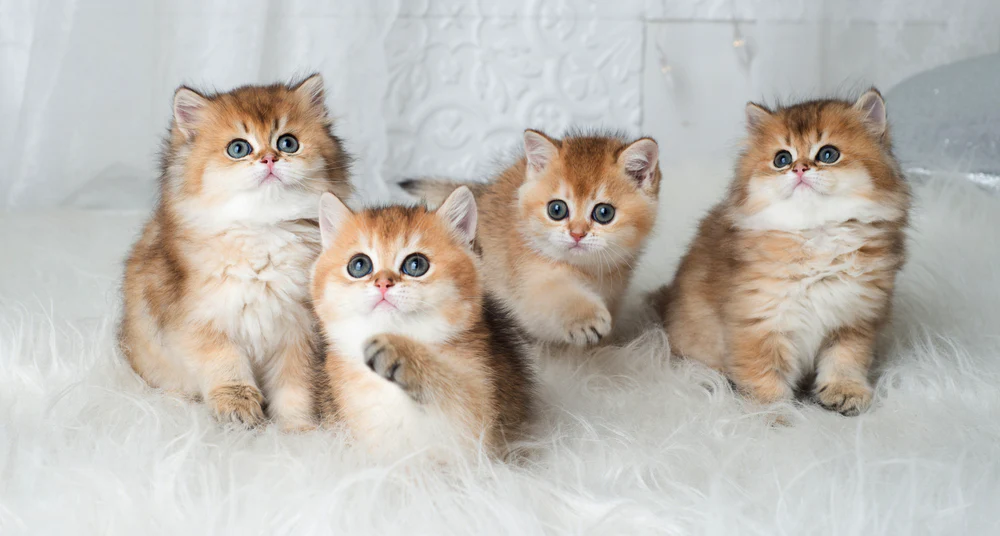
The Golden British Shorthair is not just a cat; it’s a captivating companion that combines beauty, charm, and a loving personality. Known for their stunning golden coats and round faces, these felines have garnered a dedicated following among cat lovers around the world. As one of the most desirable breeds, Golden British Shorthairs offer a delightful mix of playfulness and affection, making them perfect additions to any home. In this article, we will explore the unique traits of this enchanting breed, delve into their care requirements, and guide you through the process of welcoming one of these gorgeous cats into your life. Whether you’re a seasoned cat owner or considering your first pet, the Golden British Shorthair may just be the purrfect companion for you.
Overview of British Shorthairs
History and Origin
British Shorthairs have a history as rich as a good cup of tea. Believed to have descended from cats brought to Britain by the Romans, these regal felines have been charming their way into our hearts since the 1st century AD. Originally bred for their mousing prowess, they have since evolved into the loveable lap companions we adore today. With their robust build and distinctive round faces, it’s no wonder they starred in everything from classic literature to viral cat memes!
Physical Characteristics
If you picture the quintessential cat, you’re likely imagining a British Shorthair. Their round faces, chubby cheeks, and muscular bodies are as iconic as a double-decker bus. They typically sport dense, plush coats that come in a variety of colors, but the golden variety is especially eye-catching. These cats have broad chests, short legs, and a thick tail that resembles a fuzzy little sausage. With those sparkling eyes—often copper or blue—they’re hard to resist!
The Allure of Golden British Shorthairs
Distinctive Coat Color
Golden British Shorthairs are the golden retrievers of the cat world—minus the barks and requiring a little less space to chase after balls. Their warm, sun-kissed coats shimmer like lazy afternoons in a sunbeam, making them absolutely irresistible. This striking color, often enhanced with a subtle pattern, adds a dash of elegance to their already charming appearance. It’s like they woke up one day and decided to be the shining stars of the feline fashion world!
Popularity and Demand
Thanks to their regal looks and delightful personalities, Golden British Shorthairs are currently riding a wave of popularity. These fluffballs are not just cats; they are furry celebrities! Social media is filled with their adorable faces, captivating millions and driving demand sky-high. Consequently, if you’re looking to adopt one, be prepared for a bit of a wait (unless you’re particularly lucky) because everyone wants a piece of that golden charm!
Personality Traits and Temperament
Affectionate and Loyal Companions
Golden British Shorthairs are the type of companions who believe in cozy nights in rather than wild parties. They’re known for their affectionate nature, often curling up on your lap or following you around like a fuzzy shadow. Loyal to the core, they form strong bonds with their humans and are always eager to dish out purring therapy after a long, hard day. You’ll find that their loving gazes say, “You’re my favorite human,” even when you haven’t fed them in two hours.
Playfulness and Activity Levels
While they might love a good cuddle, these cats have a playful side that could rival a mischievous kitten. Golden British Shorthairs enjoy engaging in interactive play that stimulates their minds and keeps their bodies fit. Think of them as the feline equivalent of a weekend warrior: they can be laid-back couch potatoes one moment and spirited acrobats the next.
Care and Maintenance Requirements
Grooming Needs
Grooming your Golden British Shorthair is a bit like maintaining a high-maintenance celebrity—necessary but not overly complicated. Their dense fur requires regular brushing to prevent matting and help with shedding. A good once-a-week grooming session should keep them looking glamorous without turning your living room into a furball factory. Plus, it’s a nice bonding experience for both you and your shiny companion!
Feeding Guidelines
Like all fabulous beings, Golden British Shorthairs appreciate a well-balanced diet—think of them as the food critics of the cat world. They need high-quality cat food that meets their nutritional needs, along with proper portion control to avoid any unwanted weight gain (because no one wants a cat who resembles a fluffy beach ball). Always consult with your vet to determine the perfect feeding guidelines because happy, healthy cats make for the best companions. After all, a well-fed cat is a happy cat ready for snuggles and mischief!
Health Considerations
Common Health Issues
Golden British Shorthairs are generally healthy, but like any cat, they can be prone to certain health issues. Keep an eye out for conditions such as hypertrophic cardiomyopathy (a fancy term for heart disease), obesity (because they have a tendency to love their food a tad too much), and dental problems. Regular check-ups can help catch these issues before they turn into full-blown drama.
Regular Veterinary Care
Regular veterinary visits are as essential as a good catnip toy. Schedule annual check-ups to ensure your Golden British Shorthair is in tip-top shape and up to date on vaccinations. If your feline starts displaying unusual behavior, such as hiding or excessive vocalization (we know they love to chat, but not all the time), don’t hesitate to consult your vet. After all, a healthy cat is a happy cat!
Finding a Reputable Breeder
What to Look For
When searching for a breeder, think of yourself as a cat detective. Look for breeders who are transparent about health screenings and have a solid reputation. They should be able to show you health clearances, and their cats should have a loving, social environment. Also, check if they’re active in breed clubs – bonus points for a breeder that genuinely loves the breed and isn’t just in it for the cash flow!
Questions to Ask
Prepare your best interrogation skills! Ask about the kitten’s parents and their health histories, how the kittens have been socialized, and if the breeder offers a health guarantee. Don’t forget to inquire about early development practices—kittens that have had some quality playtime often grow up to be well-adjusted cats. And if they have a “no questions asked” return policy, you’ve hit the jackpot!
Integrating a Golden British Shorthair into Your Home
Preparing Your Home
To ensure your new feline overlord settles in comfortably, create a cozy, welcoming space. Set up a litter box, scratching post, and a few toys (with feathers, because who can resist those?). Make sure your windows are secure and any toxic plants out of reach. Cat-proofing is like baby-proofing, just with fewer diapers.
Introducing to Other Pets
When it comes to introducing your Golden British Shorthair to existing pets, patience is key. Start by keeping them in separate spaces and gradually allow them to sniff each other under doors. Then, supervise their first meetings. Treats and positive reinforcement can work wonders—because who doesn’t respond to a little bribery? Just remember, giving space is vital; no one wants to feel rushed into friendship!
Conclusion: Is a Golden British Shorthair Right for You?
Weighing Pros and Cons
Before diving headfirst into cat parenthood, take a moment to consider the pros and cons. Pros: they’re affectionate, strikingly beautiful, and often have charming personalities. Cons: they require regular grooming and can have health concerns. Balance your lifestyle with the needs of a Golden British Shorthair; your future couch potato will thank you for it!
Final Thoughts on Adoption
Adopting a Golden British Shorthair is like gaining a fluffy best friend who’s always ready for cuddles (and maybe some mischief). If you’re ready to commit, provide love, and occasionally share your snacks, then go ahead and welcome this gorgeous breed into your life. Because let’s face it, who wouldn’t want a feline companion that’s the literal definition of purrfection? In conclusion, the Golden British Shorthair stands out as a wonderful breed that brings joy, companionship, and beauty into the lives of their owners.
Frequently Asked Questions
What is the average lifespan of a Golden British Shorthair?
The average lifespan of a Golden British Shorthair is typically between 12 to 15 years, although with proper care, some may live even longer.
Are Golden British Shorthairs good with children and other pets?
Yes, Golden British Shorthairs are known for their gentle and friendly temperament, making them great companions for children and generally accepting of other pets.
How much grooming do Golden British Shorthairs require?
Golden British Shorthairs have a dense coat that requires regular grooming, ideally once a week, to prevent matting and reduce shedding.
What should I feed my Golden British Shorthair?
A balanced diet that includes high-quality cat food, rich in protein and essential nutrients, is recommended for maintaining the health and vitality of a Golden British Shorthair.