
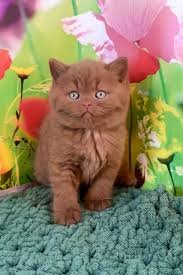
Bringing a British Shorthair kitten into your home can be a rewarding and delightful experience, but it’s essential to be well-prepared before making this commitment. Known for their charming personality, distinctive round faces, and plush coats, British Shorthairs are beloved for their easygoing nature and strong bond with their families. However, owning a kitten requires careful consideration and planning to ensure a happy, healthy life for your new furry friend. In this article, we will explore ten must-know tips that will help guide you through the process of buying and caring for a British Shorthair kitten, from understanding the breed to ensuring their long-term well-being.
Understanding the British Shorthair Breed
Characteristics and Temperament
The British Shorthair is known for its round face, dense coat, and sturdy build—think of them as the gentle giants of the cat world. They’re typically easygoing, affectionate, and a bit cheeky. These cats are not overly demanding of attention but will happily curl up next to you, reminding you that they’re the very definition of a purr-fect companion. Their calm demeanor makes them great partners for both busy households and those who prefer a cozy evening on the couch.
Common Color Variations
British Shorthairs come in a dazzling array of colors and patterns. While the classic blue (a greyish tint) may steal the spotlight, they can also flaunt hues like cream, chocolate, and even lilac. And let’s not forget the fun patterns like tabby, bicolor, and even calico. So, if you’re a cat color connoisseur, you’re in for a treat when choosing your fuzzy friend!
History and Origin of the Breed
This breed has deep roots, tracing back to the Roman times when they were used as work cats to control vermin. Fast forward a couple of centuries, and they were beloved pets to British nobility. After nearly vanishing due to the World Wars, they made a comeback in the 20th century and were officially recognized. Today they blend royal heritage with a dash of charm, making them a beloved addition to homes around the globe.
Health Considerations and Veterinary Care
Common Health Issues
Like all breeds, British Shorthairs are prone to certain health concerns. These may include hypertrophic cardiomyopathy (a fancy term for heart disease) and obesity, thanks to their love of food. Regular exercise and a balanced diet can go a long way in keeping these kitty couch potatoes fit and healthy. Always consult with your vet to ensure you’re on top of their health game!
Vaccination Schedule
Kittens require a series of vaccinations to protect against nasty bugs. Typically starting around six to eight weeks, your vet will guide you through the process, which includes the essentials, like feline distemper and rabies. Mark your calendar, because these shots are crucial for keeping your future feline healthy and ready to conquer the world—or at least your living room.
Regular Health Check-ups
Just like humans, British Shorthairs need regular check-ups to catch any health issues early. Annual vet visits help monitor their weight and overall health, ensuring your kitty remains the picture of purr-fect health. Plus, those fluffy check-ups give you a good excuse to shower your cat with treats (after all, they’ve earned it)!
Choosing a Reputable Breeder
What to Look for in a Breeder
When hunting for your new furry friend, finding a reputable breeder is key. Look for someone who is knowledgeable about the breed, has a clean and caring environment, and provides health guarantees for their kittens. A good breeder will also welcome you to meet the kitten’s parents—a little feline family reunion before you’ve even brought your baby home!
Questions to Ask the Breeder
Don’t be shy! Ask the breeder about their breeding practices, health screening for parent cats, and what socialization the kittens have received. Inquiring about the kitten’s personality and any specific care they’ve provided can also give you valuable insights and help ensure you’re making a purr-fect match.
Avoiding Red Flags
Not all breeders are created equal, so keep an eye out for red flags. If a breeder is unwilling to let you visit their home, provides minimal health information, or has kittens in less-than-stellar conditions, it’s time to take a step back. You want to bring home a happy, healthy kitten, not a mystery box of potential problems.
Preparing Your Home for a Kitten
Kitten-Proofing Your Space
Before your new bundle of joy arrives, it’s time to embark on a little kitten-proofing adventure. Secure loose wires, hide toxic plants, and stow away delicate knick-knacks—because that’s just begging for disaster! Double-check that any small items are up high, as curious kittens will see them as playthings. Remember, safety first, playtime second!
Safe Spaces for Your Kitten
Creating a cozy haven for your new feline friend is essential. Designate a quiet area equipped with a bed, scratching post, and toys; this will be their safe space to retreat to when they need a break from the kitten hustle and bustle. Bonus points if the area has a sunny spot for those famous cat naps!
Introducing Other Pets
If you have existing pets, introducing them to your new kitten should be done gradually. Start by allowing them to sniff each other’s scent under a door or through a gate. Then, with close supervision, facilitate short meetings. Patience is key here—after all, every great friendship starts with a good sniff and a bit of curious pawing!
Essential Supplies for Your New Kitten
Must-Have Equipment
Before you bring your adorable British Shorthair home, stock up on some essential supplies. You’ll need a sturdy litter box (because no one wants to play hide and seek with kitty litter), a cozy bed for those much-needed cat naps, and a scratching post to keep their claws and your furniture intact. Cat trees are optional but recommended—who doesn’t want to give their furry friend a mini mansion?
Choosing the Right Food and Bowls
Feeding your kitten is a bit like choosing a fine wine; you want to make sure it’s high quality and will help them thrive. Look for kitten-formulated food rich in protein and essential nutrients. As for bowls, opt for shallow, wide dishes to prevent whisker fatigue (yes, that’s a thing!). Bonus points for getting non-slip bases to avoid those charming little food flinging moments.
Grooming Tools and Accessories
While British Shorthairs are lower-maintenance when it comes to grooming, that doesn’t mean you can skip it entirely! Grab a slicker brush for those regular grooming sessions to keep their soft, plush coat looking spiffy. Nail clippers and cat-safe grooming wipes should also join your arsenal. Remember, a well-groomed kitty is a happy kitty—and less hair on your favorite sweater!
Socialization and Training Tips
Early Socialization Techniques
Introducing your new British Shorthair kitten to different environments, people, and even other pets can set them up for success. Start small with short, positive experiences—think gentle cuddles and playtime with various toys. A little treat here and there helps too. Remember to let them explore at their own pace; no one likes being forced into a social event they didn’t RSVP for!
Basic Training Commands
Training a kitten is much like teaching a toddler—patience is key! Begin with basic commands like “sit” and “come.” Use positive reinforcement, like treats and praise, to reward good behavior. Keep sessions short and fun, and soon you’ll have a well-mannered feline who might even fetch (or at least look at you like they care).
Managing Behavior Issues
Every cat has their quirks, and while we love them for it, some behaviors can be a tad annoying. If your little furball is scratching the furniture or climbing your curtains, try redirecting that energy with toys or scratching posts. For meowing that seems to have a PhD in volume, ensure their needs are met—like food, litter, and playtime. If all else fails, remember: it’s just a phase, and you’ve got a lifetime of love ahead.
Nutrition and Feeding Guidelines
Choosing the Right Diet
Like humans, cats need a balanced diet to stay healthy and happy. Look for high-quality kitten food, ideally with real meat as the first ingredient. Avoid fillers like corn and soy—they’re like the candy of the cat food world. Consult with your vet to find the best options tailored to your kitten’s needs, and watch as they munch away like culinary connoisseurs.
Feeding Schedule for Kittens
Kittens have tiny tummies and high energy levels, so they typically need to eat more frequently than adult cats. Aim for around 3-4 meals a day, spacing them out to keep their energy levels steady. As they grow, you can gradually transition to two meals a day. And remember, it’s not just about what they eat but when—they thrive on routine!
Understanding Portion Control
It’s tempting to treat your kitten like a little fluffball of endless joy with an all-you-can-eat buffet. However, portion control is crucial. Follow the feeding guidelines on your kitten food and use a measuring cup. While those pleading, puppy-dog eyes are hard to resist, overfeeding can lead to weight issues down the road. Your future vet will thank you!
Long-Term Commitment and Care Needs
Average Lifespan and Aging Considerations
British Shorthairs are known for their longevity, often living 12-20 years. This means you’re signing up for a long-term commitment! As your feline friend ages, keep an eye on their health and adapt their diet and activity levels accordingly. Regular vet check-ups become increasingly important, especially for checking joint health and managing any emerging age-related issues.
Routine Care and Maintenance
Routine care isn’t just about snuggles and playtime—though that’s a big part of it! Regular vet visits, vaccinations, and dental care are essential. Establish a daily routine that includes feeding, grooming, and playtime. The more consistent you are, the happier and healthier your British Shorthair will be. (And they’ll appreciate your efforts—eventually!)
Financial Commitment of Owning a Cat
Owning a cat is a bit like adopting a tiny, fuzzy roommate. While they bring joy, cuddles, and the occasional mystery odor, they also come with costs. Between food, litter, toys, vet visits, and future emergencies, budgeting for your new feline friend is crucial. It’s not just an initial investment; think of it as a delightful, albeit sometimes costly, long-term relationship!In conclusion, bringing a British Shorthair kitten into your home is a fulfilling journey that requires careful preparation and commitment. By following the tips outlined in this article, you can ensure that your new companion thrives in a loving environment. Remember that providing proper care, socialization, and nutrition will not only enhance your kitten’s well-being but also strengthen the bond between you and your new furry friend. With the right knowledge and dedication, you can enjoy many happy years together.
FAQs
What is the average cost of a British Shorthair kitten?
The average cost of a British Shorthair kitten can range from $1,500 to $3,000, depending on the breeder, lineage, and location.
How do I know if a breeder is reputable?
A reputable breeder should provide health clearances for their kittens, allow you to visit their facilities, answer your questions, and have a good reputation within the breed community.
What kind of diet is best for a British Shorthair kitten?
A balanced diet specifically formulated for kittens is ideal, focusing on high-quality protein, essential vitamins, and minerals to support healthy growth and development.
How much exercise does a British Shorthair kitten need?
While British Shorthair kittens are generally relaxed, they still need regular playtime and stimulation to keep them healthy and happy. Aim for daily interactive play sessions to encourage physical activity.