
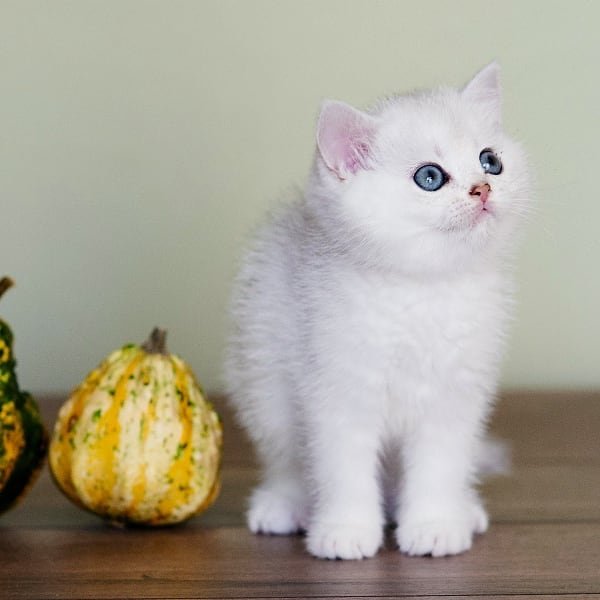
Adopting a kitten can be one of the most rewarding experiences for any cat lover, and the White British Shorthair is a particularly charming breed known for its striking appearance and friendly temperament. Before bringing one of these delightful felines into your home, it’s important to understand the unique characteristics and needs of the breed. From preparing your living space to ensuring proper health care, training, and nutrition, there are several key factors to consider that will help ensure a smooth transition for both you and your new companion. This guide outlines everything you need to know before adopting a White British Shorthair kitten, setting you up for a happy and fulfilling relationship with your new furry friend.
Understanding the White British Shorthair Breed Characteristics
Physical Traits and Appearance
The White British Shorthair is like the aristocrat of cats, boasting a plush, dense coat that feels like a cloud (seriously, it’s hard to resist). Their round faces, chubby cheeks, and copper or blue eyes give them a distinctly adorable look. You can expect a stocky build and strong legs, making them resemble little fluffy bulldogs! Their short, thick tails complete the package, making them the perfect snuggle buddies and assertive lap warmers.
Temperament and Personality
These kittens are the total package: charming, laid-back, and just a sprinkle of mischief. The White British Shorthair is known for its affectionate nature, making them fantastic companions for families and singles alike. While they enjoy a good cuddle, they also appreciate their independence and can sometimes go off on their own little adventures (read: napping in a sunbeam). They’re not overly demanding, but they do enjoy playtime—think of them as the introverted friend who’s always up for a game of laser pointer tag.
Common Health Issues
Like any breed, White British Shorthairs come with a few health quirks. Be on the lookout for conditions such as hypertrophic cardiomyopathy (HCM), a heart condition that can affect felines. Dental issues and obesity can also rear their furry heads if you’re not careful with their diet and dental health. Regular vet check-ups and maintaining a balanced lifestyle will help keep your fluffy little bundle in tip-top shape for years to come!
Preparing Your Home for a New Kitten
Creating a Safe Environment
Before your new kitten arrives, it’s vital to cat-proof your home like it’s a Fort Knox for felines. Hide away poisonous plants, secure loose wires, and make sure any small items that could be swallowed are tucked away safely. Consider creating a cozy nook with a bed, scratching post, and some toys to keep your new companion entertained. Remember, their natural curiosity means they’ll be exploring every nook and cranny, so the safer your home is, the better!
Essential Supplies to Have
Stocking up for your new pal is just as important as preparing your home! You’ll need the holy trinity of cat supplies: litter box, scratching post, and a comfy bed. Don’t forget high-quality cat food, food and water bowls (bonus points for stylish ones), and a few fun toys—think feathers, wiggly strings, or even a catnip-stuffed mouse! A carrier is a must for vet visits, and perhaps a cozy blanket for extra snuggles.
Introducing the Kitten to Your Home
Once your new fluffball arrives, give them time to adjust. Choose a quiet room for their initial introduction and allow them to explore at their own pace. Sit back and enjoy the show as they sniff out their new kingdom. Supervise their wanderings, offer treats, and provide gentle encouragement. After a couple of days, you can start letting them explore the rest of the house, but keep them away from any closed rooms that might harbor their most embarrassing cat moments (like trying to fit into a shoebox).
Health Considerations and Veterinary Care
Choosing a Veterinarian
Selecting the right vet is essential for your kitten’s well-being. Look for a veterinary practice that specializes in cats or has good reviews from fellow cat parents. Consider factors like location, office hours, and whether they offer emergency services. Once you’ve found a match, schedule a meet-and-greet to ensure you and your kitten feel comfortable with the staff. Remember, this will be the team helping you tackle everything from routine check-ups to unexpected health hiccups!
Vaccinations and Preventative Care
Vaccinations are your kitten’s best defense against certain diseases. Talk to your vet about core vaccines—like FVRCP and rabies—that are essential for their health. Regular preventive care, including flea and tick treatments, worming medication, and dental care, will keep your kitten thriving. Early vet visits will pave the way for a lifetime of good health—and save you from those worry-filled late-night Google searches when something seems “off.”
Understanding Insurance Options
Pet insurance is like a safety net for your furry friend, offering peace of mind in case of unexpected medical expenses. Shop around for policies that cover routine visits and emergencies, and read the fine print—some plans are more comprehensive than others. If you’re leery of the fine print, take the time to compare options and choose a plan that fits both your budget and your kitten’s potential needs. After all, we all want to avoid a “check-up? That’ll be your life savings” moment at the vet.
Nutrition and Feeding Guidelines
Best Food Choices for Kittens
When it comes to feeding your White British Shorthair, quality matters! Look for a high-quality kitten food that’s packed with protein (think chicken or fish) and essential nutrients for growth. Wet food can be a great addition for hydration and palatability, but dry kibble can help with dental health. Always consult with your vet to ensure you’re making the best choice for your specific kitten’s needs. Remember, a well-fed kitten is a happy kitten!
Feeding Schedules and Portions
Kittens thrive on routine, so establishing a feeding schedule is key. Most kittens do well with three to four meals a day until they’re about six months old, after which you can transition to two meals. Be mindful of portion sizes according to the food’s recommendations—overfeeding is as big a problem as underfeeding. Keep an eye out for any signs of weight gain or loss, and adjust portions accordingly. You want your kitten to be feisty and fit, not a fluffy couch potato!
Special Dietary Needs
As your kitten grows, they might develop specific dietary preferences or needs. Some may require grain-free options, while others might need to avoid certain proteins due to allergies. It’s essential to stay observant and note any changes in stool or behavior after a dietary change. If you suspect any food-related issues, a chat with your vet can help get your little one back to feeling their best. Because let’s be real—nobody wants a cat with tummy troubles and a penchant for dramatic flair!
Socialization and Training Tips
Importance of Early Socialization
Kittens are like little sponges, soaking up experiences and social cues during their early months. Early socialization is crucial for a White British Shorthair kitten, as it helps them develop into well-adjusted adults who are comfortable around people and other pets. This means exposing them to various sounds, sights, and smells, and letting them meet different people and friendly animals. Think of it as setting them up for a feline version of a social media influencer career!
Basic Training Techniques
Training a kitten is easier than training a toddler (sorry, parents!). Start with simple commands, like “come” or “no,” using positive reinforcement techniques. Treats, praise, and playtime are great motivators. Kittens respond well to consistency, so make sure everyone in your household is on the same page when it comes to training. Remember, you’re not just teaching them the ropes; you’re also building an unbreakable bond—like the one you have with your favorite pizza topping.
Dealing with Behavioral Issues
Every kitten has a mischievous side, and our White British Shorthairs are no exception! If your little furball is acting out—think knocking over your prized plants or endlessly chasing their own tail—try to identify the root cause. Is it boredom, anxiety, or just pure kitten antics? Provide alternatives, like toys or climbing shelves, and redirect their energy. Remember, patience is key. After all, Rome wasn’t built in a day, and neither will your kitten’s perfect behavior!
Grooming Requirements and Maintenance
Brushing and Coat Care
Despite their plush coats, White British Shorthairs have low grooming needs. Brush your kitten once a week to keep those beautiful locks free of mats and tangles. Regular brushing not only controls shedding but also strengthens the bond between you and your furry friend—kind of like a kitty spa day! Plus, you get to admire that stunning white fur without finding it everywhere (or on your dinner).
Nail Trimming and Ear Cleaning
Just like humans, kittens need some personal grooming, too. Trim those little claws every couple of weeks to prevent any accidental ballroom dance disasters on your legs. As for ear cleaning, it’s generally a once-in-a-while task unless your kitten likes to audition for a band of mud wrestlers. Use a damp cloth to wipe their ears gently, keeping it simple and drama-free.
Bathing Your Kitten
Most cats are fabulous self-groomers, but if your White British Shorthair gets themselves into a sticky situation (and we’re not just talking about sticky fingers), a bath may be in order. Use lukewarm water and a cat-friendly shampoo—after all, we want our fluff balls to smell like roses, not roses and bath-time drama! Be sure to introduce them to water slowly and keep the experience as stress-free as possible—music and treats definitely help!
Common Behavioral Traits and Enrichment Activities
Understanding Playfulness and Energy Levels
White British Shorthairs are known for their charming personalities and playful antics. While they love their downtime, these kits also have a surprising energy burst that could rival a toddler who skipped their nap. Enjoy their playfulness by incorporating short play sessions throughout the day, and watch them pounce around like they’re auditioning for a feline Olympics!
Recommended Toys and Games
Invest in a variety of toys to keep your energetic companion entertained. Feather wands, laser pointers, and interactive puzzles will keep their minds sharp and bodies active. Rotate toys regularly to keep the excitement alive—think of it as their very own toy festival! When in doubt, a good cardboard box can provide endless entertainment. It’s like the ultimate playground and fort in one!
Creating a Stimulating Environment
A stimulating environment is key for your White British Shorthair’s happiness. Consider cat trees, tunnels, and perches where they can survey their kingdom. Adding climbing shelves and cozy napping spots will cater to their curious nature. Don’t forget to incorporate places for hiding—because every cat loves a good snooze in a suspiciously concealed space. A little creativity can turn your home into a feline wonderland!
Legal and Ethical Considerations in Adoption
Understanding Adoption Policies
Before bringing home your new bundle of joy, familiarize yourself with local adoption policies. Each shelter or breeder has guidelines about adoption fees, spaying/neutering, and vaccinations. Understanding these policies can help ensure that you’re prepared and that your kitten has a safe and loving start in their new life. It’s all about being a responsible pet parent—kind of like being a superhero, but with catnip.
Finding a Reputable Breeder or Shelter
When searching for your adorable White British Shorthair, do your homework! Look for reputable breeders who prioritize the health and well-being of their kittens, or consider adopting from a shelter where countless kittens are looking for loving homes. Ask for health records and don’t hesitate to visit them in person to meet your future fuzzball. Think of it as a blind date, but instead of awkward small talk, you get to play with kittens!
Commitment and Long-Term Responsibilities
Bringing a kitten into your life is a long-term commitment—think of it as signing an endless contract for cuddles, companionship, and occasional mischief. Make sure you’re ready for the responsibilities that come with pet ownership, including regular vet visits, feeding, and providing love and attention. In return, your White British Shorthair will become an irreplaceable part of your family. So, stock up on toys and prepare for countless purring naps together! Bringing a White British Shorthair kitten into your home can be a deeply enriching experience filled with joy and companionship. By preparing adequately and understanding the specific needs of this breed, you can create a nurturing environment that promotes their health and happiness. Remember, the bond you build with your new kitten will grow stronger with time, patience, and love. Embrace the journey ahead, and enjoy every moment with your adorable new friend.
FAQ
1. How much does it typically cost to adopt a White British Shorthair kitten?
The cost can vary widely depending on the source, but you can expect to pay anywhere from $1,000 to $2,000 if adopting from a breeder, while shelters may have lower fees that include vaccinations and spaying/neutering.
2. Are White British Shorthairs good for families with children or other pets?
Yes, they are generally known for their friendly and sociable nature, making them a great choice for families. However, early socialization is key to ensuring they adjust well to different household dynamics.
3. How much grooming do White British Shorthairs require?
White British Shorthairs have a dense coat that benefits from regular brushing, about once a week, to prevent matting and reduce shedding. They also require occasional baths and nail trimming.
4. What should I feed my White British Shorthair kitten?
High-quality kitten food that meets their nutritional needs is essential. Look for options that are rich in protein and specifically formulated for kittens to support their growth and development.