
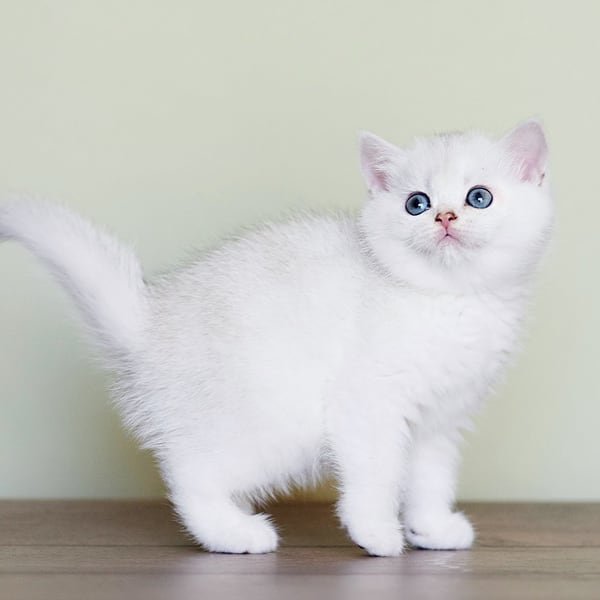
Bringing a British Shorthair kitten into your home is an exciting and rewarding decision, but it requires careful consideration and preparation. Known for their charming personalities and distinctive appearance, British Shorthairs make wonderful companions for families and individuals alike. However, purchasing a kitten involves more than just falling in love with their adorable faces; it’s essential to understand the breed, find a reputable breeder, and ensure you’re ready for the responsibilities of pet ownership. This article provides top tips for navigating the journey of buying a British Shorthair kitten in the U.S., helping you make informed choices and welcome your new furry friend with confidence.
Understanding the British Shorthair Breed
History and Origin
The British Shorthair is basically the OG of feline royalty. This breed dates back to ancient Rome, where they were revered for their hunting prowess and strong, sturdy build. Fast forward a few centuries, and they’ve cozied up to Queen Victoria, who fell head over paws for their charm. Today, British Shorthairs are known for their robust nature, plush coats, and adorably round faces. Who wouldn’t want a piece of this historical kitty pie?
Physical Characteristics
British Shorthairs are like the bodybuilders of the cat world—stocky, muscular, and oh-so-huggable. These fluffballs typically sport broad heads, small ears, and large, expressive eyes that can range from copper to gold. Their coats? A plush desire—short, dense, and oh-so-soft. You might expect to see them in a regal blue-gray, but they can actually come in a whole rainbow of colors and patterns. Just imagine a rainbow of cuddles!
Temperament and Behavior
When it comes to personality, British Shorthairs are the definition of chill. They’re known for being easygoing, affectionate, and confident, making them the ultimate couch buddies. These cats are not the type to cling to you like a toddler; instead, they’ll gracefully let you live your life while keeping a careful eye on you from their cozy perch. They balance playful antics with serene lounging, which means they’re perfect for cat parents who enjoy a bit of both worlds.
Finding Reputable Breeders
Researching Breeder Credentials
When it comes to finding a British Shorthair, not just any breeder will do. Start by searching for breeders who are registered with recognized feline associations—these folks are the real deal. Check online reviews, ask fellow cat enthusiasts, and look for any red flags like breeding cats in less-than-ideal conditions. A good breeder will be as transparent about their credentials as you are about your cat’s sudden need for treats.
Visiting Breeder Facilities
If you can swing it, make a trip to the breeder’s facility. This is your chance to see where the kittens are born and raised—think of it as a house tour, but instead of looking for a hot tub, you’re checking out if the previous tenants were treated like royalty. Look for clean, spacious environments, and observe how the kittens interact with their surroundings and the humans around them. This is a glimpse into the kind of life your future furball has experienced!
Questions to Ask Potential Breeders
Don’t be shy about firing off some questions when you meet potential breeders. Inquire about the kitten’s health history, socialization practices, and genetic testing. Ask how many litters they breed per year—if they have more kittens than they can cuddle, it might be a red flag. And don’t forget to ask if you can meet the kitten’s parents; they’re the ones who set the standard for your future fluffball’s charm and quirks.
Health Considerations and Genetic Testing
Common Health Issues in British Shorthairs
Like all breeds, British Shorthairs have some health quirks you should be aware of. They can be prone to certain conditions like hypertrophic cardiomyopathy (HCM) and obesity. Keeping an eye on their diet and regular vet check-ups can help your little chunk of fur stay healthy and happy. Remember, a cat with a healthy heart is a happy cat ready to conquer the world, or at least your living room.
The Importance of Vaccinations
Vaccinations are the superhero capes of the kitty world! They protect your new companion from a variety of illnesses, and let’s face it, no one enjoys paying vet bills for preventable diseases. Make sure your breeder provides a vaccination record, and schedule a visit to the vet after bringing your kitten home. This way, you can keep everything in check and ensure your little fluffball grows up to be a strong, healthy feline superhero.
Genetic Testing and Its Benefits
Genetic testing can be a game-changer for your British Shorthair. It helps identify possible hereditary health issues before they become major problems, allowing you to take proactive measures. A good breeder will conduct these tests, and you can request the results—because who doesn’t want a little peace of mind knowing your new buddy has a clean bill of health? Plus, it’s like getting the ultimate cat insurance without the monthly premiums!
Preparing Your Home for a New Kitten
Essential Supplies and Equipment
Before your new furry roommate arrives, stock up on essential supplies. Think litter box, quality kitten food, a scratching post (because your furniture will thank you), and, of course, toys galore! Don’t forget a cozy bed; after all, every royal needs a throne to rest on. Your shopping list could double as a cat’s wish list—who knew they had such expensive taste?
Creating a Safe Environment
Safety first! Before you bring your kitten home, kitten-proof your space. This includes hiding electrical cords, keeping small items out of reach, and securing any loose windows. Think of it as setting up an amusement park, but for a tiny fur tornado. Create cozy spots for your kitten to explore and relax, and make sure everything is non-toxic. You wouldn’t want your little explorer to turn into a daredevil!
Introducing Your Kitten to the Home
When the big day arrives, think of it as a welcome party for your new kitten. Start by letting them explore a confined space, so they can get used to their surroundings without feeling overwhelmed. Supervise the first interactions with other pets, and offer plenty of treats and praise to help them settle in. Remember, patience is key; this is a new world for your little ball of fluff, and soon enough, they’ll take over like the boss they are!
The Importance of Socialization and Training
Early Socialization Techniques
Socialization is key to a well-adjusted British Shorthair. Start early by exposing your kitten to various environments, sounds, and people. Invite friends over (the kitten might love the attention, and you can sneak in a glass of wine), and gently introduce your fluffball to new experiences. Try short playdates with other pets. Just remember, they’re not a fan of overwhelming chaos; think tea party, not rave.
Basic Training Tips
Training a kitten is kind of like herding cats—oh wait, that’s what you’re doing! Start with the basics like litter box training and using a scratching post. Positive reinforcement works wonders; treat them for good behavior, and use that classic “good kitty” voice. Consistency is vital, so keep training sessions short and fun. Think of it like game night for you and your new roommate.
Understanding Kitten Behavior
Kittens are little furry enigmas. They might zoom around the house at 3 AM for what seems like no reason at all (spoiler: it’s probably the “zoomies”). Understanding body language is crucial—slow blinks mean love, while a swishing tail can imply, “Don’t you dare come any closer.” Being aware of their quirks helps you bond better and avoid any accidental scratching incidents.
Choosing the Right Kitten for Your Lifestyle
Assessing Activity Levels
British Shorthairs are known for their calm demeanor, but they still need playtime to keep their little purr engines running smoothly. Assess how active you are—if you enjoy lazy Sundays in pajamas, seek a kitten that matches that vibe. On the flip side, if you’re a fun-seeking adventurer who loves playing with toys or going on walks, you might want a kitten that’s a bit more playful.
Personality Matching with Family Dynamics
Every family is unique, and so is every kitten! Consider your family’s dynamics—are there small children who might overwhelm a shy kitten? Or perhaps a laid-back household that can accommodate a more independent furball? Evaluate the temperament of each kitten and how they might fit into your family’s routine. Finding a kitten that naturally harmonizes with your lifestyle is like finding the perfect Netflix series—so satisfying!
Considerations for Multi-Pet Households
Bringing a new kitten into a house full of pets can be a bit like adding a new cast member to an ensemble sitcom. Introduce them slowly! Set up safe spaces where they can retreat if things get too lively. Observe how your other pets react; a curious dog might want to play, while a territorial cat could raise the alarm. Patience and proper introductions can lead to a delightful furry family reunion—or at least a fun game of chase.
Cost and Budgeting for Your New Pet
Initial Purchase Price
Buying a British Shorthair isn’t just about picking the fluffiest one in the litter; consider the initial purchase price, which can range quite a bit depending on the breeder’s costs and the kitten’s lineage. Expect to open your wallet wide, as these adorable chubsters come at a premium. Remember, this isn’t a fast fashion purchase—it’s a long-term investment in snuggles.
Ongoing Care Expenses
Once you’ve signed on the dotted line, be ready for ongoing expenses. Think vet visits, food, grooming, and those adorable toys they will probably ignore. Consider setting up a monthly budget to keep things manageable. Remember, it’s like paying a gym membership but with way more purring and cuddles.
Emergency Fund Planning
Just like you’d keep a rainy-day fund, set aside some cash for those unexpected vet visits when Mr. Whiskers decides that chewing on a houseplant is a fine dining experience. Creating an emergency fund will provide peace of mind and help you bounce back when surprise expenses pop up. Better safe than sorry, right?
Post-Purchase Care and Support
Regular Veterinary Check-Ups
Just like you wouldn’t skip your annual check-up (at least we hope you wouldn’t), your kitten also needs to see the vet regularly. Schedule their vaccinations and check-ups to ensure a healthy, happy life. Think of the vet as your kitten’s best friend, and don’t forget to reward them afterwards with some extra cuddles or a special treat!
Nutritional Needs and Feeding Guidelines
Feeding a British Shorthair is a fine art. They can be prone to obesity, so it’s crucial to choose high-quality kitten food and stick to appropriate portion sizes. Follow feeding guidelines, and consult your vet for advice tailored to your little chub’s unique dietary needs. Remember, it’s all about balancing those adorable beefy cheeks with a healthy lifestyle.
Resources for New British Shorthair Owners
Joining a community of fellow British Shorthair owners can be immensely helpful. Look for online forums, local meet-ups, or social media groups. Sharing experiences, tips, and adorable photos can lighten the load of pet ownership and give you much-needed support. Plus, you’ll have a wealth of cat memes at your fingertips—win-win! In conclusion, bringing a British Shorthair kitten into your life is a delightful experience that comes with its own set of responsibilities. By following the tips outlined in this article, you can ensure that you choose a healthy, well-adjusted kitten from a reputable breeder and create a loving environment for your new pet. Remember that the journey doesn’t end with the purchase; ongoing care, training, and companionship will enrich both your life and that of your British Shorthair. Embrace this new chapter with joy and excitement, knowing you’re well-prepared for the adventure ahead.
FAQ
1. What should I look for in a reputable British Shorthair breeder?
Look for breeders who are registered with recognized cat associations, provide health guarantees, and are willing to show health testing records for their cats. Visiting the breeder’s facility and meeting the kittens’ parents can also give you insight into their breeding practices.
2. What are common health issues associated with British Shorthairs?
British Shorthairs can be prone to health issues such as hypertrophic cardiomyopathy (HCM), obesity, and dental problems. It’s essential to choose a breeder who screens for genetic conditions to reduce the risk of these health issues.
3. How can I help my British Shorthair kitten adjust to a new home?
Create a safe and quiet space for your kitten with familiar items, gradually introduce them to different areas of your home, and provide plenty of social interaction. Patience and positive reinforcement during this transition will help them feel secure.
4. What is the average cost of a British Shorthair kitten in the U.S.?
The price of a British Shorthair kitten can vary significantly based on factors like breeder reputation, lineage, and location, typically ranging from $1,500 to $3,000. Be sure to budget for additional costs such as vaccinations, spaying/neutering, and regular care.