
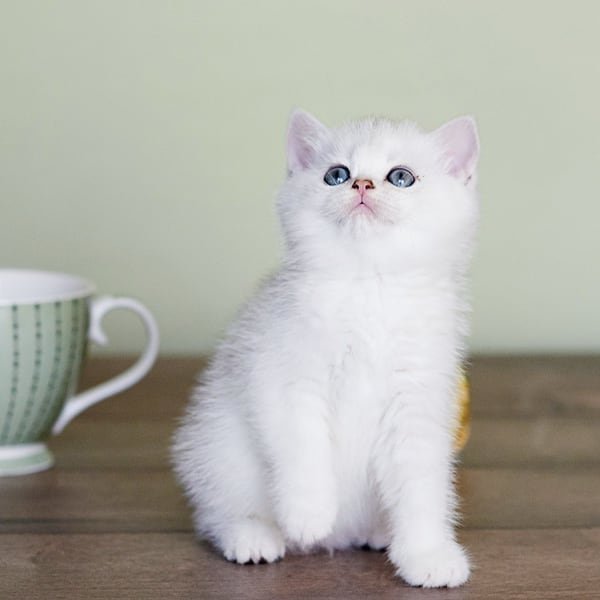
The White British Shorthair is a beloved breed known for its charming personality and striking appearance. With a plush, dense coat and a round face, this cat often captures the hearts of pet lovers everywhere. As with any pet, owning a White British Shorthair comes with its own set of advantages and potential challenges. In this article, we will explore the various pros and cons of owning this delightful breed, covering everything from their unique characteristics and health considerations to grooming needs and behavioral traits. Whether you’re considering bringing one into your home or simply want to learn more about them, this comprehensive guide will help you make an informed decision.
Introduction to White British Shorthairs
The White British Shorthair is not just a breed; it’s a fluffy ball of British charm wrapped in a snowy coat. Known for their round faces, chubby cheeks, and oh-so-cuddly nature, these cats are like the teddy bears of the feline world. Originally bred for their robust size and hunting abilities, they’ve since swapped the countryside for cozy couches, making them the perfect companions for anyone who appreciates a good nap and a soft purr.
Characteristics of the White British Shorthair
Physical Appearance
When you think of the White British Shorthair, picture a cat that looks like a cartoon version of itself. With their broad, rounded heads, wide-set eyes, and stocky bodies, they practically scream “cuddle me!” Their plush fur is dense and plush, giving them that irresistible huggable quality. Bonus points for those adorably chubby cheeks that make it impossible not to smile.
Size and Weight
These cats are not aiming for the Miss Slim Body award! Typically, a White British Shorthair will weigh between 9 to 15 pounds, with males usually tipping the scale a bit heavier than the ladies. Their muscular build adds to their sturdy appearance, making them look like they could take on the world (or at least the vacuum cleaner).
Coat and Color Variations
As the name suggests, the standout feature of the White British Shorthair is its brilliant white coat. This plush fur often has a slightly glossy sheen, making it look as if it’s been lit by a soft spotlight. While white is the star of the show, the breed can also dazzle with other shades, including cream, blue, and a mix of patterns. However, nothing beats the classic snowy look for sheer cuteness overload.
Advantages of Owning a White British Shorthair
Affectionate Companionship
Who needs a therapist when you have a White British Shorthair? These cats are known for their affectionate nature, often following you from room to room, seeking your attention and companionship. They’re the furry companions that curl up on your lap and purr as if they are trying to heal your soul—one gentle vibration at a time.
Intelligent and Trainable
Sleek intellect nestled in a fluffy body! While they might not ace a math test, White British Shorthairs are clever little creatures. They can learn tricks and follow commands, making them quite trainable. Plus, they enjoy mental stimulation—just don’t expect them to jump through hoops; they’re more about elegance than circus acts!
Low Activity Level
If you’re dreaming of a cat that won’t drag you out of bed at the crack of dawn for a game of laser tag, the White British Shorthair is your perfect match. These laid-back felines enjoy lounging around and napping, making them ideal for busy pet parents. They’re more than happy to snooze while you binge-watch your favorite shows—just don’t forget the snacks!
Potential Challenges of White British Shorthair Ownership
Cost of Care and Maintenance
While the cuteness is free, caring for a White British Shorthair isn’t exactly budget-friendly. From premium cat food to regular vet check-ups, be prepared to dig deep into your pockets. Grooming, especially with their plush coats, may also require some extra effort—and possibly hiring a professional groomer if you prefer to keep the furballs at bay.
Health Risks and Genetic Issues
Like all purebred cats, White British Shorthairs can come with their share of health issues, including heart disease and certain genetic conditions. While they can be quite hardy, it’s essential to choose a reputable breeder who tests for common health problems. Regular vet visits are a must to keep your fluffy friend in tip-top shape.
Allergies and Sensitivities
If you or anyone in your household suffers from allergies, you might want to ensure that a White British Shorthair is the right fit. While they are known to produce fewer allergens than some other breeds, they’re not hypoallergenic. Be prepared for the possibility of sneezes and sniffles if you have sensitive noses around.
Health Considerations for White British Shorthairs
Common Health Problems
White British Shorthairs, like their colorful counterparts, can be susceptible to some health issues. Heart conditions, particularly hypertrophic cardiomyopathy (HCM), can be a concern, along with respiratory problems stemming from their broad faces. Keeping an eye out for potential dental issues is essential, as well as being vigilant about obesity – those chubby cheeks can also lead to chubby bodies! Regularly monitoring their health and being aware of these potential pitfalls will help your feline friend live a long, happy life.
Regular Vet Check-ups
Routine vet visits are your cat’s version of an annual check-up, minus the awkward small talk in the waiting room. Aim for at least once a year to ensure your White British Shorthair is in tip-top shape. Your vet will check for any underlying health issues, keep vaccinations up to date, and possibly recommend lifestyle adjustments to keep your furry buddy feeling fabulous. Plus, it’s always good to bribe your vet with a few extra treats on the way out!
Diet and Nutrition Needs
Feeding your White British Shorthair properly is all about balance. A high-quality diet rich in protein is vital to support their muscular build and keep them energized for all those surprise sprints around the house. Keep an eye on portion control to prevent them from turning into fluffy marshmallows, and don’t forget to provide fresh water daily (seriously, they get grumpy without it!). If in doubt, consult your vet to tailor a nutrition plan that’s just right for your kitty’s needs.
Grooming and Maintenance Needs
Brushing and Shedding
While the White British Shorthair can have a reputation for being low-maintenance, don’t underestimate their need for grooming! Their plush coat looks fabulous but can become a tumbleweed factory when shedding season strikes. A good brush two to three times a week will help manage shedding and keep their coat looking majestic. Bonus: it’s a great excuse to bond with your kitty while they idly judge your brushing technique!
Nail Trimming and Ear Cleaning
Nail trimming may not top your list of favorite activities, but for the love of your furniture, it’s a must. Aim for a trim every few weeks to keep those claws in check and save your couch from looking like Swiss cheese. Ear cleaning is also essential, as wax buildup can lead to infections. Use a damp cloth and some cat-friendly cleaner, and your fur baby will be looking and feeling their best in no time!
Bathing and Skin Care
Baths are generally not a favorite pastime for most cats, but the White British Shorthair has a bit of an edge—they don’t need them often! Unless they’ve had an unfortunate encounter with something sticky (or smelly), a good brush should be enough to keep them clean. However, it’s wise to check their skin for any signs of irritation or parasites. If you do decide to embark on the infrequent bath adventure, make it as quick and painless as possible; treats afterward help too!
Behavioral Traits and Temperament
Socialization with Humans and Other Pets
White British Shorthairs are known for their friendly and easy-going personalities. They generally adore human company and should fit right in with the family. However, if you have other pets, these cool cats can be a little particular about their social circles. Introductions should be handled carefully to avoid any feline drama; think of it like a high school dance, but with fur and fewer awkward moments.
Playfulness and Activity Levels
Don’t let their calm demeanor fool you; these cats have a playful side that can surprise you! The White British Shorthair enjoys mental and physical stimulation, so keep a few toys on standby for a spontaneous play session. Make sure to engage them in some daily fun to prevent boredom (and mischievous behavior). After all, a tired cat is a happy cat, and you might just score some extra couch space for yourself!
Understanding Their Body Language
Your White British Shorthair has a secret language, and it’s time to become fluent! Pay attention to their body language: a flicking tail might indicate irritation, while slow blinks show their affection. If they roll over and expose their belly, they’re saying, “Hey, I trust you—feel free to rub my fluffy belly.” On the other hand, watch for puffed-up fur and dilated pupils—those are signals that they’re not in the mood for a cuddle. Tuning into these cues will deepen your bond and lead to some delightful moments!
Conclusion: Is a White British Shorthair Right for You?
Assessing Your Lifestyle
Before bringing a White British Shorthair home, consider how their personality meshes with your lifestyle. Do you have the time to engage and socialize with them regularly? These cats thrive on companionship and interaction, so if you’re often out and about, consider adopting a buddy for them (or perhaps reconsider how many plants you can care for).
Final Thoughts on Ownership
Owning a White British Shorthair can be a rewarding experience filled with joy and laughter. Their delightful personalities, unique quirks, and adorable features make them a fantastic addition to any home. Just remember that with great fluffiness comes great responsibility—be prepared to shower them with love, care, and the occasional cat treat. If you’re ready for this delightful adventure, a White British Shorthair could be the purring friend you never knew you needed! In conclusion, the White British Shorthair can be a wonderful addition to any household, offering companionship and charm. However, it’s essential to weigh the pros and cons carefully to ensure that this breed aligns with your lifestyle and preferences. By understanding their needs and characteristics, you can provide a loving and nurturing environment for your new feline friend.
FAQ
1. What is the average lifespan of a White British Shorthair?
The average lifespan of a White British Shorthair is typically between 12 to 20 years, depending on their health, diet, and care.
2. Are White British Shorthairs good with children and other pets?
Yes, White British Shorthairs are generally known for their friendly and sociable nature, making them good companions for children and other pets when properly socialized.
3. How often should I groom my White British Shorthair?
It is recommended to groom your White British Shorthair at least once a week to manage shedding and keep their coat healthy, though more frequent grooming may be needed during seasonal changes.
4. Do White British Shorthairs require special dietary needs?
While White British Shorthairs do not have specific dietary requirements, a balanced diet tailored to their age, weight, and health needs is essential for maintaining their overall well-being.