
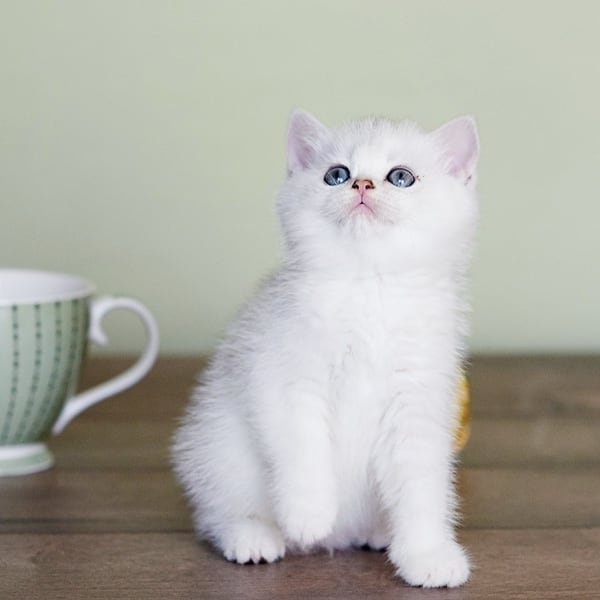
Bringing a new kitten into your home is an exciting journey, especially when it comes to the charming White British Shorthair breed. Known for their stunning appearance, affectionate nature, and playful demeanor, these kittens can be wonderful companions. However, choosing the perfect White British Shorthair requires careful consideration of various factors, from understanding the breed’s unique characteristics to assessing your living environment and lifestyle. This guide will provide you with essential insights and tips to ensure that both you and your new furry friend can enjoy a harmonious and fulfilling relationship right from the start.
Understanding the White British Shorthair Breed
History and Origin
The White British Shorthair is a charming creature with roots that go all the way back to the Roman times when they were brought to Britain to keep the rodent population in check (thanks, ancient Romans!). Over the centuries, these fluffy companions have become beloved pets, celebrated for their adorable appearance and delightful personalities. With a history of being sturdy and adaptable, they’ve always been the laid-back couch potatoes of the cat world—perfect for snuggling on a rainy day!
Physical Characteristics
Picture a cat that looks like it just walked out of a fluffy cloud—meet the White British Shorthair! Known for their dense, plush coats, these kittens sport rounded faces and chubby cheeks that give them an irresistibly cuddly appearance. Their body is sturdy and muscular, with a thick neck and broad chest, making them look like mini lions (without the mane, of course). And let’s not forget those strikingly expressive eyes, which can range in color from copper to blue, adding to their undeniable charm.
Common Personality Traits
White British Shorthairs are typically the cool, calm, and collected types—think of them as the Zen masters of the cat kingdom. They’re known for their friendly and affectionate nature, yet they maintain a hint of independence—perfect for those who enjoy a cat with personality but don’t want a constant shadow. These kittens are usually playful and curious but will also happily lounge around like a fluffy ball of contentment. They don’t demand attention, but when they want to cuddle, you’ll be on their list of priorities!
Assessing Your Lifestyle and Living Space
Activity Level and Space Requirements
Before welcoming a fluffy bundle of joy into your home, consider the dynamics of your daily life. White British Shorthairs are moderately active and enjoy a good play session, but they’re not going to be scaling the highest curtains like a squirrel on caffeine. They thrive in cozy spaces; a one-bedroom apartment is perfectly fine as long as they have some toys, scratching posts, and a few sunny spots to nap. If you’re more of a couch potato than a marathon runner, this breed is likely to fit right into your lifestyle!
Allergies and Sensitivities
Got allergies? You might want to keep an eye on that! While the White British Shorthair isn’t hypoallergenic (sorry, allergy warriors), they do have a lower protein level in their saliva compared to other breeds. It’s always wise to spend time with them before making a commitment—better safe than sorry! And always check if anyone in your household has specific sensitivities that could make kitty cuddles a bit complicated.
Time Commitment and Daily Care
Let’s talk about the “cat” in “cat parent.” These furballs thrive on affection and companionship, so be prepared to devote time to play and snuggles. They don’t require constant supervision, but they do appreciate attention and interaction. Daily brushing will help keep their luxurious coat in tip-top shape, and setting aside time for play will keep them active and happy. Essentially, if you’re ready to be a slightly less glamorous version of a cat superhero, you’re on the right track!
Key Characteristics to Look for in a Kitten
Coat Color and Patterns
While we’re focusing on the White British Shorthair, it’s good to know these adorable kittens can sport different coat patterns. However, you’re primarily in the market for that classic, snowy-white coat that feels like a cloud. Look for a kitten with a shiny, clean coat and check for any odd patches or irregularities—they should be as soft as they are pristine!
Eye Color Variations
Eye color plays a significant role in the overall aesthetic of your future feline companion. Many White British Shorthairs boast striking copper or gold eyes, but some can have blue eyes too—this is especially charming! Selecting a kitten with vibrant, clear eyes not only enhances their cuteness factor but also signals good health. Just think of the Instagram photo opportunities!
Age and Developmental Stages
When choosing a kitten, age matters more than just a number. Kittens are typically ready for adoption between 12 to 16 weeks, making them ideal candidates for some serious socializing, training, and of course, those cute kitten antics! At this age, they should be playful yet starting to develop their lovely personalities. Choosing a kitten too young might mean missing out on critical socialization experiences—so make sure to pick one that fits the age sweet spot!
Finding a Reputable Breeder
Researching Breeder Credentials
Once you’ve decided to bring a White British Shorthair kitten into your life, it’s time to channel your inner detective. Look for breeders who are registered with reputable cat associations and have great reviews from happy kitten parents. Don’t be shy about asking for references—after all, you’re considering adding a member to your family!
Visiting the Breeder’s Facility
You wouldn’t buy a home without checking it out first, right? The same principle applies to your future kitten’s birthplace! Schedule a visit to the breeder’s facility to gauge the living conditions. A clean, safe, and stimulating environment is crucial for happy, healthy kittens. Pay attention to how the kittens behave—do they seem social and well-adjusted? If you see them lounging happily, you’re likely onto a winner!
Understanding the Breeding Practices
Not all breeding practices are created equal! It’s essential to understand how the breeder approaches the care and socialization of their kittens. A responsible breeder prioritizes health and temperament over just selling kittens. Ask about health testing for common breed-related issues and inquire about the socialization process. You want a breeder who clearly loves and cares for their cats, not just running a kitten factory! After all, you want the best for your future feline friend!
Health Considerations and Genetic Testing
Common Health Issues in British Shorthairs
British Shorthairs are adorable fluff balls, but like any breed, they come with their own set of potential health issues. The most common culprits include hypertrophic cardiomyopathy (HCM), a heart condition that can hit these chunky cuties. Make sure to check for feline polycystic kidney disease (PKD) and hip dysplasia, which can be less fun than a hairball on your favorite shoes. Familiarizing yourself with these potential issues can help you choose a genetically sound kitten and save you from spending your weekends with the vet instead of binge-watching cat videos.
Importance of Health Screenings
Before you bring home your new buddy, it’s wise to consider health screenings. Responsible breeders will have tests to prove that their kittens are in tip-top shape and free from genetic conditions. When looking for your perfect British Shorthair, ask for health clearances and don’t hesitate to inquire about genetic tests. You wouldn’t want to adopt a kitten that’s got more health issues than a soap opera character, would you?
Vaccinations and Preventive Care
Getting your kitten vaccinated is like giving them a superhero cape—one that protects them from nasty diseases! Ensure your little furball receives the basic vaccines, including FVRCP (Feline Viral Rhinotracheitis, Calicivirus, and Panleukopenia) and rabies. Plus, keep those paws in check with regular check-ups and preventive care like flea control and spaying or neutering. It’s all about keeping your kitten healthy, happy, and ready to take on the world—or at least the living room.
Socialization and Temperament Factors
Assessing Kitten’s Social Behavior
Kittens are like tiny furry sponges, soaking up everything around them. When choosing your British Shorthair, observe their social behavior. Are they curious, playful, and loving? Or are they hiding like they’re auditioning for a role in “The Great British Bake Off”? A confident and friendly kitten will likely adjust well to their new home and keep you entertained for hours with silly antics and cuddles.
Interactions with Other Pets
If you have other pets, it’s crucial to assess how your potential kitten interacts with them. Some kittens are social butterflies, while others prefer to play it cool. When meeting a British Shorthair, pay attention to how they react to noises, other animals, and humans. A kitten that’s comfortable around other pets will fit seamlessly into your household and might even start a friendship that rivals the best buddy movies!
Building a Strong Bond
Building a bond with your new kitten is part of the fun! Spend quality time playing, cuddling, and engaging in interactive toys. Remember to let your kitten come to you, as forcing cuddles is like trying to make a cat swim—it’s just not going to happen! With patience and love, you’ll create an unbreakable bond (and probably a few adorable photos to share with friends).
Preparing Your Home for a New Kitten
Creating a Safe Environment
Safety first! Before bringing home your new British Shorthair, kitten-proof your space. Hide those pesky cables, secure your plants, and check that windows and balconies are safe. Think of it as a mini home renovation project—minus the dust and expenses. A safe environment is the first step toward a stress-free debut for your fluffball.
Essential Supplies and Gear
To ensure your kitten feels right at home, stock up on some essential supplies. You’ll need the basics: food and water dishes, a litter box, cat litter, and scratching posts. Don’t forget toys that stimulate their minds and keep their claws off your furniture. Think of it as your new kitty’s starter pack; after all, who wants to start life without a feather wand and a cozy blanket?
Designated Spaces for Play and Rest
Your new home should have designated areas for play and rest. Kittens are bundles of energy that can switch from zoomies to nap mode in the blink of an eye! Set up a cozy spot with a soft bed or blanket for them to curl up in, and create a fun play area with toys and shelves for climbing. This way, your little British Shorthair will have their very own kingdom to rule and nap in peace!
Tips for a Smooth Transition and Adjustment
Introducing Your Kitten to New Surroundings
When it’s time to bring your kitten home, make the introduction as smooth as possible. Start by placing them in a quiet space away from household hustle and bustle, where they can explore at their own pace. Allow them to sniff around and get comfy. Think of it as a welcome mat for their new life—no pressure, just pure feline curiosity.
Establishing Routines and Boundaries
Kittens thrive on routine, just like we do—though they may not admit it. Establish feeding times, play sessions, and cuddle hours. This gives your kitten a sense of stability in their new home. And while you’re at it, set boundaries too—like keeping those paws off the kitchen counter. You’ll be amazed at how quickly they learn (or selectively forget) the rules!
Monitoring Kitten’s Health and Behavior
As your new British Shorthair settles in, keep an eye on their health and behavior. Watch for any signs of stress or illness. Regular vet appointments and a little love can go a long way in ensuring your tiny companion grows into a happy adult cat. Plus, it’s an excuse for more cuddle time while you keep them in tip-top shape!In conclusion, selecting the perfect White British Shorthair kitten for your home involves thoughtful consideration of both the breed’s traits and your own lifestyle. By taking the time to understand their needs, finding a reputable breeder, and preparing your home, you can create a welcoming environment that fosters a loving bond. With patience and care, your new kitten will not only bring joy and companionship but will also become a cherished member of your family for years to come.
Frequently Asked Questions
1. What should I look for when choosing a White British Shorthair kitten?
When selecting a kitten, consider their physical characteristics, temperament, and overall health. Look for signs of socialization and playfulness, and ensure they come from a reputable breeder who prioritizes the well-being of their animals.
2. How can I prepare my home for a new kitten?
To prepare your home, create a safe environment by removing hazards, setting up a designated space with essential supplies like food, water, and litter, and providing safe areas for play and rest.
3. Are White British Shorthair kittens good with children and other pets?
Yes, White British Shorthairs are generally known for their friendly and adaptable nature, making them good companions for children and other pets. However, early socialization is key to ensuring a positive interaction.
4. How often should I take my kitten to the vet?
Kittens should have regular vet check-ups, especially during their first year. It’s important to schedule vaccinations, health screenings, and routine care appointments as recommended by your veterinarian.