
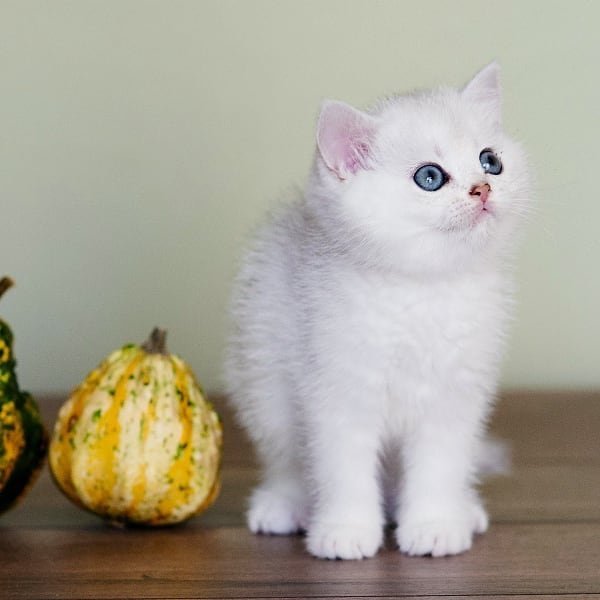
Bringing a new White British Shorthair kitten into your home is an exciting and rewarding experience. Known for their charming personalities, striking appearance, and affectionate nature, these cats quickly become beloved members of the family. However, caring for a kitten requires thoughtful preparation and understanding of their unique needs. This guide aims to provide you with essential information on everything from breed characteristics to health care, nutrition, and socialization, ensuring you create a nurturing environment that allows your new furry friend to thrive.
Understanding the White British Shorthair Breed
History and Origins
The White British Shorthair, a fluffy companion with royal roots, traces its lineage back to ancient Rome. These cats were brought to Britain with the Romans, where they quickly stole the show (and the hearts of locals) with their charm. Over the years, they’ve become a staple in British culture, embodying the quintessential “cat on a cozy windowsill” trope. Today, these felines maintain a rich heritage, blending sturdiness and sophistication into one adorably round package.
Physical Characteristics
If you’re looking for a cat that makes a statement (and a mess of your furniture), the White British Shorthair is your feline friend! With their plush, dense coat and mesmerizing copper or blue eyes, they emanate an aura of royalty. Their round faces and chubby cheeks are simply irresistible. Built like a small tank, they possess a sturdy body and solid bone structure, all wrapped in an irresistibly soft exterior that demands to be petted—frequently.
Temperament and Personality Traits
While their looks might have you thinking they’re all glamour, White British Shorthairs are also the fun-loving goofballs of the cat world. Known for their laid-back, gentle demeanor, they enjoy lounging around and observing the chaos of their human’s life. They strike a balance between being independent and social, meaning they’ll gladly curl up next to you for a movie night but are equally content plotting their next nap on the windowsill. Their quirky antics and expressive personalities will keep you entertained and maybe even in stitches!
Preparing Your Home for a New Kitten
Kitten-Proofing Your Space
Before your new furry overlord arrives, it’s crucial to kitten-proof your home like you’re preparing for a tiny tornado. Safeguard those dangling cords, hide your favorite cords, and stash away anything breakable. Make sure small items (like hair ties, your favorite socks, and maybe that precious family heirloom) are out of reach—after all, curiosity often gets the best of kittens. Installing baby gates and securing cabinets can help keep your adventurous explorer safe from their own mischievous tendencies.
Choosing the Right Location for Your Kitten’s Area
Selecting the perfect spot for your kitten’s area is like picking the best seat in the house—totally essential. Choose a quiet, low-traffic corner of the home where they can unwind and feel secure. Ensure it has access to natural light (because who doesn’t love a sunbeam to lounge in?), and don’t forget to include their bed, litter box, and some toys. Just make sure it’s not right next to the vacuum cleaner or the washing machine—nothing makes a kitten jump like the sound of impending doom from a household appliance!
Introducing Your Kitten to Other Pets
Integrating your new kitten into a household with existing pets can make for a furry soap opera. Start slow—keep them in separate rooms initially, allowing for a few days of sniffing under doors and exciting ‘who’s that?’ moments. When they finally meet face-to-face, supervise their interaction and have treats on hand to encourage good behavior. A little patience goes a long way; before long, your pets could become best pals—or at least agree to a temporary truce!
Essential Supplies for Your Kitten
Food and Water Bowls
The first step to keeping your White British Shorthair happy? Stocking up on bowls worthy of a kitty royal! Opt for shallow, wide bowls to prevent whisker fatigue (yes, that’s a thing!). Stainless steel or ceramic are excellent choices, as they’re easy to clean and less likely to tip over during snack time. Also, make sure their water bowl is always filled with fresh water—a well-hydrated kitten is a happy kitten!
Choosing the Right Litter Box
Finding the right litter box is like finding the perfect pair of shoes; you want comfort without sacrificing style. A box with low sides is ideal for kittens to hop in and out of easily. Clumping litter tends to be a crowd-pleaser, making cleanup a breeze. Just remember to keep it clean, as no one enjoys a litter box that’s seen better days—kittens included!
Toys and Enrichment Items
Your new kitten is likely a miniature ball of energy ready to take on the world! To help channel that energy, stock up on various toys. Wand toys, balls of crinkly paper, and laser pointers make for winning combinations. Puzzle toys can keep their minds sharp and engaged while preventing boredom. And, of course, don’t forget to include some catnip-infused goodies; it’s like kitty candy that transforms even the most dignified feline into an adorable goofball.
Nutrition and Feeding Guidelines
Best Foods for Your White British Shorthair
Feeding time doesn’t have to be a cat-astrophe! Opt for high-quality kitten food that’s rich in proteins and essential nutrients to support their growth and development. Look for formulas specifically tailored to the needs of kittens, as they tend to have higher energy requirements. And a word to the wise: wet food can be a great way to keep your kitten hydrated and make mealtime more enticing—plus, it smells way better than those dry flakes.
Feeding Schedule and Portion Control
Establishing a feeding schedule helps create a routine, which kittens thrive on—just like a predictable plot twist in your favorite TV show! Aim for four small meals a day for little ones, gradually shifting to two larger meals as they grow. Portion control is key; overfeeding can turn that adorable fluffball into a rotund round cat. Reference feeding guidelines on the food packaging for precise measurements. You’ll both appreciate a healthy kitty who can still leap onto the highest shelf (and the kitchen counter, if they feel daring).
Recognizing Dietary Needs and Allergies
Just like we all have our food quirks, your White British Shorthair may develop dietary sensitivities or allergies. Keep an eye out for signs like vomiting, diarrhea, or itchy skin—these could indicate that something isn’t sitting right with them. If you suspect allergies, consult your vet, who can recommend the best course of action. After all, we want your kitten to enjoy their meals, not leave them wondering if they accidentally ordered the “mystery meat special.”
Health Care and Veterinary Visits
Vaccination Schedule
Getting your little ball of fluff vaccinated is crucial in ensuring they grow up healthy and happy. Typically, your British Shorthair will need their first vaccinations around 8 to 9 weeks of age, followed by a second round at 12 to 13 weeks. A rabies vaccine is often given around 16 weeks. Just remember, those tiny needles are a small price to pay for a lifetime of purring companionship!
Preventive Care and Parasite Control
Prevention is key! Regular veterinary check-ups help catch any issues before they turn into big problems (and hefty vet bills). Worming treatments every few months are essential, and don’t forget about flea and tick prevention—who wants those pesky critters crashing the party? Ask your vet about the best preventive care tailored to your kitten’s needs.
Recognizing Signs of Illness
Your kitten may not be able to tell you when they’re feeling off, so it’s up to you to play detective. Keep an eye out for changes in appetite, lethargy, abnormal behavior, or any strange sounds that resemble a cat being tortured. If you notice any of these red flags, it’s time for a vet visit. Better safe than sorry, right?
Socialization and Training Tips
Early Socialization Techniques
Getting your kitten used to different people, environments, and other pets is vital for their development. Start young—expose them to various sounds, experiences, and gentle interactions with family and friends. The more positive interactions they have, the more confident they’ll be in the future. Plus, who doesn’t want a social butterfly of a cat?
Litter Training Your Kitten
Litter training is usually a walk (or paw) in the park for kittens, but a little guidance goes a long way. Show them where the litter box is, and gently place them in it after meals or naps. Praise them enthusiastically (think of it as cat fame!) when they use it correctly. Consistency is key—before you know it, your kitten will be a litter legend!
Basic Commands and Behaviour Training
Training your kitten doesn’t have to be like trying to teach a goldfish to dance. Simple commands like “sit” and “high five” can be taught using treats and positive reinforcement. Start with short training sessions filled with loads of praise and their favorite goodies. A well-behaved cat is a happy cat, and it might just save your favorite pair of shoes!
Grooming and Maintenance
Brushing and Coat Care
British Shorthairs have that luscious, plush coat that you just can’t help but pet! Regular brushing (once or twice a week) will keep their fur looking fabulous and help reduce shedding. Plus, it’s a great bonding activity—just be prepared for the occasional “I’m done, human!” hiss when they’ve had enough.
Nail Clipping and Ear Cleaning
Nail clipping may feel like a wrestling match at first, but it’s essential for your kitten’s health and your furniture’s longevity. Aim to trim those claws every few weeks. Ear cleaning is also important—gently wipe the outer ear with a damp cloth. If you see a build-up of wax or debris, consult your vet for proper cleaning techniques.
Dental Care for Your Kitten
Just like humans, your kitten needs dental care to prevent bad breath and dental diseases. Start brushing their teeth as soon as possible with cat-friendly toothpaste (yes, there are flavors like chicken!). Regular dental check-ups at the vet will also keep their smile sparkling.
Creating a Safe and Stimulating Environment
Indoor vs. Outdoor Living
While the great outdoors may seem like a cat paradise, keeping your British Shorthair indoors is often safer. Indoor cats typically live longer, happier lives, away from cars, predators, and other dangers. If your heart is set on outdoor access, consider creating a secure catio (cat patio) where they can enjoy fresh air without the risks.
Interactive Play and Exercise Ideas
Kittens have energy levels that could rival a toddler on a sugar high! Engage them with interactive toys like feather wands, laser pointers, or even a good old-fashioned cardboard box. Set aside time each day for play sessions to keep them entertained and to strengthen your bond. A tired kitten is a happy kitten!
Safe Spaces and Hiding Spots for Your Kitten
Kittens, despite their confident demeanor, love having a safe space to retreat to when they need a break from the world. Create cozy hiding spots with blankets, boxes, or even a designated cat bed in a quiet area. This’ll give them the peace they crave while also providing a sense of security—because let’s face it, even the fiercest lions need a nap now and then! Caring for your new White British Shorthair kitten is a journey filled with joy, learning, and companionship. By following the guidelines outlined in this article, you can ensure that your kitten grows into a healthy, happy, and well-adjusted adult cat. Remember that patience and love are key as you navigate this exciting time together. With the right care and attention, your kitten will not only enrich your life but also become a cherished part of your family for years to come.
Frequently Asked Questions
1. How do I choose the right food for my White British Shorthair kitten?
It’s best to select high-quality kitten food that is rich in protein and specifically formulated for kittens. Look for options that list real meat as the first ingredient and avoid fillers. Consult your veterinarian for personalized recommendations based on your kitten’s health and dietary needs.
2. When should I take my kitten to the vet for the first time?
Your kitten should have their first veterinary visit within the first few weeks of bringing them home. This appointment will typically include vaccinations, a health check, and advice on preventive care. Regular check-ups should follow as recommended by your vet.
3. How can I help my kitten adjust to their new home?
To help your kitten acclimate, create a quiet, safe space for them with their bed, litter box, and toys. Allow them to explore at their own pace, and gradually introduce them to other family members and pets. Consistent routines and gentle interactions will also aid in their adjustment.
4. What is the average lifespan of a White British Shorthair?
With proper care, including a balanced diet and regular veterinary check-ups, a White British Shorthair can live anywhere from 12 to 20 years. Factors such as genetics, health care, and living conditions all play a role in their overall lifespan.