
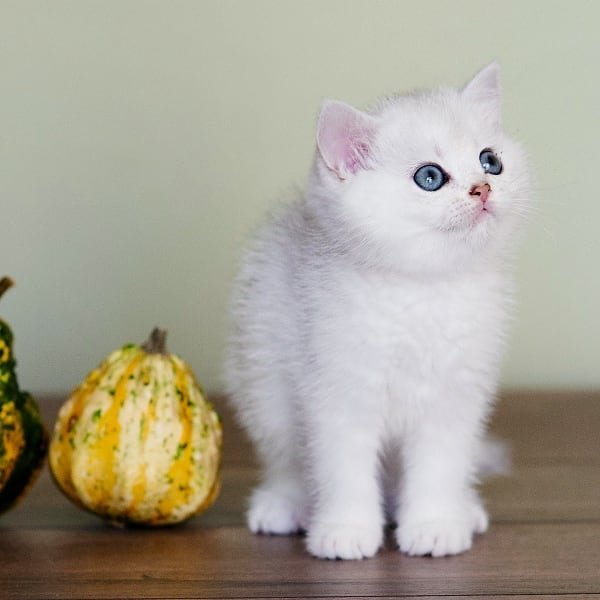
Bringing a new cat into your home is an exciting journey, and choosing a White British Shorthair can be especially rewarding due to their unique charm and affectionate nature. Known for their striking appearance and friendly demeanor, these cats require thoughtful consideration before making a purchase. This buyer’s guide aims to provide essential insights into the breed, including their characteristics, health considerations, and tips for preparing your home. By understanding what to expect and how to care for a White British Shorthair, you can ensure a smooth transition for both you and your new feline companion.
Understanding the British Shorthair Breed
History and Origin
The British Shorthair’s story begins way back in ancient Rome, where they were bred for their skills in mousing. Fast forward a couple of millennia, and this breed became a staple in British households. Their stocky build and plush coats earned them a reputation as reliable companions. By the time the 19th century rolled around, cat shows were all the rage, and the British Shorthair strutted its stuff, quickly becoming a household name—and not just with the mice!
Physical Traits
You’ll recognize a British Shorthair by its iconic stocky body, round face, and chubby cheeks that make it look like it just emerged from a cookie jar. Their dense and plush coat gives them a teddy bear-like appearance, while their expressive round eyes (which can be gold, copper, or blue, depending on their coat color) feel like they’re looking into your soul. The white variety is a sight to behold, with a shiny coat that makes them look like a tiny snowball!
Temperament and Behavior
British Shorthairs are the cool cats of the feline world—calm, easygoing, and friendly, but not overly clingy. They’re like that reliable friend who always shows up but doesn’t require constant attention. They enjoy playtime and have a playful side, but they’re also perfectly happy to curl up on the couch for a good binge-watch session. Just be ready for some epic purring when you scratch behind those fluffy ears!
Assessing the Characteristics of a White British Shorthair
Coat Color and Patterns
While British Shorthairs come in a rainbow of colors, the white variety stands out like a rare pearl. Their coat is pure, dazzling white and, unlike your favorite white shirt, it should be free of any stains or discoloration. These cats may have faint tabby markings, but they’re typically only visible in certain lighting—so a detective cape may come in handy for a closer look!
Distinctive Features
The white British Shorthair boasts all the charming features of the breed with a unique twist. Its coat is dense and luxurious, and it often has eye-catching blue eyes that can make you weak in the knees. The rounded head, chubby cheeks, and thick neck add to that lovable teddy bear look. Just don’t be surprised when you find yourself talking to them as if they were a plush toy!
Comparing with Other British Shorthairs
When lining up the British Shorthair color lineup, the white variety holds its own against other popular colors like blue, chocolate, and lilac. While all British Shorthairs are known for their sturdiness and charm, the white ones steal the spotlight with their striking appearance. However, all colors share a similar personality, so whether you go white or otherwise, you can expect a delightful companion—just in varying shades!
Health Considerations and Common Issues
Genetic Predispositions
Like all breeds, British Shorthairs have a few health quirks to watch out for. They can be prone to certain genetic conditions, such as hypertrophic cardiomyopathy (a fancy term for heart issues that sounds like it belongs in a sci-fi movie). Regular vet check-ups and responsible breeding practices can help minimize these risks, so don’t skip out on that pet insurance you’ve been eyeing!
Regular Health Checks and Vaccinations
Staying on top of your cat’s health is as important as keeping your Netflix subscription active. Ensure your white British Shorthair gets regular check-ups and vaccinations to ward off pesky diseases. Your vet can be your best bud when it comes to keeping your furry friend healthy—after all, a healthy cat is a happy cat (and a happy cat means fewer “surprises” around the house).
Signs of Illness to Watch For
Keep an eye out for any signs that your Shorthair might be feeling under the weather—like unusual lethargy, changes in appetite, or that dreaded hairball explosion. If your kitty starts avoiding the litter box or drinking water like they’re training for a marathon, it’s time for a vet visit. Being vigilant now means more cuddles and fewer worries later!
Where to Find Reputable Breeders
Identifying Ethical Breeding Practices
When searching for your future fluffy friend, it’s crucial to find a breeder who practices ethical breeding. Look for those who prioritize the health and well-being of their cats over profit. They should be transparent about their breeding practices and willing to show you the kittens’ living conditions. Remember, a good breeder treats their cats like family, not just a line of products on a shelf.
Questions to Ask a Breeder
When you finally track down a breeder, get ready to put on your detective hat and ask some essential questions. Inquire about health testing, socialization of the kittens, and lineage. A reputable breeder won’t mind answering, and they’ll likely love chatting about their kitties! Just steer clear of anyone who seems evasive or defensive—red flags are not just for traffic lights!
Checking for Breeder Credentials
Before signing any adoption papers, do a little background check on the breeder. Look for memberships in recognized cat associations or clubs. A credible breeder will often have references from other happy kitty parents too. And if they’re willing to provide health guarantees and contracts, you’ve probably found a keeper—like that amazing pizza place you never want to leave!
Evaluating the Cost of Ownership
Initial Purchase Price
When considering a White British Shorthair, the initial purchase price can vary significantly depending on the breeder, location, and pedigree. On average, expect to shell out anywhere from $1,500 to $3,000. Yes, that’s right—these fluffy bundles of joy don’t come cheap! Make sure to research reputable breeders and don’t be swayed by those tempting lower prices that could lead to health issues down the line.
Ongoing Expenses: Food, Vet Care, and Supplies
Once you’ve broken the bank for that adorable fluffball, it’s time to think about ongoing expenses. Quality cat food is a must, which can run you about $30 to $60 monthly. Don’t forget routine vet visits, vaccinations, and possible grooming costs; these can add another $500 to $1,000 annually. And let’s not overlook the essential supplies like litter boxes, scratching posts, and toys—an additional $200 to $500 a year. Your wallet might need a few pampering sessions after this!
Budgeting for Emergencies
Cats have a knack for getting into mischief, and sometimes that mischief leads to unexpected vet visits. Setting aside an emergency fund of at least $1,000 is a smart move. This fund will help cover unforeseen issues like sudden illnesses or injuries. Trust us, your future self will thank you for being financially prepared for those dramatic “why are you eating that?” moments.
Preparing Your Home for a New Cat
Creating a Safe Environment
Before your new feline overlord arrives, ensure your home is cat-proofed. This means securing loose wires, removing toxic plants, and stowing away any items that could be hazardous. You wouldn’t want your cat’s first impression to be a trip to the emergency vet, right? A few safety measures will protect your furry friend and your sanity.
Designating a Space for Your Cat
Cats are creatures of habit, and having a designated space helps them feel secure. Set up a cozy corner with a bed, scratching post, and some toys. This will be their safe haven when they need a break from the chaotic world of your home (and all those entertaining human antics). It’s like their very own VIP lounge—complete with fluff!
Introducing Your Cat to Other Pets
If you have existing pets, a gradual introduction is crucial. Start by keeping the new kitty in a separate room and allow them to sniff around the house without face-to-face confrontations. After a few days, let them meet under supervision. You want to avoid a feline UFC match on your living room floor. Patience is key—think of it as the ultimate kitty diplomatic mission.
Essential Supplies and Equipment
Choosing the Right Food and Bowls
Feeding your White British Shorthair the right food is vital for their health and happiness. Opt for high-quality cat food that lists meat as the first ingredient. And while you’re at it, invest in sturdy, easy-to-clean bowls. After all, who wants to deal with a cat bowl that flips over at the first sign of a refined dining experience?
Litter Boxes and Cleaning Supplies
A good litter box is essential—make sure it’s the right size and easy for your cat to navigate. You may want to try a couple of different types to see what suits your feline best. Stock up on cleaning supplies (think scoopers, liners, and air fresheners) to maintain a litter box that doesn’t smell like a landfill. Your nose (and your guests) will appreciate it!
Comfort Items: Beds and Toys
Cats love cozy spots and distractions, so invest in a comfy bed and plenty of toys to keep your White British Shorthair entertained. Think scratching posts, feather wands, and interactive toys that stimulate their hunting instincts. After all, a bored cat is a mischievous cat—and trust us, your curtains will never be the same!
Tips for Transitioning Your New Pet
Setting a Routine
Cats thrive on routine, so establish a consistent schedule for feeding, playtime, and snuggles. This predictability helps them adjust to their new environment and fosters a sense of security. Plus, it gives you a chance to show off your stellar organizational skills—who said cats could only be in charge?
Monitoring Behavior and Adjustments
Keep a close eye on your new pet’s behavior. Are they hiding? Eating well? Acting like a mini tornado? Understanding their body language will help you recognize any signs of stress or discomfort. Adjust your approach accordingly. Sometimes it takes a bit of time for your cat to feel right at home—just like moving into a new apartment, but with fewer boxes.
Building a Bond with Your New Cat
Building a bond with your new White British Shorthair takes time and patience. Spend quality time together, engage in gentle play, and offer treats. Get to know their quirks and develop a friendship that will last a lifetime. Remember, every kitty is unique, much like their humans—so let your relationship blossom naturally, one purr at a time!In conclusion, purchasing a White British Shorthair is an investment in companionship and joy. By taking the time to understand the breed, preparing your home, and establishing a bond with your new pet, you can create a loving environment for your feline friend. With the right knowledge and care, your journey with a White British Shorthair can be a fulfilling and enriching experience, bringing countless moments of happiness into your life.
Frequently Asked Questions
What is the average lifespan of a White British Shorthair?
The average lifespan of a White British Shorthair is typically between 12 to 20 years, depending on their health and care.
Are White British Shorthairs good with children and other pets?
Yes, White British Shorthairs are generally known for their gentle and friendly temperament, making them good companions for children and other pets.
How much should I expect to spend on a White British Shorthair?
The cost of a White British Shorthair can vary widely, but you can expect to pay anywhere from $800 to $2,500, depending on the breeder and the cat’s lineage.
Do White British Shorthairs require special grooming?
While they have a dense coat, White British Shorthairs typically require minimal grooming compared to long-haired breeds. Regular brushing helps to reduce shedding and keep their coat healthy.