
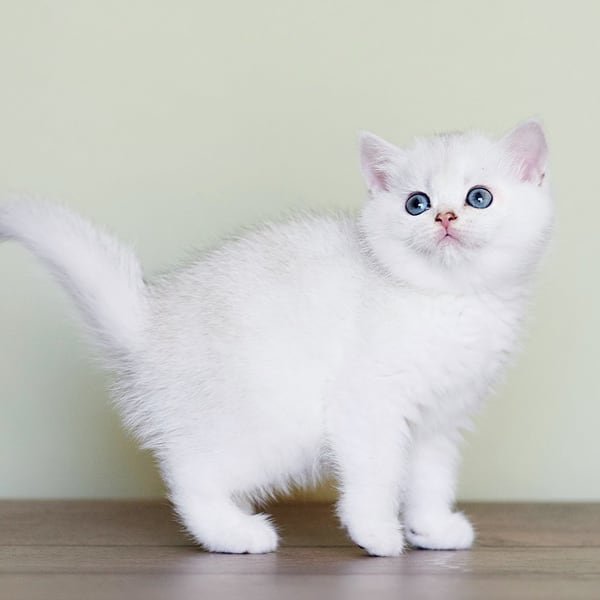
The White British Shorthair kitten is an enchanting breed known for its plush coat, round face, and captivating eyes. Renowned for their friendly and adaptable nature, these kittens make excellent companions for families and individuals alike. As prospective pet owners consider adding a White British Shorthair to their homes, it’s essential to understand the breed’s unique characteristics, care requirements, and the process of finding a reputable breeder. This guide will provide valuable insights into everything from the initial decision to bring a kitten home to ensuring its well-being and happiness throughout its life.
Overview of White British Shorthair Kittens
History and Origin of the Breed
The White British Shorthair is a regal feline with roots tracing back to the Roman invasion of Britain. Initially bred for their formidable hunting skills, they’ve since transitioned into charming companions. This breed is a descendant of the British Shorthair, known for its sturdy build and round faces, and their white coats were likely favored due to their stunning appearance and striking personalities.
Physical Appearance
With a robust, muscular frame and those iconic chubby cheeks, White British Shorthair kittens are the epitome of cuteness. Their large, round eyes often gleam with curiosity and mischief, ranging in color from copper to gold, making them look perpetually awake and ready to pounce on the next fun thing. Their dense, plush coats are a delight to touch, resembling the feel of a soft cloud – just don’t expect to float away!
Color Variations
While we’re focusing on the dazzling white variety, British Shorthairs come in a rainbow of colors and patterns, including blue, black, cream, and more. However, the allure of the white coat is hard to resist. Imagine coming home to a little snowball that adds a touch of elegance and iciness to your living room – no winter coat required!
Characteristics and Personality Traits
Temperament
Friendly, adaptable, and a tad stubborn, the White British Shorthair has a personality that makes them a favorite in many households. They’re not overly needy but enjoy some quality cuddle time with their humans. Think of them as the perfect blend of independence and affection, like a cat that respects your personal space but occasionally demands a lap to curl up on.
Energy Levels
These kittens have a moderate energy level. They’ll zoom around the house for short bursts, perhaps chasing a stray toy or your shoelaces, before settling down for a well-deserved nap. They enjoy playful activities but are just as happy lounging around, making them the ultimate couch companion on lazy weekends.
Social Behaviors
Social butterflies at heart, White British Shorthairs thrive on companionship. They typically get along well with children and other pets, but they’ll happily establish a pecking order if necessary. Their charming personalities and playful antics make them delightful additions to any family, ensuring that there’s never a dull moment around!
Health Considerations and Care Requirements
Common Health Issues
Like all breeds, the White British Shorthair may be prone to certain health issues, including hypertrophic cardiomyopathy (HCM) and dental problems. Regular vet check-ups and early detection can help keep these spirited kittens in tip-top shape. Plus, the vet’s office has some great toys—oh, the joy!
Nutritional Needs
Feeding your White British Shorthair a balanced diet rich in high-quality protein is crucial for their overall health. A mix of dry and wet food can help maintain their energy levels and shiny coats. Just remember—no table scraps, unless you want to be the cat’s personal chef lamenting over what your life has become!
Grooming and Maintenance
Grooming a White British Shorthair is relatively easy, thanks to their short, dense coats. A weekly brushing will help minimize shedding and keep their coat looking pristine. They’ll enjoy the pampering, and you’ll have a beautiful, fluffy companion who doesn’t require a degree in cat grooming to manage!
Finding a Reputable Breeder
What to Look for in a Breeder
When on the hunt for your perfect White British Shorthair kitten, look for a breeder who emphasizes health and temperament. A good breeder should be knowledgeable, passionate about their cats, and willing to show you the kitten’s parents. After all, your future feline friend comes with a family tree, not just a cute face!
Questions to Ask the Breeder
Inquire about health screenings, socialization practices, and the kitten’s early experiences. Questions like, “What are the parents’ temperaments?” and “How do you socialize your kittens?” will give you insight into what to expect. Remember, the more you know, the better prepared you’ll be to welcome your new furball home!
Red Flags to Avoid
Steer clear of breeders who cannot provide health certifications or seem evasive about their breeding practices. If a breeder emphasizes quantity over quality or has multiple litters on the go, it might be time to turn around – fast. You want a kitten from someone who treats their cats as family, not as profit generators!
Pricing and Costs Associated with Purchase
Initial Purchase Price
The initial purchase price of a white British Shorthair kitten can range from $800 to $2,000, depending on factors such as breeder reputation, pedigree, and whether the kitten is show-quality. Remember, this isn’t just a transaction; it’s an investment in your new fluffball’s happiness (and yours, too!).
Ongoing Care Costs
Once the “welcome home” confetti settles, your financial commitments don’t stop. Expect to spend around $500 to $1,500 annually on food, litter, routine vet visits, and maybe that fancy cat tree that looks like a spaceship. Don’t forget about grooming, toys, and the occasional emergency vet visit; kittens can be as mischievous as they are adorable!
Insurance Options
Pet insurance is available for those who want to protect their wallets from surprise vet bills. Plans typically range from $30 to $70 a month, depending on coverage. With the right policy, you can avoid making tough choices when your little furball gets into something they shouldn’t (like your favorite pair of shoes).
Preparing Your Home for a New Kitten
Essential Supplies
Before your new kitten makes their grand entrance, gather the essentials. You’ll need a litter box, high-quality food, bowls (preferably ones that won’t tip over at the slightest breeze), scratching posts, toys, and a cozy bed. Bonus points if the bed is located in a sunbeam – kittens are like solar-powered cuteness machines!
Creating a Safe Environment
Kittens have a talent for turning into little ninjas and finding trouble where you least expect it. Secure any loose wires, hide away toxins (goodbye, houseplants!), and make sure windows and balconies are kitten-proof. Think of your home as a giant playground with a few less-than-fun obstacles.
Introducing Your Kitten to Other Pets
Take it slow when introducing your new addition to your existing pets. Start by allowing them to sniff each other’s scents through a closed door. Once your current pets are on board (or at least mildly curious), have supervised meetings in a neutral space. Treats and lots of petting can help smooth over any initial disagreements—like who gets to sit on your lap first!
Tips for Training and Socializing Your Kitten
Basic Commands and Litter Training
Start with the basics: “sit,” “stay,” and of course, the ever-important “no.” Kittens are generally eager to learn, especially if it comes with treats! For litter training, place your kitten in the litter box after meals and naps. They may take a few tries, but with patience and praise, they’ll soon be a pro.
Socialization Techniques
Socialization is essential, especially in the early weeks. Expose your kitten to different people, environments, and sounds. Playdates with friendly, calm pets can also enhance their social skills. Just remember, the goal is to raise a well-adjusted kitty, not a social media star… unless that’s your thing!
Dealing with Behavioral Issues
If your kitten starts acting out (like a tiny furry gremlin), try to understand the cause. Are they bored? Anxious? Feeling like they own the place? Redirect their energy with toys or a play session. If issues persist, consult a vet or animal behaviorist. Remember, yelling at a kitten is like yelling at a fluffy cloud—utterly pointless!
Frequently Asked Questions about White British Shorthair Kittens
How to Choose the Right Kitten
Look for a lively, curious kitten with a friendly demeanor. Spend time with them to see their personality. Are they the playful type? Or more of a mellow snuggler? Trust your intuition; you want a match that makes your heart do a happy dance!
What to Expect in the First Few Weeks
The first few weeks will be a blend of excitement and adjustment. Your kitten will explore every nook and cranny while getting used to their new family. Prepare for late-night zoomies, endless purring, and some minor chaos. Patience and plenty of love during this time will go a long way!
Longevity and Lifespan of the Breed
White British Shorthairs typically enjoy a long, healthy life span of 12 to 20 years. With proper care, nutrition, and regular vet check-ups, your kitten could become your lifelong companion (and the subject of countless cat memes). Just think of all the memories you’ll make together!In conclusion, welcoming a White British Shorthair kitten into your home can bring immense joy and companionship. By understanding their specific needs, preparing your environment, and choosing a reputable breeder, you set the foundation for a fulfilling relationship with your new feline friend. With proper care, attention, and love, your White British Shorthair will thrive and become a cherished member of your family for years to come.
Frequently Asked Questions
What is the average lifespan of a White British Shorthair kitten?
The average lifespan of a White British Shorthair is typically between 12 to 20 years, depending on their overall health, care, and genetics.
Are White British Shorthair kittens hypoallergenic?
No, White British Shorthairs are not considered hypoallergenic. While they may produce fewer allergens compared to some breeds, they still shed fur and dander that can trigger allergies.
How much exercise do White British Shorthair kittens need?
White British Shorthair kittens are moderately active and require regular playtime and mental stimulation to stay healthy and happy. Engaging them with toys and interactive play can help meet their exercise needs.
What should I feed my White British Shorthair kitten?
A high-quality kitten food that is rich in protein and essential nutrients is recommended for White British Shorthair kittens. It’s important to follow feeding guidelines and consult your veterinarian for personalized dietary advice.