
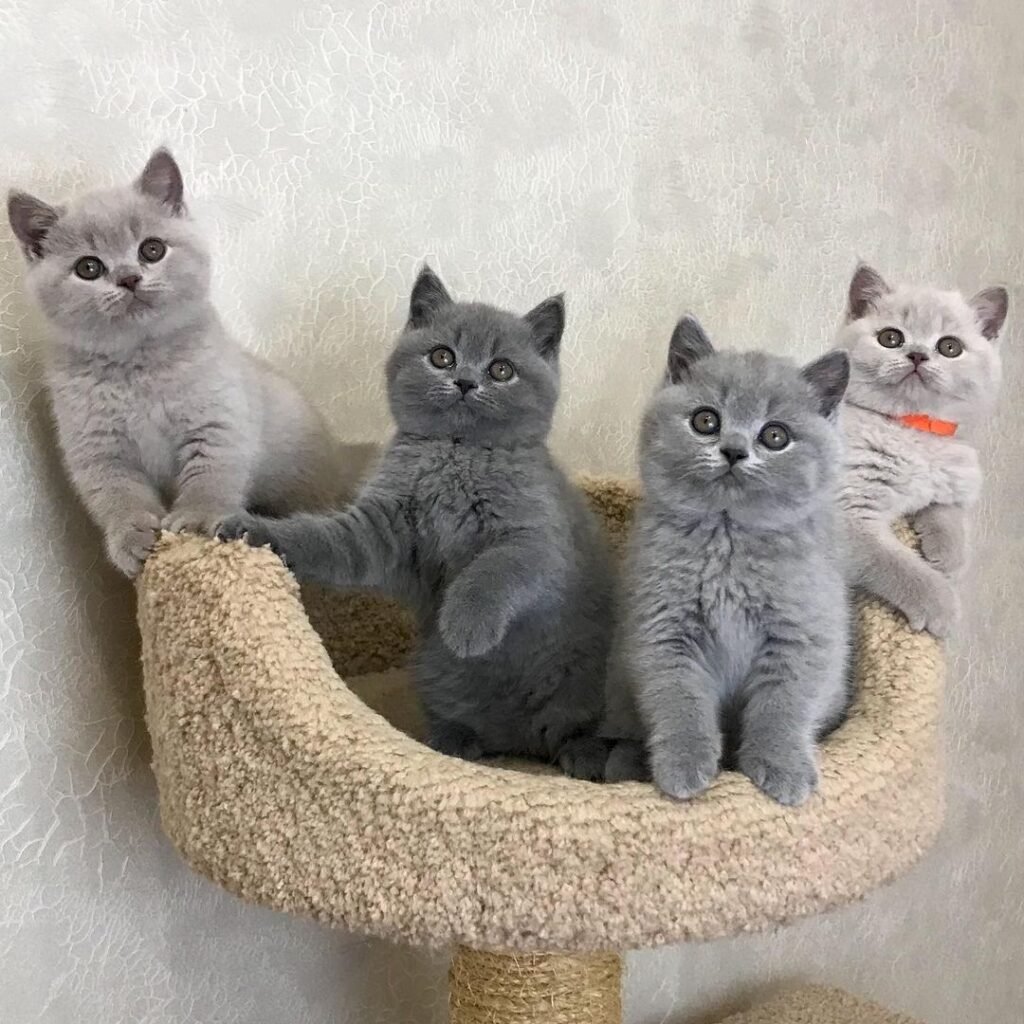
Bringing a British Shorthair kitten into your home can be an exciting and rewarding experience, but it’s crucial to choose a healthy companion to ensure a happy, long-lasting relationship. Known for their charming personalities and distinctive physical traits, British Shorthairs require careful consideration when selecting a kitten from a breeder. This article will guide you through the essential steps to identify a healthy British Shorthair kitten for sale, covering breed characteristics, health indicators, breeder evaluations, and more. By following these guidelines, you can make an informed decision and find a furry friend who will thrive in your care.
1. Understanding the British Shorthair Breed Characteristics
A Brief History of the British Shorthair
The British Shorthair’s roots stretch deep into the annals of feline history, tracing back to ancient Rome when cats were first brought to Britain to keep the rodent population in check. With their sturdy build and stocky appearance, these cats quickly became beloved companions of the British people. They’ve been charming us since the days of Queen Victoria, when their popularity soared. Think of them as the royal family of cats—highly regarded and hard to resist!
Physical Traits and Color Variations
British Shorthairs are like the fashionistas of the feline world—rocking a dense, plush coat that comes in a magnificent array of colors and patterns. The classic “British Blue” is a gorgeous shade of grey that’s almost mesmerizing. But wait, there’s more! You can also find them in cream, black, white, and even tabby variations. They sport a round face, chubby cheeks, and big, expressive eyes that can melt even the iciest of hearts. A true British Shorthair is the epitome of charm and cuteness rolled into one fluffy package.
Temperament and Personality Features
Contrary to what you might think, British Shorthairs aren’t just about looking cute; they come with a personality to match! These laid-back felines are known for their calm demeanor and affectionate nature. They’re the type of companions who will happily lounge next to you while you binge-watch your favorite show, but they’ll also join in on the fun when you toss a toy their way. They’re social but not overly needy—think of them as the perfect roommate who respects your personal space yet enjoys hanging out.
2. Key Signs of a Healthy Kitten
Physical Appearance and Grooming
When evaluating a British Shorthair kitten, keep a close eye on its physical appearance. A healthy kitten should have a shiny coat that’s free from mats and dirt. Their eyes should be bright and clear, with no signs of discharge (unless they’re trying out for a role in a dramatic cat soap opera). Check those adorable little paws—healthy kittens have clean, well-groomed paws that are free from any signs of injury or irritation. And remember, a little belly fluff is cute; a huge gut isn’t!
Behavioral Indicators of Health
Behavior can be a fantastic indicator of a kitten’s health. Watch for signs of an alert, curious little furball who’s eager to explore the world around them. A healthy kitten will engage in playful antics, showing off those natural hunting skills (watch out, sock monsters!). If a kitten seems lethargic, hides away, or doesn’t respond to stimuli, it may be time to pump the brakes and ask some questions. Energy levels can vary, but general enthusiasm for living is always a good sign!
Energy Levels and Playfulness
Speaking of energy, a healthy British Shorthair kitten should be as playful as a kid in a candy store! They should bounce and zoom around, displaying a joyful zest for life. If your potential new best friend seems more interested in napping than chasing after feather toys, you might want to reconsider. Kittens are like little furry tornadoes—if they’re not in the mood to whip through your living room at top speed, there could be an issue brewing.
3. Evaluating the Breeder’s Reputation
Researching Breeder Credentials
Before you dive headfirst into bringing home your new fluffball, it’s vital to do some sleuthing on the breeder. Check their credentials—reputable breeders often belong to cat associations and have a track record of responsible breeding practices. Look for those who prioritize health checks and genetic testing. If they can’t provide proof, it might be time to pull out your magnifying glass and investigate further.
Visiting the Breeder’s Facility
If possible, ask to visit the breeder’s facility. Seeing the environment where the kittens are raised can tell you a lot about their upbringing. Are the kittens socialized? Does the place look clean and well-kept? It’s like a mini-holiday for you and a chance to get a feel for the breeder’s operation. If the breeder seems evasive about letting you visit, you might want to take your business elsewhere. A reputable breeder will be proud to show off their happy felines!
Reviews and Testimonials from Previous Buyers
Like any good product, British Shorthair kittens come with reviews—and trust us, you want to read them! Look for testimonials from other buyers to gauge their experiences. Did they end up with a healthy kitten? Were they satisfied with the support they received from the breeder? Social media groups and forums can be goldmines of information. Scrolling through the success stories of happy cat parents can help you feel more confident about your choice—because nobody wants a case of “buyer’s remorse” when it comes to choosing a new furry friend!
4. Physical Health Indicators to Look For
Eyes, Ears, and Nose Health
A healthy British Shorthair should have bright, clear eyes—no squinting, cloudy appearances, or tears should be present! Check those ears while you’re at it; they should be clean and free of wax buildup or unpleasant odors (unless your kitten just auditioned for a role in a cheesy cat movie, then we can forgive a little drama). Finally, the nose should be pink and moist, with no excessive discharge or unusual crustiness. If you’re dubious about any of these features, your kitten might need a trip to the vet.
Coat Condition and Skin Integrity
The condition of a kitten’s coat can say a lot about its health. A shiny, dense coat means your new furry buddy is likely well-nourished. Additionally, be on the lookout for any bald patches, excessive scratching, or red areas; these can be signs of skin issues or allergies. Remember, a good coat not only makes for an adorable kitten but also reflects their overall well-being.
Weight and Body Condition Score
Last but not least, let’s talk numbers! A healthy British Shorthair kitten should have a well-proportioned body—neither too chubby nor too skinny. Feel free to pick them up for a quick cuddle and check their weight. A good rule of thumb? You should be able to feel, but not see, their ribs. If the scales are tipping in either direction, it might be worth consulting a veterinarian. After all, no one wants a kitty with a body condition score that sends them running for the gym!
5. Behavioral Traits of a Healthy Kitten
Socialization with Humans and Other Pets
A healthy British Shorthair kitten should be the life of the party—friendly and sociable, not a wallflower. Look for kittens that eagerly approach you, purring and playfully batting at your fingers. They should also be comfortable interacting with other pets; a well-socialized kitten should be curious rather than fearful when meeting fellow furry friends. If your chosen kitten hisses or hides at the first sight of you or other pets, it might be time to reconsider.
Curiosity and Exploration Behavior
Kittens are notorious explorers, and it’s vital that your potential British Shorthair shows a keen interest in their surroundings. A healthy kitten should be curious, prancing around to inspect new objects, and playfully attacking that elusive piece of string. If you find a kitten lounging in a corner, uninterested in the world around them, it could be a sign of something amiss—after all, you want an adventurous little buddy, not a feline couch potato!
Response to Handling and Interaction
When you pick up a British Shorthair kitten, a healthy one will usually squirm adorably or snuggle right into your arms. If the kitten reacts with fear or aggression, you might want to reconsider your choices. A well-adjusted kitten will be playful, engage with your hands, and enjoy a good scratch behind the ears. Pay attention to how they respond to being held—no one wants a kitten that feels like holding a sack of potatoes!
6. Importance of Health Screenings and Vaccinations
Common Health Tests for Kittens
Before you bring your new British Shorthair home, ensure they’ve passed some crucial health tests. These usually include tests for common parasites, feline leukemia (FeLV), and feline immunodeficiency virus (FIV). A responsible breeder will have these results handy. If they seem “unsure” about the kitten’s health status, it might be time to head for the hills—or at least the nearest pet store for a toy instead.
Essential Vaccinations for New Kittens
Kittens are like little superheroes: they need to be vaccinated to fight off nasty villains (or viruses, in this case). Essential vaccinations include FVRCP (which protects against several respiratory diseases) and rabies. Make sure your chosen kitten has received at least their first round of vaccinations before you bring them home. If the breeder can’t provide vaccination records, it might be best to keep looking—no one wants an unprotected superhero!
Health Guarantees from Breeders
A reputable breeder will assure you that your new kitten is as healthy as a horse (or, you know, a cat). This means offering a health guarantee that covers genetic defects and common health issues for an extended period. If a breeder seems hesitant to provide this guarantee or gives you vague answers, it’s a rust-colored flag waving in the wind. You deserve peace of mind, so don’t hesitate to ask hard questions!
7. Red Flags When Purchasing a Kitten
Signs of Neglect or Poor Care
Approach any prospective kitten sale with your spidey senses tingling. Signs of neglect include unkempt living spaces, dirty litter boxes, or a kitten that appears underweight. If the environment is a mess, it’s likely your future feline will have come from a less-than-ideal situation. Remember, a kitten should look clean and well-cared-for—if it seems like they’ve lived under a rock, keep shopping!
Unusual Behaviors or Symptoms
If a kitten is sneezing more than your Aunt Mabel during allergy season or has watery eyes, it’s a big red flag. Healthy kittens should have bright eyes, clear noses, and be full of energy. Look for signs of distress like lethargy or excessive hiding. If the kitten seems more concerned with its own existential crisis than playing with toys, it’s best to steer clear.
Lack of Documentation and Transparency
If a breeder is dodging questions faster than a cat avoiding a bath, you might want to take a step back. A good breeder should be open about the kitty’s lineage, health records, and vaccinations. If they can’t provide this documentation or seem sketchy about their breeding practices, it’s better to take your money and your heart elsewhere. Remember, transparency is key in any healthy relationship—even with your future feline friend!
8. How to Prepare for Your New British Shorthair Kitten
Essential Supplies and Equipment
Before your adorable British Shorthair kitten comes home, stock up on essential supplies! Think litter box, high-quality kitten food, scratching post, and toys that’ll survive the wildest playtime. Don’t forget a cozy bed—because every kitten deserves a throne. And maybe a litter scoop to keep things tidy and your fingers grime-free. You’re setting up for feline royalty; after all, this isn’t just a pet; it’s a lifestyle!
Creating a Safe and Comfortable Environment
Your home should be a kitty paradise, free from hazards like dangling cords, toxic plants, and anything else that could turn a playful romp into a tragic mishap. Designate a safe space for your new furry friend, perhaps a quiet corner with their bed and toys. Make sure to kitten-proof your home by removing any potential dangers—your future kitten will thank you for it by not trying to scale the drapes like a tiny furry ninja.
Initial Health Check and Veterinary Care
Once your kitten arrives, schedule a visit to the vet for an initial health check-up. This is not just an excuse to show off your new fluffball; it’s crucial for ensuring their continued health. Your vet can verify vaccination needs and check for any underlying issues. Plus, they can help you plan out the best diet and care for your new friend. So, don’t skip this step; it’s the best way to kick off your journey together with a healthy paw-sitive start!In conclusion, selecting a healthy British Shorthair kitten involves thorough research and careful observation. By understanding the breed’s characteristics, recognizing key health signs, and evaluating the breeder’s reputation, you can ensure that you bring home a happy and vibrant companion. Remember to trust your instincts and ask questions throughout the process. With the right preparation and knowledge, you can look forward to many joyful moments with your new furry friend.
Frequently Asked Questions
What are the common health issues in British Shorthair kittens?
Common health issues in British Shorthair kittens can include hypertrophic cardiomyopathy (a heart condition), obesity, and dental problems. Regular veterinary check-ups and a balanced diet can help mitigate these risks.
How do I choose a reputable breeder?
To choose a reputable breeder, look for those who are registered with recognized cat breeding associations, provide health clearances for their kittens, and allow you to visit their facility. Reading reviews and testimonials from previous customers can also be helpful.
What vaccinations should a British Shorthair kitten receive?
A British Shorthair kitten should receive vaccinations for feline distemper, feline herpesvirus, calicivirus, and rabies. It is essential to consult with a veterinarian to ensure your kitten is up-to-date on all necessary vaccinations.
How can I tell if my kitten is socialized?
A well-socialized kitten will be curious, playful, and comfortable around people and other pets. They should show interest in interacting with you and explore their surroundings without excessive fear or aggression.