
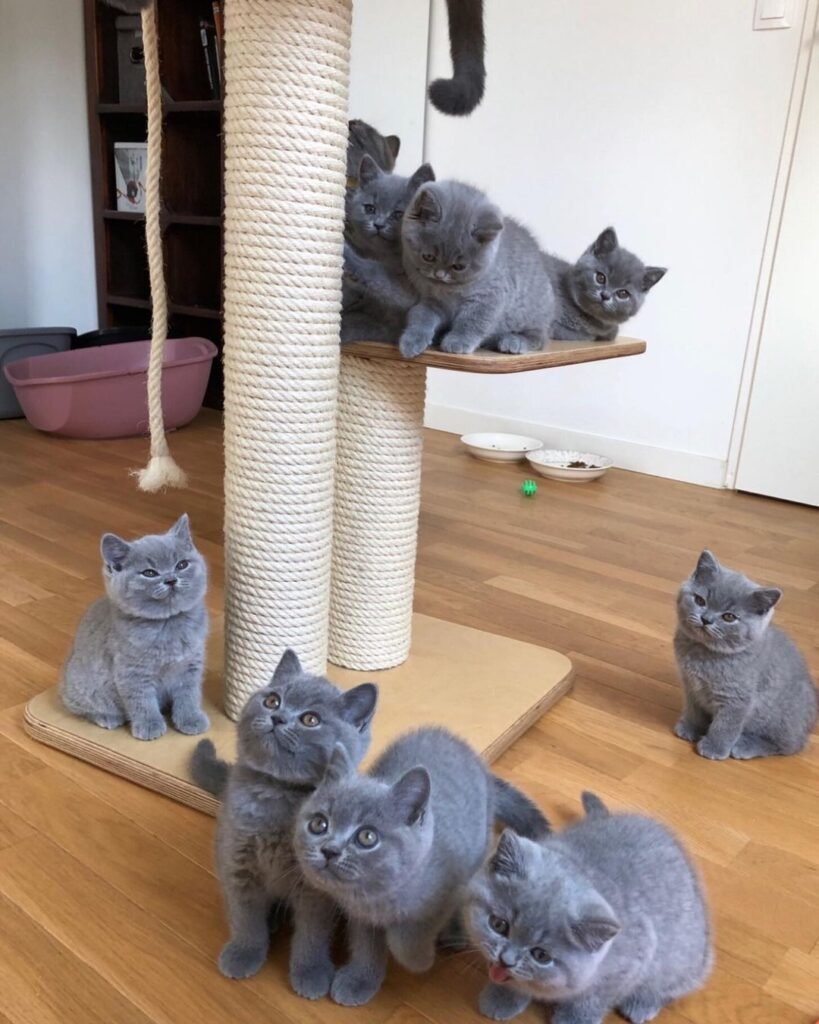
The British Shorthair cat has rapidly become a beloved companion for households across America, captivating feline enthusiasts with its charming demeanor and striking appearance. Known for their round faces, dense coats, and robust bodies, these cats embody a perfect blend of grace and strength. With a history that stretches back to ancient times, the British Shorthair has evolved into a reliable and affectionate pet, making them an ideal choice for families and individuals alike. In this article, we will explore the unique characteristics, health considerations, and care requirements of this remarkable breed, highlighting why the British Shorthair is a must-have companion for cat lovers everywhere.
Introduction to the British Shorthair Breed
Overview of Popularity in America
The British Shorthair is taking the U.S. by storm, charm offensive and all. Once a rare sight in American homes, this plush feline has clawed its way into the hearts of cat lovers across the nation. With their round faces and stocky builds, they’ve quickly become the poster cats for “cuddle-worthy companion.” Adoption rates are soaring, and you can bet your catnip-stuffed toys that these delightful furballs are here to stay!
Key Features that Attract Owners
What’s the magic potion? Well, it’s a blend of their lovable demeanor, plush physique, and that adorable, chubby-cheeked face that seems to say, “Yes, you can totally spoil me.” British Shorthairs are low-maintenance, making them a delightful choice for busy households. Their independent nature allows them to thrive in solitude, so whether you’re working from home or binge-watching your favorite show, they’ll be snugly snoozing nearby, keeping you company without being clingy.
History and Origin of the British Shorthair
Ancient Roots in Britain
The British Shorthair has quite the ancestry, dating back to the Roman conquest of Britain, where they served as skilled rat-catchers in the military camps. These cats were bred for strength and resilience, perfect for scaring off any unwelcome rodent guests. Fast forward a few centuries, and you’ve got a beloved breed basking in royal approval and literary fame, appearing in stories penned by the likes of Lewis Carroll. Yes, these cats have a history as rich as their plush fur!
Development Through the Ages
As their reputation grew, so did the breeding interest. The British Shorthair was refined in the late 19th century, with breeders focusing on enhancing their stocky physique and dense coats. They persevered through both world wars, with dedicated enthusiasts working to save the breed from the brink of extinction. Today, they stand as a testament to resilience, conquering not just homes but hearts across America.
Distinctive Characteristics and Appearance
Physical Traits: Size and Build
You can’t miss a British Shorthair. They are like the bodybuilders of the cat world—stocky, muscular, and irresistibly cute! Typically, they weigh between 9 to 18 pounds. With their broad heads, short necks, and sturdy legs, these cats have the perfect combination of power and pizzazz. Their playful antics will keep you entertained, proving that big things come in fluffy packages!
Coat Colors and Patterns
When it comes to fashion, the British Shorthair is a trendsetter. Their coats are thick and plush, begging for cuddles on those chilly evenings. They come in a rainbow of colors and patterns—think British Blue (the classic!), cream, black, and even tabby. Each cat has its own unique flair, ensuring that every British Shorthair stands out as a one-of-a-kind masterpiece!
Temperament and Behavior Traits
General Personality Overview
British Shorthairs are the epitome of chill. With a laid-back attitude, they’re as cool as the other side of the pillow. They enjoy playtime but are equally content to lounge around, making them perfect companions for both active families and dedicated couch potatoes. Their affectionate yet independent nature means they’ll snuggle up when they’re in the mood but will also graciously respect your space—it’s the ultimate cat-human balance!
Socialization with Families and Other Pets
Whether you’ve got kids, a dog, or a menagerie of other pets, British Shorthairs are generally quite sociable. They approach new friends with curiosity rather than hissy fits, making them an all-star choice for family pets. They’re patient with kids and can even be trained to coexist with other animals, establishing a peace treaty that could rival any diplomatic agreement. Just remember, while they love their human and fur siblings, they still enjoy their alone time—like a little zen retreat in a busy household!
Health Considerations and Lifespan
Common Health Issues to Watch For
British Shorthairs are generally hearty felines, but like all breeds, they come with their own set of potential health hiccups. Be on the lookout for hypertrophic cardiomyopathy (HCM), a fancy term for a heart condition that can sneak up on our furry friends. Other concerns include obesity—because who can resist those big, round eyes begging for treats?—and certain dental issues that may arise from their adorable flat faces. Regular vet check-ups, a keen eye for any unusual behavior, and perhaps a healthy dose of restraint when it comes to snacks can help keep your British Shorthair in tip-top shape!
Expected Lifespan and Quality of Life
When properly cared for, British Shorthair cats can live anywhere from 12 to 20 years. That means you could be enjoying your British buddy’s company through several presidential elections, countless cat memes, and enough Netflix binges to fill a lifetime! Their robust health and generally calm demeanor contribute to a high quality of life, especially when they’re showered with love, attention, and the occasional laser pointer chase.
Care and Maintenance: Grooming and Diet
Grooming Needs and Techniques
British Shorthairs have plush, dense coats that are as delightful to pet as they are to maintain. Thankfully, they don’t require excessive grooming—lucky us! A good once-a-week brush should do the trick to remove loose hair and prevent any rogue fur balls from taking over your living space. During shedding season (which feels like it lasts all year), you might want to amp it up to twice a week. And let’s not forget about those adorable ears; a gentle wipe with a damp cloth now and then can keep them from getting too “crispy.”
Nutrition Requirements for Optimal Health
When it comes to feeding your British Shorthair, think quality over quantity. These cats thrive on high-quality protein and a balanced diet, so look for premium cat food that lists real meat as the first ingredient—bonus points if it’s chicken or fish! Since they’re prone to weight gain, measuring out portions is a must. After all, nobody wants a kitty who thinks the floor is lava—because they can’t reach it anymore! Fresh water should be ever-present, too, because hydration is key, no matter how much they protest.
Training and Socialization Tips
Basic Training for British Shorthairs
Training a British Shorthair can be a delightful experience, as they are generally smart and eager to please (mostly when it suits their agenda, of course). Start with basic commands like ‘sit’ and ‘high five’ using treats as motivation. These cats can be a tad stubborn, but with consistency and patience, you’ll have them performing tricks in no time—impressing all your friends and making your feline the star of the show.
Importance of Early Socialization
Getting your British Shorthair acquainted with different people, pets, and environments early on will set them up for a smooth, confident life as an adult cat. Introduce them to new experiences gradually to ensure they don’t become a reclusive diva. A well-socialized British Shorthair is a friendly and adaptable furball, ready to greet guests and share the couch (or reclaim the whole space for themselves, as is their right).
Why the British Shorthair is the Ideal Companion
Benefits of Owning a British Shorthair
Owning a British Shorthair is like having a plush little cloud that purrs and snuggles on demand. These cats are known for their easygoing temperament, making them perfect for families, singles, and anyone in between. They’re not overly needy but still love to curl up next to you while you binge-watch your favorite series or read a book. Plus, their adorable chubby cheeks and round faces could melt even the iciest of hearts—seriously, who can resist that?
Testimonials from Owners
“My British Shorthair, Sir Fluffington, has completely taken over my life—and I wouldn’t have it any other way! He’s the perfect mix of playful and chill. I’ve had other cats, but nothing compares to my fluffy buddy!” – Jessica, proud cat mom.
“Honestly, I didn’t choose Bugsy; he chose me. Just one look into those big blue eyes, and I was a goner. He’s funny, charming, and thinks he’s a dog. What more could I want?” – Mike, devoted servant to his British Shorthair.
With glowing testimonials like these, it’s clear that British Shorthairs are not just pets—they’re family! In conclusion, the British Shorthair cat stands out as a delightful and dependable companion that brings joy to countless homes across America. With their charming personalities, striking looks, and relatively low maintenance needs, it’s no wonder they have captured the hearts of so many.
Frequently Asked Questions
What is the typical lifespan of a British Shorthair cat?
The average lifespan of a British Shorthair cat ranges from 12 to 20 years, depending on their health, diet, and care.
Are British Shorthair cats hypoallergenic?
No, British Shorthair cats are not considered hypoallergenic. They do produce allergens, but some allergy sufferers may find them less irritating than other breeds.
How much grooming do British Shorthair cats require?
British Shorthairs have a dense coat that requires regular grooming, typically once a week, to prevent matting and reduce shedding.
Do British Shorthair cats get along with children and other pets?
Yes, British Shorthair cats are generally known for their friendly and tolerant nature, making them suitable companions for children and other pets when properly socialized.