
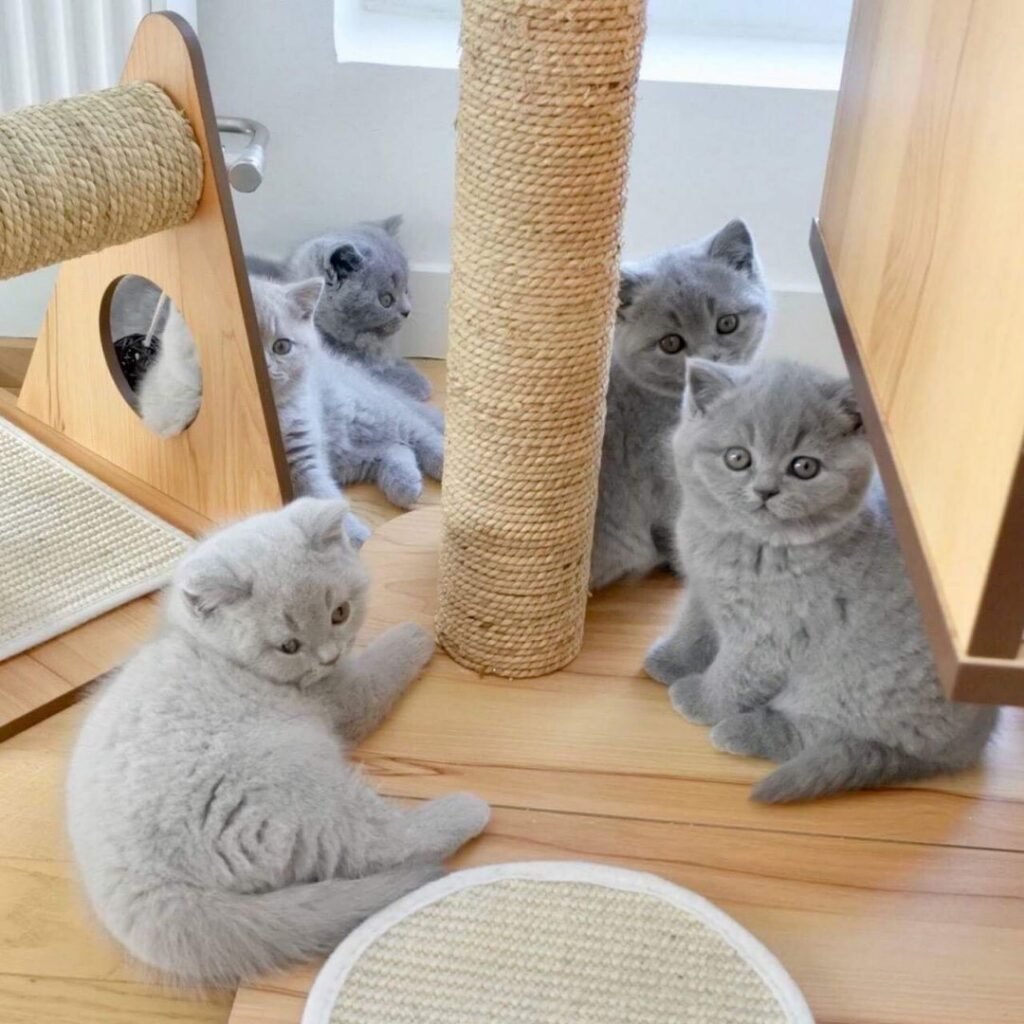
Buying a British Shorthair cat online can be an exciting yet daunting experience for prospective pet owners. Known for their charming looks, friendly demeanor, and distinctive round features, British Shorthairs are one of the most beloved cat breeds. However, navigating the process of finding a reputable breeder, ensuring the health of your new kitten, and preparing your home for its arrival requires careful planning and informed decisions. This complete guide aims to provide you with all the essential information you need to confidently purchase a British Shorthair online, from understanding the breed’s unique characteristics to integrating your new feline friend into your home.
Understanding the British Shorthair Breed
History and Origin
The British Shorthair cat boasts a history as rich as an English pudding. Originating from the British Isles around the time of the Roman invasion, these sturdy felines were once working cats, skilled in hunting vermin. Fast forward a few centuries, and they became the darlings of the cat fancy world, thanks to their charming round faces and plush coats. So, yes, when you adopt a British Shorthair, you’re not just getting a pet; you’re bringing home a piece of British history!
Physical Characteristics
With their plush, dense coats and round faces, British Shorthairs are the feline equivalent of cuddly teddy bears. They typically come in a variety of colors, but that iconic blue-gray hue is what most people think of. Their stocky build and strong, muscular bodies give them a robust appearance, and those big round eyes? Perfect for melting hearts (and potentially getting extra treats). Just remember, they might be cute, but they also have an impressive set of claws!
Temperament and Personality Traits
British Shorthairs are often described as the “easygoing friends” of the cat world. They are friendly but not overly clingy, making them perfect companions for those who enjoy their personal space. Known for their loyalty, these cats can form strong bonds with their humans and exhibit a playful side well into adulthood. Think of them as the cool, laid-back friend who’s always up for a chat but also appreciates a good nap in the sun.
Common Health Issues
While British Shorthairs are generally healthy, they aren’t immune to certain health issues. Look out for hypertrophic cardiomyopathy (HCM), a common heart condition, and obesity, which can be a result of their love for food and cuddling. Regular vet check-ups, a balanced diet, and some good old-fashioned playtime can keep your British Shorthair purring happily for years to come.
Deciding on a Reputable Breeder
Characteristics of a Good Breeder
A reputable breeder is like the fairy godparent of the kitten world. They prioritize health, socialization, and the overall well-being of their cats. Look for breeders who are transparent about their breeding practices, are knowledgeable about the breed, and emphasize proper socialization for their kittens. If they have a genuine love for the breed and a commitment to responsible breeding, you’re on the right track.
Questions to Ask Potential Breeders
Don’t be shy—ask away! Inquire about their breeding practices, health screening for common genetic conditions, and how they care for their kittens. It’s also wise to ask about the kitten’s socialization experiences. A good breeder should be able to provide you with a wealth of information, and if they seem evasive or defensive, that’s a red flag waving in the wind.
Red Flags When Choosing a Breeder
While it’s easy to get starry-eyed over adorable kittens online, keep your detective hat on! Beware of breeders who don’t offer health guarantees, have little to no communication, or push you to make quick decisions. If the living conditions for the cats look dingy or overcrowded, that’s another glaring warning sign. Remember, a responsible breeder will want to ensure that their kittens are going to loving homes and will not rush the process.
Evaluating the Health and Temperament of Kittens
Signs of a Healthy Kitten
When evaluating kittens, keep an eye out for clear, bright eyes, a shiny coat, and a playful spirit. Healthy kittens should be active and curious—think mini furry tornadoes! Additionally, they should maintain a healthy weight and have clean, dry ears and fur. If you see a kitten that seems lethargic or has discharge from its eyes or nose, it’s time to move on.
Assessing Behavior and Socialization
A well-socialized kitten is your ticket to a friendly feline companion. Look for kittens that are curious and willing to interact with people. Friendly playfulness—like pawing at you or chasing toys—indicates a healthy temperament. If a kitten seems overly fearful or aggressive, it might not have had the best socialization experiences, and you might want to consider other options.
Understanding Kitten Development Stages
Kittens go through various developmental stages, much like humans do (though there’s no awkward teenage phase). The first 8 weeks are crucial for socialization, so it’s essential to adopt a kitten that has had ample interaction with humans and other pets. After that, they’ll continue to develop their personalities until they’re around 1 year old. Understanding these stages can help you choose a kitten that aligns with your lifestyle and expectations.
The Online Buying Process: Step-by-Step
Researching Breeders Online
Before you dive into the deep end of the online cat-buying pool, do your homework. Use reputable websites and forums to find breeders with good reputations. Check social media for happy customer reviews and adorable kitten photos—it’s crucial! Look for breeders who clearly showcase their practices and are transparent about their kittens’ health and lineage.
Making a Deposit and Finalizing the Purchase
Once you find your purr-fect match, it’s time to take action! Most breeders will require a deposit to hold a kitten, so have your wallet at the ready. Ensure you get everything in writing—a contract should include health guarantees and the terms of the sale. Always ask for a receipt for your deposit to avoid any potential “cat-astrophes” later on!
Understanding Shipping and Delivery Options
Shipping a kitten might sound like a plot twist from a quirky cat movie, but it’s a real possibility! Many breeders will ship your new furry friend, but costs and logistics can vary. Make sure to ask detailed questions about how transportation is handled, what precautions are taken for the kitten’s safety, and if there’s an option for pickup. After all, you want your new friend to arrive as cozy and happy as possible!
Essential Supplies for Your New British Shorthair
Food and Nutrition Needs
When it comes to feeding your new British Shorthair, quality is key. These plump little lovebugs need a diet rich in protein to maintain their muscular build and overall health. Look for high-quality cat food that lists real meat as the first ingredient. Consider a mix of both dry and wet food to keep their diet balanced and their hydration levels up. And remember, portion control is crucial—no one wants a kitty that rolls instead of walks!
Choosing the Right Litter and Litter Box
Finding the right litter and box combo is kind of like dating—try out a few before you settle down. British Shorthairs can be particular, so go for a litter that clumps well and minimizes odors (because we all have our limits). A box that is spacious and low enough for them to hop in easily is ideal. Don’t forget to scoop regularly; a clean litter box is a non-negotiable in any cat’s world.
Recommended Toys and Scratching Posts
Keep your British Shorthair entertained and their claws in check with a variety of toys and scratching posts. Opt for high-quality toys that can withstand some serious pouncing and pawing—those furry balls of fluff are surprisingly strong! Scratching posts should be sturdy and tall enough for your cat to stretch out fully. Think of it as their personal gym; after all, they’ll need a place to stay fit for all that lounging!
Preparing Your Home for a New Cat
Creating a Safe Space for Your Kitten
Before your British Shorthair arrives, designate a cozy spot just for them—a quiet corner filled with soft bedding, food, and water. This will be their sanctuary where they can escape the hustle and bustle of your home. Make it feel like a five-star feline hotel with a few toys and perhaps a cat tree for added flair. Remember, a relaxed cat is a happy cat, so give them time to settle in before introducing them to the entire house!
Introducing Your Cat to Other Pets
Ah, the delicate dance of introductions! If you have other pets, take it slow. Start by letting them sniff around each other’s scent using a sock or blanket. Then, do supervised meet-and-greets to avoid any feline drama. Patience is key here; some cats take longer to warm up to newcomers. Treats and positive reinforcement can turn a hostile takeover into a happy coexistence!
Cat-Proofing Your Home
Your British Shorthair is now the proud ruler of your home, but that doesn’t mean everything is fair game. Cat-proofing is essential! Secure any loose cords, hide away toxic plants, and make sure breakable items are out of paw’s reach. Don’t forget to check for small items that could be swallowed, like paperclips and rubber bands. A little prep now can save you from a heart-stopping trip to the vet later!
Post-Purchase Care and Integration Tips
Establishing a Routine
Cats thrive on routine—think of them as furry little creatures of habit. Set a consistent schedule for feeding, playtime, and grooming to help your British Shorthair feel secure and confident in their new environment. Consistency is like catnip for their souls; it reassures them that life is predictable and they won’t be left wondering where their next meal is coming from!
Health Checkups and Vaccinations
Regular vet visits are a must-do on your cat parenting checklist. Schedule checkups and keep up with vaccinations to ensure your British Shorthair stays in tip-top shape. Don’t forget to discuss spaying or neutering—unless you want a mini army of Shorthairs taking over your living room! Staying on top of their health will keep your kitty purring for years to come.
Behavioral Training Techniques
Training doesn’t have to be a cat-astrophe! Use positive reinforcement techniques to encourage good behavior. Treats, praise, and a gentle hand can go a long way in teaching your British Shorthair where to scratch and what to avoid. Remember, patience and a light-hearted approach are key; if all else fails, a good ol’ cat video can be a nice distraction for both you and your feline friend!
Common Myths and Misconceptions About British Shorthairs
Myth vs. Reality: Temperament
A common myth is that British Shorthairs are aloof and standoffish. In reality, they’re known for their sweet, easy-going nature. These cuddly companions love to hang out with their humans and are often quite social—just be prepared for a lap warmer who may want to sit on your keyboard while you work!
Grooming Needs and Care
Another misconception is that British Shorthairs require intensive grooming. Sure, they have plush coats that need some love, but their short hair makes them relatively low-maintenance. A weekly brushing session will keep their fur looking fabulous and reduce shedding. They’ll appreciate the extra attention, and you’ll score some quality bonding time!
Understanding Their Playfulness
Many people believe British Shorthairs are too laid-back to play. But don’t be fooled—these cats can be quite playful! They may not be as hyper as some breeds, but once they’re in the mood, expect some adorable antics. Interactive toys and laser pointers will have them zooming around, proving that they’ve got plenty of kitten-like energy hidden beneath that refined exterior!In conclusion, bringing a British Shorthair cat into your home can be a rewarding experience filled with love and companionship. By following the guidelines outlined in this guide, you can ensure a smooth purchasing process and create a welcoming environment for your new furry friend. Remember to prioritize the health and well-being of your kitten and enjoy the delightful journey of bonding with your British Shorthair. With the right preparation and care, you’ll find that this breed makes a wonderful addition to your family.
Frequently Asked Questions
1. How much does a British Shorthair cat typically cost?
The price of a British Shorthair cat can vary widely depending on the breeder, location, and lineage, but you can generally expect to pay between $1,000 and $2,500.
2. Are British Shorthairs good with children and other pets?
Yes, British Shorthairs are known for their calm and friendly temperament, making them great companions for children and other pets when properly socialized.
3. What kind of grooming do British Shorthairs require?
British Shorthairs have a dense coat that requires regular brushing to minimize shedding and matting. They also benefit from occasional baths and routine nail trimming.
4. How can I tell if a breeder is reputable?
A reputable breeder will provide health clearances for their cats, allow you to visit their facility, be open to answering your questions, and prioritize the well-being of their animals over profit.