
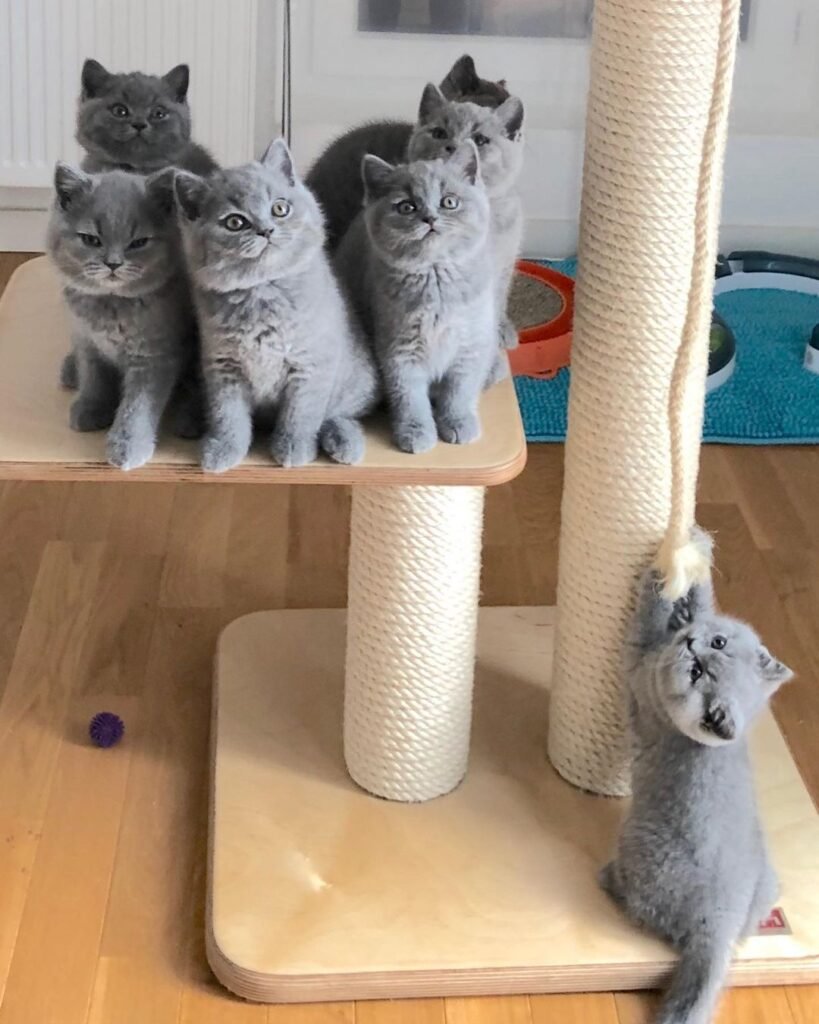
The British Shorthair is a beloved cat breed known for its charming appearance and endearing personality. With its round face, dense coat, and robust build, this breed has captured the hearts of many cat enthusiasts around the world. In the USA, the popularity of the British Shorthair has led to a growing interest among potential pet owners, but acquiring one comes with both advantages and disadvantages. This article explores the pros and cons of buying a British Shorthair in the USA, helping prospective owners make an informed decision about whether this affectionate feline is the right fit for their home and lifestyle.
Overview of the British Shorthair Breed
The British Shorthair is more than just a cute face with a plush coat; it’s a breed steeped in history and personality. Known for their round faces and stocky build, these cats are as charming as they are cuddly. They have a knack for striking a perfect balance of independence and affection, making them a favorite among cat enthusiasts.
History and Origins
The British Shorthair’s history traces back to ancient Rome, where they were valued for their mouse-hunting skills. Once the feline guardians of Britain in the 19th century, these cats were bred for strength and endurance. It wasn’t until cat shows gained popularity that their distinctive looks and charming personalities captured the hearts of the public, solidifying their place in the pet pantheon.
Physical Characteristics
Prepare to be smitten! British Shorthairs have a robust, muscular frame, making them look like little furry boulders. Their plush, dense coat comes in a variety of colors and patterns, with the classic blue being a standout. They sport round faces, chubby cheeks, and big, wide-set eyes that seem to hold the wisdom of the ages—or at least a hint of mischief.
Temperament and Behavior
These cats are the quintessential companions—confident yet friendly. British Shorthairs are known for their easygoing nature, often adapting well to various living situations. They enjoy playtime but won’t demand constant attention, making them perfect for busy households. Expect a loyal friend who may occasionally lap up some cuddles but also respects your personal space.
Pros of Buying a British Shorthair in the USA
Investing in a British Shorthair can be a delightful choice, provided you’re ready for the charm and cuddles that come with this breed.
Affectionate and Friendly Nature
British Shorthairs are known to be social butterflies—without the annoying fluttering! They enjoy being around their human companions and will likely follow you from room to room, ready to plop down for some quality cuddle time. Their gentle demeanor makes them perfect snuggle buddies on lazy Sunday afternoons.
Low Maintenance Grooming
If the thought of grooming sends shivers down your spine, worry not! British Shorthairs have a thick coat that’s relatively low-maintenance. A weekly brush can keep their fur looking spiffy, and you can forget about spending hours detangling matted fur. It’s almost like they were designed for the lazy cat owner!
Good with Families and Children
If you have kids or a busy household, the British Shorthair might just fit right in! They’re known for being patient and gentle, making them ideal playmates for children. Plus, their sturdy build holds up well against the occasional enthusiastic hug or playful tug.
Cons of Buying a British Shorthair in the USA
While these cats are irresistibly charming, there are a few hiccups to consider before bringing one home.
Potential Health Issues
As wonderful as they are, British Shorthairs aren’t immune to health concerns. Some common issues include heart disease and obesity, mostly due to their love for lounging (we can relate!). Regular vet check-ups and a healthy diet are essential to keep them sprightly.
Higher Initial Purchase Price
Get ready to shell out some serious cash—British Shorthairs don’t come cheap! With prices often soaring due to their popularity and breeding standards, they can be a pricey investment. If you’re looking to save, you might have to explore the realm of less sought-after breeds.
Less Availability Compared to Other Breeds
Finding a British Shorthair isn’t always as easy as finding a cup of coffee. They can be less available than other breeds, meaning you might have to wait for the right kitten or rely on reputable breeders. Patience is a virtue, especially when it comes to finding your perfect feline companion.
Cost Considerations for British Shorthairs
Before you rush to adopt your new furry friend, it’s wise to consider the financial aspect of bringing a British Shorthair into your home.
Initial Purchase Costs
Expect to pay a handsome fee upfront if you decide to adopt a British Shorthair. Prices can range significantly depending on the breeder, location, and pedigree. Just remember, it’s an investment in a lifelong companion—although your wallet might not agree!
Ongoing Care and Expenses
Beyond the initial purchase, budgeting for grooming, high-quality food, and regular vet visits is essential. British Shorthairs may be low maintenance in grooming, but they still deserve top-notch care. Think of it as a long-term commitment—like your Netflix subscription, but with more purring.
Insurance and Health Care Costs
Lastly, consider pet insurance and potential health care costs. With the right insurance, you can ease the financial stress that comes with unexpected vet visits. It’s like having a safety net that allows you to spoil your kitty without breaking the bank.
Health and Genetic Factors
Common Health Concerns
British Shorthairs are quite the charming little potatoes, but they do come with some health baggage. Common concerns include hypertrophic cardiomyopathy (HCM), which is essentially a fancy way of saying their hearts can be a bit too muscular for their own good. Other issues can include obesity (because who can resist those pleading eyes when it’s snack time?), and certain dental problems. Remember, while they’re sturdier than a built-in bookshelf, regular health checks are essential.
Importance of Genetic Testing
Genetic testing is like a crystal ball for your cat’s health. By checking for hereditary conditions, you can preemptively address potential health issues before they become full-blown cat-astrophes. This testing helps identify carriers of diseases, allowing responsible breeders to make informed decisions. So, before you go cat shopping, make sure to ask your breeder about their testing practices, and save yourself some kitty drama down the line.
Regular Veterinary Care
Even the most robust British Shorthair can’t avoid the vet forever. Regular check-ups are key to keeping your feline friend purring happily. Routine vet visits can catch any health issues early, ensuring that your little companion stays fit and fabulous. Plus, who doesn’t love the catnip-filled joy of overhearing “your cat is in perfect shape” from the vet? Now that’s a compliment worth celebrating!
Finding Reputable Breeders vs. Adoption
Identifying Responsible Breeders
When on the hunt for a British Shorthair, finding a reputable breeder is paramount. Look for those who prioritize health testing, offer genetic background information, and can show off their breeding standards. A responsible breeder will let you meet the kitty’s family and provide you with a wealth of knowledge about these feline furballs. No question is too silly, so don’t hesitate to interrogate—they’ll appreciate your enthusiasm, and your future cat will thank you later!
Benefits of Adoption
Adopting a British Shorthair (or any cat, really) is like giving a furry friend a second chance at life. Shelters often have various breeds, including lovely British Shorthairs looking for homes. The benefits? You’ll be saving a life, making a new best friend, and often the adoption fee includes vaccinations and spaying/neutering. Plus, both your heart and your wallet will feel a little lighter!
Red Flags to Watch For
When delving into the world of breeders or shelters, keep your radar on high alert for red flags. Avoid breeders who are evasive about health tests or can’t provide references. If a place feels more like a cat factory than a home, back away slowly. Trust your instincts—if it feels off, it probably is. Your future feline family member deserves better than a questionable lineage!
Care and Maintenance of British Shorthairs
Feeding and Nutrition
Feeding your British Shorthair is both an art and a science. Thanks to their robust build, it’s easy for them to pack on the pounds. Aim for high-quality cat food that suits their life stage—kitten, adult, or senior. Remember to stick to a strict feeding schedule and provide fresh water because hydration is key! It’s not just about what they eat, but how much, so temper those adorable pleading looks with portion control.
Grooming and Hygiene
British Shorthairs have plush coats that feel like clouds, but that doesn’t mean you can skip their grooming. Regular brushing (think spa day with catnip) keeps their fur looking luscious and can help minimize shedding. Plus, keeping an eye on their nails and ears will keep your furniture intact and your kitty’s health in check. Let’s face it, everyone enjoys a well-groomed companion, especially when they’re as snuggly as your British Shorthair!
Exercise and Mental Stimulation
Despite their squishy appearance, British Shorthairs can be quite the athletes! Provide them with interactive toys, climbing structures, and playtime to keep those little muscles toned and their minds sharp. A bored British Shorthair is a mischievous British Shorthair, so regular play sessions can prevent spontaneous cat adventures that lead to broken lamps. Invest in their happiness; after all, a happy cat makes for a happy home!
Conclusion: Is a British Shorthair Right for You?
Assessing Your Lifestyle and Home Environment
Before jumping headfirst into British Shorthair ownership, take stock of your lifestyle. Do you have time for grooming, play, and regular vet visits? Consider your living situation—these cats love stability and may not thrive in a fast-paced environment. If you can create a cozy home filled with love, then a British Shorthair could be the purrfect addition to your life!
Final Thoughts on Ownership
Owning a British Shorthair is like inviting a fluffy, charming roommate into your life—one that occasionally knocks over your coffee and curls up on your lap. They bring joy, companionship, and, yes, some responsibility. If you’re ready for all the snuggles and shenanigans, then go ahead, take the plunge, and embrace the cuddly chaos that is a British Shorthair. You won’t regret it! In conclusion, bringing a British Shorthair into your home can be a rewarding experience, filled with companionship and joy. However, it’s essential to weigh the pros and cons carefully, considering factors like costs, health, and your living situation. Whether you decide to adopt or purchase from a breeder, understanding the needs of this unique breed will ensure a happy and fulfilling relationship for both you and your new feline friend.
Frequently Asked Questions
1. How much does a British Shorthair cost in the USA?
The price of a British Shorthair can vary significantly depending on the breeder, location, and pedigree, typically ranging from $1,500 to $3,000.
2. Are British Shorthairs prone to specific health issues?
Yes, British Shorthairs can be susceptible to certain genetic conditions, including hypertrophic cardiomyopathy (HCM) and obesity, making regular veterinary check-ups vital.
3. Do British Shorthairs require special grooming?
While they have thick coats, British Shorthairs are relatively low maintenance in terms of grooming and only require regular brushing to reduce shedding and matting.
4. Is it better to adopt a British Shorthair or buy from a breeder?
Both options have their benefits; adopting may save a life and reduce costs, while buying from a reputable breeder can provide assurance of health and lineage.