
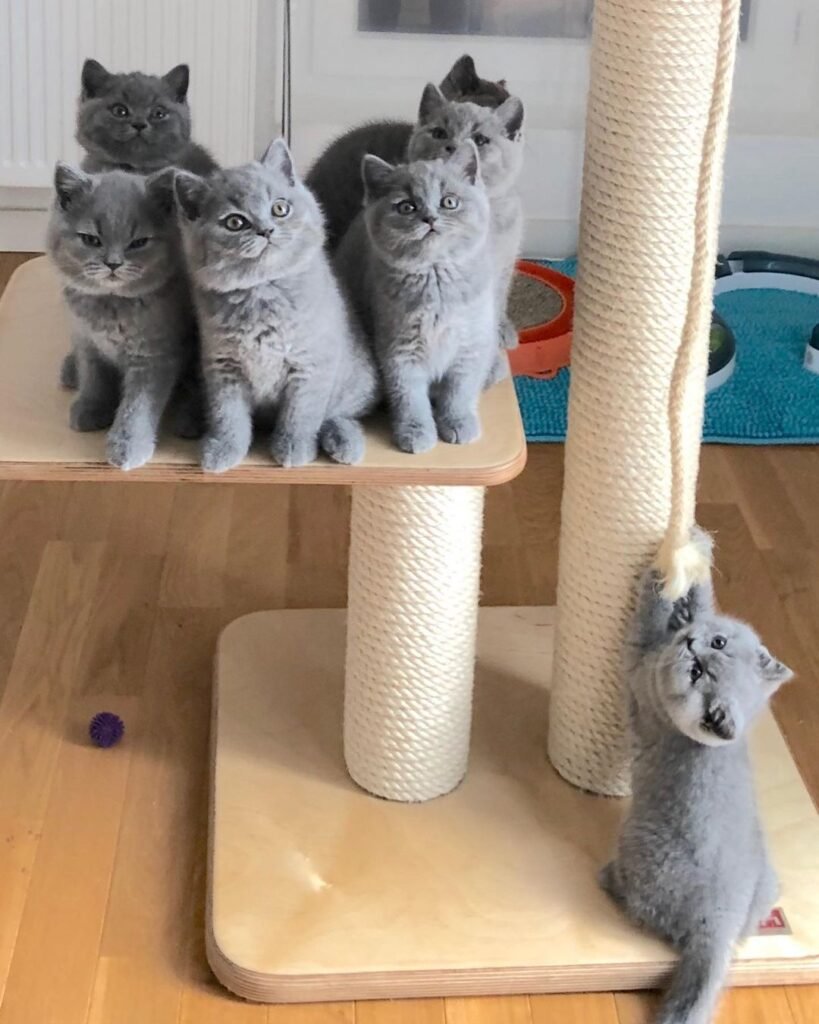
Bringing a British Shorthair cat into your home can be an exciting and fulfilling experience, as these charming and affectionate felines quickly become beloved members of the family. However, preparing your home for a new pet is crucial to ensure their safety, comfort, and happiness. From understanding their unique needs to creating a welcoming environment, proper preparation can make a significant difference in helping your British Shorthair adjust to their new surroundings. This guide will walk you through essential steps to set up your home, ensuring a smooth transition for both you and your new furry friend.
1. Understanding the British Shorthair Cat Breed
1.1. History and Characteristics
The British Shorthair is like the cool cat of the feline world. With roots tracing back to Roman Britain, these plush-faced beauties have been charming humans for centuries. Known for their stocky build, round faces, and dense coat, they’re the sort of cats who look like they just stepped out of a Victorian painting—posh and proud. Their signature look is a broad head and powerful, muscular body, which makes them the fluffy equivalent of a teddy bear, but don’t mistake their cuddliness for fragility!
1.2. Temperament and Behavior
If you’re looking for a cat who’s both affectionate and independent, the British Shorthair is your best buddy. They tend to be laid-back and not overly demanding—think of them as the friend who’s perfectly fine chilling on the couch for hours while you binge-watch your favorite series. They love to be with their humans but won’t smother you with attention; in cat terms, they respect your personal space, as long as it’s within eye-shot of the nearest sunbeam!
1.3. Common Health Issues
While the British Shorthair shines in the personality department, they can occasionally run into health hiccups. Common issues include heart disease (specifically hypertrophic cardiomyopathy), obesity (they do love their snacks), and arthritis as they age. Regular vet check-ups and a balanced diet will keep your furry friend in tip-top shape—plus, it gives you an excuse to show off how well you understand cat health!
2. Essential Supplies for Your New Cat
2.1. Food and Water Bowls
Invest in some sturdy, non-tip food and water bowls, because believe it or not, British Shorthairs can be enthusiastic eaters. Look for ceramic or stainless steel options that are easy to clean and won’t harbor bacteria. Bonus points if they come in a stylish design that complements your kitchen—after all, you want your little furball to eat in style!
2.2. Appropriate Cat Food
When it comes to dining, the British Shorthair needs a balanced, high-quality diet to keep that fluffy physique in check. Look for cat food formulated for their specific life stage—kittens, adults, or seniors—because, surprisingly, they don’t all eat the same at different ages! Consulting your vet about the best options will ensure your kitty stays healthy and happy.
2.3. Litter Box and Supplies
Your British Shorthair will need a litter box that is just as fabulous as they are! Choose one that’s spacious enough for their stocky frame and is easy to clean. Don’t forget to stock up on clumping litter; it’s a game-changer for odor control. And make sure to place it in a quiet, private area—like the feline version of a spa retreat.
2.4. Bedding and Comfort Items
Comfort is key for any cat, and the British Shorthair prides itself on elegance. Provide a cozy bed or two in strategic napping spots around your home. Look for options with soft fabrics and possibly even a cute design; your cat deserves nothing less than luxury. Remember, the more plush and inviting their space is, the higher the chances you’ll find them snoozing just about anywhere but the bed you bought for them.
2.5. Toys and Enrichment Activities
Keeping your British Shorthair entertained is vital to their health and happiness. Invest in a variety of toys like feather wands, laser pointers, and puzzle feeders. A cat tree is also a great investment; they love to climb and observe the kingdom (a.k.a. your living room). Rotate toys regularly to keep things fresh and captivating—trust me, they’ll appreciate the spontaneity!
3. Creating a Safe and Comfortable Environment
3.1. Choosing the Right Space
Your new feline friend deserves a space tailored to their lifestyle. Pick a quiet area where they can retreat when they need to recharge. If you have a designated cat zone, add cozy blankets and maybe even a window perch where they can watch the world go by. This is their sanctuary, so make it purr-fect!
3.2. Temperature and Humidity Considerations
British Shorthairs may look tough, but they appreciate a comfortable environment just like us. Aim for a temperature that’s cozy but not too hot, since these cats can be prone to heat stress. A cool spot to lie down on a warm day (hello, air conditioning!) is a must. Keep humidity in check; they prefer the same climate we do—no tropical rainforests required!
3.3. Hiding Hazardous Items
Cats are curious critters, and British Shorthairs are no exception. Go on a little scavenger hunt around your home and make sure to tuck away any toxic plants, chemicals, or fragile items that could become casualties of feline curiosity. Safety first, so they can explore freely without you having to pronounce “what did you get into?” every five minutes.
4. Cat-Proofing Your Home
4.1. Securing Windows and Balconies
Safety is paramount when it comes to your new British Shorthair. If you live in a high-rise or a home with open balconies, make sure to secure those windows and railings. A cat-proof screen will allow them to enjoy the fresh air without the risk of an “accidental escape.” Trust me, they may love to perch and watch birds a little too much!
4.2. Removing Toxic Plants and Substances
Many common household plants can be toxic to cats—think lilies, poinsettias, and philodendrons—so it’s time for a little plant makeover. Swap out any dangerous greenery for pet-safe options. And as for substances? Keep medications and cleaning supplies locked away, because your British Shorthair might think that bottle of pills is a new toy!
4.3. Electrical and Structural Safety
Lastly, let’s talk about those pesky cords and open outlets. Cats like to investigate everything, and electrical cords can look suspiciously like fun toys. Use cord covers or ties to keep things neat and safe. Also, make sure there are no gaps or holes that your furry friend could squeeze into, because you know they’ll find a way to get into places they shouldn’t!
5. Designating Spaces for Your Cat
5.1. Creating a Personal Space
Every feline royal deserves their throne! Set up a cozy, designated area in your home complete with a comfy bed, scratching post, and maybe even a blanket that smells like you (because who doesn’t want to feel loved?). Cats appreciate their privacy, so think of this space as their own little cat castle—just without the drawbridge.
5.2. Vertical Climbing Opportunities
British Shorthairs may love lounging around, but they’re also fans of climbing! Provide shelves, cat trees, or even a jungle gym to satisfy their inner acrobat. Vertical spaces allow them to observe their kingdom from above and burn off some energy while trying to scale Mount Living Room. Just be sure to secure any structures to prevent the whole thing from toppling over when they’re feeling a little too ambitious.
5.3. Safe Outdoor Access (if applicable)
If you’re lucky enough to have a garden, consider safe outdoor access for your British Shorthair. A catio (a fancy term for a cat patio) can give them fresh air without the risk of them dashing off on their own adventure. Make sure the space is secure—no cat wants to become an amateur escape artist! Supervised outings on a leash might also be a hit, transforming their backyard into a whole new world to explore.
6. Introducing Your Cat to the Household
6.1. Preparing Family Members
Before your new feline friend arrives, gather the family and discuss the exciting new addition! Remind them that a British Shorthair may be a bit aloof initially. Encourage everyone to give the cat space and time to adjust—after all, they’re likely to be more interested in observing than joining the family reunion right away.
6.2. Gradual Introductions to Other Pets
If you have other pets, introduce them slowly. Let them get used to each other’s scents by swapping bedding or toys before a face-to-face meeting. Think of it as a first date: a little awkward at first, but with the right setup and some tasty treats, they’ll learn to appreciate each other’s quirks!
6.3. Managing First Few Days
The first few days can be like a new kid on the block—exciting yet a bit nerve-wracking. Keep your British Shorthair in a quiet room where they can feel safe while they get acquainted with their new kingdom. Limit the number of visitors and let them explore at their own pace. Once they start to roam, you’ll know they’re feeling at home!
7. Establishing a Routine for Care and Play
7.1. Feeding Schedule
Cats are creatures of habit, so set a consistent feeding schedule for your British Shorthair. Regular mealtimes will not only help with digestion but also keep them from thinking they’re auditioning for a role in *Cats* as they attempt to convince you they’re starving whenever they see a human.
7.2. Regular Playtime and Interaction
Schedule daily play sessions to keep your kitty engaged and healthy. Use interactive toys, laser pointers, or simple cardboard boxes to bring out their playful side. Just remember, if they catch you with the remote control, it might become their new favorite toy!
7.3. Grooming and Health Checkups
While British Shorthairs have short fur, they still appreciate a good grooming session. Brush them regularly to keep their coat shiny and to reduce shedding. Also, schedule regular vet checkups to ensure they are happy and healthy. Think of it as a spa day—only they won’t be sipping cucumber water and wearing a robe!By taking the time to prepare your home for a British Shorthair cat, you are setting the foundation for a loving and harmonious relationship. Remember that patience and observation are key as your new feline friend settles in. With the right environment, routine, and care, you’ll create a comfortable space that fosters their well-being and happiness. Embrace the joys of cat ownership, and enjoy the companionship that your British Shorthair will bring to your life.
Frequently Asked Questions
1. How do I choose the best food for my British Shorthair cat?
It’s important to select high-quality cat food that meets the specific nutritional needs of British Shorthairs. Look for options that list meat as the primary ingredient and are formulated for their age and health requirements. Consulting your veterinarian can provide tailored recommendations.
2. What should I do if my British Shorthair is shy or hesitant to explore?
Allow your cat to acclimate at their own pace. Provide a quiet, safe space where they can retreat, and encourage exploration through gentle interaction and play. Patience and a calm environment will help them feel more secure.
3. How often should I take my British Shorthair to the vet?
Regular veterinary check-ups are essential for maintaining your cat’s health. Generally, you should schedule annual visits for healthy adult cats, with additional visits as needed for vaccinations, dental care, or any health concerns.
4. Are British Shorthairs good with children and other pets?
British Shorthairs are known for their gentle and tolerant nature, making them generally good companions for children and other pets. However, it’s important to supervise interactions and introduce them gradually to ensure a harmonious environment.