
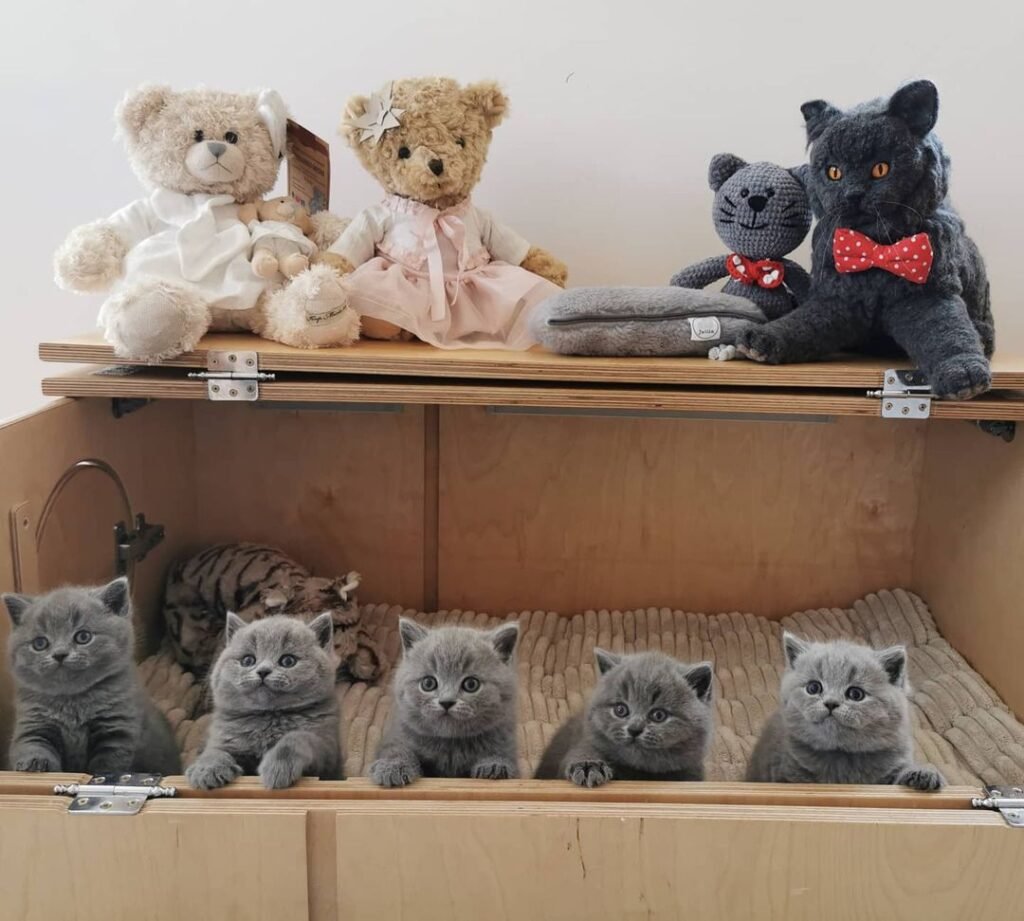
If you’re looking for a feline companion that combines charm, intelligence, and a playful disposition, the British Shorthair might just be your ideal match. Known for their adorable round faces, plush coats, and easy-going nature, these cats have captured the hearts of pet lovers across America. This article will guide you through everything you need to know about acquiring your dream British Shorthair, from understanding the breed’s unique characteristics to finding reputable sources for purchase. Whether you’re a first-time cat owner or an experienced feline enthusiast, learn why the British Shorthair is often celebrated as one of the most desirable pets in the country.
Overview of the British Shorthair Breed
History and Origin
The British Shorthair’s roots go deep into the annals of British history, dating back to the Roman conquest when cats were brought over to control the rodent population. Over the centuries, this breed morphed from its working-class origins to a beloved family companion, gaining popularity thanks to its robust build and cuddly demeanor. With a legacy often associated with x-ray visions into the hearts of cat lovers, the British Shorthair is the feline equivalent of a cozy pub on a rainy day.
Physical Characteristics
With its rounded face, dense coat, and stocky build, the British Shorthair is the kind of cat that looks like it’s always just rolled out of bed (and it’s adorable). They typically have broad cheeks, large round eyes (often copper or gold), and a solid body structure that makes them seem like the plushest teddy bear imaginable. Their short, dense fur gives them a “plush” appearance, making it hard to resist the urge to squeeze them!
Temperament and Personality
British Shorthairs are the quintessential laid-back companions. They have a calm disposition, making them excellent lap cats who appreciate your presence without being clingy. They’re not overly demanding but enjoy engaging with their humans, often displaying a gentle, playful side that can turn into a catnip-fueled frenzy at a moment’s notice. Think of them as the easygoing friends who always know how to keep the vibe just right.
Characteristics That Make British Shorthairs Unique
Distinctive Features
Aside from their plush coats and round faces, what sets British Shorthairs apart is their unique body structure. They possess a muscular build combined with a dense bone structure, often giving them the appearance of a sturdy little tank. Their playful paws seem to match their personality—think of a furry bouncer ready to charm the socks off any intruder with a purr rather than a punch.
Color Variations
British Shorthairs come in a palette of colors that would make any crayon jealous. The classic blue-gray is a fan favorite, but you can also find them in stunning shades of cream, black, white, and even tabby patterns. With over 60 color combinations, finding a British Shorthair that complements your personal aesthetic is akin to shopping for the perfect pair of shoes—there’s a perfect match out there for everyone!
Intelligence and Playfulness
These cats possess a surprisingly sharp intellect wrapped in a cozy package. British Shorthairs are quick to learn tricks and often enjoy interactive games that stimulate their minds. They’re the clever type who can figure out how to open doors or sneak onto countertops (not that they would ever do that… well, maybe just once). And when they’re not plotting their next great adventure, they’re more than likely to curl up next to you, reminding you that they’re still your number one fan.
Why Choose a British Shorthair as Your Pet
Affectionate Companions
Looking for a loyal friend who’s happy to snuggle on the couch during a Netflix binge? Enter the British Shorthair. Known for their loving nature, these cats form strong bonds with their humans and can often be spotted following you around the house or settling down on your lap for some quality cuddle time. Their affectionate demeanor will have you thinking they’re the fluffiest little lovebugs you’ve ever met.
Low Maintenance Needs
Unlike some divas of the feline world, British Shorthairs are delightfully low maintenance. Their short coats require minimal grooming, and they are generally tidy creatures who know how to use a litter box like pros. This makes them an ideal choice for those who want the joys of cat ownership without the endless grooming sessions. Give them a little food, a scratching post, and your love—a winning combination!
Compatibility with Families
British Shorthairs are family-friendly and will happily coexist with children and other pets, making them the perfect addition to any household. Their patient nature allows them to handle the occasional tug of a tail from a toddler, and they’ll likely be the first to join in on family games. They bring both warmth and stability to the home, transforming it into a lively haven for all ages.
Where to Find British Shorthairs for Sale
Reputable Breeders
If you’re on the hunt for a British Shorthair kitten, finding a reputable breeder is crucial. Look for breeders who prioritize health and temperament, ensuring that you’re not just getting a cute face but also a happy and healthy furball. Do a little detective work—check their reviews, ask about health clearances, and visit their facilities if possible. Trust us; good breeders are like a fine wine: hard to find, but oh-so-worth it!
Adoption Options
Not ready to buy? Consider adopting! Many shelters and rescue organizations have British Shorthairs looking for forever homes. You can find everything from playful kittens to wise older cats ready to share their wisdom (and a few cat puns). Adopting not only gives a cat a second chance at happiness but also lets you skip the guilt of breaking the bank on a purebred.
Online Marketplaces and Resources
If you prefer browsing from your couch (who doesn’t?), there are several online platforms where you can find British Shorthairs for sale. Websites like Petfinder and Adopt-a-Pet are great starting places, along with breed-specific forums and social media groups. Just make sure to do your due diligence, as the internet can be a wily realm—like a cat that just knocked over your favorite mug!
Preparing Your Home for a British Shorthair
Creating a Safe Environment
Before you bring home your fluffy bundle of joy, it’s crucial to ensure your home is a fortress of safety. Start by cat-proofing your space: secure loose wires, hide away toxic plants, and lock up any cleaning supplies that could transform your feline friend into a tiny daredevil. Set up a cozy oasis with a designated sleeping area, litter box, and scratching post—because who doesn’t love a good scratch session? Finally, be mindful of windows and balconies; those curious little paws can lead to some rather unfortunate outdoor adventures.
Essential Supplies and Accessories
Get ready to spoil your new British Shorthair with some essential supplies! You’ll need a sturdy litter box (for when nature calls), high-quality cat food that’s appropriate for their age, and food and water bowls—preferably ones that don’t tip over at the slightest nudge! Don’t forget toys (the more colorful, the better) to keep them entertained, along with a comfy bed for their royal naps. Finally, invest in a good brush for grooming; a British Shorthair’s plush coat deserves only the best.
Introducing Your New Pet to the Household
Once your home is ready for your new feline overlord, it’s time for the grand introduction! Start with a quiet room to let your British Shorthair acclimate to their new surroundings. Gradually introduce them to the rest of the household, allowing them to explore at their own pace. This is not a race—think of it as a gentle cat-walk, not a cat sprint. Encourage interactions, but let them dictate when they want to engage. Patience is key; soon enough, your new fluffball will rule the roost!
Care and Maintenance of Your British Shorthair
Feeding and Nutrition
Feeding a British Shorthair is an art—one that balances nutrition with a hefty dose of indulgence (they are royalty, after all!). Look for high-quality cat food that lists meat as the first ingredient and suits their age and activity level. Treats are great but use them wisely; we wouldn’t want our kitty to mistake their litter box for a gym, now would we? Keep fresh water available at all times; hydration is vital for their health—plus, it makes for some excellent splashing opportunities!
Grooming Requirements
British Shorthairs have luscious coats that require some TLC! Regular brushing, ideally once a week, helps reduce shedding and keeps their fur looking as plush as a cloud. It’s also a great way to bond with your kitty (and get covered in fur, of course). Don’t forget to check and clean their ears and trim their nails periodically. And remember, the occasional bath can work wonders, but don’t be surprised if your kitty takes it as a personal affront!
Exercise and Mental Stimulation
Despite their laid-back demeanor, British Shorthairs still need their daily dose of fun! Keep their minds and bodies active with interactive toys, feather wands, and laser pointers—just don’t forget that the red dot is a master escapist. Encourage climbing with cat trees or shelves, as vertical space can turn your home into a cat paradise. Regular playtime not only keeps them fit but also strengthens the bond between you two, making them more affectionate—and perhaps a tad less aloof!
Common Health Issues in British Shorthairs
Genetic Predispositions
British Shorthairs are generally healthy cats, but they come with a few genetic quirks. They can be prone to certain conditions like hypertrophic cardiomyopathy (a fancy term for heart disease) and obesity, which is a feline foe of epic proportions. Regular check-ups and understanding their family history can help you stay ahead of potential health hurdles. And yes, you might want to keep an eye on their snacking habits—those pleading eyes can be hard to resist!
Routine Veterinary Care
Like any royal, your British Shorthair deserves regular pampering at the vet! Ensure they have check-ups at least once a year for vaccinations, dental care, and general health assessments. Don’t forget about spaying or neutering; it’s a responsible move that can prevent unwanted health issues and is also part of keeping your kitty happy and stress-free. Think of the vet as the cat equivalent of a spa day—minus the cucumber slices on their eyes!
Signs of Illness to Watch For
Even the most regal of cats can fall ill, so keep an eye out for any unusual behavior. If your British Shorthair suddenly becomes less sociable, loses weight, or starts grooming less often (cue the dirty fur alert), it’s time for a vet visit. Other warning signs include changes in appetite, litter box habits, or that adorable purring turning into something more akin to a growl. Trust your instincts—if something feels off, it’s always better to check it out!
Testimonials from British Shorthair Owners
Real-Life Experiences
Don’t just take our word for it—listen to the stories of those who’ve fallen under the spell of British Shorthairs! One owner shared how their kitty transformed from a timid little fluffball into a confident ruler of the household within weeks—complete with a lordly strut. Others rave about the unique personalities of their cats, from the aloof observer to the quirky circus performer who insists on joining video calls. Each British Shorthair is a character, and they all have tales to tell!
Why They Love Their British Shorthair
Many British Shorthair owners can’t stop gushing about their pets’ sweet, calm, and affectionate nature. They’re like the perfect chill companions, often choosing to snuggle rather than sprint around like lunatics. The plush, dense coat is simply irresistible, making them the ultimate cuddle buddies. Plus, their quirky antics—like the high-stakes game of catch with a rogue crumpled paper ball—never fail to entertain!
The Joys of Owning a British Shorthair
Owning a British Shorthair is like having a walking stress-relief appointment. Their calm demeanor and adorable face can brighten even the gloomiest days. The joy of coming home to the soft purring of your favorite feline or witnessing the majestic flop-and-roll move they pull off is unmatched. And let’s not forget the endless selfies you can take—because let’s be real, a British Shorthair can make even the most mundane moments look Instagram-ready! In conclusion, bringing a British Shorthair into your home means welcoming a loving and delightful companion into your life.
Frequently Asked Questions
What is the average cost of a British Shorthair?
The average cost of a British Shorthair can range from $1,500 to $3,000, depending on factors such as lineage, breeder reputation, and geographical location.
Are British Shorthairs good with children and other pets?
Yes, British Shorthairs are generally known for their calm and friendly nature, making them great companions for children and typically tolerant of other pets as well.
How much grooming do British Shorthairs require?
British Shorthairs have a dense coat that requires regular brushing, ideally once a week, to minimize shedding and keep their fur healthy.
Do British Shorthairs have any specific health issues I should be aware of?
While British Shorthairs are generally healthy, they can be prone to certain genetic conditions, such as hypertrophic cardiomyopathy (HCM) and obesity, so regular vet check-ups are important.