
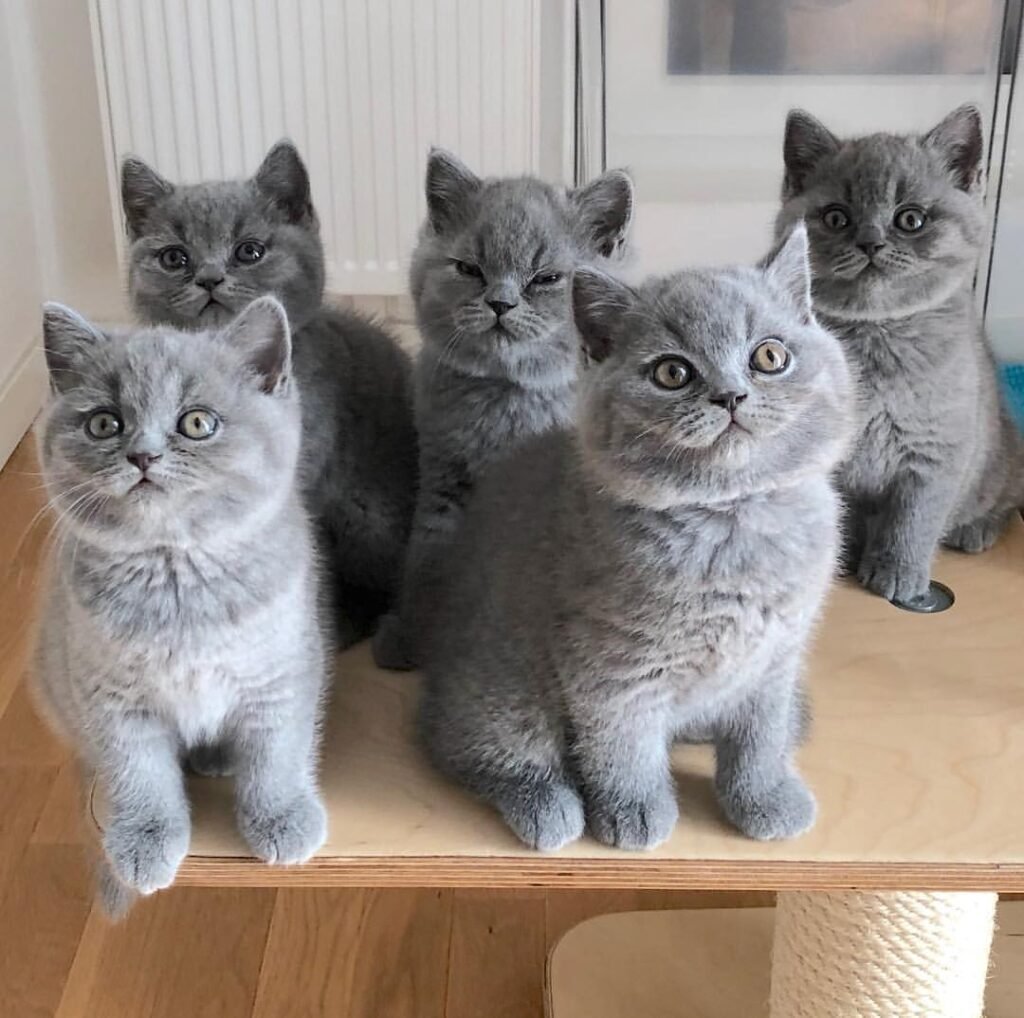
Bringing a British Shorthair kitten into your home can be an incredibly rewarding experience, but it’s essential to be well-informed before making this commitment. Known for their charming personalities and distinct appearance, these cats have specific needs and characteristics that potential owners should understand. From health considerations and grooming requirements to the importance of finding a reputable breeder, this article outlines ten must-know facts that will help you prepare for and navigate the journey of welcoming a British Shorthair into your family. Whether you are a first-time cat owner or an experienced feline enthusiast, these insights will guide you in making a responsible and loving choice.
Understanding the British Shorthair Breed
History and Origins
The British Shorthair has a lineage that can be traced back to ancient Rome, where they were bred for their hunting prowess. These felines were all the rage in Victorian times, when fancy cat shows were the hottest events in town (move over, Paris Fashion Week). They were recognized as a breed in the late 19th century, and since then, they’ve been charming cat lovers with their rounded faces and dense coats. Think of them as the classic rock stars of the cat world—timeless and always in style.
Physical Characteristics
If you’re looking for a cat that could double as a fluffy basketball, the British Shorthair is your go-to. They have a stocky build, round face, and big, expressive eyes that can melt your heart in seconds. Their dense coat, which comes in a variety of colors, is like the blanket you never want to leave. Plus, their adorable chubby cheeks give them a permanent “I just saw a laser pointer” look that’s impossible to resist.
Personality Traits
British Shorthairs are like the cool, laid-back friends everyone wishes they had. They’re known for being friendly yet independent, striking the perfect balance between affection and aloofness. They enjoy cuddles but won’t demand your attention like a needy toddler (thank goodness). They’re also quite playful, so keep those feather toys handy. Just remember, they appreciate a good nap as much as a game of chase, so don’t be surprised if they flop over mid-play!
Health Considerations and Common Genetic Issues
Common Health Problems
Just like that suspicious-looking leftovers in the fridge, British Shorthairs come with their own set of health quirks. They are prone to certain genetic conditions, such as hypertrophic cardiomyopathy (a fancy term for heart issues) and obesity (because who can resist those treats?). Regular monitoring and a balanced diet can help keep these potential pitfalls at bay.
Regular Veterinary Care
Taking your British Shorthair for regular check-ups is as essential as getting your car serviced. Routine visits will help catch any health issues early, ensuring your kitty stays spry and sassy. Keeping their vaccinations up to date is crucial too—after all, nobody wants to bring home a “party crasher” in the form of a virus.
Vaccination and Preventive Measures
Vaccinations are your British Shorthair’s ticket to a healthy life filled with chin scratches and playful antics. Make sure to follow your vet’s vaccination schedule and consider preventive measures like flea and tick treatments. Think of it as cat-armor: protecting your furry friend from the little invaders trying to raid their territory!
The Importance of Reputable Breeders
Identifying a Responsible Breeder
Finding a reputable breeder is crucial—like searching for a needle in a haystack, but with fur. Look for breeders who are passionate about the breed, provide a loving environment, and prioritize health testing. They should willingly show you their breeding facilities and let you meet the kittens’ parents—because who doesn’t love a good family reunion?
Questions to Ask the Breeder
When speaking to a prospective breeder, channel your inner detective. Ask about health screenings, the kitten’s socialization process, and any potential genetic issues. Don’t hesitate to dive into their breeding practices. A good breeder will be more than happy to share their knowledge; if they seem evasive, it’s a red flag (and not the good kind).
Red Flags to Watch Out For
Beware of breeders who offer multiple breeds, have cleanliness that rivals a college dorm room, or push you to decide on a kitten faster than you can say “catnip.” Also, if they don’t provide health guarantees or refuse to let you meet the kittens in person, it’s time to run for the hills (or at least to another breeder).
Costs Involved in Owning a British Shorthair
Initial Purchase Price
The price of a British Shorthair kitten can vary widely, depending on factors like pedigree, breeder reputation, and location. On average, expect to invest anywhere from $1,000 to $2,500. It might sound steep, but remember, you’re not just buying a kitten; you’re investing in a fluffy bundle of joy (and occasional chaos).
Ongoing Costs (Food, Vet Care, etc.)
Beyond the initial purchase, brace yourself for ongoing costs. Quality cat food, regular vet visits, grooming, toys, and scratching posts all add up. In a nutshell, expect to spend a few hundred dollars each year to keep your British Shorthair well-fed and healthy. But the joy they bring? Priceless.
Unexpected Expenses
No one likes surprises—unless they include pizza deliveries. For your British Shorthair, however, unexpected costs can pop up, such as emergency vet visits or that random toy your kitty decided to eat. It’s wise to set aside an emergency fund because you never know when your cat will decide to embrace their inner daredevil!
Socialization and Temperament
Interactions with Other Pets
British Shorthairs are known for their calm demeanor, making them generally easy to introduce to other pets. However, a gentle introduction is key! Allow them to sniff each other’s noses (yes, it’s as adorable as it sounds) and supervise their interactions initially. Their laid-back nature can often make them the peacekeepers in a multi-pet household. Just be prepared for the occasional standoff if your other pet gets a little too rambunctious!
Getting Along with Children
If you have little ones running around, you’ll be pleased to know British Shorthairs usually handle kids pretty well. They’re known for being tolerant and easygoing. Just remember, they’re not plush toys—so teaching children to respect their space is crucial. Supervised playtime can lead to delightful friendships, filled with endless snuggles and soft purrs. Plus, your kitten may become a patient companion to your aspiring little humans.
Training and Behavioral Tips
Training a British Shorthair can be both fun and rewarding! They are intelligent and capable of learning basic commands and tricks, though they might prefer their own schedule. Positive reinforcement is the name of the game. Treats, cuddles, and a little playtime can go a long way. Also, keep an eye out for any naughty behavior—these kitties may occasionally test the limits. Consistency is key, so stay firm (but fun) in your approach!
Grooming and Maintenance Needs
Brushing and Coat Care
With their plush, dense coats, British Shorthairs require a bit of TLC to keep them looking dapper. A weekly brushing session is usually enough to keep those loose hairs at bay and maintain their coat’s soft texture. Consider it quality bonding time—just don’t forget the treats afterward, for both of you, of course!
Bathing and Nail Trimming
Bathing a British Shorthair isn’t typically necessary unless they get into something sticky (or you really want to test their patience!). A sponge bath with a damp cloth usually suffices. As for nail trimming, aim for every few weeks. Get them accustomed to it early on, and you’ll earn a few extra cuddles for your effort. Just think of it as a spa day for your kitty!
Dental Health and Care
Dental health is important for your British Shorthair’s overall wellbeing. Regular brushing (yes, they make cat toothpaste) can help prevent dental issues. Look for dental treats that scrub away plaque while winning your kitten’s heart. A yearly vet check-up will also keep their pearly whites in check. After all, a good smile is a purring cat’s best accessory!
Dietary Requirements and Nutrition
Choosing the Right Cat Food
Selecting the right cat food is like picking a fine wine—there’s a lot out there, and quality matters! Look for high-protein options with real meat as the first ingredient. Avoid fillers like corn and soy; your British Shorthair needs the good stuff. Consult your vet for specific dietary recommendations, especially if your kitten has specific needs. Think of it as a gourmet meal plan that keeps them healthy and happy!
Feeding Schedule and Portions
Consistency is key when it comes to feeding your British Shorthair. Aim for two meals a day, spaced out to avoid transforming that adorable ball of fluff into a mini bowling ball. Follow the feeding guidelines on the food packaging, but don’t hesitate to adjust based on your kitten’s activity level and growth. After all, no one likes an overly enthusiastic kitty dance during mealtime!
Supplements and Treats
While a well-balanced diet is essential, a few supplements can also give your British Shorthair a boost. Omega fatty acids can do wonders for their coat, while certain probiotics can help with digestion. And let’s not forget about treats—these can be great for training but should be given sparingly. Your kitten will appreciate the gesture, and you’ll have a furry friend who knows how to “earn” their snacks!
Preparing Your Home for a New Kitten
Creating a Safe Environment
Before your British Shorthair arrives, take a little time to make your home kitten-proof. Secure loose wires, eliminate small choking hazards, and ensure any toxic plants are out of reach. Set up a cozy nook with a bed, litter box, and toys (the fun ones, not the ones that could double as a choking hazard). Your home should feel like a serene, safe haven for your new fluffy roommate.
Essential Supplies You’ll Need
Stock up on supplies to ensure your kitten feels at home from day one. You’ll need a litter box, high-quality cat food, water dishes, scratching posts, and a variety of toys (because, let’s face it, your kitten deserves options). Don’t forget a comfy bed or blanket where they can stretch out and snooze like the royalty they are!
Introducing Your New Kitten to the Home
When it’s finally time to introduce your new British Shorthair to their new palace, take it slow. Let them explore their surroundings at their own pace—no need to rush the royal tour. Offer them a cozy spot to retreat to if they feel overwhelmed. Patience is critical during this transition. Soon enough, your kitten will be strutting around, claiming their territory with all the confidence of a true monarch! In conclusion, owning a British Shorthair kitten can bring joy and companionship to your life, but it is crucial to approach the responsibility with knowledge and preparation. By understanding their unique needs, health considerations, and the importance of a good breeder, you can create a nurturing environment for your new feline friend. Remember, investing time and effort into their care will lead to a rewarding and fulfilling relationship with your British Shorthair for years to come.
Frequently Asked Questions
1. How much does a British Shorthair kitten typically cost?
The price of a British Shorthair kitten can vary widely depending on the breeder, lineage, and location, but you can generally expect to pay between $1,000 to $2,500.
2. Are British Shorthairs good with children and other pets?
Yes, British Shorthairs tend to have a calm and friendly temperament, making them great companions for children and other pets when properly socialized.
3. How often should I groom my British Shorthair?
British Shorthairs have dense coats that require regular grooming. It is recommended to brush them at least once a week to reduce shedding and prevent matting.
4. What should I feed my British Shorthair kitten?
A high-quality, well-balanced kitten food that is rich in protein and nutrients is essential for a growing British Shorthair. Consult your veterinarian for specific dietary recommendations tailored to your kitten’s needs.