
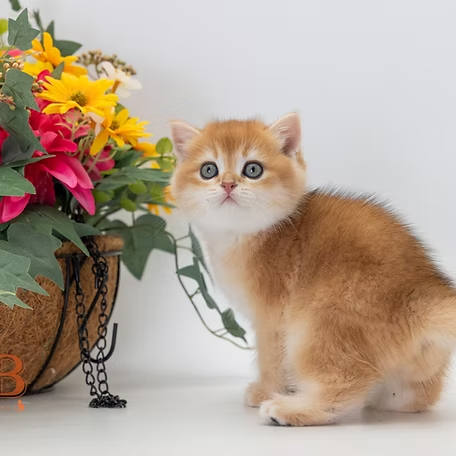
Brown British Shorthairs are not only known for their stunning appearance and unique coloration, but they also possess a temperament that makes them ideal companions for families. With their affectionate nature and playful disposition, these cats seamlessly adapt to various home environments, providing love and companionship to both children and adults. This article explores the many reasons why Brown British Shorthairs make great family pets, delving into their personality traits, care requirements, and interactions with family members. Whether you’re considering adding a furry friend to your household or simply curious about this charming breed, you’ll discover the numerous benefits of welcoming a Brown British Shorthair into your home.
Introduction to Brown British Shorthairs
Overview of the Breed
The Brown British Shorthair is a charming feline with a robust frame and a personality that’s as rich as its color. Originally hailing from the UK, this breed boasts a history steeped in charm and grace, making them one of the most beloved cat breeds around. With their round faces and dense coats, these cats have a way of commanding attention and affection without even trying.
Unique Coloration and Appearance
As their name suggests, Brown British Shorthairs are known for their striking brown coats, which can range from a warm chocolate to a darker, almost espresso hue. Their plush, dense fur gives them a teddy bear-like appearance that practically begs for cuddles. Add in their round, copper-hued eyes, and you’ve got a cat that’s as visually appealing as it is cuddly. They’re basically the feline equivalent of a cozy sweater in a cup of hot cocoa: universally pleasing and irresistibly comforting.
Temperament and Personality Traits
Affectionate Nature
Brown British Shorthairs are known for their sweet, affectionate nature. They may not be the type to follow you around like a lost puppy, but you can bet they’ll happily curl up next to you while you binge-watch the latest true crime docuseries. They’re the kings and queens of quiet love, bringing a sense of calm and companionship to any family setting.
Playfulness and Energy Levels
Don’t let their laid-back demeanor fool you: these cats have a playful side that can emerge at any moment. Brown British Shorthairs possess an energy level that falls comfortably between couch potato and rambunctious kitten. They enjoy interactive play sessions with feather toys or laser pointers, but also appreciate a good nap in a sunbeam. It’s the perfect balance, really—endearing couch companions by day, playful mischief makers by night.
Independence vs. Social Needs
One of the most appealing traits of Brown British Shorthairs is their independence. These cats are perfectly content to entertain themselves while you’re busy—whether that’s napping or plotting world domination from the highest bookshelf. However, they also enjoy social interaction and will gladly accept pets and loved ones when the mood strikes. They are the perfect blend of introvert and extrovert, making them a versatile addition to any family.
Adaptability to Family Environments
Living in Various Home Sizes
Brown British Shorthairs are incredibly adaptable when it comes to living spaces. Whether you’re in a cozy studio apartment or a sprawling suburban home, these cats thrive in various environments. They appreciate having space to explore but are just as happy lounging in a sun-drenched window, observing the outside world like a furry little philosopher.
Compatibility with Different Family Dynamics
Family dynamics? No problem! Brown British Shorthairs get along fabulously with kids, adults, and even other pets. They’re known for their gentle disposition, making them suitable companions for families with young ones. They can handle the occasional tug on their tail and are adept at sharing their space with other furry friends. Whether you’re a bustling family or a quiet couple, they’re sure to fit right in.
Maintenance and Care Requirements
Feeding and Nutrition Needs
To keep your Brown British Shorthair in top shape, it’s important to feed them a balanced diet that meets their nutritional needs. High-quality cat food is a must, preferably one that includes real meat as the main ingredient. Regular feeding schedules and portion control will help keep them healthy and prevent those adorable little potbellies from turning into something less cute.
Grooming and Coat Care
Thanks to their short, plush coats, grooming your Brown British Shorthair is a breeze. A good brushing once a week will help remove loose fur and keep their coat looking pristine. Plus, it’s a great excuse to bond with your feline friend! Just be prepared for the occasional cat hair tumbleweed rolling through your living room—it’s all part of the fun!
Regular Veterinary Check-ups
Like all pets, your Brown British Shorthair will require regular veterinary check-ups to ensure they stay healthy and happy. Routine vaccinations, dental care, and preventative treatments are key to keeping your kitty in tip-top shape. Think of these visits as an opportunity to show off your beloved pet to the entire vet staff—they’ll be the star of the show!
Interactions with Children and Other Pets
Gentle Behavior with Kids
Brown British Shorthairs are like the gentle giants of the feline world—big on charm and low on chaos. Their calm demeanor makes them fantastic companions for children. These cats are known for being patient and tolerant, even when a little one decides that their tail is the next great toy. While no cat is a fan of being manhandled, Brown British Shorthairs handle the occasional tug and pull with the grace of a seasoned diplomat. Teaching kids how to interact respectfully with their furry friends can foster a loving relationship that lasts for years.
Getting Along with Other Pets
If you already have a household full of furry companions, fear not. Brown British Shorthairs typically play well with others, whether it’s fellow cats, dogs, or even that goldfish in the bowl (though the goldfish might be a bit indifferent). Their easy-going nature means they adapt well to different social dynamics, and while they may not want to be best buds with everyone, they usually won’t rock the boat. Just remember to introduce them slowly and respect their preferences; these cats like their personal space, even in a multi-pet household.
Health Considerations and Lifespan
Common Health Issues
Like any breed, Brown British Shorthairs come with their own set of health considerations. They can be prone to certain hereditary conditions, like hypertrophic cardiomyopathy (a fancy term for heart disease) and hip dysplasia, which sounds like a villain from a sci-fi movie but is just a common joint issue. Regular vet check-ups and a healthy diet can help keep your feline in tip-top shape. Remember, a happy cat is a healthy cat, and you want to avoid any drama that could result from a sickly sidekick!
Average Lifespan and Factors Affecting It
On average, you can expect your Brown British Shorthair to live between 12 to 15 years. But like a long-running TV series, some cats exceed expectations and can live well into their late teens. Factors such as diet, exercise, genetics, and how much love you shower them with can all play a significant role in determining how long your furry friend stays by your side. The bottom line? Keep them well-fed, entertained, and loved, and they’ll stick around for many seasons to come.
Training and Socialization Tips
Basic Training for Good Behavior
Training a Brown British Shorthair might sound like attempting to teach your aunt to use a smartphone—difficult but not impossible. Start with the basics: litter box training is generally a breeze, as they have a natural inclination for cleanliness. Commands like “come” and “stay” can be taught with some patience and, of course, treats. These cats are clever cookies, and they appreciate mental stimulation. So, keep those training sessions short, sweet, and rewarding, and your cat might just surprise you with their ability to listen (or at least pretend to).
Importance of Early Socialization
Socializing your Brown British Shorthair when they’re young is crucial for shaping their personality. Exposing them to various environments, people, and sounds can help them grow into well-rounded adults. Think of it as the feline version of getting them into a good school, where they learn to be friendly and adaptable. A well-socialized cat is less likely to exhibit anxiety or aggression, so go ahead and invite some friends over, play some music, or take them on short car rides (provided they don’t vomit in the process). The more experiences, the better!
Conclusion: The Ideal Family Companion
Summary of Key Benefits
In summary, Brown British Shorthairs are the total package for family pets: they’re gentle with kids, sociable with other pets, less likely to break the bank in vet bills, and they come with a side of cuteness that’s hard to resist. Their affectionate and easy-going nature makes them a great addition to any household looking for a furry friend to cuddle with.
Final Thoughts on Choosing a Brown British Shorthair
If you’re on the fence about adopting a Brown British Shorthair, just remember that you’re not just getting a cat; you’re gaining a fluffy family member who will likely become the center of your home. With their charm and loving nature, they can turn any house into a home. So, if you’re ready for some cat cuddles and purring companionship, this breed might just be the perfect choice for your family!In conclusion, Brown British Shorthairs are exceptional family pets that bring joy, love, and companionship to any household. Their friendly and adaptable nature makes them a perfect fit for families of all sizes, while their relatively low maintenance requirements make them easy to care for.
Frequently Asked Questions
1. Are Brown British Shorthairs good with children?
Yes, Brown British Shorthairs are known for their gentle and affectionate nature, making them great companions for children. They typically enjoy interacting with kids and can handle playful behavior well.
2. How much exercise do Brown British Shorthairs need?
Brown British Shorthairs have a moderate energy level. Regular playtime and interactive toys can help keep them physically and mentally stimulated, but they do not require extensive exercise like some other breeds.
3. Do Brown British Shorthairs have any common health issues?
While generally healthy, Brown British Shorthairs can be prone to certain genetic conditions, such as hypertrophic cardiomyopathy (HCM). Regular veterinary check-ups and a healthy diet can help manage their overall health.
4. How do I groom a Brown British Shorthair?
Brown British Shorthairs have a dense coat that requires minimal grooming. Regular brushing once a week can help reduce shedding and keep their coat healthy. Additionally, routine nail trimming and dental care are essential.