
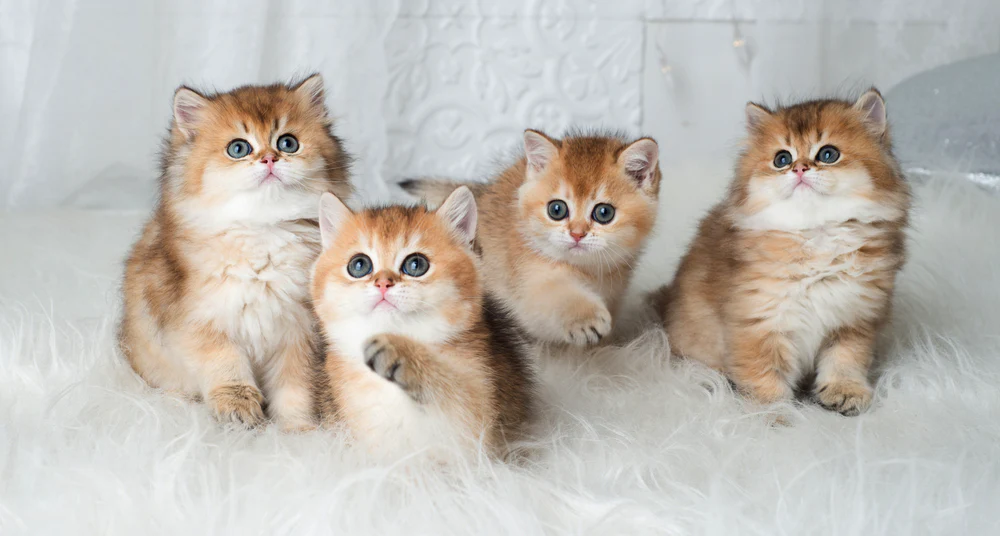
Training a Brown British Shorthair, from its playful kitten days to its graceful adult years, can be a rewarding journey filled with companionship and joy. Known for their charming personalities and distinctive appearance, these cats thrive on consistent guidance and positive reinforcement. Whether you’re a first-time pet owner or a seasoned feline enthusiast, understanding the unique characteristics of the Brown British Shorthair is essential for effective training. This article will provide you with valuable tips and strategies to nurture your cat’s development, ensuring a harmonious and enriching relationship that lasts a lifetime.
Understanding the Brown British Shorthair: Characteristics and Temperament
Physical Traits and Appearance
The Brown British Shorthair is as cuddly as it is charming. With a plush coat that resembles a teddy bear (not that we’re suggesting you cuddle up with a toy), this breed boasts a round face, thick neck, and muscular build. Their eyes, often a striking copper or gold, have a way of making you feel both adored and slightly judged—classic cat behavior. And let’s not forget those adorable chunky paws that seem to beg for high-fives!
Personality Traits
If you’re looking for a feline friend who’s as laid-back as a Sunday afternoon, you’ll find that in the Brown British Shorthair. These cats are known for their calm demeanor and affectionate nature. They’re not overly demanding, yet they enjoy spending time with their humans—consider them the ultimate couch potato sidekick. Plus, their intelligence means they can be both playful and mischievous, keeping you entertained without turning your furniture into a scratching post.
Common Behavioral Characteristics
Brown British Shorthairs are known for their gentle and friendly disposition. They often get along well with children and other pets, making them a wonderful addition to any family. However, don’t be fooled by their easygoing nature; these cats can be quite the observers, sizing up their territory with a critical eye. They’re curious critters who may occasionally engage in “stealth mode” to stalk your unsuspecting feet from behind the couch.
Preparing for Your Kitten: Essential Supplies and Environment Setup
Necessary Supplies for Your Kitten
Before your new furry friend arrives, you’ll want to stock up on the essentials. Think litter box (with litter, of course), food and water dishes, high-quality kitten food, scratching posts, toys, and a cozy bed. Pro tip: avoid anything that sparkles too much—your kitten might think they’ve just discovered the world’s greatest toy and attempt to turn your jewelry into their playthings!
Creating a Safe and Stimulating Environment
Your kitten deserves a home that’s both safe and stimulating. Begin by kitten-proofing your space—remove any hazardous items within paw’s reach, like toxic plants or cables that could turn into a chew toy. Next, set up climbing trees and engaging toys to satisfy that adventurous spirit. Remember, a bored kitten is a destructive kitten, so sprinkle in a variety of toys to keep their curious paws busy!
Establishing a Routine
Kittens thrive on routine—think of it as their version of a daily soap opera, minus the melodrama. Establish consistent feeding times, play sessions, and litter box checks to give your kitten a sense of security. And yes, this includes those all-important cuddle breaks. Having a predictable schedule will help your little one feel more at home and make the transition into adulthood smoother (and you’ll be the hero of their story).
Socialization Strategies: Early Interactions and Experiences
Introducing Your Kitten to New People and Pets
It’s important to slowly introduce your kitten to new people and furry companions to help them build confidence. Start by allowing your kitten to observe newcomers from a safe distance, giving them the opportunity to decide when they’re ready for a closer encounter. When encountering other pets, supervise their interactions closely—this isn’t the time for a wrestling match! Provide treats and gentle encouragement to create positive associations with their new friends.
Exposing Your Kitten to Different Environments
Getting your kitten accustomed to various environments is crucial for their social development. Gradually introduce them to different rooms in your home and, once they’re comfortable, venture outside for brief experiences (safely harnessed, of course!). The goal is to ensure they adapt to new sounds, sights, and even the occasional rogue leaf, building their confidence as they explore the big, exciting world.
Positive Reinforcement Techniques
Positive reinforcement is your best friend when it comes to training. Reward your kitten with treats, praise, or their favorite toy when they exhibit desired behaviors. This not only encourages good habits but also deepens your bond with your little one. Just remember: treats are great, but you may want to avoid giving them the entire bag—no one wants a kitten that thinks they’re a mini sumo wrestler!
Basic Training Techniques: Commands and House Rules
Teaching Basic Commands
Much like teaching a child the importance of “please” and “thank you,” teaching your kitten basic commands helps establish good manners. Words like “sit” or “come” can be taught using treats and patience. Keep training sessions short and playful—who knew learning could be so fun? Just prepare for the possibility that your kitten may sit only for snacks and not out of obedience!
Establishing Litter Box Training
Litter box training is usually a piece of cake with kittens, as they have a natural instinct to bury their business. Place them in the litter box after meals and naps, and if they have an accident (which will happen—no judgment here), gently place them back in the box without creating a fuss. If they look at you like you’re trying to send them to the moon, remember: patience is key!
Setting House Rules and Boundaries
Setting house rules is essential for maintaining harmony in your home. Decide early on if your kitten will be allowed on furniture or in certain rooms, and be consistent with these boundaries. Sticking to the rules ensures your kitten doesn’t develop a belief that they’re the ruler of the household (even if they may think they are!). And remember, consistency is crucial—don’t let them frolic on the kitchen counter one day and scold them for it the next. You’ll just confuse the poor little fuzzball!
Addressing Behavioral Issues: Common Challenges and Solutions
Aggression and Playfulness
As your Brown British Shorthair matures, you might notice flare-ups of play aggression, especially during those witching hours of the night when they’ve mistaken your legs for the ultimate plaything. To channel that feisty energy, invest in interactive toys like feather wands or laser pointers—just ensure you let them “catch” the prey occasionally to keep their little egos intact. If aggression becomes a concern, consider rewarding calm behavior with treats and gentle praise, steering them away from the instinct to pounce on unsuspecting feet.
Scratching and Clawing
Ah, the sacred rite of scratching! While your Brown British Shorthair may have a fondness for your favorite chair (trust me, it’s not personal), it’s essential to redirect this behavior. Provide scratching posts or pads with enticing textures and scents. When they scratch something they should, reward them—because who doesn’t love a round of applause for making the right choice? If they persist on your furniture, gently relocate them, and remind them that those claws have a more suitable canvas elsewhere.
Overcoming Fear and Anxiety
If your feline seems more frightened than a cat in a room full of rocking chairs, it’s time to step in. Gradually desensitize them to whatever might be causing the anxiety, whether it’s loud noises or the neighbor’s dog. Create a safe haven—a cozy spot with their favorite blanket or toy where they can retreat if the world feels overwhelming. Using calm, soothing voices and slow movements can work wonders. A little patience and consistency can help calm even the most anxious of whiskers.
Transitioning to Adulthood: Adjusting Training Approaches
Recognizing Maturity Signs
As your Brown British Shorthair transitions from kittenhood to adulthood, you may notice they’ve swapped their outrageous energy levels for a more refined demeanor—think less tornado, more cool breeze. Signs of maturity include increased independence, longer attention spans, and a preference for lounging over leaping. Recognizing these signs will help you adjust your training techniques to align with their newfound sophistication (and maybe a bit of snobbery).
Updating Training Techniques
With maturity comes a shift in perspective—your once rambunctious kitten may now demand a bit more respect when it comes to training. Adapt your techniques to match their adult sensibilities. Incorporate more complex commands, but remember that positive reinforcement is still key. Adult cats are less likely to respond well to traditional discipline, so keep those treats handy and sprinkle them liberally to reinforce good behavior.
Maintaining Behavioral Standards
Just because they’ve sprouted into adulthood doesn’t mean you can throw caution—*and rules*—to the wind! Consistency is critical in maintaining those hard-won standards of behavior. Reinforce boundaries while still allowing them room for self-expression. Continuing to practice basic commands and good manners will ensure your lovable furball doesn’t become the “problem cat” in the neighborhood. A little structure goes a long way!
Ongoing Mental and Physical Stimulation: Activities for a Happy Cat
Interactive Toys and Games
Keep your Brown British Shorthair’s brain engaged and their body active with interactive toys and games. Puzzle feeders are a fabulous way to combine the two, turning mealtime into a stimulating challenge. Rotate toys every few weeks to keep things fresh and exciting. And don’t underestimate the power of a good old-fashioned cardboard box—because who doesn’t love a good box?
Outdoor Activities and Exploration
If your curious kitty is showing signs of wanderlust, consider supervised outdoor adventures. Harness training can be an effective way to let them explore the great outdoors safely. Allow them to sniff around and take in the sights—just be cautious of any sudden squirrel sightings! A stroll in the garden or a secure outdoor cat enclosure offers fresh air and a wealth of stimuli without risking their safety.
Engaging with Other Pets
Socialization is vital for maintaining a happy feline. If you have other pets, encourage positive interactions but remember to supervise at first to avoid any fur-flying tussles. Playdates can be great for their emotional health, providing companionship and stimulation. Just like us humans, they need a little buddy time to flourish—whether that be lounging, chasing, or plotting world domination (the usual cat stuff).
Health and Wellness: Incorporating Training with Care Routines
Regular Veterinary Check-ups
Keeping your Brown British Shorthair healthy starts with regular vet visits. These check-ups are essential for vaccinations, but they’re also a golden opportunity to discuss any behavioral changes or concerns. Remember, a healthy cat is a happy cat, and a happy cat is much more likely to follow your training!
Nutrition and Diet Considerations
An adult cat’s nutritional needs evolve over time. Transition to a high-quality diet that caters to their changing metabolism and energy levels. Consulting with your veterinarian about appropriate food options will keep your cat in tip-top shape, so they can leap, chase, and grace your life with their presence for years to come. Portion control is also important—because no one likes an overly plump kitty, not even them!
Exercise Routines for Physical Health
Just like we need to hit the gym (or at least our couch on lazy days), your furry friend also needs regular exercise. Incorporate daily play sessions to keep their muscles toned and their hearts happy. Whether it’s a dash around the house or an epic game of chase, those little bursts of activity keep their weight in check and their minds sharp. Plus, it gives you both a great excuse to take a break from the responsibilities of adulting! In conclusion, training your Brown British Shorthair is a vital aspect of fostering a loving and well-adjusted companion. By understanding their unique traits and adapting your training techniques as they grow, you can build a strong bond based on trust and communication. Remember to be patient and consistent, celebrating their achievements along the way. With the right approach, you’ll not only enhance their behavior but also enrich your shared experiences, making every moment together truly special.
FAQ
What is the best age to start training my Brown British Shorthair kitten?
It is ideal to start training your Brown British Shorthair kitten between 8 to 12 weeks old, as this is a critical period for socialization and learning. Early training helps them adapt better to their environment and develop good behaviors.
How do I handle behavioral issues like scratching or aggression?
Address behavioral issues by understanding their triggers and redirecting their energy towards appropriate activities. Providing interactive toys and using positive reinforcement can help discourage unwanted behaviors. If problems persist, consider consulting a professional trainer or veterinarian.
Can I train my adult Brown British Shorthair to learn new commands?
Yes, adult Brown British Shorthairs can learn new commands, although it may require more patience than with a kitten. Use positive reinforcement techniques, such as treats and praise, to encourage them during the training process.
How much exercise does a Brown British Shorthair need daily?
Brown British Shorthairs typically require moderate exercise, around 20 to 30 minutes per day. Engage them in interactive play sessions and provide opportunities for mental stimulation to keep them healthy and happy.