
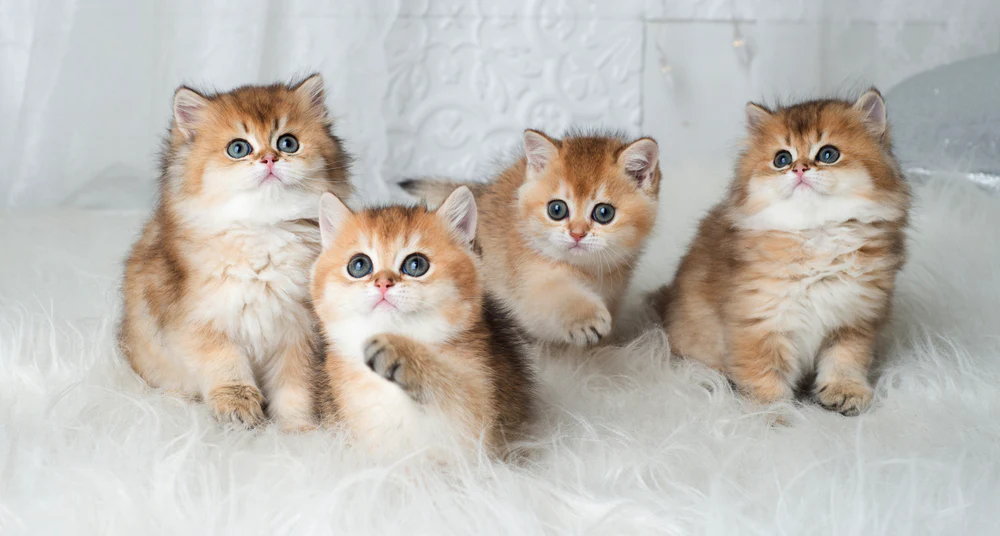
The Brown British Shorthair is a captivating breed that has recently captured the hearts of cat lovers across the United States. Known for their stunning, plush coats and round faces, these felines exude an air of charm and elegance that makes them irresistible companions. With their gentle temperament and playful nature, Brown British Shorthairs are not just pets; they become cherished members of the family. As more people discover the unique appeal of this breed, the demand for these adorable cats is on the rise, making them one of the most sought-after companions in homes nationwide. This article will explore the history, characteristics, care requirements, and the reasons behind their growing popularity in the U.S.
Introduction to Brown British Shorthairs
Overview of the Breed
Brown British Shorthairs are the epitome of feline charm, often described as plush teddy bears with a personality to match. With their round faces, dense coats, and stocky build, these cats are not just easy on the eyes but also sport a robust demeanor. They hail from Britain and are known for their calm and gentle nature, making them perfect cuddle buddies for anyone needing a soft paw to lean on.
Why They Are Gaining Popularity
It seems America can’t get enough of these dapper felines! As people increasingly seek low-maintenance yet affectionate pets, the Brown British Shorthair has stepped into the spotlight. Their devilishly handsome looks, combined with a temperament that’s as chill as a late Sunday morning, make them the purr-fect addition to any home. Plus, who can resist those big, round eyes that seem to be perpetually plotting world domination (or at least the commandeering of your lap)?
History and Origins of the Breed
Early Beginnings in Britain
The Brown British Shorthair has a lineage that reads like a royal family tree, tracing back to ancient Rome when cats were celebrated for their hunting skills. However, it was in Britain, in the late 19th century, where this breed began to develop its unique charm. The British cat fancy took off, and these sturdy little furballs quickly became a beloved staple.
Evolution Over the Years
As the years rolled on, the breed saw some serious glamour upgrades thanks to selective breeding. From their rugged, wild ancestors, they evolved into the plush and stocky companions we adore today. Their standardization in cat shows solidified their place in the hearts and homes of many — turning them from mere companions into show-stopping celebrities in the feline world.
Distinctive Characteristics of Brown British Shorthairs
Physical Appearance
When it comes to the physical attributes of the Brown British Shorthair, think of a marshmallow in a tuxedo. These cats have rounded heads, short necks, and thick, muscular bodies that speak to their robust heritage. Their short, powerful legs and wide-set paws give them a solid, stable stance, while their big, expressive eyes are often the color of melted chocolate — irresistible!
Coat Color and Patterns
The coat of a Brown British Shorthair is a cozy delight, short and dense, providing a cuddle-worthy experience that’s hard to resist. Their color is a rich, deep brown that can range from a warm caramel to almost a chocolate hue, often with subtle shading. While solid brown is the classic look, some may sport faint tabby markings, adding an extra touch of feline flair to their already stylish appearance.
Temperament and Personality Traits
Affectionate Companions
Brown British Shorthairs are known for their sweet, affectionate nature that makes them wonderful companions. They’re not the kind of cats who will ignore you in favor of a sunbeam; instead, they seek out your lap like it’s their throne. Their calm demeanor means they can snuggle through anything — from Netflix marathons to intense reading sessions of your grocery list.
Playfulness and Intelligence
Don’t let their chill vibe fool you; these cats are smart cookies! Brown British Shorthairs have a playful side that shines, especially in their younger years. They enjoy interactive playtime, whether it’s chasing a feather toy or batting around a crumpled piece of paper. Their intelligence means they can also pick up tricks (yes, you can teach them to fetch… kind of) and are always eager to engage in a mental challenge, such as outsmarting you for that last piece of pizza.
Care and Maintenance Requirements
Feeding and Nutrition
Brown British Shorthairs are like tiny furry kings who demand a well-rounded diet fit for royalty. Their ideal meal plan includes high-quality dry kibble and wet food that’s rich in protein and low in carbs. Aim for a mix that keeps their thick little bodies healthy and happy—nobody likes a chubby kitty! Always consult with your veterinarian to find the best food that meets your specific cat’s age, weight, and personality. You might want to keep those delightful treats for special occasions unless you want to see your cat strutting around like it owns the place!
Grooming and Hygiene
These plush felines have a dense and plush coat that feels like a soft cloud. Thankfully, they don’t require extensive grooming—just a good brushing once a week will do! This helps to eliminate loose fur and reduce hairballs, which can be the bane of any cat owner’s existence. Don’t forget about their adorable faces! Regularly check their ears and wipe their eyes with a damp cloth to keep them looking as regal as they feel. Nail trimming is also essential, especially if they are prone to using your furniture as a scratching post.
Exercise Needs
While they may look like couch potatoes, Brown British Shorthairs are surprisingly playful and need their daily dose of exercise. A few interactive play sessions with feather wands or laser pointers should do the trick. They love to engage in a bit of hunting, so don’t be surprised if they turn into little fur-coated ninjas as they pounce on their favorite toys. Creating an enriching environment with climbing trees and scratching posts can help keep them active and entertained. After all, a tired cat is a happy cat!
Health Considerations for Owners
Common Health Issues
Like any superstar, our fluffy friends may come with a few quirks. Brown British Shorthairs can be predisposed to certain health issues, including hypertrophic cardiomyopathy (a fancy term for heart disease) and obesity. Being aware of these potential problems means you can keep an eye on their health and consult a vet when necessary. Keeping your cat at a healthy weight and monitoring any unusual behaviors is essential for keeping their health in check.
Regular Vet Check-ups
Scheduling regular vet appointments will become your best friend. Routine check-ups will help catch any health concerns early, and vaccinations are crucial to protect your kitty from various diseases. Your vet can provide tailored tips for your Brown British Shorthair to ensure it stays purring happily for years. Besides, nothing beats the satisfaction of seeing your furry companion thrive under your watchful care!
The Growing Popularity of Brown British Shorthairs in the U.S.
Trends in Cat Ownership
There’s a cat revolution happening in the U.S., and it’s all about snuggly, stocky cat breeds like the Brown British Shorthair! As more and more people move toward adopting pets, these adorable felines have become a fashionable choice among cat enthusiasts. They bring a perfect blend of charm, cuddles, and low-maintenance care, making them ideal companions for families, singles, and everyone in between. Plus, their Instagram-ready looks don’t hurt either!
Factors Contributing to Their Rise
What’s fueling their popularity? For starters, their easy-going temperament and enchanting looks make them irresistible. They adapt well to various living situations, whether you live in a spacious house or a cozy apartment. The rise of remote work and people seeking companionship during these times has also led to more adoptions. Add in their playful personalities, and it’s no wonder they’re taking over U.S. homes, one cuddle at a time!
Conclusion: Why Brown British Shorthairs Make Perfect Pets
Summary of Key Attributes
In a nutshell, Brown British Shorthairs are affectionate, charming, and as low-maintenance as a feline can be! They offer a dash of playful energy paired with a love for lounging around, which means they know how to balance life perfectly. Their intelligence and adaptability make them an excellent addition to many households, and they’re bound to steal your heart (and perhaps your snack).
Final Thoughts for Potential Owners
If you’re considering adding a furry friend to your family, the Brown British Shorthair should be high on your list. They might just be the perfect ally in your quest for companionship, laughs, and plenty of snuggles. Just be prepared for the irresistible charm and those cute little cat eyes that will have you wrapped around their paws in no time. Go on, take the leap—your future fluffy couch potato awaits! In conclusion, Brown British Shorthairs are more than just a beautiful breed; they are affectionate, playful, and adaptable companions that fit seamlessly into various lifestyles. Their unique characteristics and charming personalities make them a delightful addition to any home.
Frequently Asked Questions
What is the average lifespan of a Brown British Shorthair?
The average lifespan of a Brown British Shorthair is typically between 12 to 20 years, depending on their health, diet, and care.
Are Brown British Shorthairs good with children and other pets?
Yes, Brown British Shorthairs are known for their gentle and friendly nature, making them great companions for children and other pets when properly socialized.
How much grooming do Brown British Shorthairs require?
Brown British Shorthairs have a dense coat that requires regular grooming, typically once a week, to reduce shedding and maintain coat health.
What are common health issues associated with Brown British Shorthairs?
Common health issues in Brown British Shorthairs include obesity, heart disease, and certain hereditary conditions, so regular veterinary check-ups are essential.