
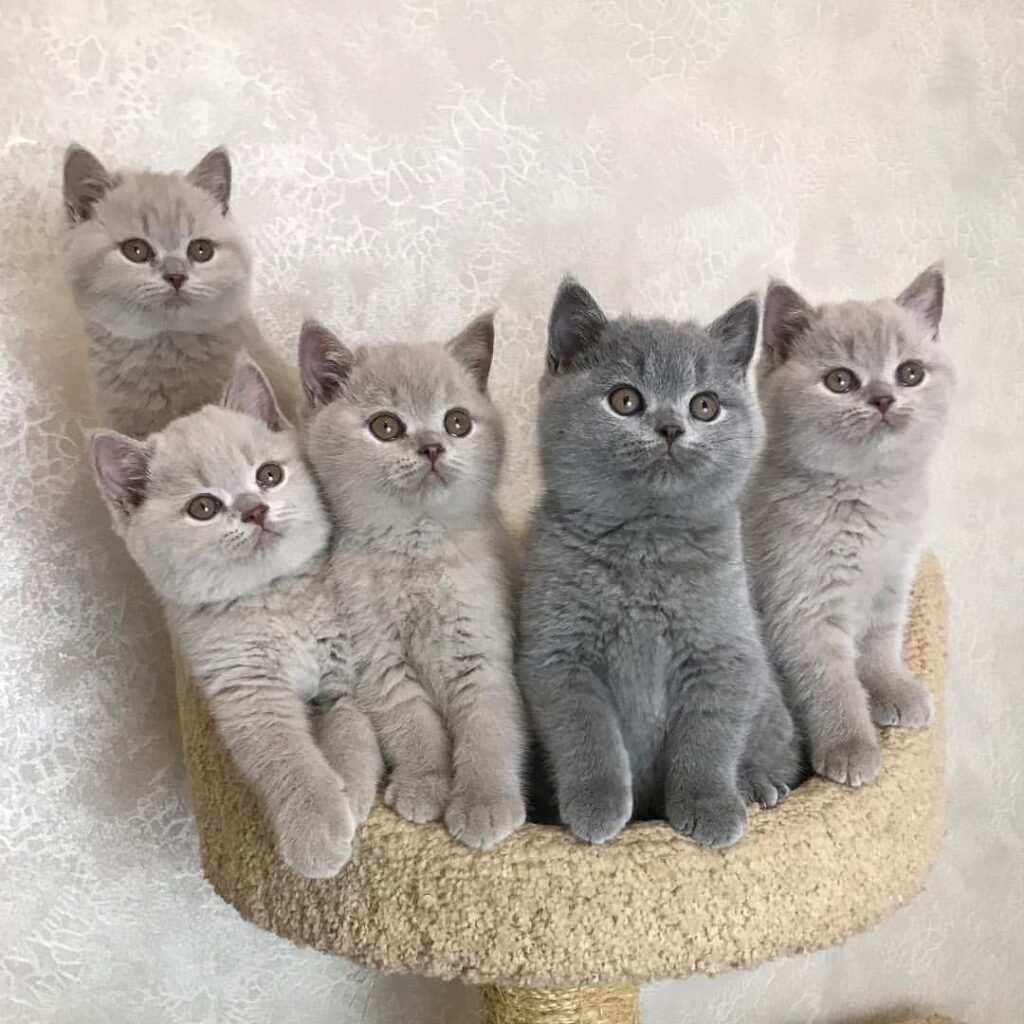
If you’re a cat lover in the U.S. searching for a unique and affectionate feline companion, now is the perfect time to consider the British Shorthair. Renowned for their charming personalities and distinctive appearance, these cats are quickly gaining popularity among pet enthusiasts. However, their availability is becoming limited due to rising demand. In this article, we will explore the captivating traits of British Shorthairs, the current landscape of their availability in the U.S., and essential tips for finding a reputable breeder or adoption option. Don’t miss your chance to welcome one of these delightful cats into your home!
Overview of British Shorthairs
History and Origin
British Shorthairs are the quintessential British feline, with roots tracing back to the ancient Roman invasion of Britain. These sturdy cats were originally bred for their skills in hunting vermin, and over time, they evolved into the charming companions we adore today. Their rugged beginnings have shaped them into the resilient and lovable creatures that’ve won the hearts of many cat aficionados.
Physical Traits
With round faces, chubby cheeks, and a thick, plush coat, British Shorthairs are often described as teddy bears in feline form. They boast a stocky build, solid bones, and muscular bodies that seem to defy the laws of gravity. Their short, dense fur comes in a rainbow of colors, making each cat a unique masterpiece worthy of a gallery showing (or at least an Instagram post).
Temperament and Personality
British Shorthairs are cool cats—literally. They have a calm and laid-back demeanor that makes them delightful companions. Known for their affectionate yet independent nature, they enjoy snuggling with their humans but also value their personal space (don’t we all?). Their playful side can be quite charming, demonstrating that they strike the perfect balance between mellow and mischievous.
Unique Characteristics of British Shorthairs
Distinctive Coat and Colors
The British Shorthair’s coat is a marvel—short, thick, and oh-so-soft, it feels luxurious to the touch. They come in a variety of colors and patterns, from classic blue (which is really just a fancy way of saying gray) to vibrant reds, creams, and everything in between. Their distinctive coat not only adds to their charm but also makes them a hit at cat shows (if that’s your thing).
Eye Color Variations
The eyes of a British Shorthair are nothing short of mesmerizing. They typically have copper or gold eyes, but you might just stumble upon some unique shades of green or blue, especially in color-point variations. These enchanting peepers can almost communicate their thoughts, like “I want food” or “Why are you wearing that ridiculous outfit?”
Body Structure and Size
British Shorthairs are built like tiny tanks—short legs, broad chests, and solid bodies that ground them firmly in their feline kingdom. Adult males usually weigh between 9 to 17 pounds while females are a bit daintier at 7 to 12 pounds. Think of them as the bodybuilders of the cat world, but instead of hitting the gym, they might just prefer lounging on a sunbeam.
Reasons to Choose a British Shorthair
Companionship and Affection
If you’re looking for a furry friend who values quality time but isn’t clingy, the British Shorthair is your perfect match. They form strong bonds with their humans, offering companionship that rivals even the most loyal of dogs. Whether it’s curling up on your lap or opting for a cozy spot in the room, they know how to make you feel appreciated (and slightly adored).
Low Maintenance Grooming
Great news for busy cat parents: British Shorthairs require minimal grooming! Their short, dense coat generally sheds less than other breeds, meaning less sweeping and more snuggling. A weekly brush will keep their fur looking fabulous, and you’ll have more time to devote to their other important needs, like finding the perfect sunbeam.
Adaptability to Home Environments
Whether you live in a bustling city apartment or a cozy suburban home, British Shorthairs adapt like pros. They’re content in small spaces but also enjoy exploring larger areas—just make sure there are no tempting curtains to climb! With their calm demeanor, they tend to adjust easily to various lifestyles, making them a wonderful choice for families or singles alike.
Current Availability in the U.S.
Market Trends and Demand
British Shorthairs have seen a meteoric rise in popularity in recent years, becoming one of the most sought-after breeds in the U.S. This increased demand has led to some serious supply-and-demand juggling—and prices that might make your wallet weep. If you’re head over paws for a fluffy friend, you may need to jump in quickly to secure your spot in the adoption line.
Regional Availability Insights
Availability can vary widely depending on where you live. Urban areas tend to have more breeders and shelters offering British Shorthairs, while rural regions may require a bit more searching. Your best bet? Connect with local breeders, rescue groups, or cat shows to find out where to spot these furry treasures in your neck of the woods.
Waiting Lists and Reservations
Brace yourself—if you’re eager for a British Shorthair, you might need some patience. Many breeders maintain lengthy waiting lists due to high demand and limited litters. It’s not unusual to find yourself signing up months in advance. So if you’re committed to bringing one of these adorable fluffballs home, make your reservation today—or risk settling for a goldfish instead!
How to Find a Reputable Breeder
What to Look for in Breeder Credentials
When searching for a Canadian tuxedo cat—uh, I mean, British Shorthair—credentials are key! Look for breeders who are registered with reputable organizations like The Cat Fanciers’ Association (CFA) or The International Cat Association (TICA). A solid breeder will also have a good understanding of breed standards and health testing practices. They should be able to show you documentation for genetic testing of the parents, because we all want a fluffy bundle of joy who isn’t prone to health issues! Thorough knowledge and transparency should be their middle names.
Questions to Ask Potential Breeders
Before you take a leap into British Shorthair ownership, arm yourself with questions! Ask about their breeding practices: How often do they breed? What’s the socialization process for kittens? A good breeder will be happy to chat about their cats’ personalities—no awkward small talk required! Don’t forget to inquire about the health history of the kittens and their parents. You might also want to know if they offer a return policy; if things don’t work out, you don’t want to be left in a cat-astrophic situation!
Understanding Health Guarantees
Health guarantees can be a cat lover’s best friend. A reputable breeder should provide some sort of health guarantee—typically lasting for at least a year. This usually covers genetic conditions and provides some peace of mind that your new furball is not a ticking time bomb of health issues. Be sure to read the fine print—what’s covered, what’s not, and under what circumstances they’ll take the kitty back. If the guarantee sounds like a riddle, it might be worth looking elsewhere!
Care and Maintenance Tips for British Shorthairs
Feeding and Nutrition Guidelines
Food, glorious food! British Shorthairs have a tendency to be little snack monsters, so take care to feed them a balanced diet tailored to their age and activity level. Look for high-quality cat food that lists meat as the first ingredient—after all, we want cat porpoise, not cat potatoes! Keep an eye on portion sizes to avoid an overstuffed kitty. Treats should be occasional, not a daily buffet—it’s much easier to manage a fluffy cat than a fluffy, round cat!
Routine Health Checks
Just like we visit the doctor every now and then (and try to avoid getting on the scale), your British Shorthair will benefit from routine vet check-ups. These visits can help catch health issues before they snowball into something more serious. Regular vaccinations, dental cleanings, and parasite control should be part of your furball’s health regime. Plus, who doesn’t love getting some extra cuddle time at the vet?
Socialization and Training
While British Shorthairs are known for their easygoing nature, socialization and training are still important. Introduce your kitten to various environments, people, and other pets to help them develop confidence. A little bit of playtime with interactive toys can also contribute to their mental stimulation—because bored cats lead to curtains in shambles! Positive reinforcement is key, so shower them with love (and treats) when they show off their skills. Remember: a well-trained kitty is a happy kitty!
Adoption vs. Buying: What You Should Know
Pros and Cons of Adoption
Adoption can be a rewarding adventure, offering you the chance to give a cat a second chance at a happy life. Plus, many shelters have British Shorthairs just waiting to steal your heart! On the downside, you may not know the cat’s full history or health background, which can lead to surprises down the line (and not the fun kind with balloons). But hey, every love story has its bumps, right?
Benefits of Purchasing from Breeders
Buying from a breeder comes with certain perks, like greater assurance regarding your kitty’s lineage and health. Reputable breeders carefully select for desirable traits, which can make for a happier and healthier pet. You get to choose your perfect fluffball based on personality too! However, this option can come with a heftier price tag—when it comes to British Shorthairs, you might be looking at a luxury car payment instead of a simple studio apartment rent!
Costs Involved in Both Options
Whether adopting or buying, it’s essential to budget for the costs involved. Adoption fees tend to be lower, covering basic vet care, but don’t forget that your new friend will still require food, litter, and regular veterinary care. On the flip side, purchasing from a breeder might hit your wallet harder upfront, but you’ll know more about your kitten’s background. Ultimately, both paths have their expenses and joys—choose what works best for you and your future feline overlord!
Conclusion: Securing Your British Shorthair Today
Final Thoughts on Ownership
Owning a British Shorthair is like inviting a charming, fluffy roommate into your life—one who insists on lounging in the sun and stealing your heart. Remember, with great power comes great responsibility! Owning a cat means commitment, patience, and a sprinkle of adventure. So prepare yourself for snuggles, purring, and the inevitable cat hair that comes with it.
Encouraging Responsible Pet Ownership
Whichever route you choose—adoption or buying—make sure to prioritize the welfare of your future feline friend. Invest time in research, provide a loving home, and consider spaying or neutering to help control the cat population. And don’t forget to share all that love with your new companion! After all, they’ll be there to remind you that you are not just a cat owner but also a cat’s personal butler. So go ahead and grab your British Shorthair—happiness awaits!In conclusion, the British Shorthair is a wonderful addition to any home, offering companionship and charm that is hard to resist. With their limited availability in the U.S., now is the time to act if you’re interested in bringing one of these beautiful cats into your life. Whether you choose to adopt or buy from a reputable breeder, ensure you are making a well-informed decision to provide a loving forever home. Don’t wait too long—secure your British Shorthair today and enjoy the joy they will bring to your life!
FAQ
1. What is the average price of a British Shorthair in the U.S.?
The price of a British Shorthair can vary widely depending on factors such as breeder reputation, lineage, and location, but you can generally expect to pay between $1,500 and $3,000.
2. Are British Shorthairs good with children and other pets?
Yes, British Shorthairs are known for their gentle and laid-back temperament, making them great companions for children and other pets when properly socialized.
3. How much exercise do British Shorthairs need?
British Shorthairs are relatively low-energy cats. They enjoy playtime and short bursts of activity but do not require extensive exercise. Daily interactive play sessions will keep them happy and healthy.
4. What health issues should I be aware of with British Shorthairs?
British Shorthairs are generally healthy, but they can be prone to certain genetic conditions such as hypertrophic cardiomyopathy (HCM) and obesity. Regular vet check-ups and a balanced diet are essential for their health.