
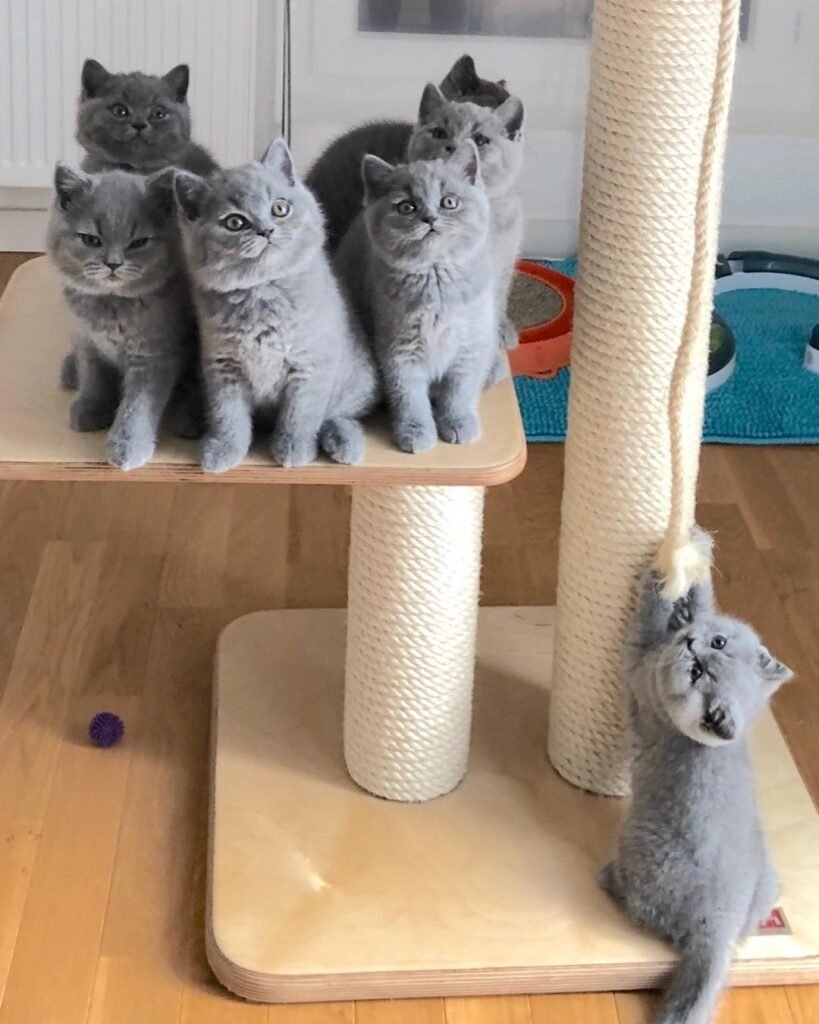
British Shorthair cats are renowned for their charming personalities and distinctive appearance, making them one of the most sought-after breeds among cat enthusiasts. With their plush coats, round faces, and captivating eyes, they have earned a special place in the hearts of pet lovers worldwide. However, when it comes to finding the perfect British Shorthair to bring into your home, quality is paramount. This article will guide you through the essential aspects of the breed, including their characteristics, the importance of selecting reputable breeders, and factors to consider whether you choose to adopt or purchase. By understanding what to look for, you can ensure that you welcome a healthy, well-adjusted feline companion into your life.
Understanding the British Shorthair Breed
History and Origins
The British Shorthair is a breed that brings a touch of royalty to your living room. With roots tracing back to the Roman Empire, these sturdy felines were originally bred for their hunting prowess, keeping pests at bay while lounging in the sun. Fast forward a few centuries, and they became the darlings of cat lovers in Britain, thanks in part to their delightful appearance and charming personalities—plus, they inspired the Cheshire Cat in “Alice in Wonderland.” So, if you’ve ever dreamt of owning a piece of history (and a fluffy lap warmer), the British Shorthair might just be your dream come true.
Temperament and Personality Traits
With a personality as plush as their dense fur, British Shorthairs are typically calm, composed, and quite affectionate—think the gentle giant of the cat world. They strike a balance between playful and lazy, making them perfect companions for lazy Sundays and spontaneous play sessions alike. While they might not be the most vocal of breeds, their sweet, silent companionship speaks volumes. They’re also known for their loyalty, often forming strong bonds with their humans. So, if you’re looking for a furry friend who’s more into cuddling than climbing curtains, you’ve found your match!
Key Characteristics of British Shorthair Cats
Physical Appearance
Imagine a cat that is the embodiment of plushiness. That’s the British Shorthair! With a broad, round face, chubby cheeks (ideal for cheek-rubbing), and a stocky body, these cats are built like the adorable teddy bears of the feline world. Their short but dense coat gives them a fabulous feel, while their copper or gold eyes add that “oh-so-adorable” sparkle. Plus, their thick, muscular legs and a tail that’s just the right length complete the picture of this charming breed. You might find it hard to resist squishing their cute little faces!
Common Color Variations
British Shorthairs come dressed to impress in a variety of colors. The most recognized hue is the classic British Blue, a lovely slate gray with hints of blue. But don’t let that fool you! They flaunt an impressive palette that includes colors like cream, black, chocolate, lilac, and even tabby patterns. Each color variation brings its own charm to the breed, ensuring that there’s a British Shorthair to suit every aesthetic—from the elegant to the whimsical. So, whether you’re a fan of the classic look or something a bit more exotic, there’s a shade for you!
Why Quality Matters in Purchasing a British Shorthair
Importance of Genetic Health
When it comes to the health of your future feline friend, quality trumps quantity every time. A responsibly bred British Shorthair comes with a pedigree that not only represents a lineage of beautiful cats but also one that prioritizes genetic health. This breed can be prone to certain hereditary conditions, such as hypertrophic cardiomyopathy (HCM), so it’s vital to source your kitty from a breeder who conducts health testing. Investing in a quality cat now means fewer vet bills later—plus way more snuggles and purrs down the road!
Impact on Behavior and Temperament
Ever met a “grumpy” British Shorthair? Neither have we! But a poorly bred kitty can come with unexpected behavioral quirks. Quality breeders focus not only on looks but on temperament too, ensuring that your new companion will be calm, social, and ready to mingle with both humans and fellow pets. A well-bred British Shorthair will be more adaptable to your home environment, and you’ll find that they make delightful additions to the family—no drama, just cuddles!
Reputable Breeders: How to Identify Them
Key Questions to Ask Breeders
Finding a reputable breeder is key to ensuring you bring home a happy, healthy British Shorthair. Start by asking about their breeding practices: “What health tests do you perform?” and “Can I see the kitten’s parents?” should definitely be on your list. Additionally, inquire about how they socialize their kittens—after all, you want a furry friend that’s ready to charm your socks off, not hide under the sofa! A responsible breeder will be more than happy to answer your questions and provide documentation.
Signs of a Responsible Breeder
A responsible breeder is like the cat whisperer you’ve always dreamed of! Look for signs such as a clean, well-maintained environment, where kittens are raised in a loving setting. They will prioritize transparency, offering to show you health clearances and the living arrangements of both the kittens and their parents. Additionally, good breeders will have a keen interest in where their kittens end up, ensuring they go to loving homes (and will likely ask you a few questions too). If they seem more interested in cash than cats, it’s time to take your business elsewhere!
Adoption vs. Purchasing: Pros and Cons
Benefits of Adopting a British Shorthair
Adopting a British Shorthair can be a heartwarming experience—think of it as giving a cat a second chance at life (and you a new cuddle buddy). Shelters often have cats of all ages, and adopting can save you some serious cash compared to buying from a breeder. Plus, many rescues come already vaccinated and spayed or neutered, so you minimize your initial investment and maximize your good karma. You’ll also become part of a community of cat lovers who are equally invested in their furry friends.
Considerations When Buying from a Breeder
On the flip side, purchasing from a breeder can ensure that you get a British Shorthair with a specific lineage. This is especially appealing if you’re aiming for certain traits or colors. Reputable breeders often conduct health screenings and can provide documentation on your cat’s genetics, which can be a major plus. However, beware of “kitten mills” and do your research—quality breeders may have waiting lists, but the assurance of a healthy, well-socialized cat can be worth it. Just be ready for a potential price tag that might have you reconsidering your next luxury purchases.
Preparing Your Home for a British Shorthair
Creating a Safe and Comfortable Environment
Your new feline friend deserves a home that feels safe, cozy, and, let’s face it, Instagram-worthy. Start by cat-proofing your space—secure loose wires, remove toxic plants, and hide those snacks that are definitely off-limits. Create a peaceful retreat with a designated space for their litter box and scratching post. Don’t forget to pick out a sunny spot by the window for their daily bird-watching sessions. After all, everyone deserves a view, right?
Essential Supplies You’ll Need
Before your British Shorthair leaps into your life like a fluffy tornado, stock up on the essentials. Grab a high-quality litter box, litter (not the clumping kind—trust us), food and water bowls (the wider, the better), and a comfy bed for their royal naps. A scratching post is a must to save your furniture from becoming a cat’s personal playground. Finally, invest in some engaging toys to keep their curious minds entertained because a bored cat is a mischievous cat, and we don’t want that chaos on our hands!
Health Considerations and Care Requirements
Common Health Issues in British Shorthairs
Like all breeds, British Shorthairs can be prone to specific health issues, including hypertrophic cardiomyopathy (a fancy term for heart disease) and obesity (because let’s face it, who can resist a good treat?). Regular vet check-ups can help catch potential problems early. Their dense coats also require some grooming to keep them looking fabulous and free from mats—think of it as a mini spa day for your kitty.
Nutrition and Diet Tips
Feeding your British Shorthair is like being a gourmet chef—quality ingredients matter! Opt for a high-protein diet with a balance of fats and fibers to keep them in tip-top shape. Watch for overfeeding, as British Shorthairs have a tendency to pack on the pounds. Measure out their food to avoid those adorable but not-so-healthy puppy eyes begging for more. And don’t forget to check with your vet for dietary recommendations tailored to your cat’s age and health needs—because no one wants a grumpy cat on their hands!
Frequently Asked Questions About British Shorthairs
How to Choose the Right British Shorthair for You
Choosing the right British Shorthair is like finding a partner in crime; compatibility is key! Look for a cat whose personality aligns with yours—some are more social and cuddly, while others prefer to be independent little loners. Visit shelters or breeders to interact with different cats and ask questions about their behavior. Remember, a well-matched kitty will make for one cozy couch companion!
Training and Socialization Tips
Training a British Shorthair can be surprisingly easy if you approach it with patience and treats—lots of treats! Start with the basics, like litter box training and encouraging polite scratching behavior with scratching posts. Socialization is also important, so expose your kitty to various people and environments. Creating positive associations during these interactions helps them become well-adjusted adults. Just remember, training sessions should be fun and reward-based—think of it as a game, not a chore! In conclusion, finding the right British Shorthair cat involves careful consideration and research to ensure you choose a healthy and well-bred companion. By understanding the breed’s characteristics, recognizing the importance of quality, and knowing how to identify reputable sources, you can make an informed decision that benefits both you and your future feline friend. Whether adopting or purchasing, the joy that a British Shorthair brings into your home is well worth the effort. Happy cat hunting!
Frequently Asked Questions
What is the average lifespan of a British Shorthair?
The average lifespan of a British Shorthair is typically between 12 to 20 years, depending on factors like genetics, diet, and overall health care.
Are British Shorthairs good with children and other pets?
Yes, British Shorthairs are known for their friendly and laid-back temperament, making them suitable for families with children and other pets. However, early socialization is important.
How much do British Shorthair cats typically cost?
The price of a British Shorthair can vary widely based on factors such as breeder reputation, lineage, and location, but they generally range from $1,000 to $2,500 or more.
Do British Shorthairs require special grooming?
While British Shorthairs have a dense coat that does shed, they do not require extensive grooming. Regular brushing a few times a week is usually sufficient to keep their coat healthy and reduce shedding.